100 DIY Projects to Save Money (Practical, Safe, and Beginner-Friendly)
Some links in this post may be affiliate links. That means I might make a small commission on qualifying purchases if you click the link. There is no extra cost to you.
DIY is more than a hobby — it’s a practical toolkit that helps people save money, reduce waste, and regain control over what they use in their homes. This guide groups 100 approachable projects and skills by category, expands the top 20 projects (with difficulty, time, rough startup cost, and trusted how‑to links), and includes safety callouts where appropriate. Pick one project at a time, track time and cost, and you’ll build savings and confidence faster than you expect.

Kim is a homeschooling mama of 5 who been in the trenches of motherhood, frugal living, and cooking from scratch for over 15 years!
At Plain Living, Kim shares what she’s actually lived — not theory, but the real skills she’s picked up through years of trial, error, and love for her family and home.
Table of contents
- Free Budgeting Printable Worksheets to Help You Save
- Top 20 Ideas for Biggest Impact on Saving Money
- How to Save Money on Food & Pantry — Baking & Bread
- Condiments, Seasonings & Pantry extras to Save More
- Drinks & Snacks you can make to save money
- Cleaning, Personal & Household Products
- Save Money with Sewing, Crafts & Handmade Home
- Repair, Refurbish & Resell
- Gardening, Animals & Preservation Skills to Save
- Bulk Food & Storehouse
- Miscellaneous Practical Projects
- Safety & authoritative resources to learn from
- Beginner 30‑day plan (Start Here — actionable)
- How I Save Money in Real Life
- Frequently Asked Questions on Saving money
- Get Started Saving Money
Free Budgeting Printable Worksheets to Help You Save
Enter your email address below to get my 8 page budgeting bundle with income, expense, and budget tracker; debt payoff tracker; grocery price comparison; and cash envelope templates.
Top 20 Ideas for Biggest Impact on Saving Money

- What to do: Cultivate a starter and bake naturally leavened loaves.
- Quick facts:
- Difficulty — Medium
- Time — 1–14 days to build/maintain starter; per loaf 24–48 hrs (mostly hands-off)
- Startup cost — very low (flour, jar).
- Why it saves money: Replaces frequent bakery purchases; flexible use (loaves, pancakes, pizza crusts).
- How to start: I really love King Arthur’s sourdough starter guide to grow a starter from scratch
- Note: Sourdough can be forgiving. Many home bakers find success when they focus on consistent practice rather than rigid rules — baking intuitively often leads to better results and less frustration.
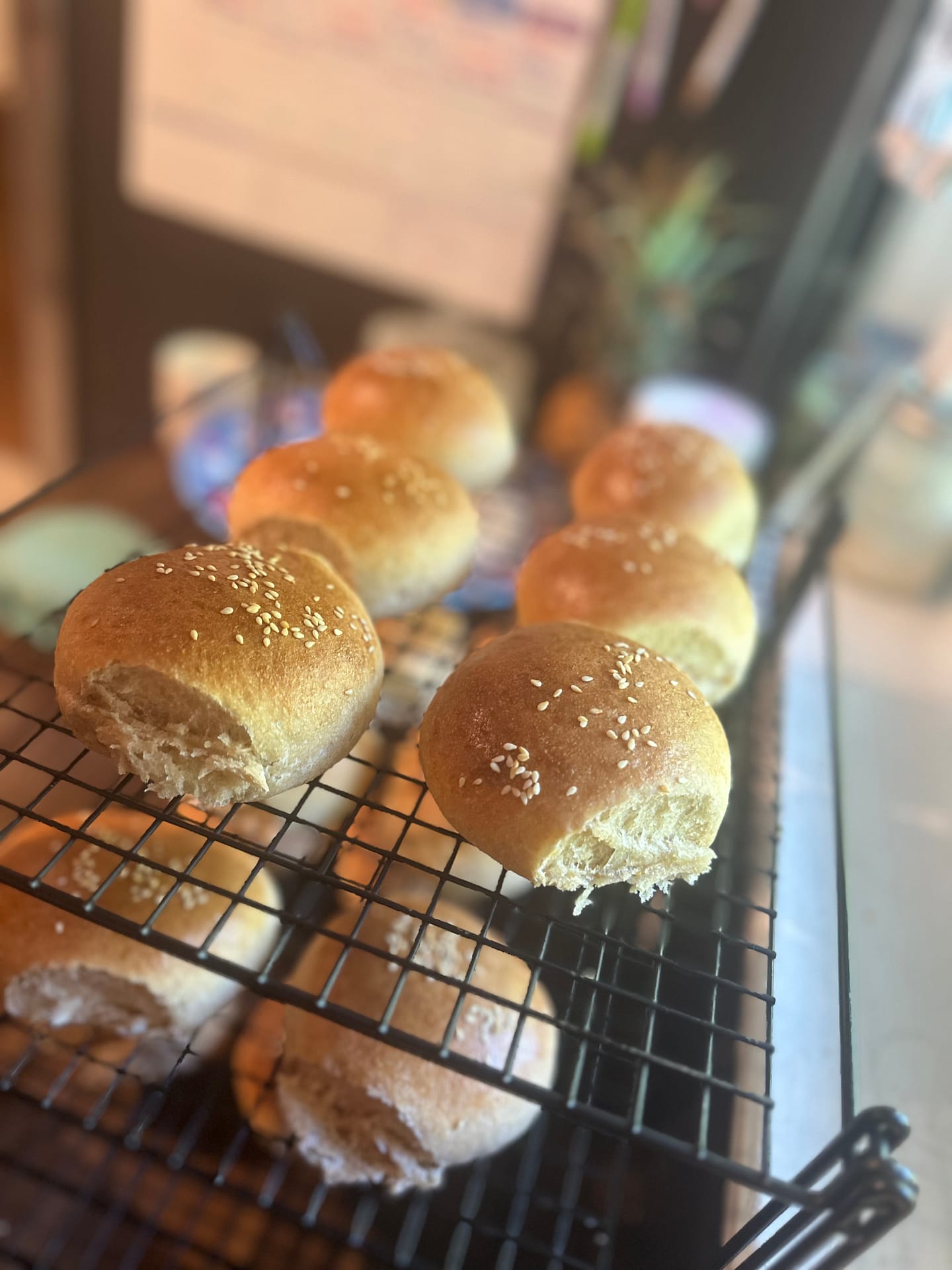
- Sandwich loaves, rolls, burger & hot dog buns (yeast or sourdough)
- What to make: Everyday bread and buns for sandwiches and meals.
- Quick facts:
- Difficulty — Easy–Medium
- Time — 2–4 hours active, may span a day for rising
- Startup cost — low.
- Why it saves: Cheaper than specialty bakery items; freezes well for future use.
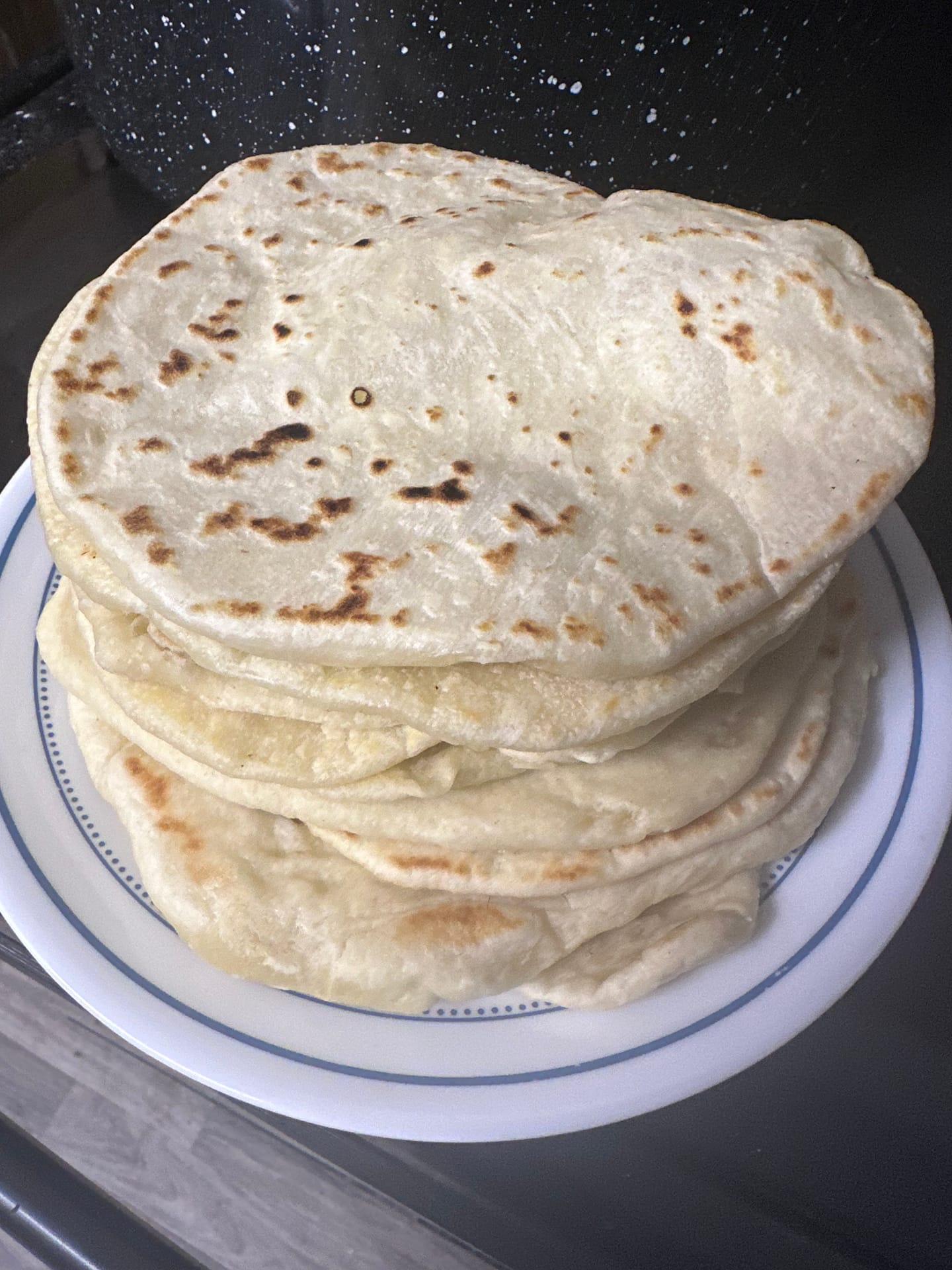
- Tortillas (wheat & corn)
- What to make: Fresh flour or corn tortillas and sourdough flour tortillas.
- Quick facts:
- Difficulty — Easy
- Time — 30–90 minutes
- Startup cost — minimal.
- Why it saves: Fresh tortillas beat many store-bought options in quality and cost.

- Bagels (yeast or sourdough)
- Quick facts:
- Difficulty — Medium
- Time — 3–12 hours
- Startup cost — low.
- Why: Save on specialty bakery prices by batch-making bagels at home.
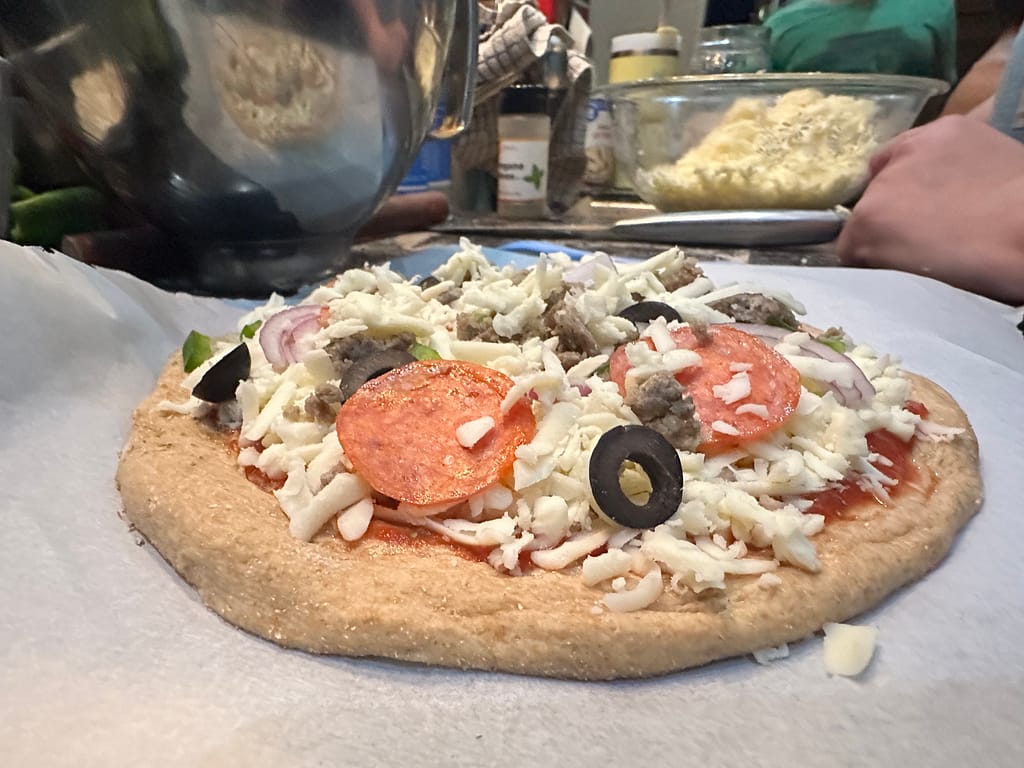
- Pizza dough (yeast / sourdough)
- Quick facts:
- Difficulty — Easy–Medium
- Time — 1–48 hrs depending on fermentation
- Startup cost — low.
- Why: Restaurant-quality pizza at home costs much less per pie.
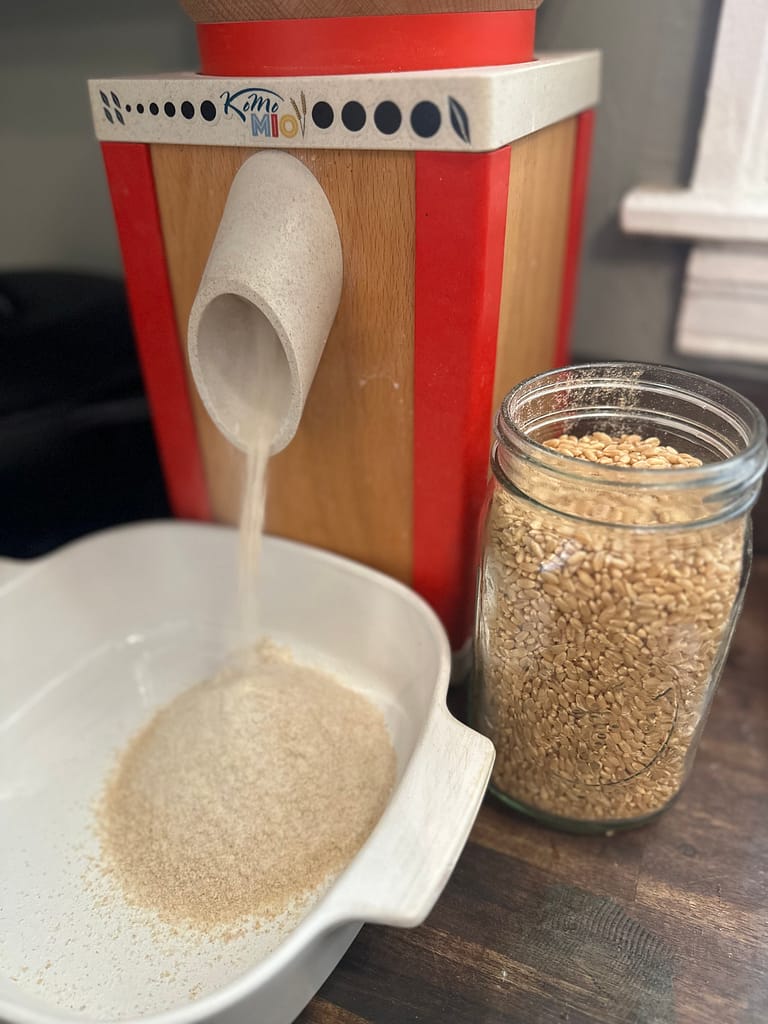
- Quick facts:
- Difficulty — Medium
- Time — Variable
- Startup cost — medium (grain mill purchase).
- Why: Bulk grain + mill reduces cost per loaf and improves freshness and nutrition.
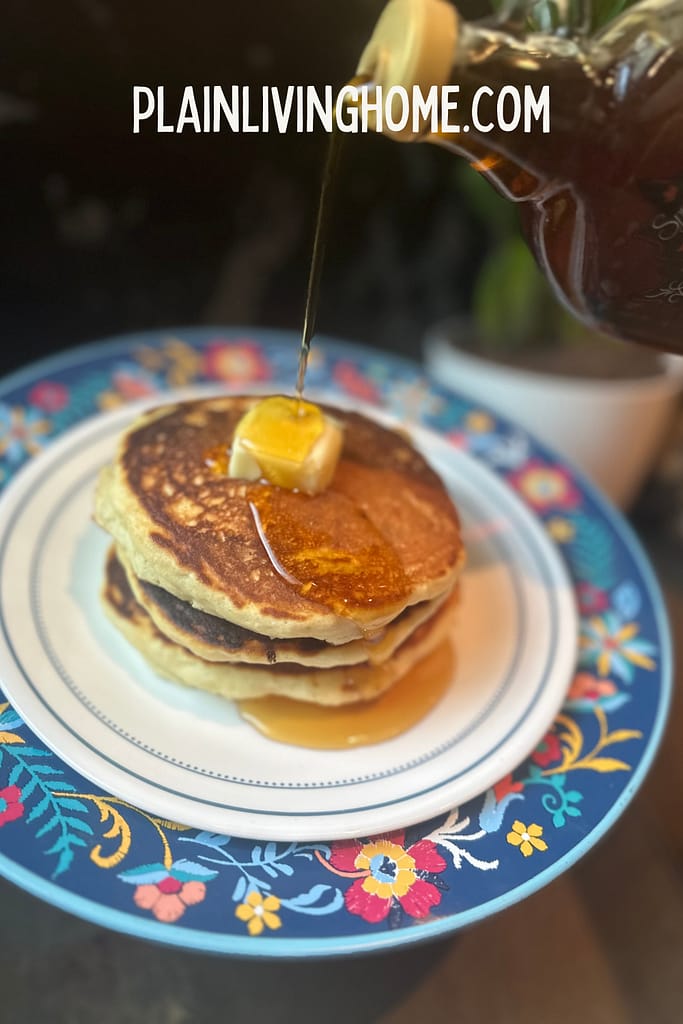
- Pancakes, waffles & breakfast bakes (classic & sourdough)
- Quick facts:
- Difficulty — Easy
- Time — 15–45 minutes
- Startup cost — very low.
- Why: Breakfast from scratch saves money and can be batch-frozen.
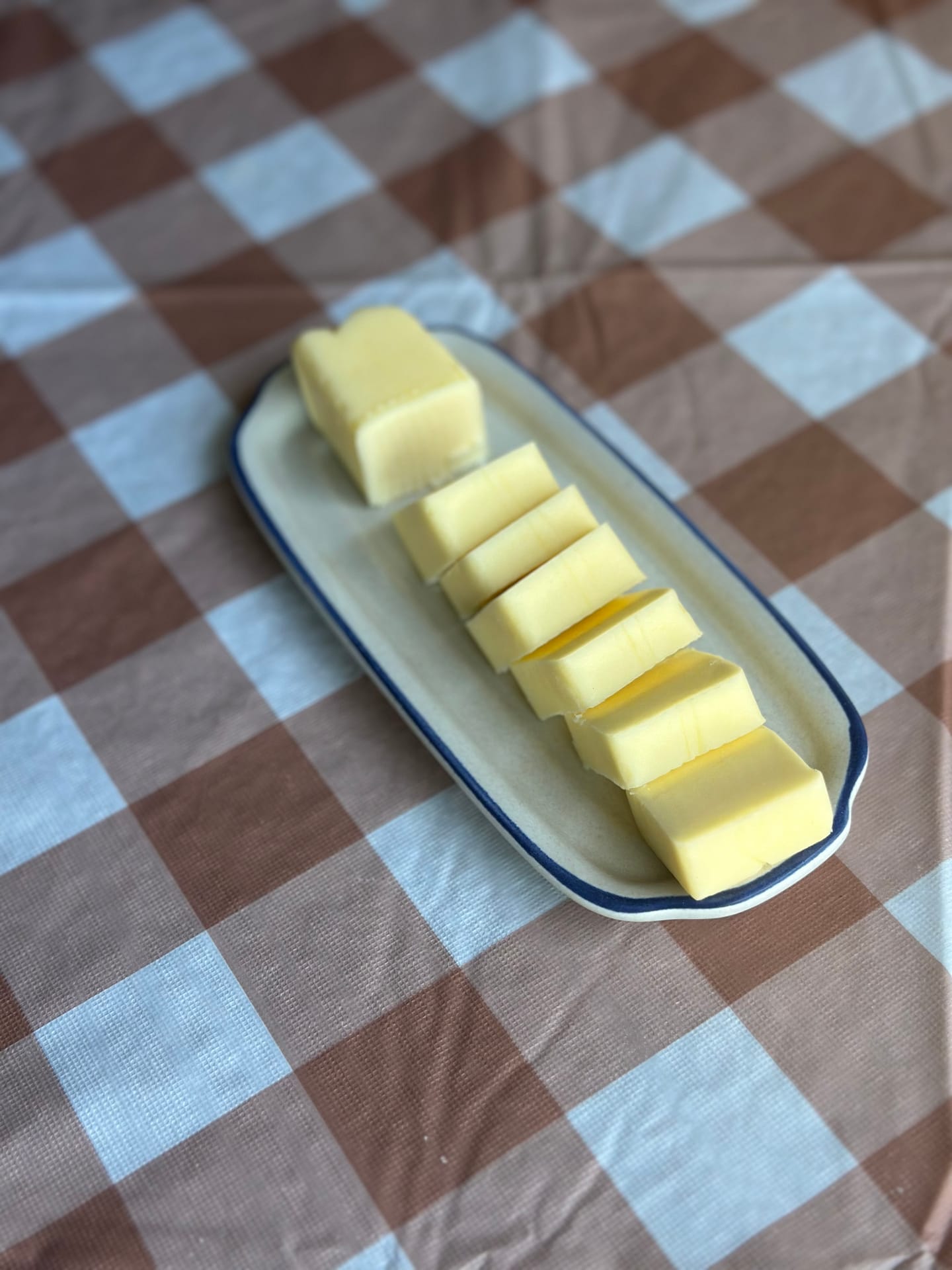
- Butter, whipped cream, buttermilk
- Quick facts:
- Difficulty — Easy
- Time — 5–20 minutes
- Startup cost — low.
- Why: Homemade dairy toppings and cultured milk products can be cheaper and tastier. Learn this skill now and use it later if you journey into homesteading.
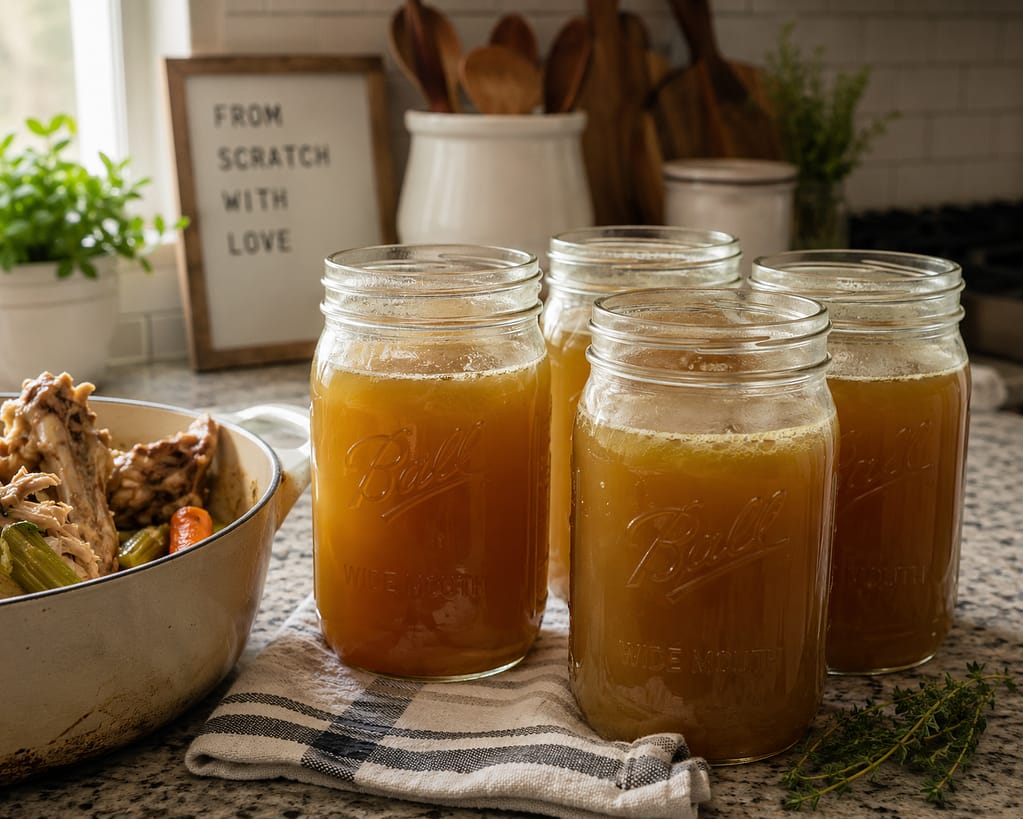
- Chicken broth & bone broth
- Quick facts:
- Difficulty — Easy
- Time — 2–24 hrs simmer
- Startup cost — negligible (use scraps).
- Why: Use bones and vegetable scraps to make flavorful stock, replacing cartons or bouillon. Making chicken broth this way is practically free if you use bones and scrapes form meals you’re already making anyway.
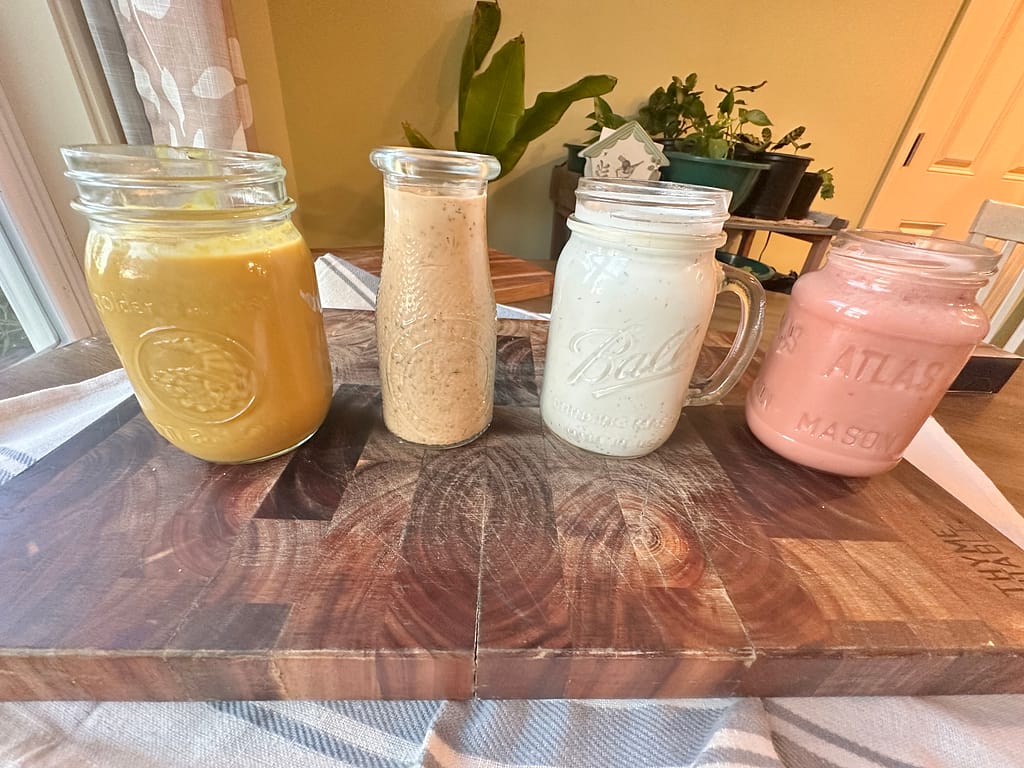
- Condiment blends & dressings
- Learn to make all of your sauces and condiments from scratch! Start with mayo, mustard, ranch, honey mustard, red onion vinaigrette, thousand island )
- Quick facts: Difficulty — Easy
- Time — 5–30 minutes
- Startup cost — very low.
- Why: Jarred dressings and mixes often have high markup.
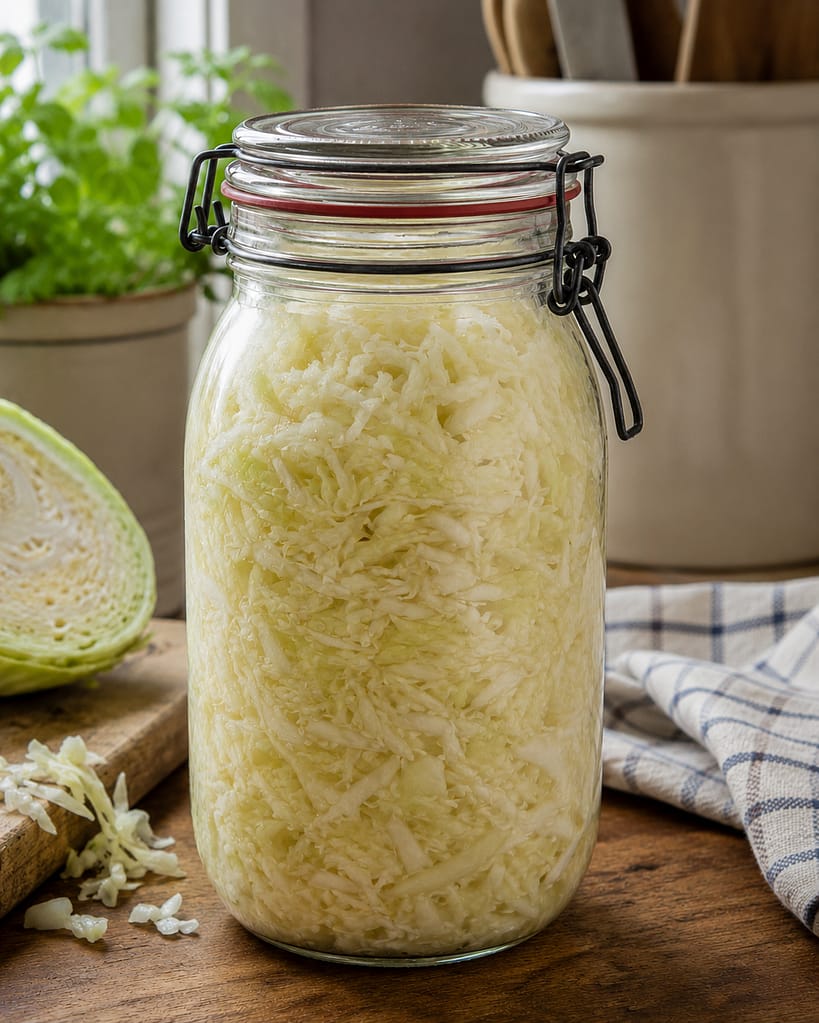
- Pickles & fermented vegetables (sauerkraut)
- Quick facts:
- Difficulty — Easy–Medium
- Time — 3 days–3 weeks depending on fermentation
- Startup cost — low.
- Safety: For shelf-stable canned pickles, use tested recipes and follow canning guidance. For fermentation guidelines, read this article.
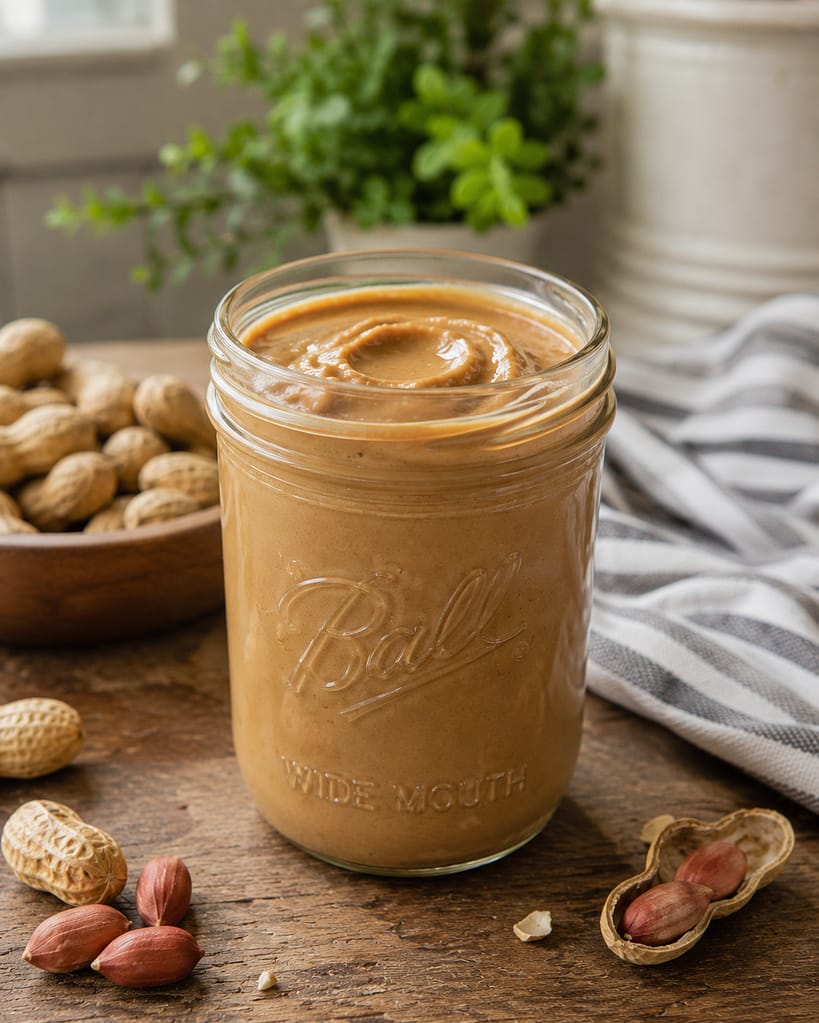
- Peanut butter & other nut butters
- Quick facts:
- Difficulty — Easy
- Time — 5–15 minutes
- Startup cost — low (food processor).
- Why: Bulk nuts ground at home cost less than many jarred brands. You can even get raw nuts, roast them yourself, and avoid digestive issues.
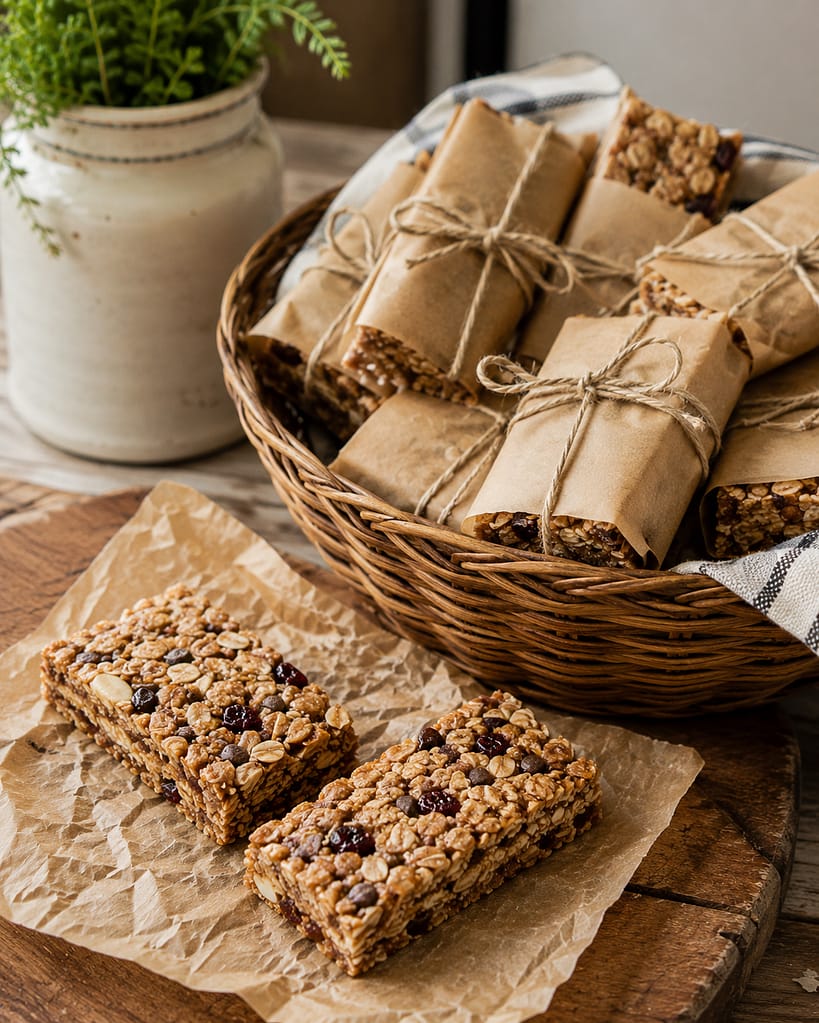
- Granola bars & homemade snacks
- Quick facts:
- Difficulty — Easy
- Time — 20–60 minutes
- Startup cost — low.
- Why: Batch-making reduces per-serving cost and lets you control sugar and ingredients. Wrap your treats and tie them up to make a beautiful, rustic display that’s both practical and delicious.

- Homemade ice pops & frozen treats
- Quick facts:
- Difficulty — Easy
- Time — 4–8 hours to freeze
- Startup cost — low (molds).
- Why: Fruit-based pops are inexpensive and healthier than many store options. You can make a protein packed treat with simple ingredients. The sky is the limit with popsicles flavors and recipes.
- Fresh soups & cream-of-anything bases
- Quick facts: Difficulty — Easy | Time — 30–90 minutes | Startup cost — negligible.
- Why: Replace canned condensed soups and control ingredients.
- Popcorn from bulk kernels & homemade microwave-style bags
- Quick facts: Difficulty — Easy | Time — 5–10 minutes | Startup cost — minimal.
- Why: Extremely cheap per serving compared to single-serve microwave bags.
- Buttercream icing & frosting, whipped cream
- Quick facts: Difficulty — Easy | Time — 10–30 minutes.
- Why: Home-made frostings are far less expensive for large cakes.
- Sauces: Salsa, ketchup, BBQ sauce, cocktail sauce
- Quick facts: Difficulty — Easy–Medium | Time — 20–90 minutes | Startup cost — low.
- Why: Many store sauces have markup; home versions use pantry staples.
- Basic candy & sweet fillings (caramel, fruit curds)
- Quick facts: Difficulty — Medium | Time — 30–90 minutes | Startup cost — low.
- Why: Special occasion candies often carry high per-serving cost.
- Meal-sized freezer batches & meal prep (meatballs, casseroles)
- Quick facts: Difficulty — Easy–Medium | Time — 1–3 hours for batch prep | Startup cost — low.
- Why: Batch cooking reduces per-serving dinner costs and cuts takeout.
How to Save Money on Food & Pantry — Baking & Bread
To help save money on your food and stocking your pantry, learn to make these items from scratch. Don’t limit yourself to this list. I just want to spark your imagination to help you start saving.
- Sandwich bread — everyday loaves that freeze well.
- Sourdough bread — starter-based natural-leavened loaves.
- Fresh-milled flour bread — bread from home-milled whole grains.
- Amish white bread — soft, long-lasting loaves.
- Dinner rolls — white yeast and sourdough versions.
- Hawaiian rolls — sweet, soft rolls.
- Hamburger buns — sourdough, yeast, fresh-milled.
- Hot dog buns — sourdough, yeast, fresh-milled.
- Tortillas — wheat, corn, and sourdough-flour tortillas.
- Bagels — yeast and sourdough bagels; everything bagel seasoning.
- Pizza dough — yeast, sourdough, fresh-milled options.
- Pie crusts — flaky, sourdough, fresh-milled.
- Pancakes & waffles — classic American style pan cakes and sourdough.
- Biscuits — Southern, cheddar bay, sourdough.
- Muffins — blueberry, fresh-milled banana.
- Brownies & blondies.
- Cookie dough — chocolate chip, sourdough cookies.
- Buttercream icing & frostings.
- Whipped cream.
- Butter & cultured butter.
- Buttermilk (cultured).
- Pop tarts & homemade filled pastries.
- Cinnamon rolls — yeast, sourdough, fresh milled.
- Pitas & soft pretzels.
- Hot pockets & savory hand pies.
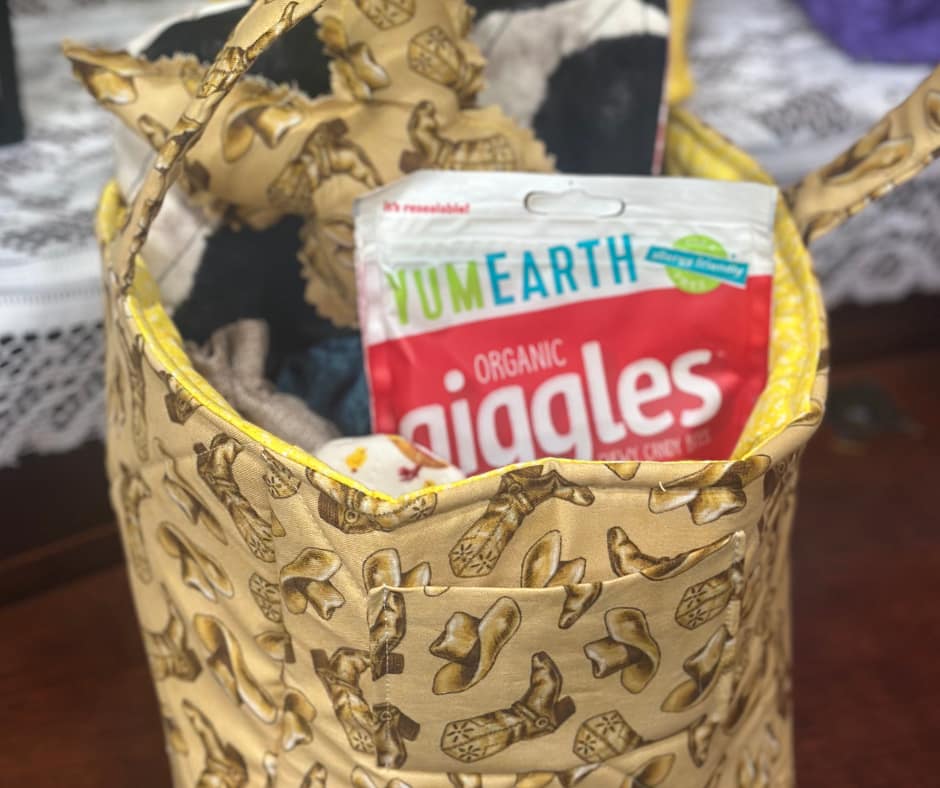
- Sew your own Bread storage solutions (bread bags).
Condiments, Seasonings & Pantry extras to Save More
- Granola bars.
- Peanut butter & other nut butters.
- Cocktail sauce
- red onion vinaigrette.
- Caramelized onions (for burgers & sauces).
- Salsa & pico de gallo.
- Mustard & honey mustard.
- Mayonnaise (classic & flavored). This is a massive money saver, with the price of mayo these day.
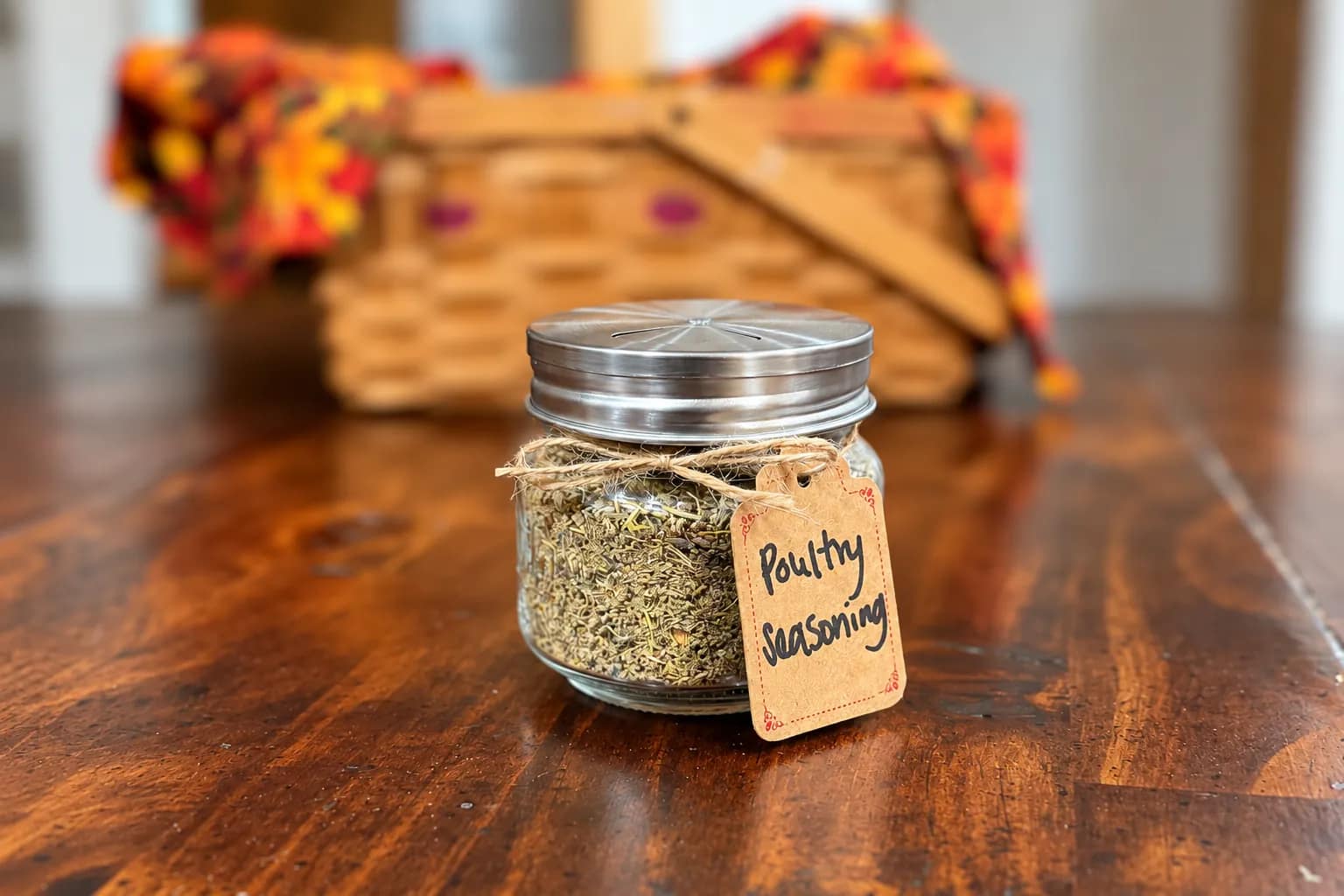
- Taco seasoning, ranch seasoning, Greek seasoning, BBQ seasoning.
- Thousand Island dressing.
- Cream-of soups (mushroom, chicken, celery, onion).
- Pickles & fermented pickles.
- Sauerkraut.
- Peanut butter protein balls.
- Sausage balls (party, freezer-friendly).
- Popcorn from bulk kernels & homemade microwave-style bags.
Drinks & Snacks you can make to save money
- Orange Julius-style smoothies/popsicles.
- Nut milks (almond, oat, cashew).
- Iced tea blends, flavored syrups.
- Roasted nuts, trail mix.
- Energy bars & snack bites.
I’m not much into fancy drinks, myself, but my blogging friend over at The Proverbs Kitchen make phenomenal drinks! Here are a few favorites that will absolutely save you money compared to going to specialty shops:
Cleaning, Personal & Household Products
There are myriad household products you can DIY to save money, reduce waste, and reduce toxins. Start with some of these:
- Castile-style soap (liquid & bar).
- Hand soap & foaming hand soap.
- Dish soap (liquid concentrate).
- Homemade bar soap (cold process or melt-and-pour).
- Toilet bombs / bath fizzies.
- Reusable baby wipes & wipe solution.
- Fire starters (wax + sawdust compressed).
- Candles (beeswax, soy).
- Lotions & moisturizers (simple emulsions).
- Epsom salt soaks & bath salts.
- Odor spray & fabric fresheners.
- Chapstick / lip balm.
- Herbal tinctures & salves (label and dose carefully).
- Window cleaner & all-purpose cleaners.
Save Money with Sewing, Crafts & Handmade Home
- Cloth napkins.
- I started making cloth napkins and unpaper towels when our girls were toddlers because we couldn’t afford paper towels. I found clearance fabric for $1/yard, sewed a batch, and we’ve used them ever since. A few years later I made Christmas sets for family — including Superman-themed napkins for Scott’s dad — and he still raves about them a decade later. I’ve also come up with ways to upgrade your cloth napkins so you always have good reasons to use them.
- Dish towels / tea towels.
- Unpaper towels / reusable towels.
- Cloth diapers (new or upcycled). You can save money for years to come.
- Oven mitts & hot pads (various sizes). You can really customize your kitchen with DIY hot pads, hanging hot pads, casserole sized hot pads, and matching bowl covers.
- Bread bags to keep bread fresh.
- DIY grocery bags & totes.
- Reusable snack bags.
- Pillowcases & curtains.
- Table runners.
- Crochet blankets & DIY quilts.
- Structured fabric baskets.
- Repair clothing: patches, buttons, hems, upcycling.
- Simple garments: circle skirts, headbands, scrunchies.
- Book sleeves & Bible covers.
Repair, Refurbish & Resell
- Refinish or restore furniture (sanding, staining, sealing).
- Basic home repairs: patch drywall, basic plumbing fixes, caulking.
- Buy & resell thrift finds (flip for profit).
- Build storage: shelves, planters, and crates.
- Reupholster small chairs & benches.
- Repair shoes & bags (simple fixes).
Gardening, Animals & Preservation Skills to Save
- Grow a vegetable garden (start with lettuce, radishes, tomatoes).
- Grow herbs (windowsill or outdoor beds).
- Make compost (kitchen & yard scraps).
- Save your own seeds (proper drying & storage).
- Raise chickens for eggs & compost (check local regulations).
- Preserve food: water-bath canning (high-acid), pressure canning (low-acid), freezing, dehydrating, freeze-drying.
- Use a clothesline to reduce dryer energy.
- Learn couponing, rebates & smart shopping.
- Teach savings and stewardship (e.g., build a hope chest).
Bulk Food & Storehouse
I recently heard a Bible sermon that detailed the diligence of Joseph. Despite the circumstances. of his life, his diligence kept him out of bitterness. But more than that, his diligence led to an entire nation being saved from famine. Joseph’s storehouse was a DIY food management plan of biblical proportion.
We can learn from Joseph and apply his diligence to our modern lives in a lot of ways. But in this particular area, we can see the vast benefits of building and filling a storehouse. Let me get you started in teh right direction to help you save both money and headache.
- Make your own flour from bulk grains (wheat, spelt, rye, einkorn, rice).
- Buy and cook dry beans (red beans & rice, refried, baked, cowboy beans).
- Purchase a quarter/half/whole beef to stock the freezer.
- Buy sweeteners in bulk (honey, maple syrup, sugar).
- Vacuum sealing, oxygen absorbers, and rotation plans.
- Create bulk baking mixes and dry meal kits.
- Keep track of prices on your main grocery staples. At their best price, stock up for 6 months or more. You can grab my grocery prices tracker as part of my budgeting bundle. Just type your email address below and I’ll send it over.
Miscellaneous Practical Projects
- Microwave potato bag for quick baked potatoes.
- Party appetizers (sausage balls, mini quiches).
- Preserve seasonal fruits (jams, jellies, canned fruit).
- DIY gift jars (spice blends, cookie mixes, bath salts).
Safety & authoritative resources to learn from
- Canning & preservation: Use research-based canning methods and tested recipes.
- Pressure canning: Low-acid foods require pressure canning. Consult local extension resources such as NC State Extension for regional guidance
- Soapmaking & lye: Cold-process soap uses sodium hydroxide (lye). Lye is caustic — use PPE, ventilation, and follow a trusted safety guide: BRAMBLEBERRY
- Fermentation & pickling: Fermentation is safe when done correctly; for shelf-stable canned pickles use tested recipes from authoritative sources above.
- Animal raising & local laws: Check local zoning and extension office guidance before raising animals such as chickens.
Beginner 30‑day plan (Start Here — actionable)
In Week 1 — Bread & pantry basics
- Day 1–3: Begin a sourdough starter (or buy instant yeast) and read a starter guide:
- Bake your first sandwich loaf or a batch of rolls. Freeze extras.
- Write out your budget, start a cash envelope system, and commit to it.
Week 2 — One cleaning product & one snack
- Make a simple window cleaner (vinegar + water + essential oil).
- Make popcorn from bulk kernels and homemade microwave-style bags.
for Week 3 — Sewing & preservation intro
- Sew a reusable grocery tote or cloth napkin (a simple rectangle hem).
- Start a small compost bin for kitchen scraps.
Week 4 — Preservation & consolidation
- Freeze a batch meal (meatballs, casserole) and label with date.
- Try refrigerator pickles or a tested water-bath jam recipe.
How I Save Money in Real Life
- When our girls were toddlers we couldn’t afford to keep buying paper towels. I found clearance fabric for $1/yard, bought a few yards, and sewed up a batch of cloth napkins and unpaper towels. We’ve used them ever since. A few years later I made sets as Christmas gifts — including Superman-themed napkins for Scott’s dad — and he still raves about them a decade later.
- Soapmaking learning curve
- I learned to make soap with my friend Joanna about 15 years ago. We made a rose-petal bar soap and I learned a valuable lesson in scent sensitivity: I couldn’t smell the rose essential oil, so I kept adding more — and ended up with a nearly unusable bar because it was overpowering. Lesson learned: follow the recipe and the recommended fragrance load. Lye safety and measured ingredients matter.
- Sourdough can feel intimidating because so many online “rules” claim you must do X exactly. I had little success following rigid instructions. Once I stopped obsessing and started baking more intuitively — paying attention to dough feel and timing rather than a checklist — sourdough became enjoyable and consistently successful. It’s forgiving and more about practice than perfection.
Frequently Asked Questions on Saving money
Bread (sandwich loaves and buns), tortillas, making nut butters or flour from bulk grains, and preserving in-season produce usually yield the largest per-serving savings. Reusable fabric items (napkins, towels) reduce recurring disposable purchases.
Yes — when you use tested, research-based recipes and follow processing times and pressures from authoritative sources like the National Center for Home Food Preservation
Cold-process soap uses lye, which is caustic. It’s safe when you follow safety procedures and trusted guides (PPE, ventilation, correct measurements)
Pick a high-impact, low-barrier project: bread, popcorn from bulk kernels, a simple dressing (mayo), a cleaning solution, or a basic sewing repair. Use the 30-day plan above to build momentum.
Get Started Saving Money
DIY, also known as “do it yourself”, seems like it has been a trendy piece of slang during the 2000s. But in reality, the phrase has been in use since as early as 1912! The motivations for learning, building, repairing, or making something at home are still basically the same. Most of the time, a product or service is unavailable or too expensive. Both of those motivations hold true today- DIYs can save you money and even render a better product than what’s available commercially.
This is only a small portion of the things you DIY or learn to DIY. The sky is the limit. Living on a budget does not mean you have to go without. You need to embrace simple living and learn to do it yourself! That really what Plain Living is all about.