The Ultimate Cash Envelope Budget System Guide for Beginners (With Free Printables)
Some links in this post may be affiliate links. That means I might make a small commission on qualifying purchases if you click the link. There is no extra cost to you.
Learn how to make a budget, set up cash envelopes, build sinking funds, save for future goals, and finally stop wondering where your money went every month.

Have you ever reached the end of the month and thought:
“Where did all our money go?”
I’ve been there.
Fourteen years ago, my husband and I started our journey toward frugal, simple living. We had recently gotten married, started having children, and decided to homeschool. That meant taking a big leap of faith: living on just one income.
Suddenly, we had to get serious about our budget. There was no wiggle room. Every dollar mattered.
Table of contents
- Find a Passion for Learning
- What Is a Budget?
- Why I Use the Cash Envelope System Budget
- How to Create a Zero-Based Budget (Step by Step)
- Example Family Budget
- How to Make Cash Envelopes for your Budget System
- How to Stuff Your Cash Envelopes For your Budget
- What Are Sinking Funds?
- The Savings Challenge That Changed Everything
- How to Make Custom Envelopes
- How to Find Extra Money in Your Budget
- Those Who Prepare Are Usually Spared
- Frequently Asked Questions
- Free Budget Bundle
Find a Passion for Learning
But something surprising happened. That tight budget became the start of my passion for learning new skills.
I learned to cook from scratch so we could stop paying for pricey convenience foods. I learned to sew, which saved us money and earned us a little extra. We learned to keep a pantry, grow a garden, and even raise our own meat.
Over those 14 years, that budget carried us through a lot. We’ve homeschooled all five of our kids and kept everyone fed and clothed. We bought and sold a house on a single income. And we even bought and sold two campers — both paid for with cash.
The biggest thing that changed wasn’t our income.
It was our budget — and the skills we built around it.
In this guide, I’ll show you exactly how to make a budget, use the cash envelope system, set up sinking funds, and create savings challenges that actually work. By the end, you’ll have a simple plan you can start today.
What Is a Budget?
A budget is simply a plan for your money. Instead of wondering where your money went, you decide where it will go before the month begins.
The most effective budgets often use a zero-based budgeting system. That means every dollar has a purpose. Income minus expenses equals zero, because every dollar is given a job — spending, saving, investing, or paying off debt.
Budgeting Terms You Should Know
Income — Money coming into your household.
- Paychecks
- Side income
- Business income
- Investments
Expenses — Money leaving your household.
- Rent
- Utilities
- Groceries
- Gas
- Debt payments
Fixed expenses — Costs that stay about the same every month.
- Rent
- Internet
- Car payments
Variable expenses — Costs that change month to month.
- Groceries
- Fuel
- Electric bills
Miscellaneous expenses– money set aside for non-necessities that allow you to spend freely. Think of it as your fun money.
Emergency fund — Money saved for true emergencies that you couldn’t anticipate.
- Major vehicle repairs
- Medical emergencies
- Job loss
Sinking fund — Money saved a little at a time for expenses you know are coming.
- Christmas
- Birthdays
- Vacation
- Tires
- Home repairs
Why I Use the Cash Envelope System Budget
The cash envelope system is one of the simplest ways to stay on budget. But you have to be committed to it.
Each spending category gets its own envelope. When the envelope is empty, spending stops. That’s it.
This method works especially well for the “sneaky” categories where overspending happens quietly — groceries, eating out, entertainment, and miscellaneous spending.
One reason it works so well is that it creates a visual boundary around your money. You can physically see how much is left. When you hand over real cash, you feel it leave your hands in a way that tapping a card just doesn’t.
How to Create a Zero-Based Budget (Step by Step)
A zero-based budget gives every single dollar a job until you reach zero left over — not zero in the bank, just zero unassigned. To help you organize all of your income and expenses, I have a free budgeting bundle. Type your email below and I’ll send it over to your inbox.
Here’s how to do it:
- Write down your monthly income.
- List every expense.
- Add your savings goals.
- Add your debt payments.
- Assign every remaining dollar a job.
If money is left over, put it toward:
- Savings
- Investing
- Debt payoff
- Future goals
Every dollar should have a purpose before the month begins. Then, it’s up to you to stick to the budget and put the money where it belongs.
Example Family Budget
We use the cash envelope system to stick to our budget. Here’s a sample monthly budget to show you what a finished plan can look like. Your numbers will be different, and that’s okay.
Monthly Income: $6,500
Monthly Bills
| Category | Amount |
|---|---|
| Rent | $1,600 |
| Electric | $150 |
| Water/Sewer | $75 |
| Internet | $80 |
| Cell Phones | $120 |
| Groceries | $800 |
| Gas | $300 |
| Car Loan | $350 |
| Credit Card | $150 |
| Personal Loan | $200 |
| Medical Bill | $100 |
| Fun Money | $200 |
Savings Categories in the Budget
You could go ahead and fulfill the emergency fund first- that’s even recommended. Then the next month, you can distribute savings across your sinking funds.
| Category | Amount |
|---|---|
| Emergency Fund | $300 |
| Vacation Fund | $200 |
| Investing | $300 |
| Tires Fund | $75 |
| Vehicle Maintenance | $100 |
| Birthdays & Gifts | $100 |
| Christmas Fund | $100 |
| Clothing Fund | $100 |
| Home Repairs Fund | $100 |
How to Make Cash Envelopes for your Budget System
You don’t need fancy supplies. You can just use plain white envelopes and label them with a pen. But if you’re anything like me, having fun, fancy envelopes will help you use them better. I’ll teach how to make custom envelopes later in the post. But for now, just be practical.
You can make envelopes from:
- Cardstock
- Scrapbook paper
- Printer paper
- File folders
- cheap envelopes
- zip top bags
Label each envelope with its category, such as:
- Groceries
- Gas
- Fun Money
- Vacation
- Christmas
- Emergency Fund
- Cow Fund
Simple is better. The goal is to use the system consistently, not to make it pretty.
How to Stuff Your Cash Envelopes For your Budget
After you make your budget, withdraw the cash you need for each category. Then fill each envelope with the amount you budgeted. You’ll have to map out how many bills of each denomination you need. For example, if you need $75 for gas and $75 for groceries, you wouldn’t want (1) $100 bill and (1) $50 bill. You wouldn’t able to split that into envelope correctly.
What you would actually want to get is this: (2) $50 bills, (2) $20 bills, (2) $5 bills. Then to make $75 in each envelope, you would put a fifty, a twenty, and a five.
Then, stuff the envelopes according to your budget. For example:
- Groceries: $800 ( 8 hundred dollar bills)
- Gas: $300 (3 hundred dollar bills)
- Fun Money: $200
- Vacation Fund: $200
- Christmas Fund: $100
- Cow Fund: $100
The point of the cash envelope system is not to carry large amounts of cash everywhere. The point is to spend with purpose and self control.
If carrying cash makes you nervous, you can keep your envelopes at home and only take out what you need for each trip. I like to keep my sinking funds separate from my regular spending so I’m not always carrying my savings with me.
What Are Sinking Funds?
A sinking fund is money you save from your budget, a little at a time for an expense you know is coming, so it never catches you off guard.
One of the biggest budgeting mistakes people make is treating predictable expenses like emergencies.
- Christmas comes every year.
- Tires wear out.
- Birthdays happen.
- Vehicle maintenance is guaranteed.
These aren’t emergencies. They’re expected expenses. Plan ahead.
Sinking funds get rid of surprise costs by saving a small amount each month. By the time the bill arrives, the money is already waiting. You’ll save yourself from racking up credit card debt. This is a classic example of “those prepared are usually spared”. Prepare for those expenses and spare yourself the stress and debt.
I also recommend building up a 6 mont emergency fund. This fund should hold 6 months worth of your expenses. Use it for something like a layoff from your job, a major injury that stops you from working, or a pay cut. It will take time to save up this amount, but if you ever need it, you’l appreciate it.
The Savings Challenge That Changed Everything
One of our favorite budgeting tools is savings challenges. They make progress visible, which keeps the whole family motivated.
Ideas to try:
- $1 Savings Challenge
- $5 Savings Challenge
- 52-Week Savings Challenge
- No-Spend Month Challenge
- Envelope Savings Challenge
Our Cow Fund Savings Challenge
Our family is currently saving for a half beef to fill our freezer— and the timing matters more than ever.
Two years ago, we paid about $1,600 for our half beef. This year, in 2026, we’re looking at $2,500 or more for the same thing. That’s not just our farm raising prices, either. It’s happening everywhere.
Beef prices have been climbing fast, and the main reason is simple supply and demand. The U.S. cattle herd has shrunk to its lowest level in decades, but Americans still love beef. When there’s less supply and steady demand, prices go up. You can read more about the current beef market from the USDA if you want to dig into the numbers.
So how do we handle a $2,500 expense without reaching for a credit card? We plan for it.
Here’s our simple plan:
- Goal: $2,500 for a half beef
- Save over: 3 months (about $835 a month, or roughly $210 a week)
- Make it last: 6 months of meals for our family
Every month, we add money to our Cow Fund envelope. Every coupon, pantry challenge, no-spend day, and grocery deal helps us get a little closer.
And here’s the part I love most: buying in bulk actually saves us money in the long run. Instead of being at the mercy of supermarket price swings, buying directly from a local farm lets us lock in our price upfront. When grocery-store beef keeps climbing, our freezer is already full at a price we agreed on months ago.
This simple goal has made budgeting feel exciting instead of restrictive.
How to Make Custom Envelopes
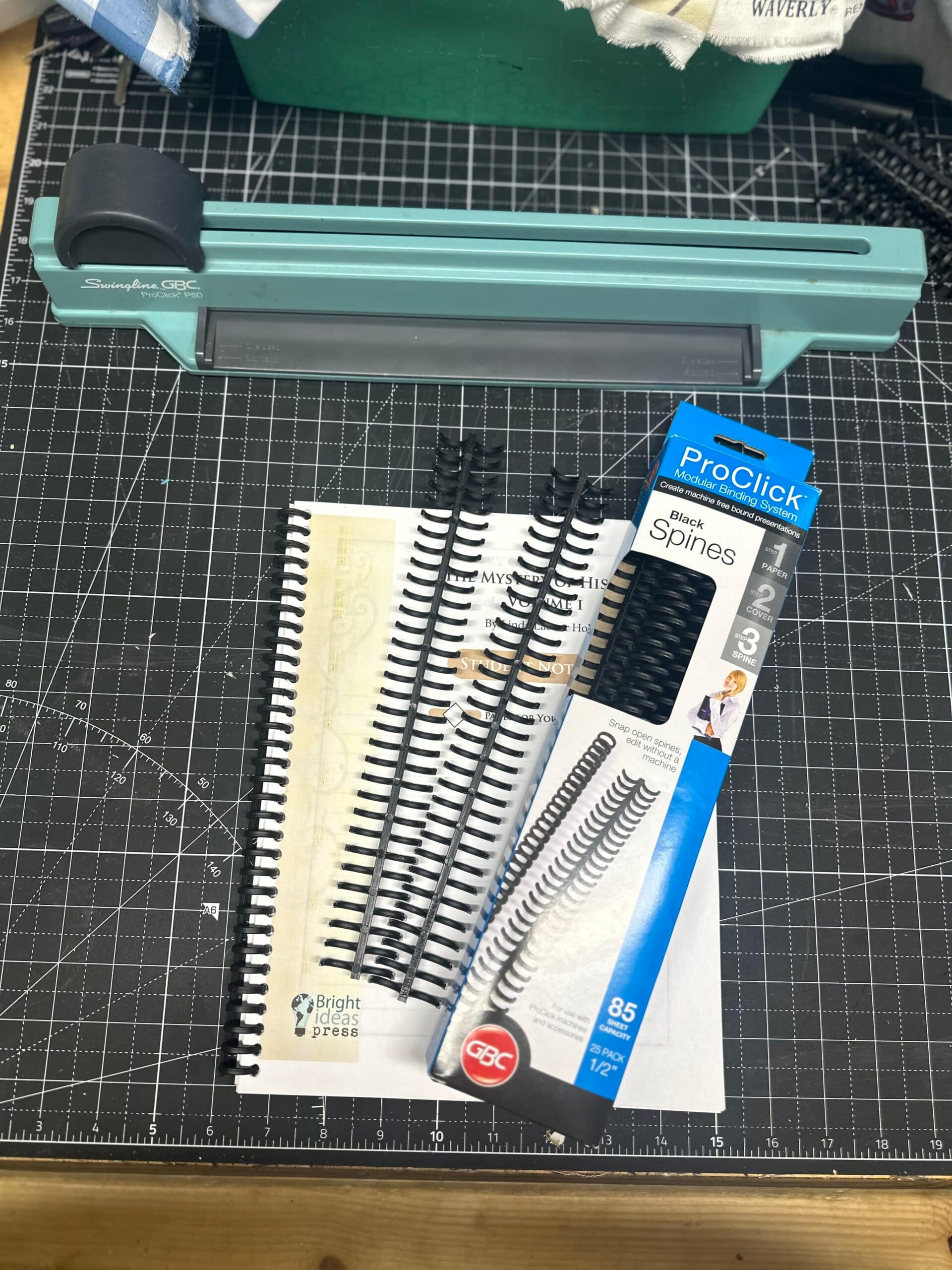
I have a tutorial on how to make your own cash envelopes in my Youtube video for the cash envelope system. Watch the video for a visual guided tutorial. You’ll needed these basic supplies to get started:
How to Find Extra Money in Your Budget
I wrote a post with all my best ideas, tips, and tricks for saving money. If you don’t have a way to create more income, you’ll have to stretch your budget. Try one thing each week. You will learn new skills, save money, and take some pressure off the budget!
When We Lived in a Camper
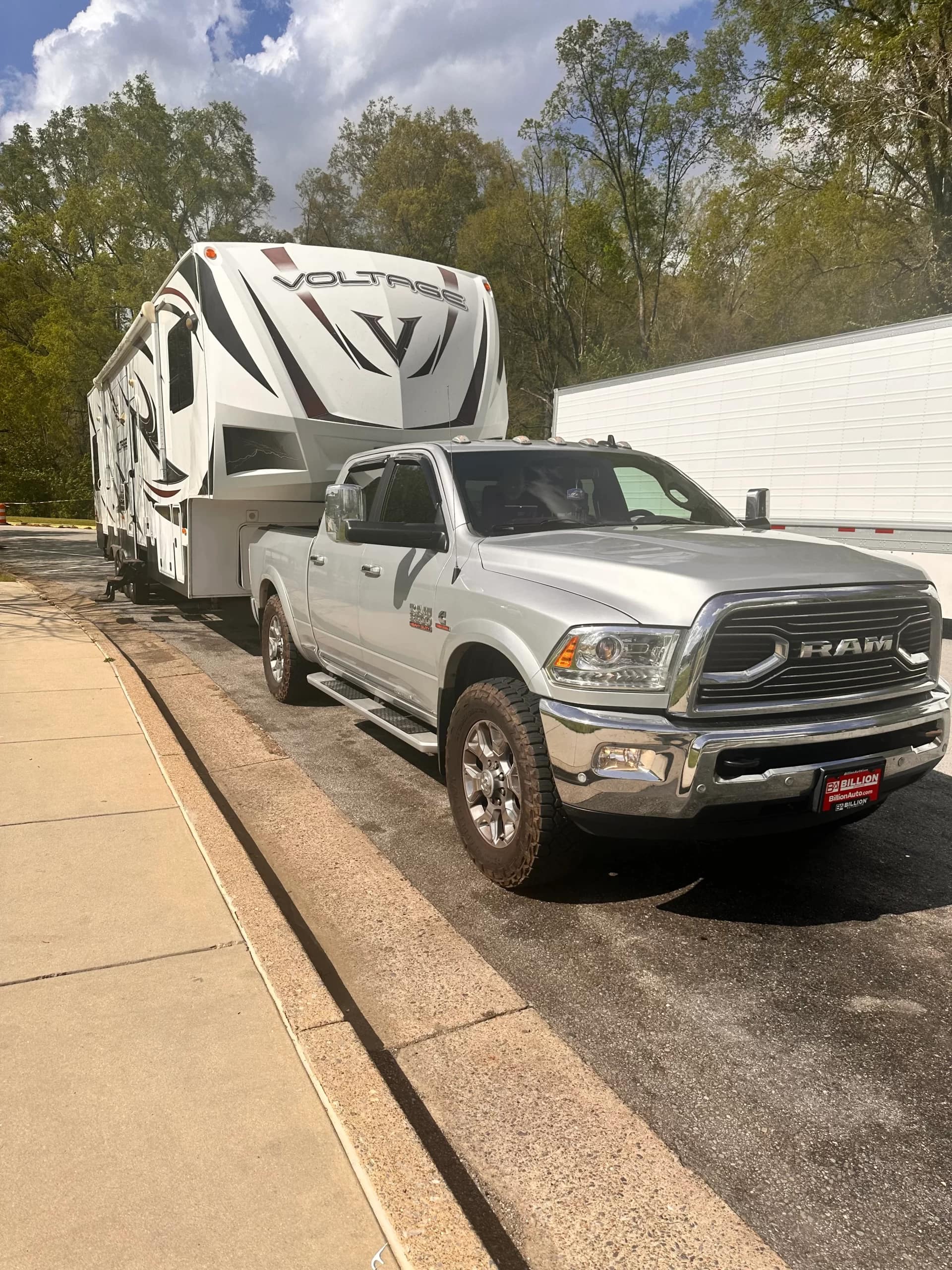
For four years total, our family lived in two different campers. It taught us a lot about creative budgeting!
Our fridge was tiny, so we could only stock about 3 or 4 days of food at a time. Cooking from scratch in such a small kitchen was hard. And buying food in small batches usually costs more, not less.
So we got creative. We leaned on every skill we’d learned — meal planning, cooking from scratch, shopping smart, and keeping a mini pantry — to stretch each dollar and stick to our budget anyway.
If we could do it from a camper kitchen for four years, you can absolutely do it too.
If saving feels impossible right now, start by creating a little breathing room — what I call margin. Here are the tricks that helped us find extra money:
- Monthly meal planning
- Shopping your pantry first
- Couponing
- Reducing subscriptions
- No-spend weekends
- Selling unused items
- Cooking from scratch
- Tracking impulse purchases
Small changes add up to big results over time.
Those Who Prepare Are Usually Spared
One phrase I come back to often is:
Those who prepare are usually spared.
We first learned this phrase years ago, when we were teaching our children about staying safe. We wanted them to feel confident about facing scary situation out in the world.
Over time, we realized this little phrase fit so many parts of our lives. We’ve applied it to firearms and everyday carry. We’ve applied it to prayer and our faith. And we’ve absolutely applied it to our budget.
Because budgeting isn’t about restriction. It’s about preparation.
- When you prepare for Christmas, it isn’t stressful.
- When you prepare for vehicle repairs, they aren’t emergencies.
- When you prepare for a $2,500 half beef, it doesn’t blow up your budget.
- When you prepare for future goals, they become achievable.
A budget isn’t a punishment. It’s a plan. And every dollar you give a purpose today can create peace tomorrow.
Frequently Asked Questions
Yes. It’s one of the easiest budgeting methods to start because the rule is simple: when the envelope is empty, you stop spending.
The very first envelopes you stuff should be necessities- your main expenses like housing and utilities. Anything left over should go toward spending. Start with the categories where you tend to overspend — usually groceries, eating out, fun money, and miscellaneous.
An emergency fund is for surprises you can’t predict, like a job loss. A sinking fund is for expenses you know are coming, like Christmas or new tires.
Yes. Many people use “digital envelopes” in a banking app or a budgeting app. The goal is the same: give every dollar a job and make sure necessities are covered before spending extra.
Only what you budgeted for that category that month. The budget decides the amount — not your mood at the store.
Free Budget Bundle
If you’d like help getting started, download my free Budget & Savings Bundle. Just type your email here and I’ll send you the download link.
Inside you’ll find:
- Monthly Budget Worksheet
- Cash Envelope Tracker
- Sinking Fund Tracker
- Debt Snowball Worksheet
- Emergency Fund Tracker
- No-Spend Month Calendar
- Pantry Stock-Up Planner
- Cow Fund Savings Challenge
- Savings Goal Worksheets
- Bill Payment Tracker
Start today, and remember:
Those who prepare are usually spared.

Kim is a homeschooling mama of 5 who has been teaching her children at home since the very beginning — from preschool through high school. Over the past decade, she and her family have built a homestead from the ground up, starting with meat and egg chickens, growing into a large garden, and learning to preserve their harvest.
She taught herself to sew 13 years ago through books and early YouTube tutorials, and has been making modest, affordable clothing for her girls ever since.
For the past 14 years, she and her husband have lived a frugal, simple life on a single income — homeschooling all fiveof their children, keeping everyone fed and clothed, and learning skills like cooking from scratch, sewing, gardening, keeping a pantry, and raising their own meat. Along the way, they bought and sold a house, lived in campers for four years, and bought and sold two campers — both paid for in cash.
She believes a good budget isn’t about restriction. It’s about preparation. Because those who prepare are usually spared.