The Ultimate Beginner’s Guide: How to Buy the Right Fabric
Some links in this post may be affiliate links. That means I might make a small commission on qualifying purchases if you click the link. There is no extra cost to you.
Buying fabric for the first time can feel scary — aisles of colors, bolts stacked high, numbers like GSM, and that nervous moment at the cutting counter when you’re not sure what to say. You’ve got this! Learning to choose and buy fabric is a useful life skill. It saves money, builds confidence, and prepares you for a warm, handmade home — a beautiful hope chest skill for young women and men.
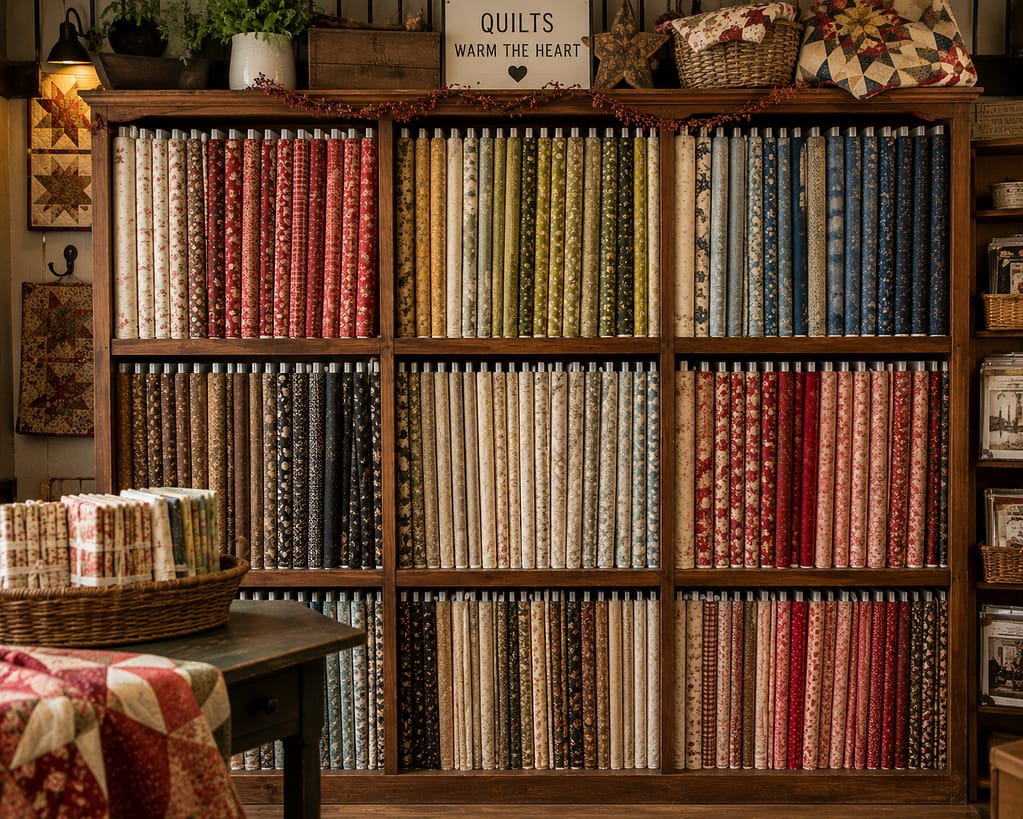
In this one-stop beginner guide, you’ll learn fabric terms (GSM, drape), knit vs. woven, natural vs. synthetic, how to read patterns for yardage, what to buy (batting, lining, notions), and exactly how to walk into a store, choose a bolt, ask for yardage, and check out — plus trusted online fabric sources.
If you are learning to sew from the beginning, use my beginner sewing guide to work through the machine, fabric, terminology, pattern, and first-project lessons in order.
Table of Contents
- Why Learning Fabric Skills Matters
- Fabric Basics: Terms You Must Know
- Knit vs. Woven, Natural vs. Synthetic
- How Much Fabric Do You Need?
- How to Shop for Fabric In-Store (Step by Step)
- How to Shop for Fabric Online
- Most Popular Fabrics & Use Cases
- Notions, Batting & Linings (What to Buy)
- Hope Chest Sewing Inspiration
- FAQs (Beginner Fabric Questions)
Introducing my new Book
Sew Like a Pro
✂️ Want your sewing to look neat, polished, and professional—without years of practice?
Grab my free ebook Sew Like a Pro! Inside, you’ll find my best beginner-friendly tips and tricks to help you sew with confidence, avoid common mistakes, and give every project a clean, finished look. Whether you’re just starting out or need a refresher, this guide will help you level up your sewing in no time. Enter your email below and start sewing like a pro today!
Why Learning Fabric Skills Matters
Sewing wasn’t always a hobby — it was a home-building skill. When you know how to choose fabric, you can fix things, make clothes, sew gifts, and create décor that really fits your life. If you’re building a hope chest, start setting aside handmade items now: cloth napkins, aprons, hot pads, baby quilts, and useful kitchen covers.
Faith and character matter too. Read more here: How a Hope Chest Builds Character and this classic encouragement: The Hope Chest: Timeless Treasure.
Fabric Basics: Terms You Must Know
| Term | Meaning |
|---|---|
| Bolt | The cardboard or plastic core fabric is wrapped around in the store. |
| Selvage | The finished edges of the fabric that don’t fray — use them to find grain direction. |
| Grain | The direction of the threads; affects stretch and drape. |
| Width | Common widths are 44–45″ and 54–60″ (check the end of the bolt). |
| Yard | Standard measurement: 36 inches. |
| Drape | How softly or stiffly the fabric hangs. |
| GSM | “Grams per square meter” — the fabric’s weight/thickness. |
GSM Cheat Sheet
- ≤120 GSM: lightweight/flowy (voile, rayon)
- 150–250 GSM: medium weight (most cottons, flannel)
- ≥300 GSM: thick/heavy (fleece, denim)
Knit vs. Woven, Natural vs. Synthetic
Knit vs. Woven
| Knit | Woven |
|---|---|
| Stretchy; great for T-shirts, leggings, casual dresses. | Little/no stretch; great for quilts, structured skirts, aprons, home décor. |
| Edges can curl; use a stretch or zigzag stitch. | Stable edges; easy for beginners to cut and sew straight. |
Natural vs. Synthetic Fibers
| Natural | Synthetic |
|---|---|
| Cotton, linen, wool, silk — breathable and comfortable. | Polyester, nylon, spandex — strong, wrinkle-resistant, budget-friendly. |
How Much Fabric Do You Need?
If you have a pattern, flip to the back for the fabric chart. It lists yardage by your size and by fabric width (44–45″ vs. 60″). Take a photo of the chart before you shop.
| Project | Typical Amount |
|---|---|
| Pillowcase | 1 yard |
| Tote bag | 1 yard |
| Half apron | 1–2 yards (tutorial) |
| Baby blanket | 2 yards (top + backing) |
| Women’s skirt | 2–3 yards (depends on style/size) |
| Quilt throw | 4–6+ yards (varies by pattern) |
Batting: for small quilts and hot pads, try Insul-Bright or cotton batting (see our hot pad tutorials: square hot pad with loop and the larger 13″×18″ casserole hot pad).
How to Shop for Fabric In-Store (Step by Step)
- Grab a cart. Bolts are bulky and heavy.
- Find your section: quilting cottons, apparel fabrics, knits, or home décor.
- Check the bolt end: name, fiber, width, care, and price per yard are printed on the label.
- Test drape and stretch: unroll a few inches and feel it.
- Take the bolt to the cutting counter.
- What to say: “Hi! May I have 2 yards, please?” (Or ask, “Is this good for a beginner?” They’re glad to help!)
- The associate cuts your fabric, attaches a price sticker, and hands it back.
- Return the bolt to a “return cart” if provided (or ask where it goes).
- Check out. You’re done!

Ready to practice? Grab one yard of quilting cotton and make a set of napkins this weekend — follow our mitered-corner napkin tutorial to learn pressing, folding, and crisp hems. Snap a photo and tag us — we love seeing your progress.
How to Shop for Fabric Online
When shopping online, read the fiber content, width, and GSM. If you’re unsure, order a swatch. For practice projects, browse our Learn to Sew hub and Free Patterns section. New to threading your machine? Start here: How to Thread a Sewing Machine (Step-by-Step).
Most Popular Fabrics & What They’re Used For
| Fabric | Best For | Description |
|---|---|---|
| Cotton quilting fabric | Quilts, table runners, aprons, beginner garments | Stable, easy to cut and sew; perfect for starters. |
| Flannel | Pajamas, baby blankets | Soft and cozy; prewash to reduce lint/shrink. |
| Rayon | Flowy dresses and skirts | Great drape; can be slippery — use lots of pins or clips. |
| Jersey knit | T-shirts, dresses | Stretchy and comfy; use a stretch/ballpoint needle. |
| Linen | Aprons, skirts, dresses, décor | Natural, breathable; softens with washing. |
| Canvas | Bags, aprons, pillows | Strong and sturdy; good for home goods and totes. |
| Fleece | Blankets, jackets | Warm and soft; edges don’t fray. |
| Denim | Pants, bags, skirts | Durable; use a denim needle and longer stitch length. |
| Satin | Hair bows, dressy items | Shiny and formal; frays easily — finish edges. |
Notions, Batting & Linings (What to Buy)
Notions are the small supplies: all-purpose polyester thread, elastic, zippers, buttons, bias tape, and interfacing (adds structure). For kitchen items, see our sewing projects: jar & bowl covers, and a cute sourdough jar cozy. For hot pads, choose Insul-Bright or cotton batting (avoid polyester batting for items that touch hot cookware).
Lining makes garments smoother and longer-lasting. Ask the fabric employee: “What lining pairs well with this?” For beginners, cotton lawn/voile or a light polyester lining work well.
Hope Chest Sewing Inspiration
As you learn, set aside simple, useful items for your future home — napkin sets, aprons, hot pads, and baby gifts. You’re not just buying fabric; you’re building a legacy. Start with our Hope Chest Hub and read The Hope Chest: Timeless Treasure for vision and encouragement.
Learning basic kitchen skills goes hand-in-hand with homemaking. Try this reader favorite: How to Boil Water — The Over-Explained Beginner’s Guide.
Frequently Asked Questions
Bring the bolt to the cutting counter and say: “May I have 2 yards, please?” You can request fractions like ½ yard or ¼ yard. If you’re unsure, ask: “Is this beginner-friendly?”
Start with quilting cotton — it’s easy to cut and sew. Practice on small projects like napkins or a half apron to build skills.
On the back of the pattern envelope (or digital pattern page), find your size and fabric width (44–45″ or 60″). The chart shows how many yards to buy. Take a photo of the chart before you shop.
Use it for smaller projects — scrunchies, hot pads, doll clothes, or patchwork. You’ll learn what each fabric does by using it.
Begin with “How to Thread a Sewing Machine,” then try our Learn to Sew hub and simple free patterns (napkins or tote bags).
Final Encouragement & Next Steps
Buying fabric is a skill you’ll use for a lifetime. Start with small, practical projects that build confidence and stock your hope chest with useful, handmade pieces. If you’re ready, check out our Learn to Sew hub and these beginner patterns: mitered-corner napkins, half apron tutorial, and a simple tote pattern. Go shop with confidence — you’ll be surprised how quickly you learn to read bolts like a pro.
About the Author
Kim is an adventurous mama of 5 who has been building new skills over 16 years of marriage. Over the past decade, she and her family have built a homestead from the ground up, starting with meat and egg chickens, growing into a large garden, and learning to preserve their harvest.
She taught herself to sew, crochet, and knit 13 years ago through books and early YouTube tutorials, and has been making handmade projects ever since.
Cooking from scratch became a necessity and a passion as her family learned to eat more nutritionally and live more frugally. She tests all of her sourdough and fresh milled flour recipes on the kids to ensure they’re delicious and nutritious.
At Plain Living, Kim shares what she’s actually lived — not theory, but the real skills she’s picked up through years of trial, error, and love for her family and home.
