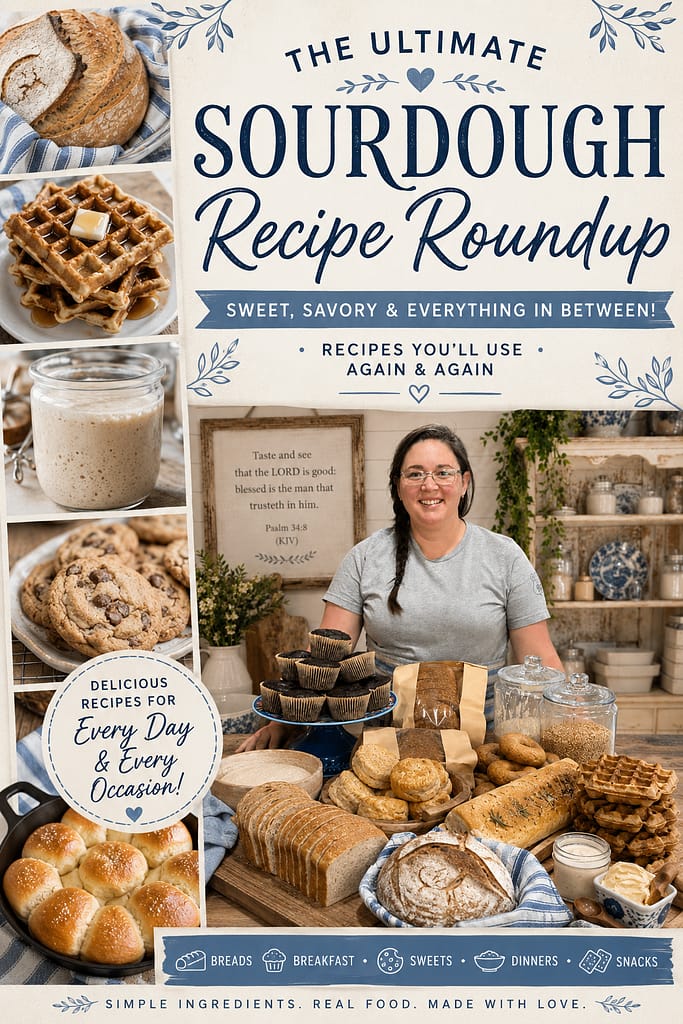
The Ultimate Sourdough Roundup Filled With Amazing Recipes
Some links in this post may be affiliate links. That means I might make a small commission on qualifying purchases if you click the link. There is no extra cost to you.
Sourdough isn’t just about bread—it’s about flexibility, creativity, and using simple ingredients to cook from scratch. Whether you’re a brand-new baker or someone who’s been feeding a starter for years, the beauty of sourdough is its versatility. You can use it for crusty artisan loaves, soft sandwich bread , cheesy garlic biscuits, brownies, crackers, and cinnamon rolls. In this roundup, I’ll gather all the ways you can use sourdough in one place, link out to detailed recipes, and share tips for making the most of every bit of starter and discard.
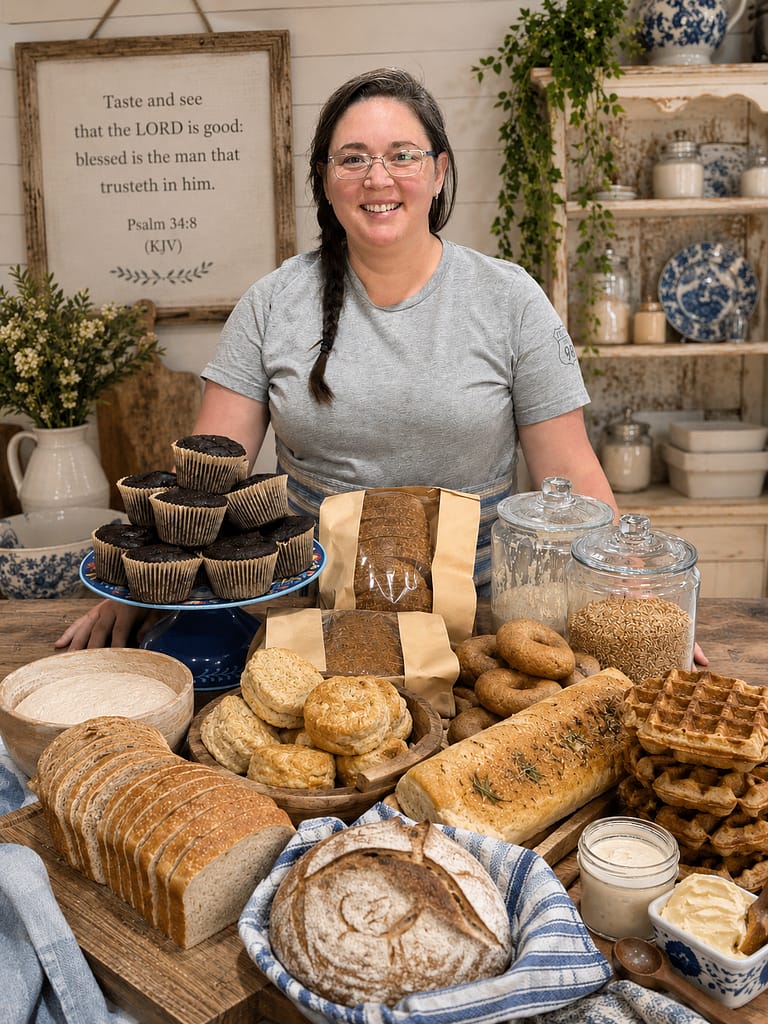
If you’ve been following along here at PlainLivingHome, you know I love experimenting with sourdough. This post is a growing hub that connects to all my sourdough recipes and tips. Bookmark it now—it’s one you’ll come back to over and over again.
Sourdough Roundup at a glance
What this page is: a one-stop guide to using sourdough starter and discard.
Best for: bakers who want ideas for loaves, discard recipes, and ways to save starter.
Table of Contents
- Core Uses: Loaves & Classic Bakes
- Discard & Everyday Uses
- Integrating Sourdough into Regular Recipes
- Cooking from Scratch with Sourdough
- Tips for Managing Discard
- The Versatility of Sourdough
- My Sourdough Recipes & Posts
- Spin-Off Posts
- FAQs
The Best Sourdough Bread Recipes
- Whole Wheat and Rye Sourdough Bread from King Arthur Baking — a hearty, flavorful loaf that combines whole wheat and rye flour with sourdough fermentation. This is a useful option for bakers who want to explore grains beyond traditional white sourdough.
- Bread Machine Sourdough Bread from King Arthur Baking — an easy option for using ripe starter or discard in a bread machine. This hybrid recipe includes a small amount of commercial yeast to produce a reliable rise within the machine’s shorter schedule.
- Big and Bubbly Sourdough Focaccia from King Arthur Baking — a naturally leavened focaccia with a crisp, olive-oil-rich crust and a light, bubbly interior. It is a useful option for turning an active starter into a savory bread for meals, appetizers, or dipping.
- Simple Sourdough Burger Buns — soft, sturdy homemade buns that work for burgers, pulled meat sandwiches, or dinner rolls.
- Restaurant-Style Sourdough Brown Bread — soft, slightly sweet brown mini loaves with rich flavor and a tender crumb.
- Family-Favorite Sourdough Bagels — chewy homemade bagels made with sourdough starter for an easy breakfast or sandwich bread.
Core Uses for Sourdough Starter: Loaves & Classic Bakes
When most people think of sourdough, they imagine a rustic boule with a deep golden crust and tangy, open crumb. And while that’s a cornerstone recipe, sourdough can be used for nearly every type of bread:
- Artisan loaves: Boules, batards, and bâtards with open crumb and blistered crusts.
- Sandwich bread: Soft crumb, slightly tangy flavor, and keeps longer than yeast bread.
- Flatbreads: Pizza crust, focaccia, naan, and pita all gain depth of flavor from sourdough fermentation.
- Breakfast breads: Bagels, pretzels, English muffins—all can be made sourdough-style.
The long fermentation adds not just flavor, but digestibility. These recipes are what your starter was “born” to make, and they’ll always be the heart of sourdough baking.

Sourdough Cakes and Sweet Breads
Sourdough starter is not limited to traditional bread. It also adds wonderful flavor and tenderness to cakes and sweet quick breads. These recipes are delicious ways to use extra starter or sourdough discard.
- Sourdough Banana Bread — a moist, warmly spiced quick bread and a delicious way to use sourdough discard
- Sourdough Cinnamon Crumb Cake — a tender breakfast cake topped with a buttery cinnamon crumble
- Sourdough Zucchini Bread — a lightly sweet, whole-grain quick bread for using both extra starter and summer zucchini
- Sourdough Carrot Cake With Cream Cheese Frosting — a moist, warmly spiced cake filled with carrots, pineapple, walnuts, and coconut
Sourdough Discard & Everyday Uses
Easy Sourdough Discard Recipes
Do not throw away that extra sourdough starter. Sourdough discard adds flavor and tenderness to everything from biscuits and pastries to cookies and easy family meals. These recipes work with unfed discard, although a few benefit from additional resting time.
- Flaky Sourdough Biscuits — buttery, layered biscuits that can be mixed with active starter or unfed discard
- Sourdough Cheddar Bay Biscuits — soft, cheesy biscuits finished with flavorful garlic butter
- Flaky Sourdough Pie Crust — an all-butter discard crust for sweet pies, pot pies, hand pies, and pastries
- Sourdough Discard Pop Tarts — flaky homemade pastries filled with jam and finished with a simple glaze
- Sourdough Chicken and Broccoli Hot Pockets — a freezer-friendly savory meal wrapped in homemade sourdough pastry
- Simple Sourdough Granola Bars — an adaptable discard recipe with plenty of options for customizing the flavor
- Sourdough Chocolate Chip Cookies — soft, chewy cookies made with sourdough discard and fresh-milled flour
- Sourdough Cranberry and White Chocolate Cookies — a sweet and tangy cookie flavored with dried cranberries, white chocolate, and orange zest
- Sourdough Peach Cobbler — juicy peaches baked beneath a soft sourdough topping with crisp golden edges
- Sourdough Cinnamon Rolls With Maple Glaze — fluffy cinnamon rolls that can be made with discard when given additional time to ferment
If you bake sourdough regularly, you know about discard—that portion you remove before feeding to keep your starter balanced. Instead of throwing it out, you can put it to work. Discard is perfect in recipes that don’t need yeast lift but benefit from its tang and depth:
- Pancakes & waffles: A family favorite and a great way to use up a cup of discard.
- Crackers: Thin, crispy, and packed with flavor. Roll them with seeds, herbs, or salt.
- Muffins & quick breads: Banana bread, pumpkin bread, or morning muffins with a subtle sourdough twist.
- Tortillas & wraps: Stretchy, flexible, and flavorful flatbreads perfect for tacos and sandwiches.
- Sweet bakes: Brownies, chocolate cake, or sourdough cookies—yes, even dessert can benefit from sourdough discard.
These are simple, quick ways to keep waste down and flavor up. And since discard recipes usually pair with baking soda or baking powder, they rise beautifully without relying on yeast activity.
Integrating Sourdough into Regular Recipes
One of my favorite ways to use sourdough is to sneak it into regular recipes. You don’t always need a full “sourdough version.” Instead, you can swap in a bit of active starter or discard to give your go-to recipes a flavor upgrade:
- Biscuits: I actually make my standard biscuit recipe, just add in some discard and ferment overnight for tangy, fluffy sourdough biscuits.
- Muffins & cakes: Add ½ cup discard to the muffin batter; it blends seamlessly.
- Pancakes: A spoonful of starter makes them taste like diner-style buttermilk pancakes, or try my fluffy American pancake recipe with a half cup of starter mixed in.
- Savory dishes: Cornbread, dumplings, and even pasta dough benefit from a bit of sourdough starter.
If you aren’t comfortable yet or don’t have a recipe ,the key is to calculate hydration—starter is usually 50% flour and 50% water by weight. Subtract those amounts from your recipe and you’ll maintain the right balance. Or, be like me and just eyeball it.
Cooking from Scratch with Sourdough
Sourdough has always been part of a “from scratch” lifestyle. Beyond bread and discard recipes, it can play a role in homestead-style cooking:
- Friendship breads: A sweeter, shareable variation of sourdough starter traditions.
- Sourdough crepes: Thin, tangy, and perfect for sweet or savory fillings.
- Ferments: Some bakers experiment with sourdough in fermenting batters or even beverages.
- Homestead staples: Wraps, flatbreads, and crackers made with starter help stretch pantry ingredients.
These uses prove that sourdough can reach far beyond artisan loaves—it’s a tool for scratch cooking across the board.
Tips for Managing Discard
Here are my go-to tricks for handling discard efficiently:
- Batch recipes: Collect discard for a week in the fridge, then bake a big batch of pancakes or crackers.
- Freeze it: Store discard in ice cube trays or containers for later use. Drop it into soups and stews to thicken.
- Label & rotate: Mark containers with dates to use the freshest discard first.
- Balance sourness: Older discard = stronger flavor. Adjust sugar or spices in recipes to balance it out.
The Versatility of Sourdough
One of the most exciting things about sourdough is its adaptability. You can make it as simple or as complex as you want:
- Keep it simple with weekly sandwich bread and pancake discard.
- Experiment with hydration, flours, and techniques for advanced bakes.
- Use it in savory meals or sweet desserts.
It’s a gateway to cooking from scratch, reducing waste, and connecting to centuries of tradition. Once you start, it quickly becomes second nature to find new uses for your starter.
My Sourdough Recipes & Posts
This roundup pulls together my own sourdough content here at PlainLivingHome. Be sure to check these posts for deeper dives:

How to Make Fresh Milled Flour Sourdough Sandwich Bread
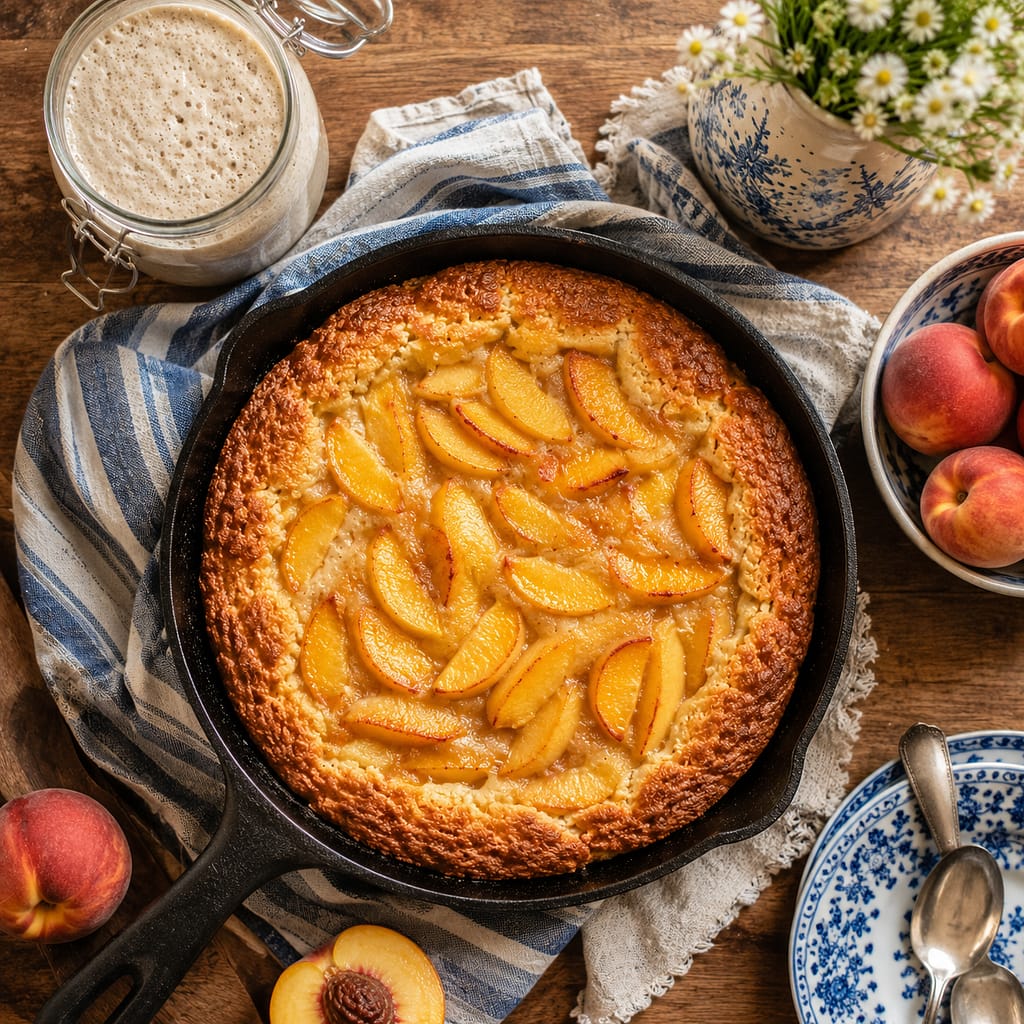
How to Make the Best Sourdough Peach Cobbler
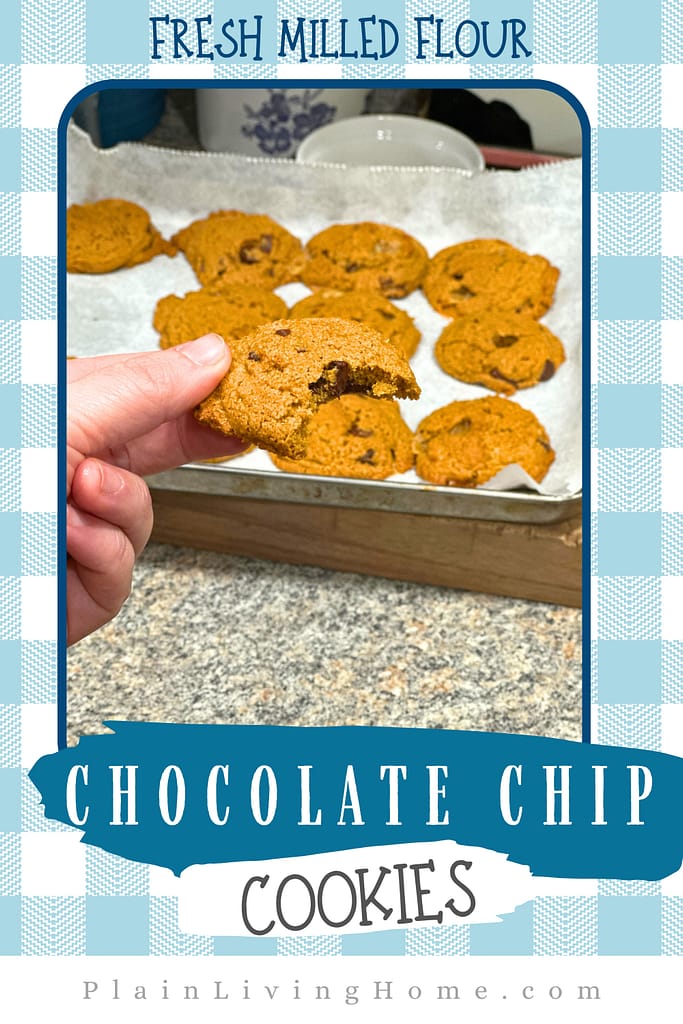
How to Make Chocolate Chip Sourdough Cookies
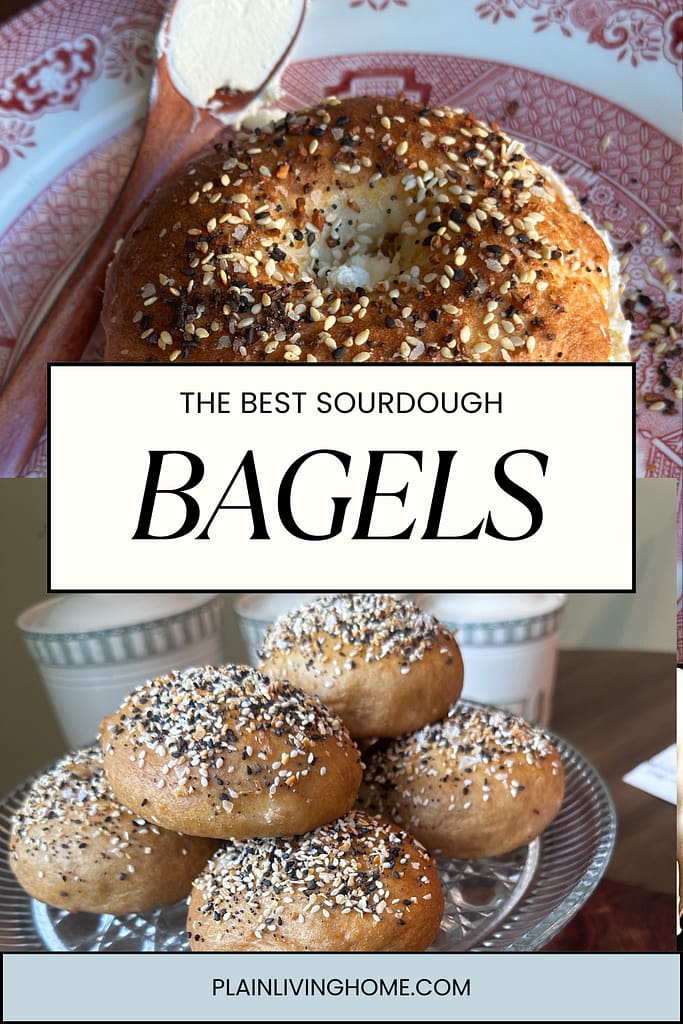
The Best Sourdough Bagel Recipe (Chewy & Easy Homemade Bagels)
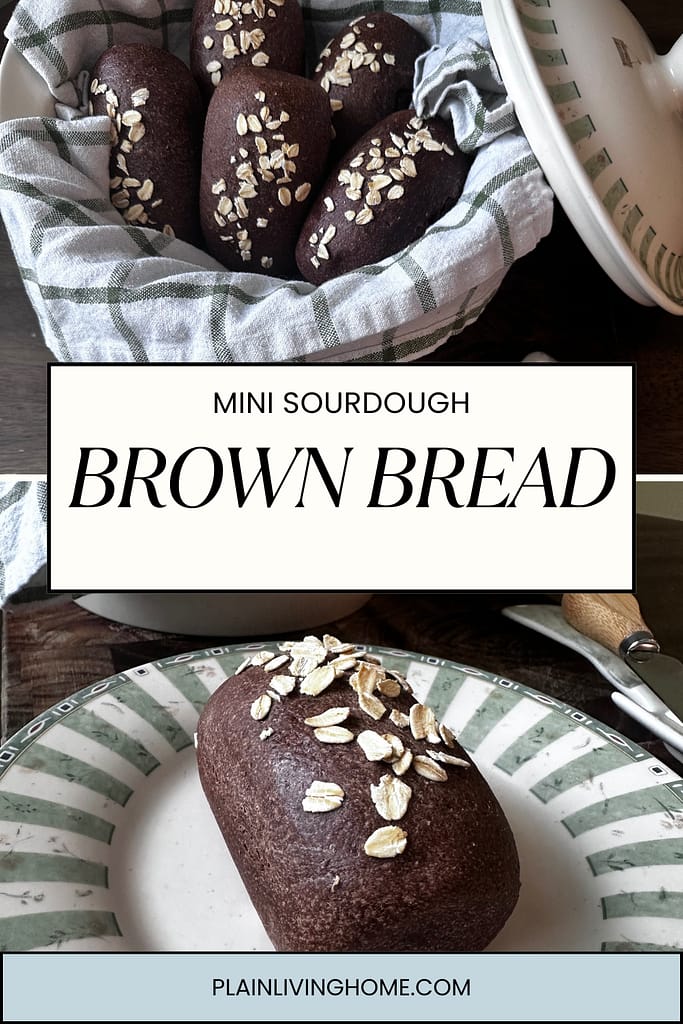
How to Make the Best Sourdough Brown Bread: Restaurant Style Mini Loaves
How to Make a Sourdough Starter: A Complete Beginner’s Guide

Easy Guide to Sourdough Hydration
Is Sourdough Bread Actually Healthier?
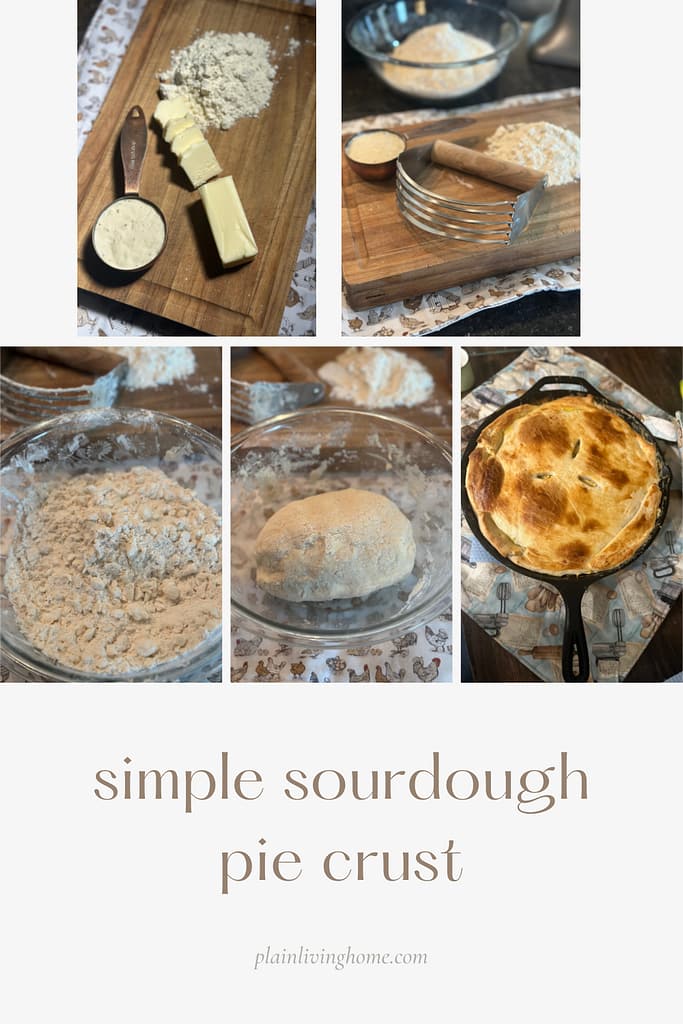
The Best Sourdough Pie Crust- Flaky and Layered with Butter

The Best Sourdough Cheddar Bay Biscuits
Sourdough Roundup FAQs
Almost. You can swap in starter or discard in many baked goods, but you may need to adjust flour and water to keep hydration balanced. You won’t necessarily get all the benefits unless you ferment the recipe.
You can use discard that’s a few days old (stored in the fridge). Fresher discard is milder; older discard has a stronger tang
Sourdough fermentation lowers gluten strength, reduces phytic acid, and can make bread easier to digest. It’s not gluten-free, but many find it gentler.
Keep a smaller starter (50 g), feed with smaller amounts, and use discard recipes so nothing goes to waste.

Kim is an adventurous mama of 5 who has been building new skills over 16 years of marriage. Over the past decade, she and her family have built a homestead from the ground up, starting with meat and egg chickens, growing into a large garden, and learning to preserve their harvest.
She taught herself to sew, crochet, and knit 13 years ago through books and early YouTube tutorials, and has been making handmade projects ever since.
Cooking from scratch became a necessity and a passion as her family learned to eat more nutritionally and live more frugally. She tests all of her sourdough and fresh milled flour recipes on the kids to ensure they’re delicious and nutritious.
At Plain Living, Kim shares what she’s actually lived — not theory, but the real skills she’s picked up through years of trial, error, and love for her family and home.