The Complete Sourdough Baking Guide — From Starter to Every Recipe in Your Kitchen
There is something deeply satisfying about sourdough baking — and I don’t just mean the bread. I mean the whole rhythm of it. Feeding your starter, watching it bubble and rise, smelling that distinctive tang as the dough ferments overnight. Sourdough is slow on purpose, and in a world that moves too fast, that slowness is part of the gift. This is the complete guide to sourdough baking!

We’ve been baking with sourdough in our home for years. What started as a single loaf of bread has grown into something that touches almost every corner of our kitchen — biscuits, pie crust, cookies, pop tarts, pancakes, and more. This guide is the starting point for all of it. Whether you’re brand new to sourdough or you’ve been baking for years and want to do more with your starter and your discard, everything you need is right here.
Bookmark this page. It will grow as our recipe collection grows, and it will always point you to the next thing worth making.
What Is Sourdough — And Why Does It Matter?
This is the Complete Guide to Sourdough. Naturally, I’ll being with defining the term itself.
Sourdough is bread leavened by wild yeast and beneficial bacteria rather than commercial yeast. The fermentation process that happens when flour, water, and a sourdough starter come together does something remarkable. It breaks down phytic acid in the grain, making the nutrients in the flour more bioavailable. The finished product becomes significantly easier to digest. The long ferment also reduces the glycemic impact of the baked goods — meaning less of a blood sugar spike than you’d get from a quickly made conventional recipe.
But beyond the nutrition, sourdough tastes better. The fermentation develops a depth of flavor — complex, slightly tangy, rich — that you simply cannot get from a quick dough. Once you taste the difference, it’s very hard to go back.
If you want to go deeper on the science, read my full post: Is Sourdough Actually Healthier? The Science Behind the Ferment

Start Here — Everything You Need to Know About Sourdough Starter
Before you can bake anything on this page, you need a sourdough starter. A starter is a living culture of wild yeast and bacteria that you feed with flour and water and use to leaven your baked goods. It sounds complicated. It isn’t. This wouldn’t be a complete sourdough baking guide without some simple instructions to make a starter.
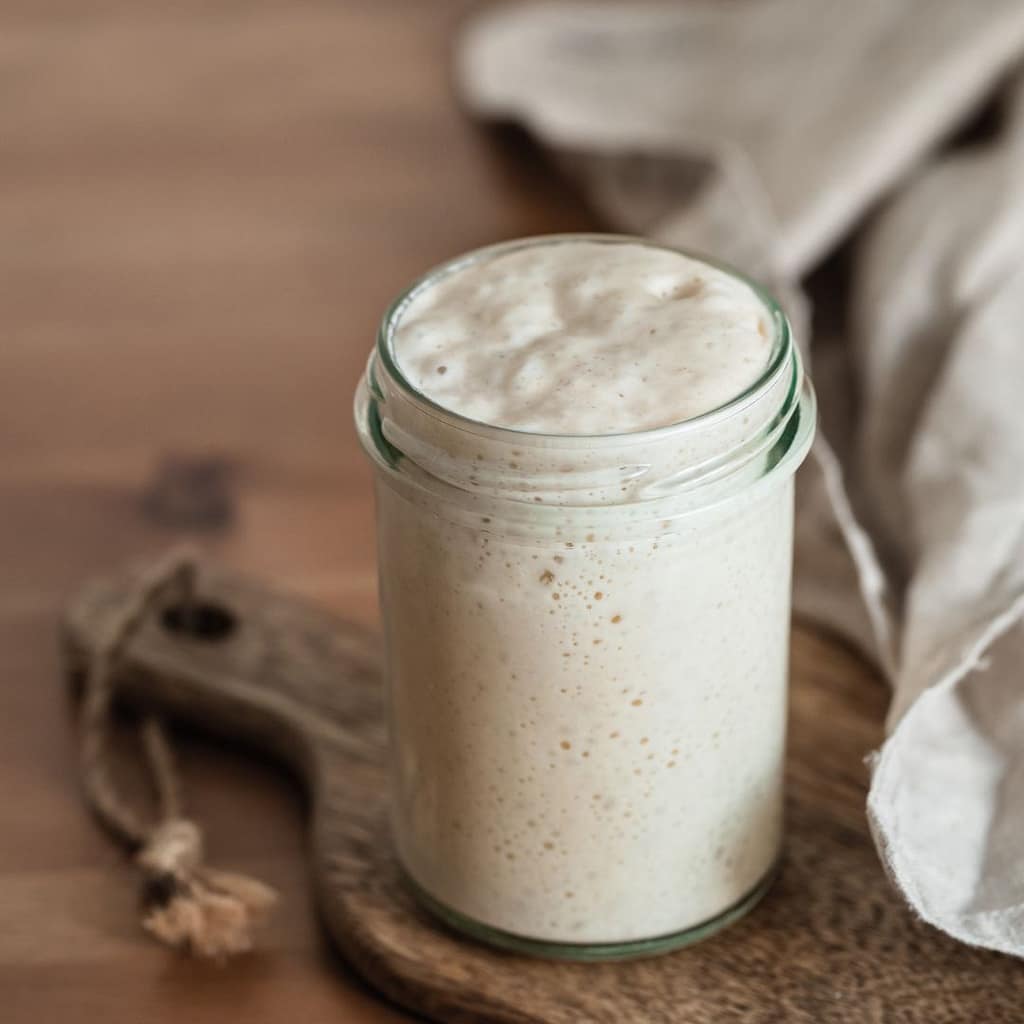
What you need to know about starter:
- A starter can be active and bubbly, recently fed, or straight-from-the-fridge discard — and most recipes on this site work with any of the above
- You don’t need a perfect starter to get started. You need a starter that exists. Feed it, use it, learn as you go.
- Discard — the starter you remove before each feeding — is not waste. It is an ingredient. We use it in almost everything.
Complete Guide to Sourdough Starter — How to Make, Feed, and Use It Start here if you are brand new to sourdough. This guide covers everything.
Sourdough Hydration — Understanding the Ratios
One of the most confusing parts of sourdough baking for beginners is hydration. Recipes reference 75% hydration dough, 100% hydration starter, stiff starter — and none of it makes intuitive sense until someone explains the math simply.
Hydration is just the ratio of water to flour in a recipe, expressed as a percentage. A 100% hydration starter means equal weights of flour and water at each feeding. A 75% hydration dough means for every 100 grams of flour, there are 75 grams of water. That ratio affects how the dough feels, how it handles, and how the finished crumb looks.
Easy Guide to Sourdough Hydration — The Numbers Explained Simply
How to Knead Sourdough Dough
Kneading builds the gluten network that gives your baked goods structure. For sourdough specifically, you have options: traditional kneading, stretch and fold, or a combination of both. Each method produces a slightly different result, and knowing which to use when makes a real difference in your finished loaf. There not room enough here in this sourdough baking guide, so Iw rot another post on kneading.
How to Knead Dough — A Beginner’s Guide (Includes Sourdough)
Sourdough Bread & Baked Goods — Every Recipe on the Site
This is the heart of the guide. Every sourdough recipe we’ve developed and tested in our kitchen, organized by category.
Sourdough Doughs & Bases
These are the foundational recipes — master these and every other sourdough recipe becomes easier.
Simple Sourdough Pie Crust — Flaky, Layered, All Butter The most versatile sourdough dough on the site. Use it for sweet or savory applications — pie, pop tarts, hand pies, and more. Works with starter at any stage.
For a practical loaf that teaches mixing, fermentation, shaping, proofing, and baking, try my fresh milled sourdough sandwich loaf. You can bake it in a loaf pan or shape it as an artisan-style bâtard.
Sourdough Biscuits & Savory Bakes
No sourdough baking guide could be complete without biscuits!
Flaky Sourdough Biscuits Buttery, pull-apart, fermented overnight for depth of flavor and better digestibility. The simplest addition to any meal — serve with butter and jam, ladle with gravy, or use as a pot pie topping.
Sourdough Cheddar Bay Biscuits Light, fluffy, cheesy, and topped with melted garlic butter. Think Red Lobster — but made from scratch with sourdough. Perfect alongside soups, stews, and salads.
Sourdough Biscuits on Chicken Pot Pie Use your sourdough biscuit dough as the topping for the coziest chicken pot pie you’ve ever made. The biscuits soak up the savory filling and bake up golden and perfect.
Sourdough Pastry & Sweet Treats
What’s a sourdough baking guide if it leaves out the sweet treats?
Sourdough Pop Tarts — Homemade, Flaky & Fermented A fermented pie crust dough wrapped around your favorite jam and topped with vanilla glaze. Kid approved, camping ready, and endlessly customizable. Use active starter or discard — both work perfectly.
Sourdough Chocolate Chip Cookies Soft, chewy, deeply flavored sourdough cookies that use up your discard beautifully. The fermentation adds a complexity to the cookie that makes them taste like something from a bakery.
Sourdough Cranberry White Chocolate Cookies A tangy, sweet twist on the classic — white chocolate chips, dried cranberries, and a hint of orange zest in a sourdough cookie base. These were taste-tested and fully approved by our pastor, which is the highest endorsement we know.
Sourdough Discard Recipes
Have discard and not sure what to do with it? These recipes were designed specifically to use sourdough at any stage — no active starter required.
All recipes above work with discard. Additional discard-specific recipes coming soon.
The Health Benefits of Sourdough Baking
We bake with sourdough for the flavor. But the health benefits are real and worth understanding — especially if you’re feeding a family and thinking carefully about what goes on the table.
The fermentation process in sourdough breaks down phytic acid — an antinutrient found in grains that binds to minerals and makes them harder for the body to absorb. When phytic acid is neutralized through fermentation, the minerals in the flour become more bioavailable. The long ferment also pre-digests some of the starches in the dough, which reduces the glycemic response and makes sourdough significantly easier on the digestive system than conventionally leavened bread.
This doesn’t make sourdough a health food in the conventional sense — there is still sugar in the cookies and butter in the biscuits. But it does mean that when you choose sourdough over a conventional quick recipe, you are making a meaningfully better choice for your family’s nutrition.
Is Sourdough Actually Healthier? The Full Breakdown
Sourdough as a Gift — The Sourdough Gift Basket
One of the most thoughtful food gifts you can give someone is a sourdough gift basket. A jar of active starter, a batch of sourdough biscuits or pop tarts wrapped in parchment, a jar of homemade jam, and a printed card with your favorite recipe — it’s personal, practical, and genuinely useful in a way that a store-bought gift basket never is.
How to Put Together a Sourdough Gift Basket
Sourdough Baking Tips — What I’ve Learned After Years in the Kitchen
A few things I wish someone had told me when I started:
Your starter doesn’t have to be perfect.
The most paralyzing myth in sourdough baking is that you need a perfectly active, beautifully bubbly starter to bake anything. You don’t. Discard works. Neglected starter works. Use what you have and learn as you go.
The overnight ferment is your friend.
Most of the recipes on this site are designed to be mixed the night before and baked fresh in the morning. The hands-on time is minimal — usually under fifteen minutes — and the ferment does its best work while you sleep.
Fermentation time is flexible.
A one-hour ferment is the minimum for most recipes. Eight to twelve hours in the fridge is the sweet spot for flavor. Up to a week in the fridge for pie crust dough. The longer the ferment within reason, the better the flavor and the more digestible the result.
Cold butter is non-negotiable for pastry.
In biscuits, pie crust, and pop tarts, the flakiness comes entirely from cold butter creating steam in a hot oven. If the butter warms up, the layers disappear. Work quickly, keep everything cold, and your pastry will reward you every time.
Sourdough makes everything better.
Once you start thinking of sourdough as an ingredient rather than a specific bread style, your whole kitchen opens up. Cookies. Crackers. Pancakes. Pop tarts. Pie crust. Wherever flour goes, sourdough can follow.
What to Make Next
If you’re just getting started, work through this list in order:
- Make your starter → Complete Sourdough Starter Guide
- Bake your first biscuits → Flaky Sourdough Biscuits
- Use your discard for something fun → Sourdough Pop Tarts
- Master the pastry dough → Simple Sourdough Pie Crust
- Bake something sweet → Sourdough Chocolate Chip Cookies
New to sourdough? Grab access to our free resource library — it includes guides, printables, and our favorite sourdough tools to help you get started. And when you make something from this guide, come back and leave a comment. There is nothing better than hearing that a recipe found its way into someone’s kitchen and stayed there.
