Baking Basics: Essential Skills for Better From-Scratch Baking
Baking from scratch does not have to be complicated. Once you understand a few basic skills—how to measure ingredients, work with different types of flour, develop gluten, recognize properly risen dough, and tell when something is fully baked—you can approach almost any recipe with more confidence.
This collection of baking basics for beginners brings together the practical lessons I’ve learned while baking bread, sourdough recipes, muffins, biscuits, pastries, and other homemade foods for my family. You’ll find straightforward explanations, helpful troubleshooting tips, and step-by-step guides that take the guesswork out of baking.
Whether you are opening your first bag of flour, learning to maintain a sourdough starter, or beginning to mill wheat berries at home, start with the guides below and build your skills one recipe at a time.
Start With These Essential Baking Skills
These foundational guides explain the techniques and ingredients that affect nearly every recipe. Start with the topic that matches what you are baking today, then return whenever you need help troubleshooting your dough, flour, or fermentation.
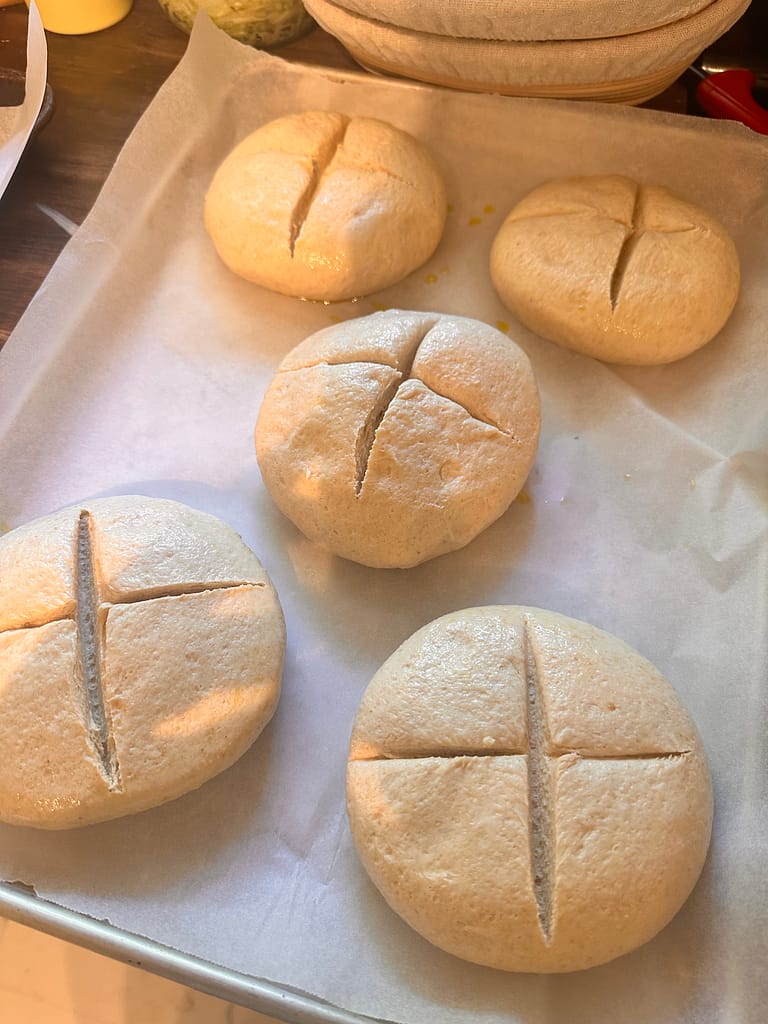
How to Knead Dough
Learn how to knead bread dough by hand or with a stand mixer, recognize proper gluten development, and avoid common kneading mistakes.

Understanding Dough Hydration
Understand baker’s percentages, calculate dough hydration, and learn why different flours can make the same recipe feel stickier or more crumbly.
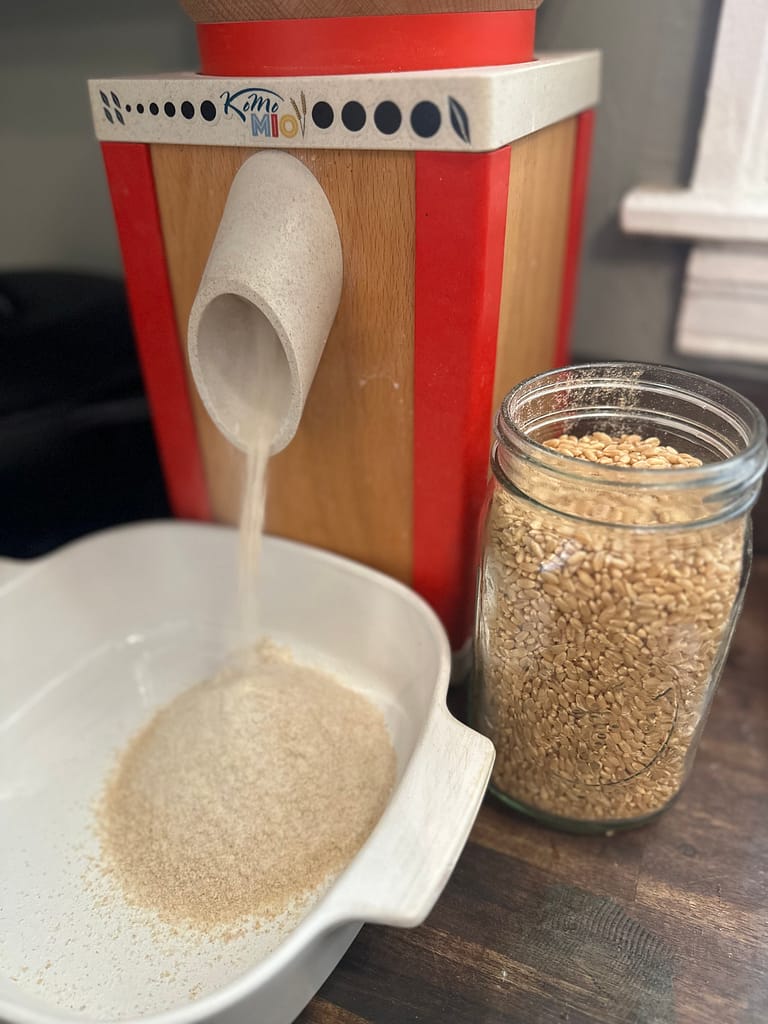
Getting Started with Fresh Milled Flour
Discover what fresh-milled flour is, how different wheat varieties behave, and what to expect when replacing store-bought flour in your baking.
Choose What You Want to Bake
Whether you want to bake with freshly milled flour, learn sourdough, make homemade bread, or prepare something sweet, choose a collection below to find the recipes and beginner-friendly guidance you need.
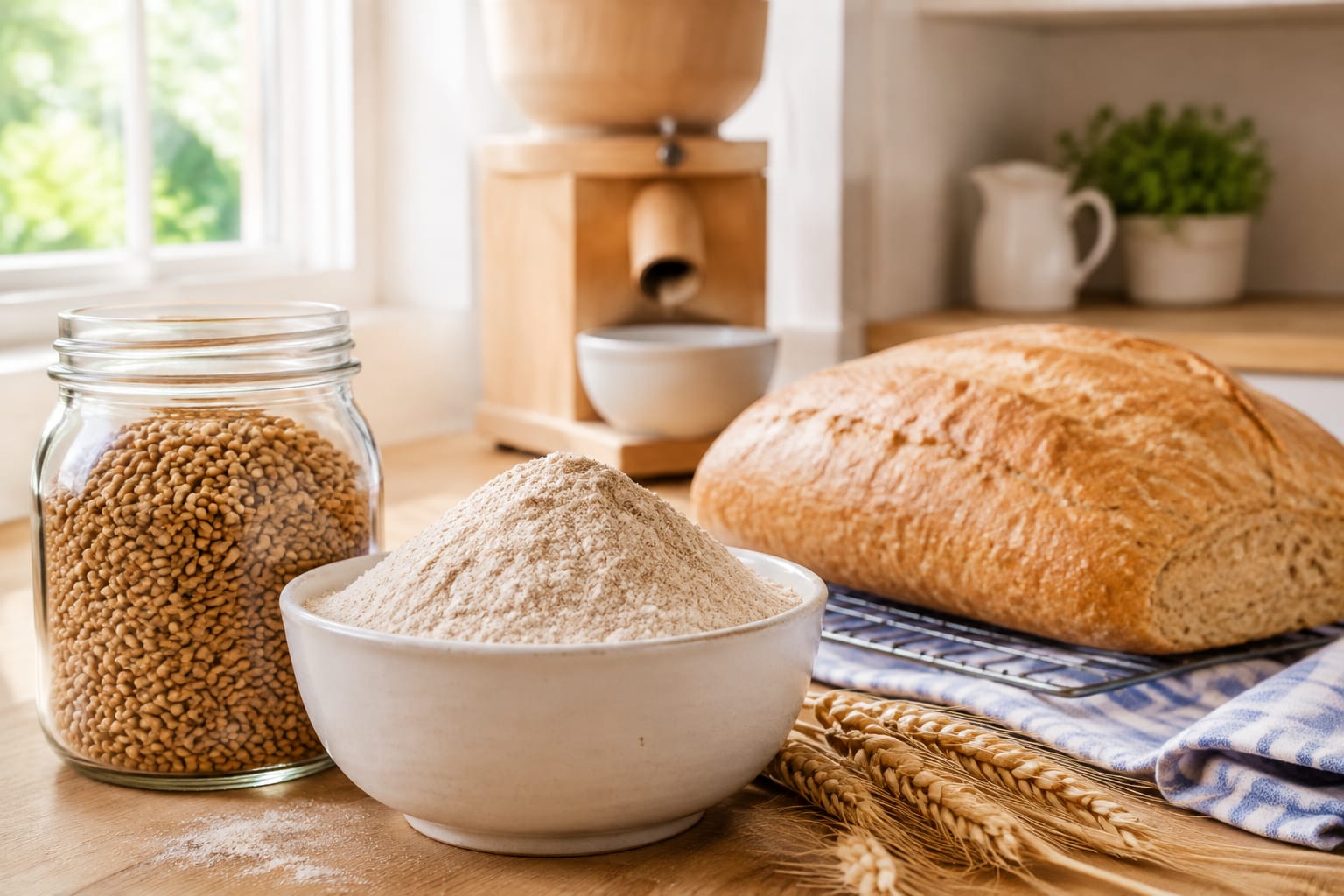
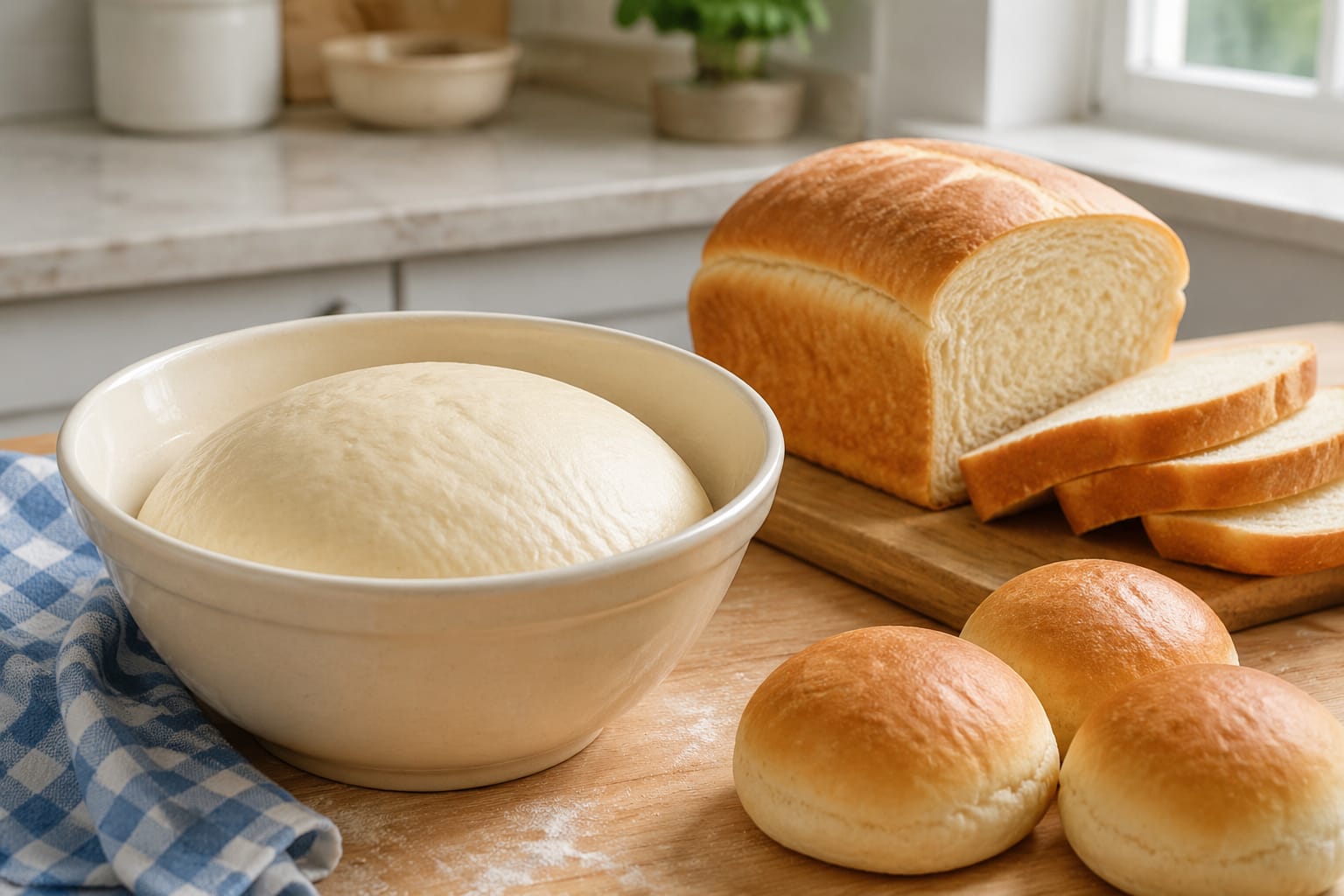
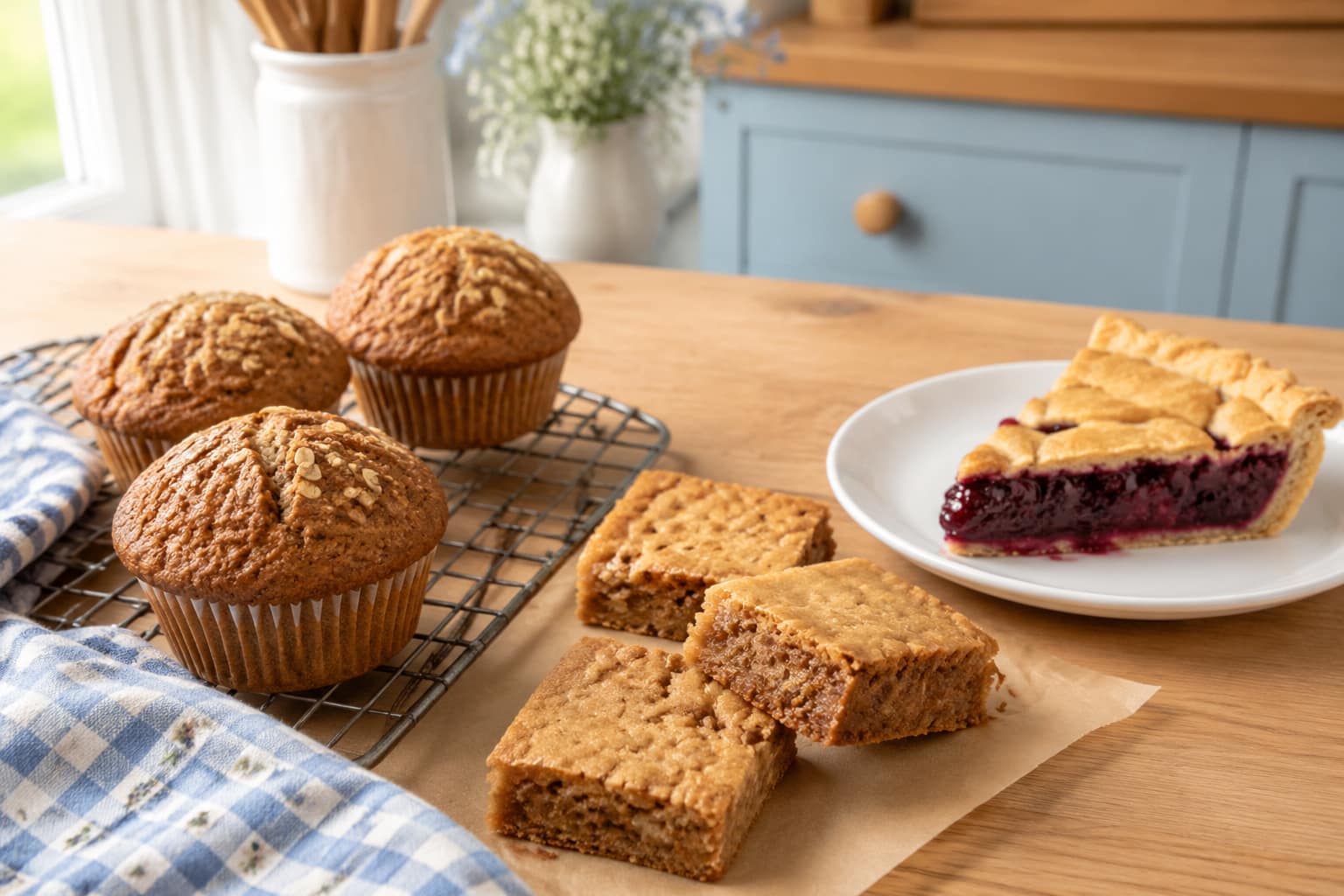
Fresh Milled Flour Baking
Freshly milled flour adds rich flavor and whole-grain nutrition to everyday baking. These beginner-friendly guides and recipes will help you choose wheat berries, adjust your measurements, and start making dependable breads, muffins, and treats with flour milled at home.
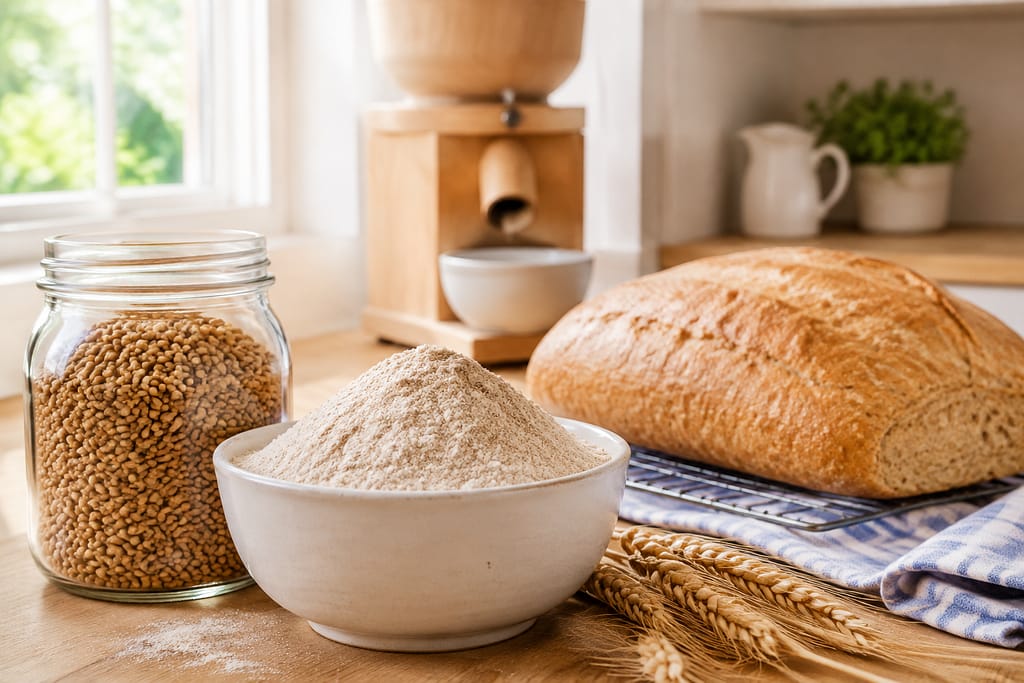
Fresh Milled Flour for Beginners
Learn what fresh-milled flour is, which wheat berries to use, and how to substitute it in your favorite recipes.
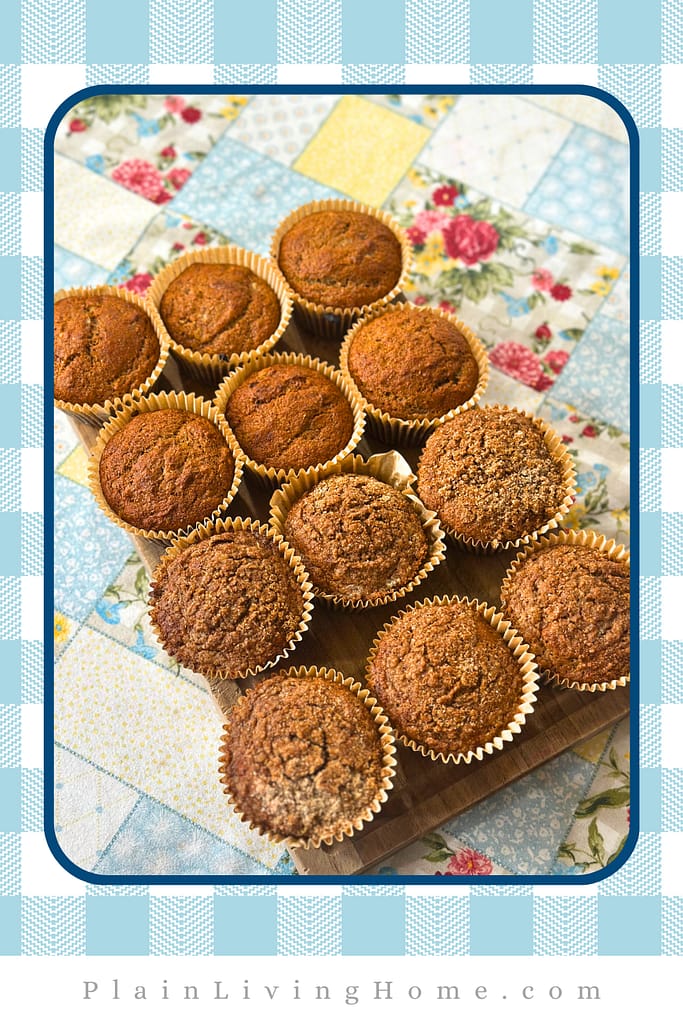
Fresh Milled Banana Muffins
Turn overripe bananas into wholesome, freezer-friendly muffins made with freshly milled wheat or spelt.

Fresh Milled Flour Blondies
These rich, chewy blondies are an easy introduction to baking desserts with freshly milled flour.
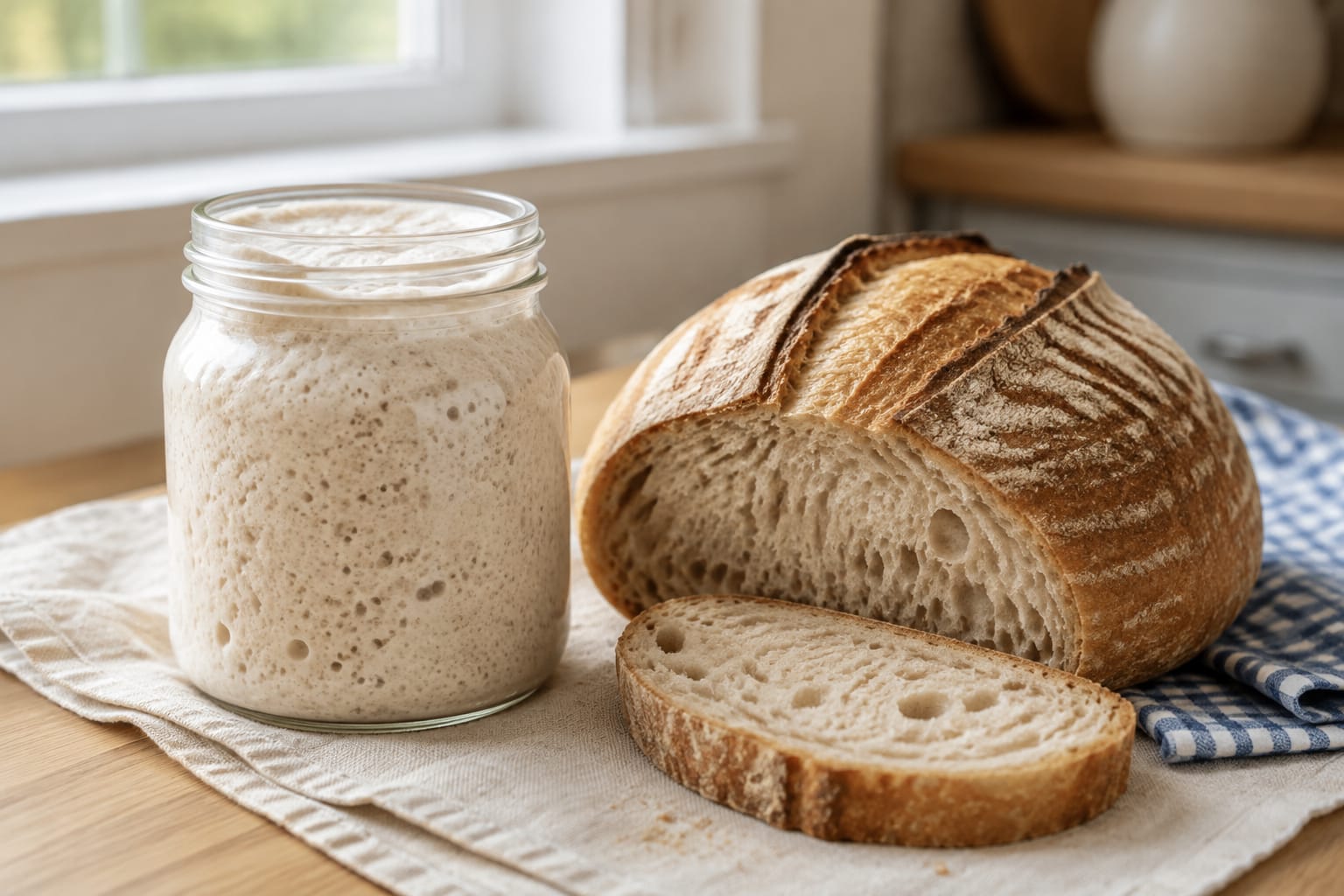
Sourdough Baking For Beginners
Sourdough baking becomes much easier once you understand your starter, fermentation, and dough consistency. Start with these practical guides and dependable recipes to build confidence while making delicious sourdough for your family.

Sourdough Starter for Beginners
Learn how to make, feed, maintain, and troubleshoot a healthy sourdough starter from flour and water.
Understanding Dough Hydration
Understand hydration percentages, why dough feels wet or dry, and how flour choice affects your finished bread.
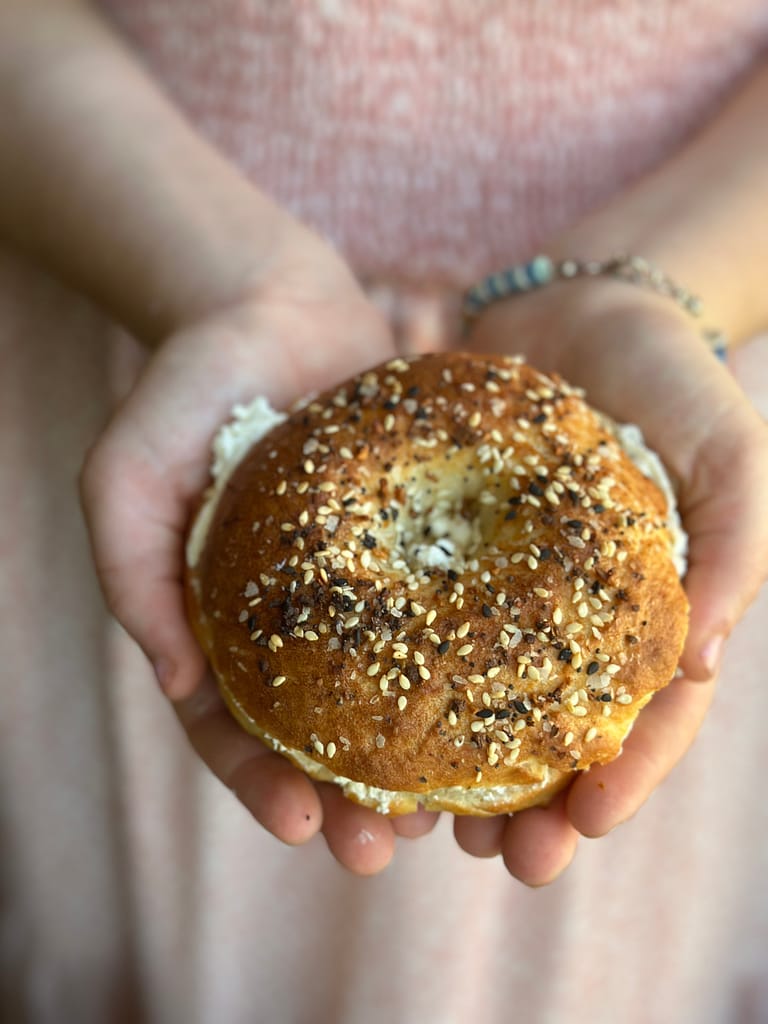
Easy Sourdough Bagels
Practice mixing, kneading, fermenting, shaping, and boiling dough with this dependable family-favorite bagel recipe.
Homemade Bread and Dough Recipes
Once you understand how dough should look and feel, you can use the same basic skills to make breads, rolls, buns, pretzels, and other family favorites. These approachable recipes will help you practice kneading, shaping, proofing, and baking homemade bread.

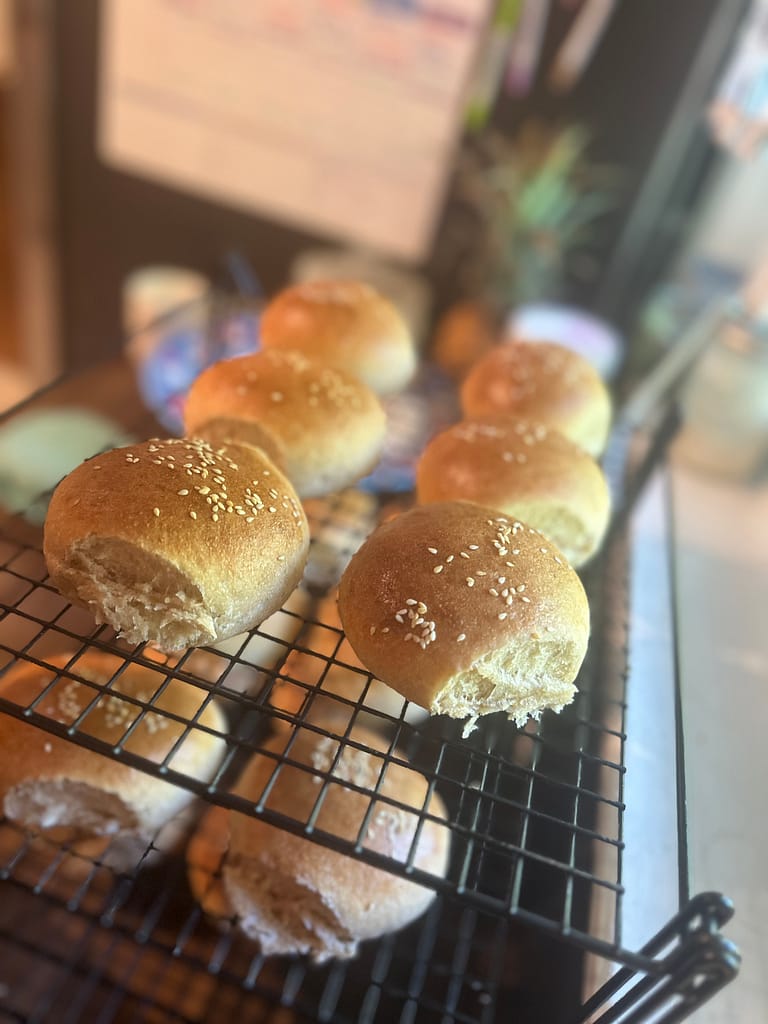
Soft Homemade Burger Buns
Learn how to mix, knead, proof, and shape soft sourdough buns that are sturdy enough for burgers and sandwiches.
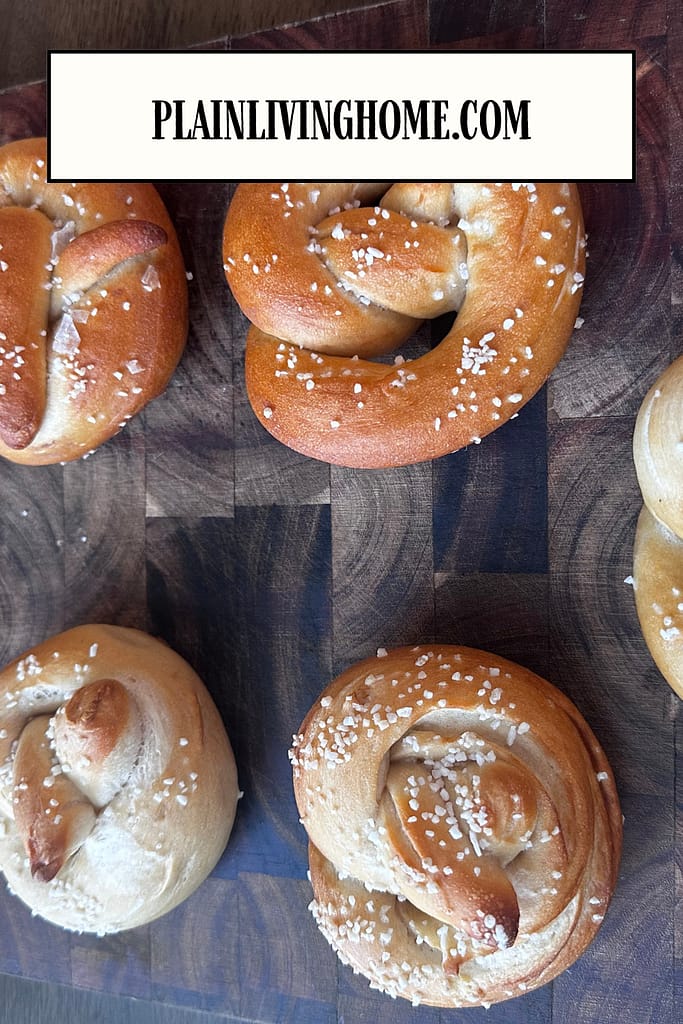
Homemade Soft Pretzels
Practice shaping dough and creating a chewy, golden crust with these family-friendly homemade sourdough pretzels.
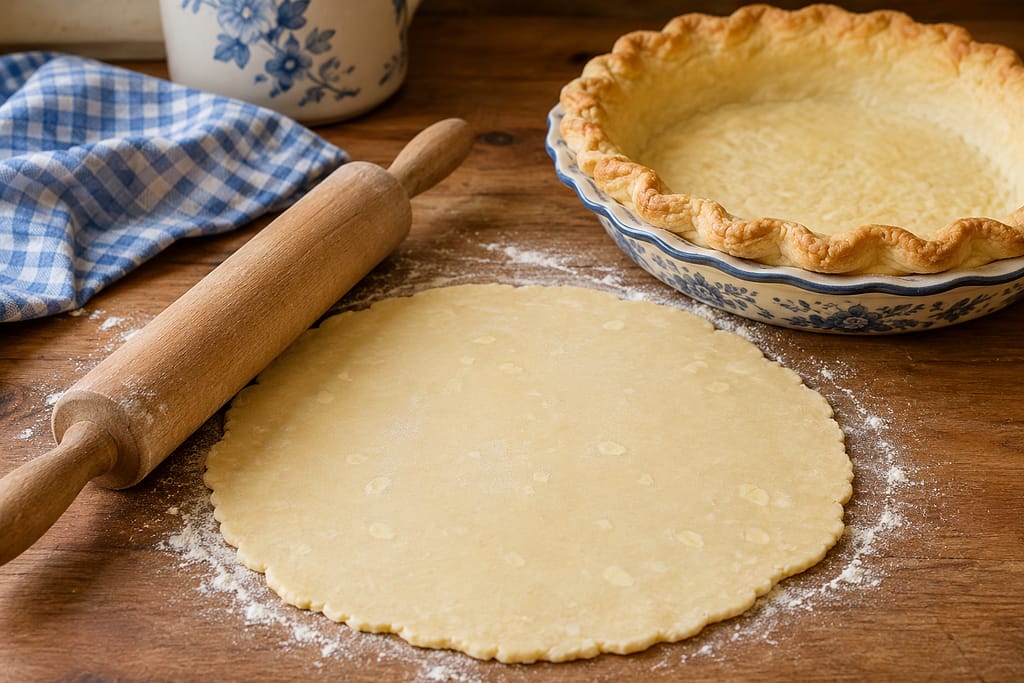
Homemade Pie Crust
Learn to mix, chill, roll, and shape a buttery sourdough pie crust for sweet pies, savory pies, and hand pies.
Muffins, Bars, and Easy Desserts
Not every baking project requires kneading or a long fermentation. Muffins, bars, cookies, and simple desserts are excellent choices for new bakers because they use straightforward mixing methods and familiar pantry ingredients.
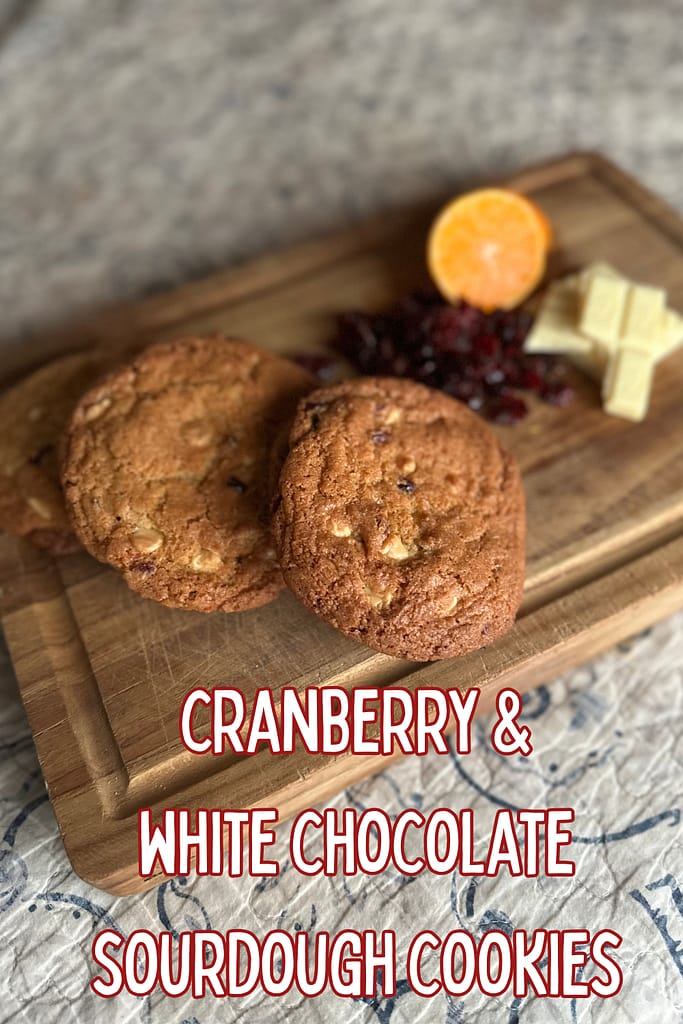
Sourdough Cookies
Bake soft, chewy cranberry and white chocolate cookies while using sourdough starter and freshly milled flour in a familiar dessert.
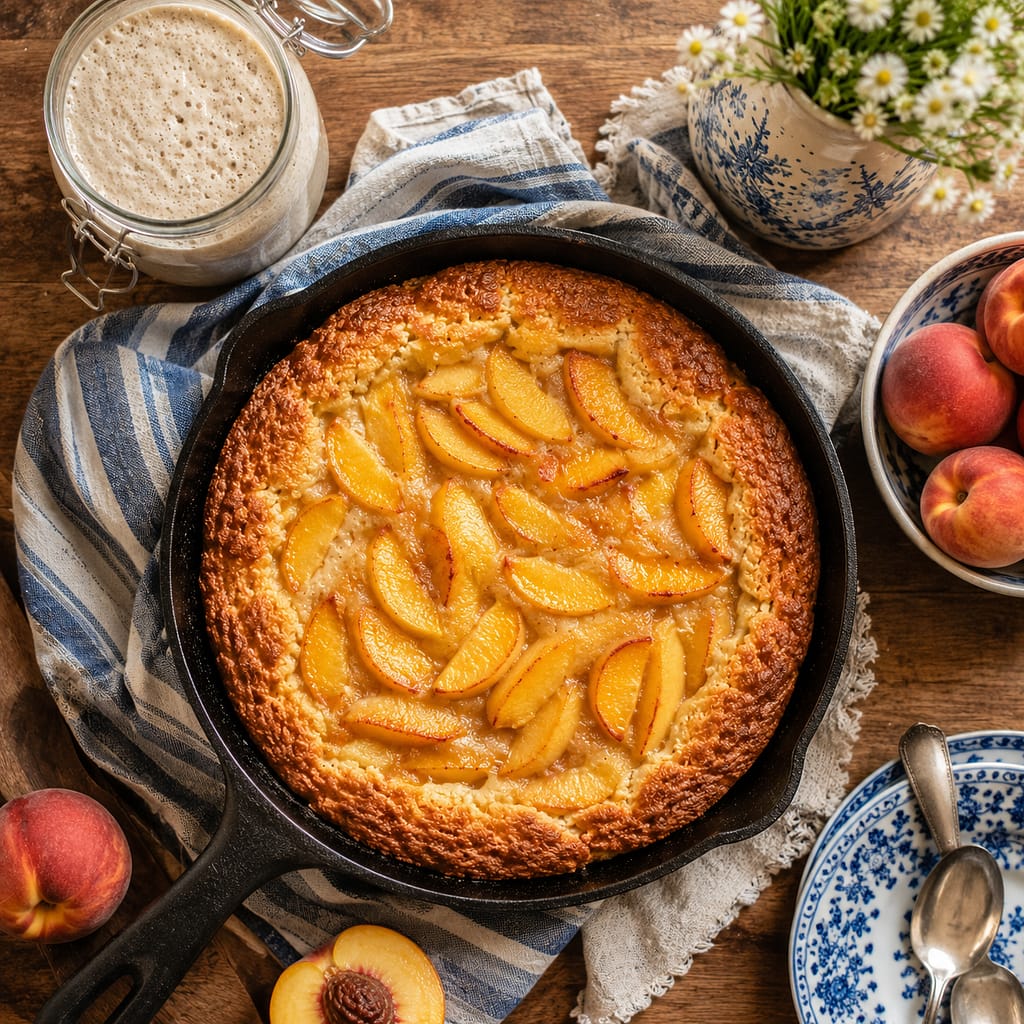
Easy Sourdough Peach Cobbler
Practice making a simple homemade fruit dessert with a tender sourdough topping and sweet, juicy peaches.

Easy Cool Whip Pies
Whip up these super simple pies any time you’re in a hurry, but still want to have a delicious dessert to serve.
Simple Baking Tips for Better Results
Good baking is less about being naturally talented and more about learning a few dependable habits. Use these simple practices to make your recipes more consistent:
- Read the entire recipe before beginning.
- Measure ingredients carefully, preferably with a kitchen scale.
- Preheat the oven completely before adding your food.
- Avoid adding extra flour before the dough or batter has had time to hydrate.
- Use room-temperature ingredients when the recipe recommends them.
- Check baked goods near the earliest suggested baking time.
- Allow bread, bars, and desserts to cool as directed before slicing.
- Write down any changes you make so you can repeat successful results.
Common Baking Problems and Quick Fixes
| Common Issue | Likely Cause | What to Try |
| Bread or muffins are dense | Too much flour, weak leavening, or insufficient rising time | Measure carefully, check your yeast or starter, and allow the dough to rise fully. |
| Dough is too sticky | High hydration or flour has not absorbed the liquid yet | Let the dough rest before adding flour, then use wet or lightly oiled hands. |
| Baked goods are dry | Too much flour or excessive baking time | Weigh the flour when possible and begin checking at the earliest suggested baking time. |
| Bread spreads instead of rising | Weak gluten development, over-proofing, or loose shaping | Knead until elastic, watch the dough rather than the clock, and shape it with more surface tension. |
Baking Basics Frequently Asked Questions
Muffins, cookies, blondies, and simple sandwich bread are good beginner baking projects. They use basic mixing methods and help you practice measuring ingredients, recognizing doneness, and becoming comfortable with your oven.
Yes. A kitchen scale provides more consistent measurements than cups, especially for flour. Flour can become compacted inside a measuring cup, causing you to add more than the recipe intended.
A short rest gives flour time to absorb moisture. This is especially helpful when using whole-grain or freshly milled flour because the bran needs additional time to hydrate.
Dense bread can result from too much flour, insufficient kneading, weak yeast or sourdough starter, or dough that did not rise long enough. Watch how the dough looks and feels instead of relying only on the clock.
Yes, but fresh-milled flour weighs and absorbs moisture differently from all-purpose flour. For reliable results, use a recipe developed for fresh-milled flour or substitute by weight and allow the mixture time to hydrate before making adjustments.
Keep Building Your Baking Skills
Every batch teaches you something new. Begin with one dependable recipe, pay attention to how the ingredients and dough behave, and keep practicing. Before long, you will be able to recognize when bread has risen enough, when dough needs more kneading, and when a recipe is ready to come out of the oven. Put several essential bread skills into practice with this fresh milled flour sourdough sandwich bread recipe. It covers kneading, bulk fermentation, shaping, proofing, steam, and testing a loaf for doneness.
