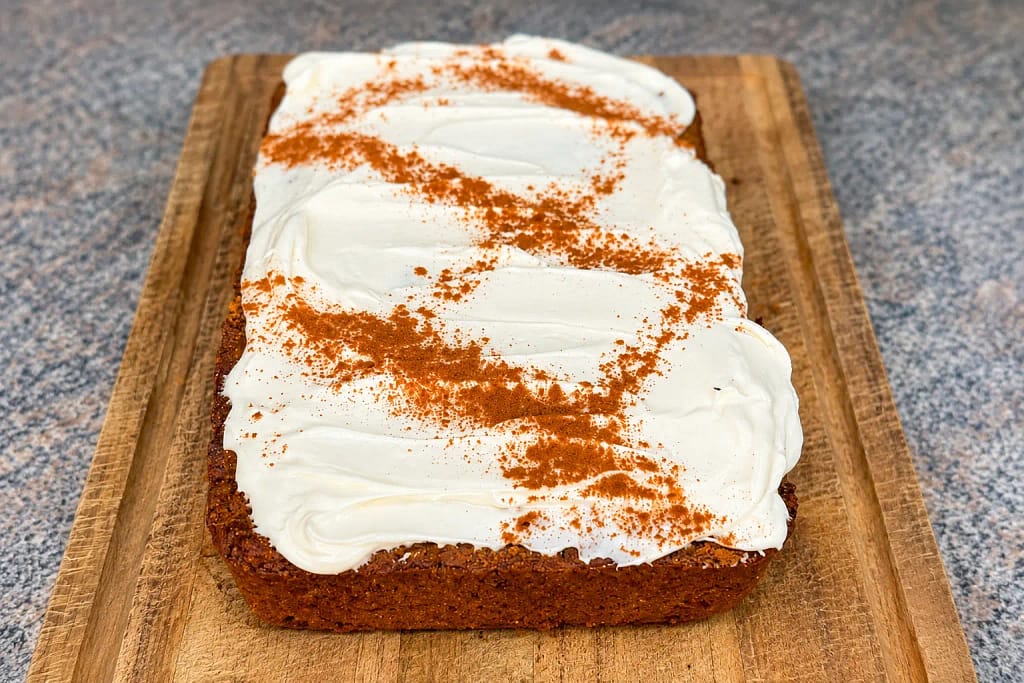
Fresh Milled Flour Recipes for Beginners

Fresh milled flour recipes become much easier once you know which wheat berry to use and how freshly ground flour behaves. The flavor is fuller than store-bought flour, it may absorb liquid differently, and each type of wheat works best in particular recipes.
When I first began milling wheat at home, I had to learn which grains made soft muffins, sturdy bread, chewy cookies, and tender cinnamon rolls. This page brings all of my fresh milled flour recipes together in one place so you can spend less time searching and more time baking.
You’ll find recipes for homemade breads, breakfast foods, muffins, sourdough, cookies, desserts, and other family favorites. I’ll also help you choose the right grain for each recipe and explain the small adjustments that make fresh milled flour easier to use.
New to milling wheat? Begin with my complete introduction to fresh milled flour to learn how it is made, how to store wheat berries, and how to begin replacing conventional flour.
Fresh milled flour recipes for beginners
You don’t need to replace every bag of flour in your kitchen at once. Start with one familiar recipe, learn how the dough or batter should feel, and make small adjustments from there.
Freshly milled flour continues absorbing moisture after it is mixed. Giving dough or batter a short rest before adding more flour can prevent dry, heavy baked goods. Weighing the flour is also more dependable than measuring it by volume.
For the best results, follow the grain recommendation included with each recipe. Different wheat berries contain different amounts of protein and produce noticeably different textures.
Which wheat berries should you use?
Hard white wheat has a mild flavor and enough protein for sandwich bread, rolls, pizza dough, cinnamon rolls, and many everyday yeast breads.
Hard red wheat has a deeper, more traditional whole-wheat flavor. It works well for hearty bread, sourdough, rolls, and recipes where you want a stronger wheat flavor.
Soft white wheat contains less protein and produces more tender baked goods. It is a good choice for muffins, pancakes, biscuits, cookies, cakes, and quick breads.
Ancient grains, including spelt and einkorn, add distinctive flavor but may handle differently from modern wheat. Use a recipe written specifically for that grain until you become familiar with it.
New to Fresh Milled Flour? Start Here
resh milled flour behaves differently from store-bought flour, but you do not need to master everything at once. Follow these guides in order to learn how to choose grain, measure flour, hydrate dough, knead properly, and recognize a complete rise.
- Start with the Complete Fresh Milled Flour Guide
- Learn what fresh milled flour is, how home grain milling works, and how different wheat berries affect your baking. Review Baking Basics for Beginners
- Build a foundation for measuring, mixing, handling dough, and following from-scratch recipes successfully. Learn How to Measure Flour Correctly
- Avoid dry, heavy baked goods by understanding weight measurements and the differences between fresh milled and all-purpose flour. Learn How to Knead Dough
- Recognize properly developed gluten and understand why fresh milled bread dough may require additional kneading. Learn How to Tell When Dough Has Risen Enough
- Use the dough’s appearance and feel instead of depending only on a timer.
Browse my fresh milled flour recipes
Fresh milled flour breakfast recipes
These breakfast recipes are a simple place to begin baking with freshly ground wheat. They are family-friendly, freezer-friendly, and made with familiar ingredients.
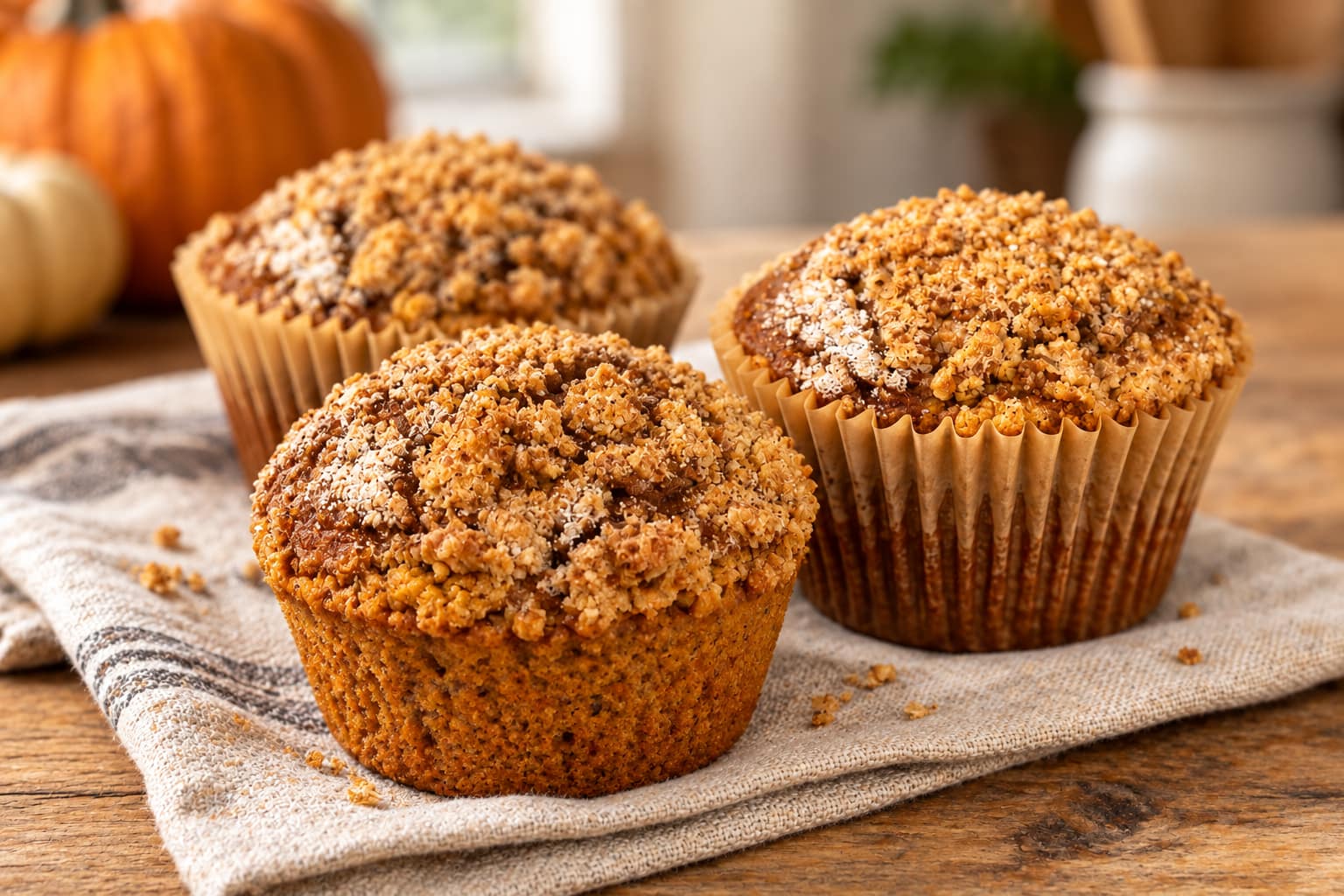
- Banana Muffins with Fresh Milled Flour – These soft, filling muffins can be made with spelt, soft white wheat, or hard red wheat. They are perfect for using overripe bananas and make an easy grab-and-go breakfast.
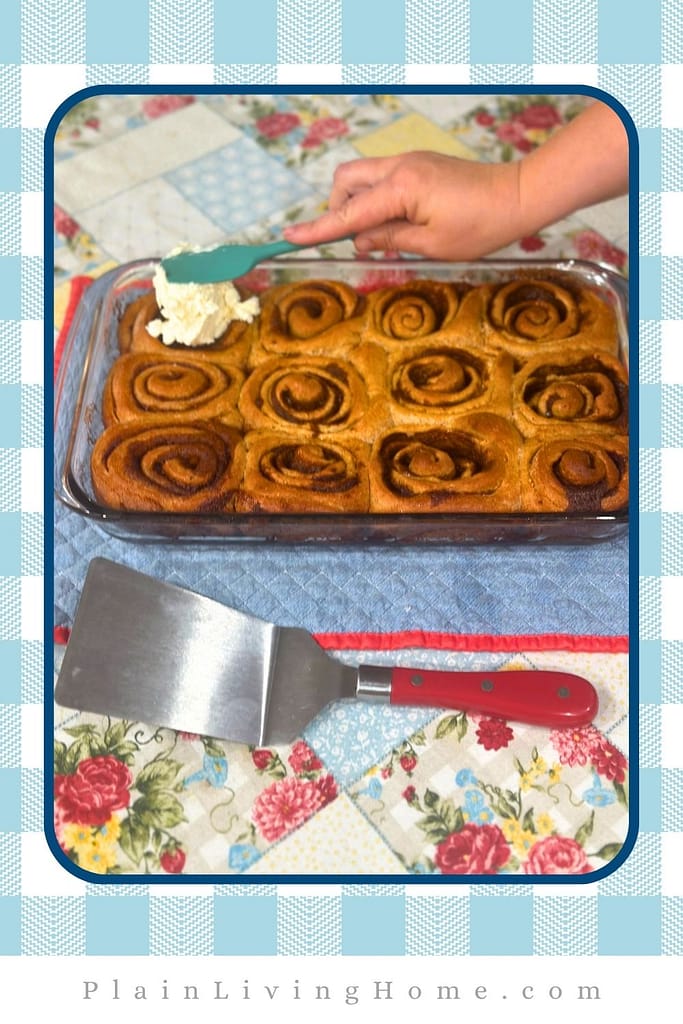
- Cinnamon Rolls with Fresh Milled Flour – Soft homemade cinnamon rolls made with freshly milled wheat or spelt and finished with sweet buttercream icing.
Fresh milled flour sourdough recipes
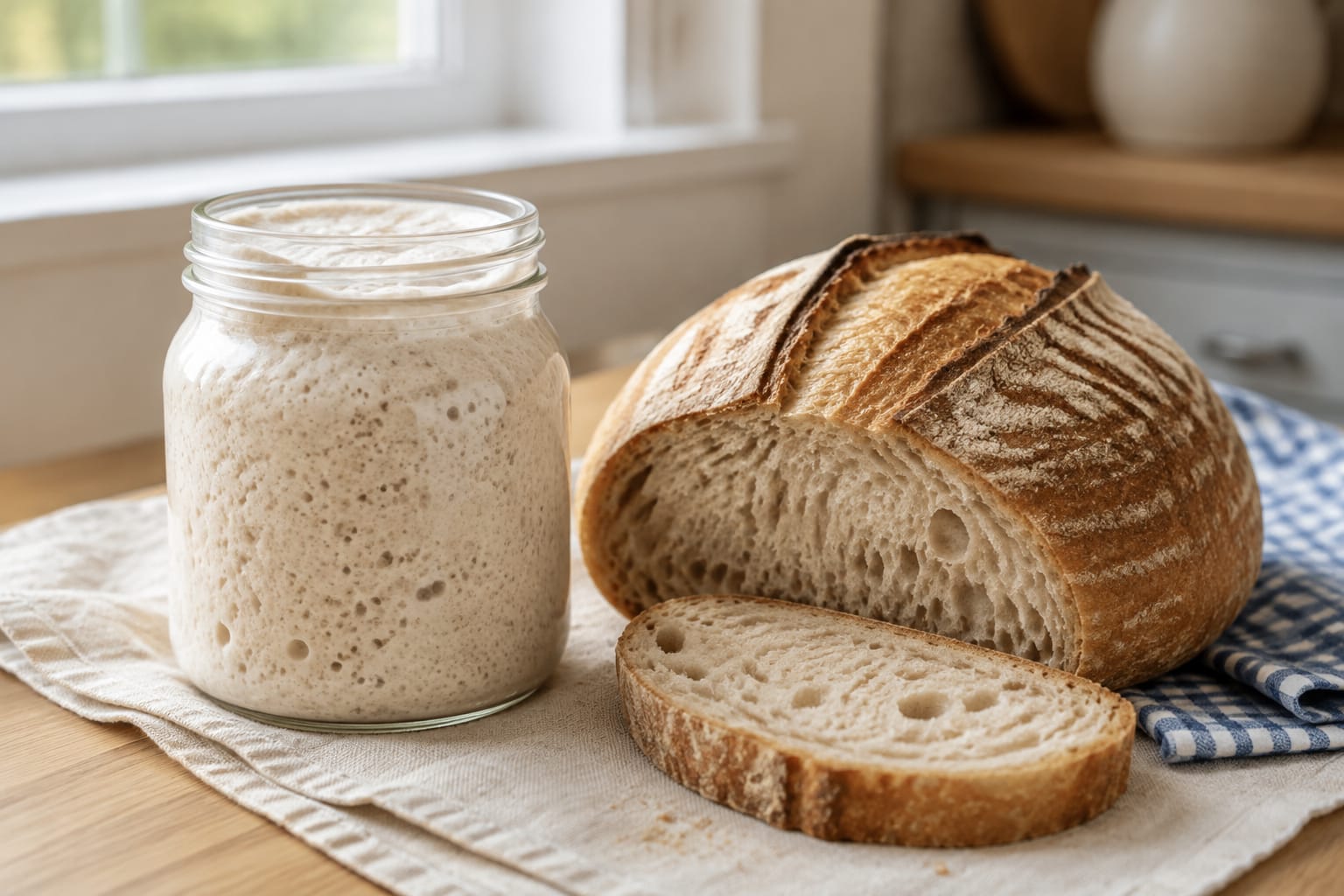
Fresh milled flour and sourdough work beautifully together. These recipes use freshly milled grain alongside an active starter or sourdough discard.
- Homemade Sourdough Bagels – Chewy, glossy bagels made with fresh-milled wheat and all-purpose flour. The recipe can also be made with freshly milled spelt.
- Chocolate Chip Sourdough Cookies – A family-favorite sourdough cookie with fresh-milled flour, chocolate chips, and a soft, chewy center.
- Sourdough Cranberry and White Chocolate Cookies – Fresh-milled soft white wheat, sourdough starter, white chocolate, cranberries, and orange zest make these cookies sweet, tangy, and bright.
- Flaky Sourdough Pie Crust – An all-butter pastry crust that works with all-purpose flour, fresh-milled hard red wheat, or fresh-milled soft white wheat.
Fresh milled flour desserts and snacks
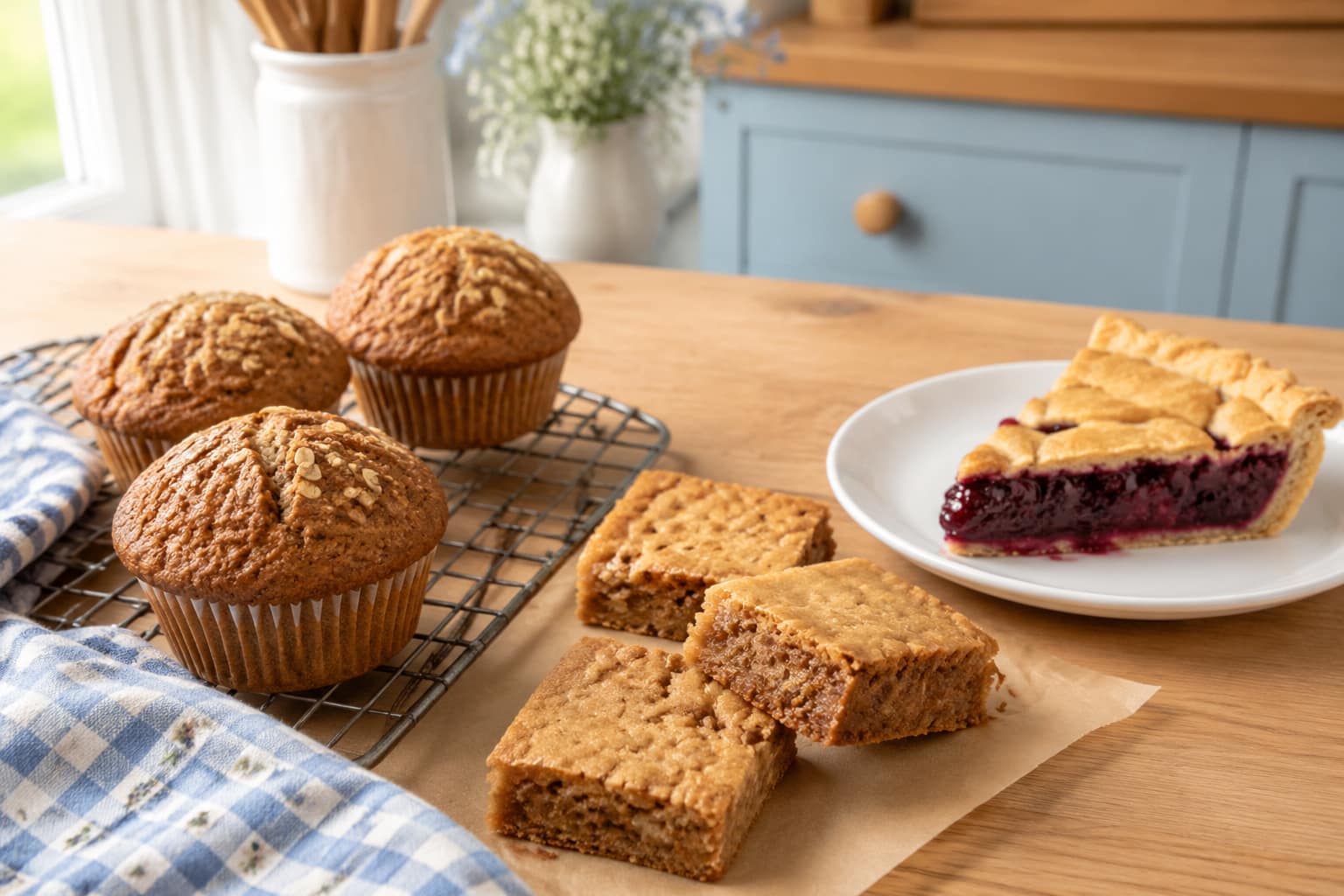
Freshly milled flour is not limited to bread. Soft white wheat and spelt are especially useful for cookies, bars, muffins, and other tender baked goods.
- White Chocolate Cranberry Bars – Chewy homemade snack bars made with oats, fresh-milled flour, cashews, honey, cranberries, and white chocolate.
- How to Make Fresh Milled Flour Blondies That People Beg For– Buttery, gooey blondies made with fresh milled flour and coconut sugar. This easy one-bowl dessert has been tested with hard red wheat, soft white wheat, and spelt.
I am continually adding new recipes to this collection. Save this page and return for fresh-milled sandwich bread, biscuits, pizza crust, dinner rolls, seasonal desserts, and more.
Tips for baking with fresh milled flour
Fresh milled flour is not difficult to use, but it does behave differently from store-bought all-purpose flour. These are the adjustments that have made the biggest difference in my own baking.
Measure fresh milled flour by weight
A kitchen scale produces more consistent results than measuring flour with cups. The weight of freshly milled flour can vary depending on the grain, how finely it was milled, and how much it settled.
In my recipes, I use these conversions unless otherwise noted:
- 1 cup all-purpose flour equals approximately 120 grams.
- 1 cup freshly milled hard red wheat flour equals approximately 140 grams.
Soft white wheat, spelt, rye, and other grains may weigh differently. Follow the measurements included in each recipe whenever possible.
Give the flour time to absorb moisture
Freshly milled flour continues absorbing liquid after it is mixed. A batter or dough that initially looks too wet may become noticeably thicker after resting.
For muffins, cookies, pancakes, and quick breads, let the mixed batter rest for approximately 10–20 minutes before adding more flour. Bread dough may benefit from a 20–30 minute rest before its final kneading.
Avoid adding too much flour
One of the easiest ways to make fresh milled bread dry or dense is to add extra flour too quickly. If the dough feels sticky, give it time to rest before making an adjustment.
When more flour is necessary, add it a tablespoon at a time. The finished dough should generally feel soft and slightly tacky rather than stiff and dry.
Choose the right grain for the recipe
Hard wheat contains more gluten-forming protein and works best for recipes that need structure, including sandwich bread, rolls, pizza crust, and yeast bread.
Soft white wheat contains less protein and is better for tender recipes such as muffins, pancakes, biscuits, cookies, cakes, and pie crust.
Spelt can work in both breads and desserts, but its gluten is more delicate. Mix it gently and avoid adding more flour than necessary.
Read my complete fresh milled flour guide for more information about choosing wheat berries and milling flour at home.
Develop enough gluten in bread dough
Bread made with freshly milled wheat may need additional kneading because the bran can interfere with gluten development. Instead of depending only on a timer, watch the dough.
Properly kneaded dough should become smoother, feel elastic, and stretch without immediately tearing. My beginner’s guide to kneading dough explains how to recognize properly developed dough by hand or with a stand mixer.
Expect small differences between batches
Wheat berries are an agricultural product, so different varieties and harvests can absorb slightly different amounts of water. Kitchen temperature, humidity, milling texture, and measuring methods can also affect a recipe.
Pay attention to the texture described in each recipe and make small adjustments when needed. With practice, you will begin recognizing what properly hydrated dough and batter should feel like.
Let baked goods cool before slicing
Fresh milled bread and other baked goods continue setting after they leave the oven. Cutting into a loaf too soon can compress the crumb or make the center appear gummy.
Let bread cool completely on a rack before slicing. Muffins, cookies, and bars should also be allowed to set for several minutes before removing them from their pans.
Frequently asked questions about fresh milled flour recipes
Sometimes, but it is not always a cup-for-cup substitution. One cup of all-purpose flour weighs approximately 120 grams, while one cup of my freshly milled hard red wheat weighs approximately 140 grams.
Freshly milled flour also absorbs liquid differently. For dependable results, use a recipe developed for fresh milled flour or substitute it gradually while watching the texture of the dough or batter.
Hard white wheat and hard red wheat are the best starting choices for yeast bread, sandwich bread, rolls, pizza crust, and sourdough. They contain enough gluten-forming protein to help the dough rise and hold its shape.
Hard white wheat has a milder flavor, while hard red wheat produces a heartier, more traditional whole-wheat flavor.
Soft white wheat is an excellent choice for muffins, cookies, pancakes, biscuits, cakes, and other tender baked goods. It contains less protein than hard wheat, which helps prevent these recipes from becoming overly chewy.
Spelt is another flavorful option for muffins, cookies, bars, and cinnamon rolls.
Can I use hard red wheat in desserts?
Yes. Hard red wheat works well in many cookies, bars, blondies, and other sturdy desserts. It will produce a stronger wheat flavor and may create a slightly chewier texture than soft white wheat.
If your family is new to whole-grain flavor, try blending hard red wheat with soft white wheat or all-purpose flour.
Freshly milled flour needs time to absorb liquid. Before adding more flour, cover the dough and let it rest for 15–30 minutes.
If it is still too wet after resting, add flour a tablespoon at a time. Fresh milled bread dough should often remain slightly tacky. Adding enough flour to make it completely dry can produce a heavy loaf.
Dense bread can result from using too much flour, choosing a low-protein grain, insufficient kneading, weak yeast or sourdough starter, or not allowing the dough to rise long enough.
Use hard wheat for bread, measure flour by weight, develop the gluten thoroughly, and judge the rise by the appearance of the dough rather than relying exclusively on the clock.
Why does my fresh milled bread seem gummy?
A gummy loaf may be underbaked, contain too much liquid, or have been sliced while it was still warm. Check that the bread is fully baked and allow it to cool completely before cutting it.
If the problem continues, slightly reduce the liquid or extend the baking time the next time you make the recipe.
Yes. Freshly milled wheat, spelt, and rye can all be used in sourdough recipes. Fresh milled flour may ferment and absorb water differently than all-purpose flour, so watch the dough rather than depending entirely on the times listed in a conventional recipe.
Beginners can start by replacing part of the all-purpose flour with fresh milled flour and increase the amount as they become familiar with the dough.
No. You can combine fresh milled flour with all-purpose or bread flour. Blended recipes are a practical way to introduce your family to the flavor and texture of freshly milled grain.
You can gradually increase the percentage of fresh milled flour as you become more comfortable adjusting hydration and kneading time.
For the freshest flavor, mill only the amount of grain you need for the recipe. If you have extra flour, place it in an airtight container and refrigerate it for short-term storage or freeze it for longer storage.
Wheat berries are easier to store than flour. Keep them sealed in a cool, dry location and mill them as needed.
Helpful tools for baking with fresh milled flour
This section contains affiliate links. If you purchase through one of these links, I may earn a small commission at no additional cost to you.
You do not need a kitchen full of specialized equipment to begin using fresh milled flour. However, several dependable tools can make milling, measuring, mixing, and baking much easier.
Grain mill
A home grain mill lets you grind wheat berries immediately before baking. You do not need to begin with the most expensive mill available. Choose one that fits your budget, available storage space, and the amount of flour you expect to mill.
Digital kitchen scale
A digital kitchen scale is one of the most useful tools for consistent baking. It prevents differences caused by packed or loosely measured flour and makes it much easier to adjust hydration.
Stand mixer
A sturdy stand mixer makes kneading fresh milled bread dough considerably easier. Fresh milled dough may need more mixing time than conventional dough, so a mixer with a dough hook can do much of the work for you.
A stand mixer is convenient, but it is not required. You can still mix and knead your dough by hand.
Mixing bowls and whisk
A set of medium mixing bowls is useful for muffins, cookies, bread dough, and weighing freshly milled flour.
I also use a simple kitchen whisk to distribute baking soda, baking powder, salt, and other dry ingredients evenly through the flour.
Pastry cutter
A pastry cutter makes it easier to prepare biscuits, pie crust, streusel toppings, and other recipes containing cold butter. It is also useful for mashing bananas when making fresh milled banana muffins.
Muffin pans and liners
For large breakfast muffins, I use this extra-large muffin pan with extra-large muffin liners. Large muffins make a substantial breakfast, while standard or mini muffin pans work well for snacks and younger children.
Wheat berries
Hard red wheat, hard white wheat, soft white wheat, and spelt will cover most everyday recipes. Start with one or two grains and learn how they behave before purchasing every variety available. These heirloom wheat berries are a good place to start.
Keep baking with fresh milled flour
Learning to bake with fresh milled flour takes a little practice, but you do not need to master every grain and technique at once. Choose one recipe your family already enjoys, learn how that particular dough or batter should feel, and build from there.
I will continue adding breads, muffins, breakfast recipes, desserts, sourdough recipes, and seasonal favorites to this collection. Bookmark this page so you can return as the recipe library grows.
You can also:
- Browse all of my fresh milled flour posts
- Explore my complete sourdough recipe collection
- Visit the Plain Living Recipe index
If you try one of these recipes, leave a comment on the recipe post and tell me which grain you used. Your experience may help another home baker who is just getting started.
Get new from-scratch recipes in your inbox
Join me in the Plain Living kitchen for fresh milled flour recipes, simple sourdough, family meals, and practical encouragement for cooking more food from scratch.