How to Sew a Book Sleeve (Beginner Friendly & Perfect for Gifts)
Some links in this post may be affiliate links. That means I might make a small commission on qualifying purchases if you click the link. There is no extra cost to you.
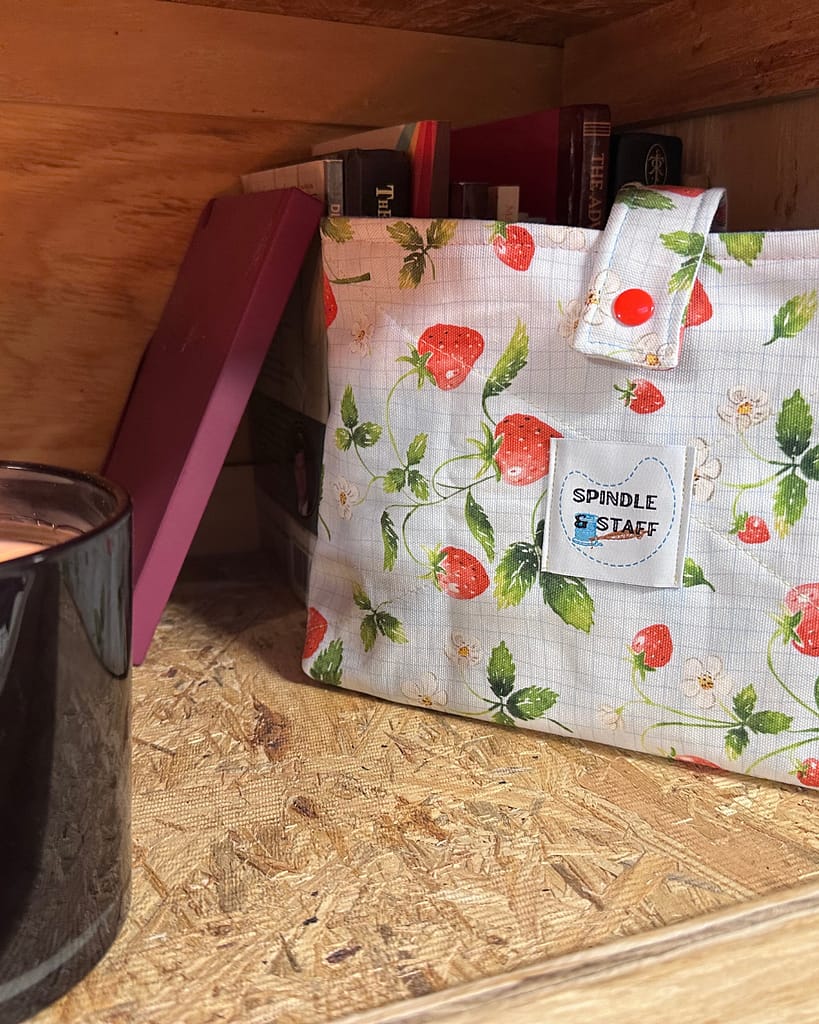
If you’ve spent any time on BookTok, Pinterest, or YouTube lately, you’ve probably seen them everywhere—handmade book sleeves. This project has become a viral favorite, and for good reason.
Learning how to sew a book sleeve is simple, satisfying, and incredibly customizable. With just straight stitches and basic supplies, you can make a padded sleeve that protects your books and looks beautiful at the same time.
Quick Answer: How Do You Sew a Book Sleeve?
To sew a book sleeve, cut two fabric pieces and one piece of batting, quilt the layers together, sew the sides and bottom, box the corners, attach the lining, then turn right side out. A book sleeve is a beginner-friendly project that takes about 30–45 minutes and makes a great handmade gift. Now let me show you step-by-step how to make this project!
Grab the free book sleeve pattern and tutorial.
This is one of my favorite projects to recommend to a confident beginner. It’s not hard, it doesn’t take long, and the finished result feels like a “real” handmade item you’re proud to gift. If you’ve never sewn before, check out my Learn to Sew Section to get you started.

Why Book Sleeves Are So Popular on BookTok and YouTube
Book sleeves exploded in popularity thanks to BookTok creators and sewing videos that show just how fast and fun they are to make.

People love them because:
- They protect books inside bags and backpacks
- They feel personal and cozy
- They make amazing handmade gifts
- They are quick sewing wins
On YouTube, book sleeve tutorials often go viral because viewers love watching fabric choices, quilting lines, and that final boxed bottom come together.
If you’ve been looking for a sewing project that feels trendy but timeless, this is it.
Can You Sell Handmade Book Sleeves?
Handmade book sleeves can be sold at craft fairs, online shops, or as custom gifts. When selling book sleeves, use original or trendy fabric combinations, set pricing based on materials and time, and avoid using licensed character fabrics for commercial sales. Pair with a “blind date with a book” style product for upselling.
Who is this book sleeve tutorial for?
This book sleeve sewing tutorial is designed for beginners, homeschool families, handmade gift makers, and anyone looking for a quick sewing project using quilting cotton. It’s ideal for sewists who want a useful, giftable project without complicated steps.
Sew a beautiful, padded book sleeve with confidence—perfect for beginners and experienced sewists alike.
Free Printable Quilted Book Sleeve Sewing Tutorial
Want to make a cozy, handmade sleeve to protect your favorite books?
This free printable tutorial walks you through each step of sewing a quilted book sleeve, from cutting to boxing the corners—without stress or guesswork.
I designed this project to be practical, sturdy, and easy to follow, even if you’re newer to sewing.
How Customizable Is a Handmade Book Sleeve?
One of the best things about learning how to sew a fabric book sleeve is how easy it is to customize.
You can:
- Use quilting cotton for a soft look
- Use duck cloth for extra durability
- Add foam for stability or use extra batting for more padding
- Quilt with straight lines or decorative stitches
- Mix prints, solids, and textures
- Change the size for journals, planners, or tablets
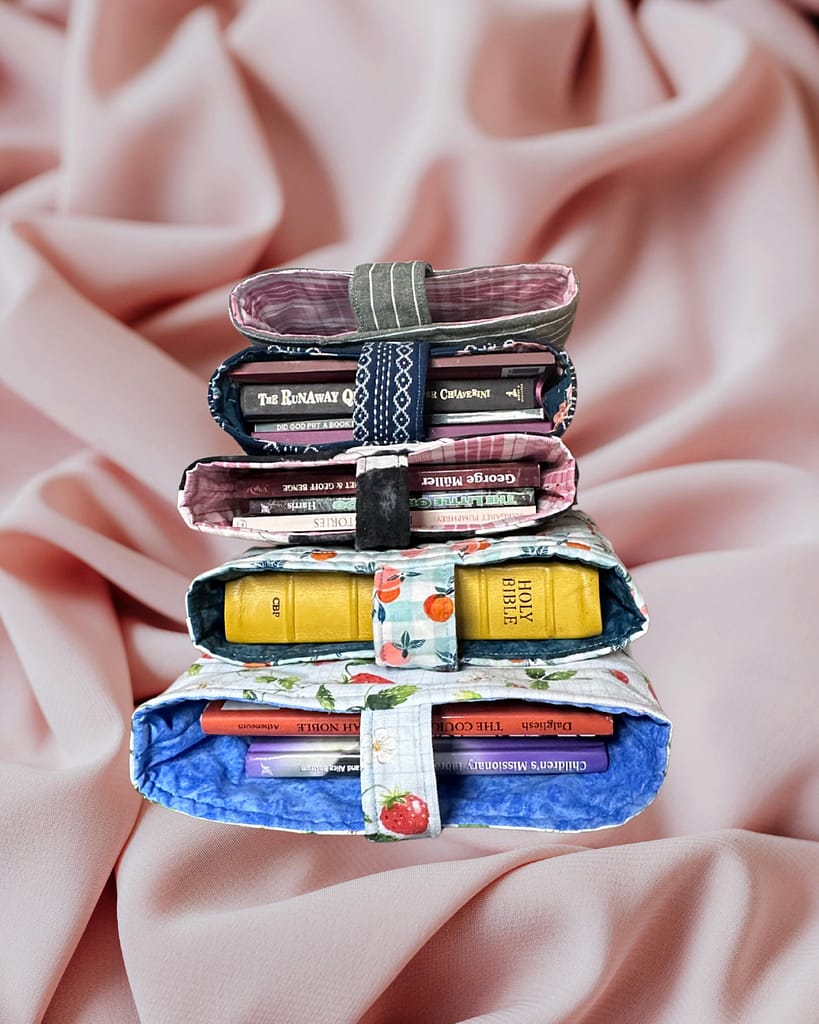
No two book sleeves ever look the same—and that’s part of the fun.
A Simple Sewing Project with Only Straight Stitches
This tutorial uses only straight stitches and 1/4″ seam allowance, which makes it perfect if you’re:
- New to sewing
- Getting comfortable with your machine
- Teaching a teen to sew
- Looking for a calm, relaxing project
- looking for a project to sew to sell- would be super fast on an industrial machine.
There’s no complicated shaping, no curves to stress over, and no advanced techniques required.
If you can sew a straight line, you can sew this book sleeve.
Why This Book Sleeve Makes the Perfect Handmade Gift
A handmade book sleeve feels thoughtful all on its own—but it also works beautifully as part of a gift bundle.
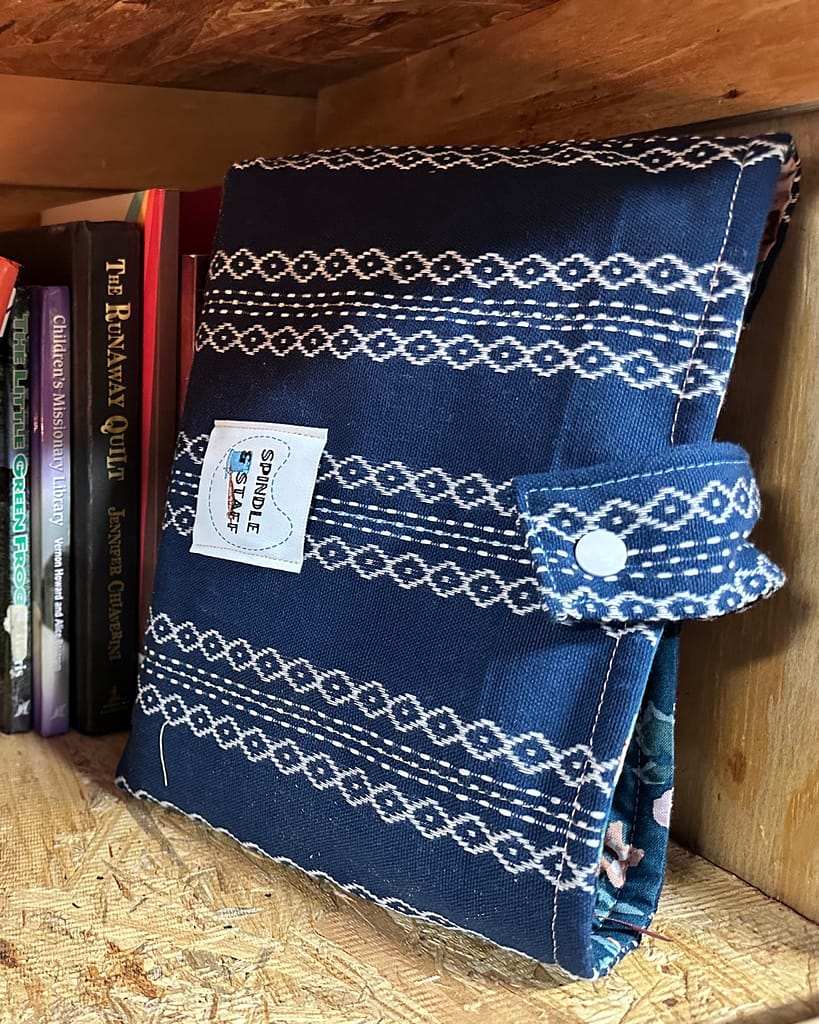
Gift Ideas to Pair with a Handmade Book Sleeve
- A favorite book or new release
- A book page spreader / thumb page holder
- A gift card to ThriftBooks or Barnes & Noble
- A journal or notebook
- Bookmarks (handmade or store-bought)
- A candle for cozy reading nights
- A handwritten note tucked inside
This makes a wonderful gift for:
- Teachers
- Teens
- Homeschool moms
- Book lovers
- Birthdays, Christmas, or just because
Supplies You’ll Need to Sew a Quilted Book Sleeve
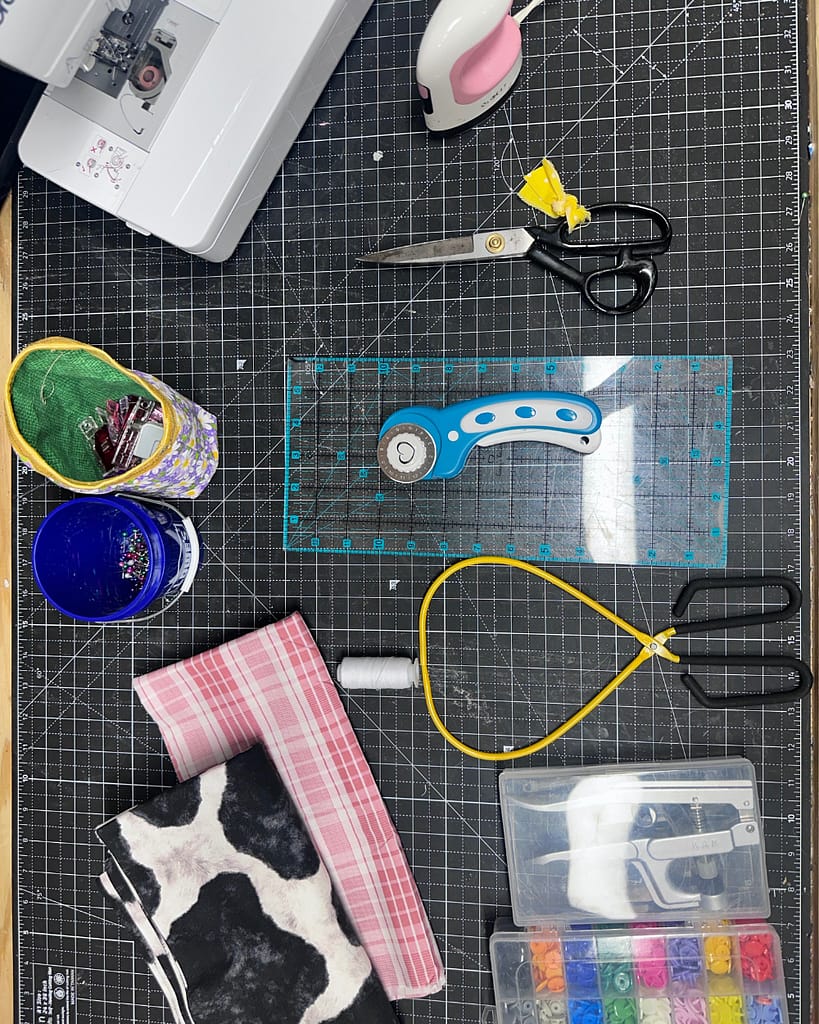
Fabric & Notions
To sew a book sleeve, you need quilting cotton fabric for the exterior and lining, low-loft batting for padding, coordinating thread, scissors or a rotary cutter, pins or clips, and a sewing machine or hand-sewing needle. For my pattern, you’ll also needs KAM snaps and the tool to install them.
- 2 fat quarters or ½ yard of quilting cotton or duck cloth
- Cotton quilt Batting or bag making foam
- Coordinating or contrasting thread
- Coordinating KAM snaps and snap pliers
Equipment
- Sewing machine- I use a brother PE600
- Scissors- good quality fabric scissors are worth the money
- Ruler
- Point turner- use a basic point turner, or my new favorite tool, the EZ Point turner
- Iron- I like this mini iron for pressing seams
- Rotary cutter & mat, optional but helpful of nice straight edges
How to Sew a Book Sleeve (Step-by-Step Tutorial)
Cut and prep pattern pieces
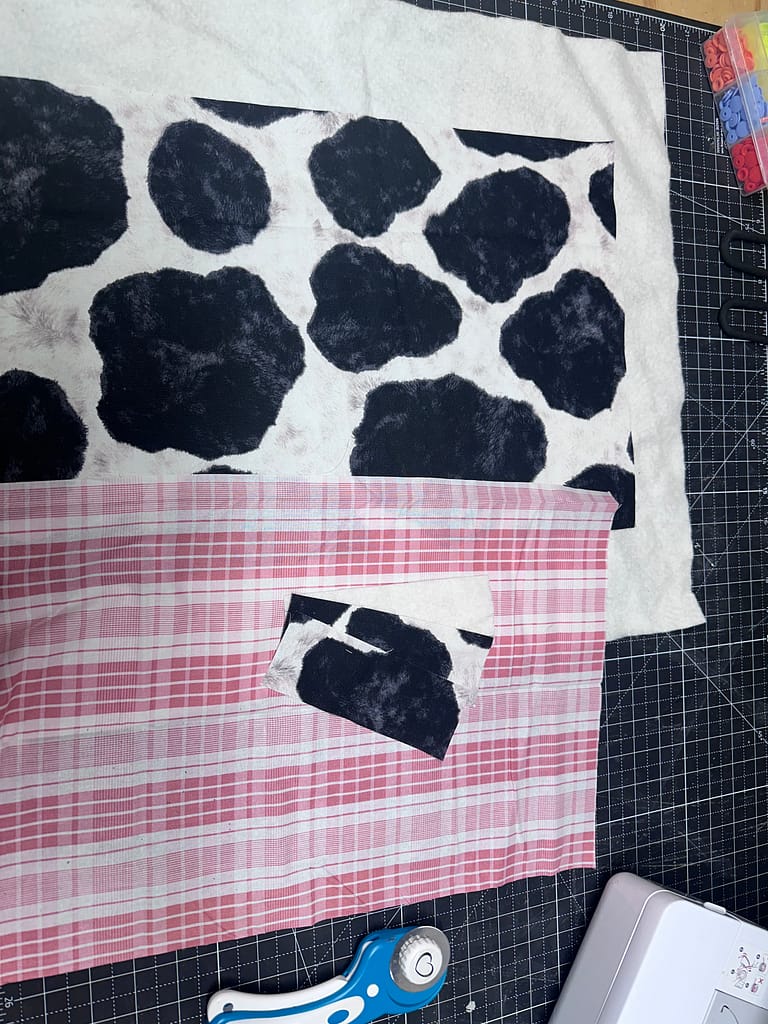
- First, layer the main body fabric on top of the batting or foam. The pretty side of the fabric should face away from the batting. Attach with basting spray or pins.
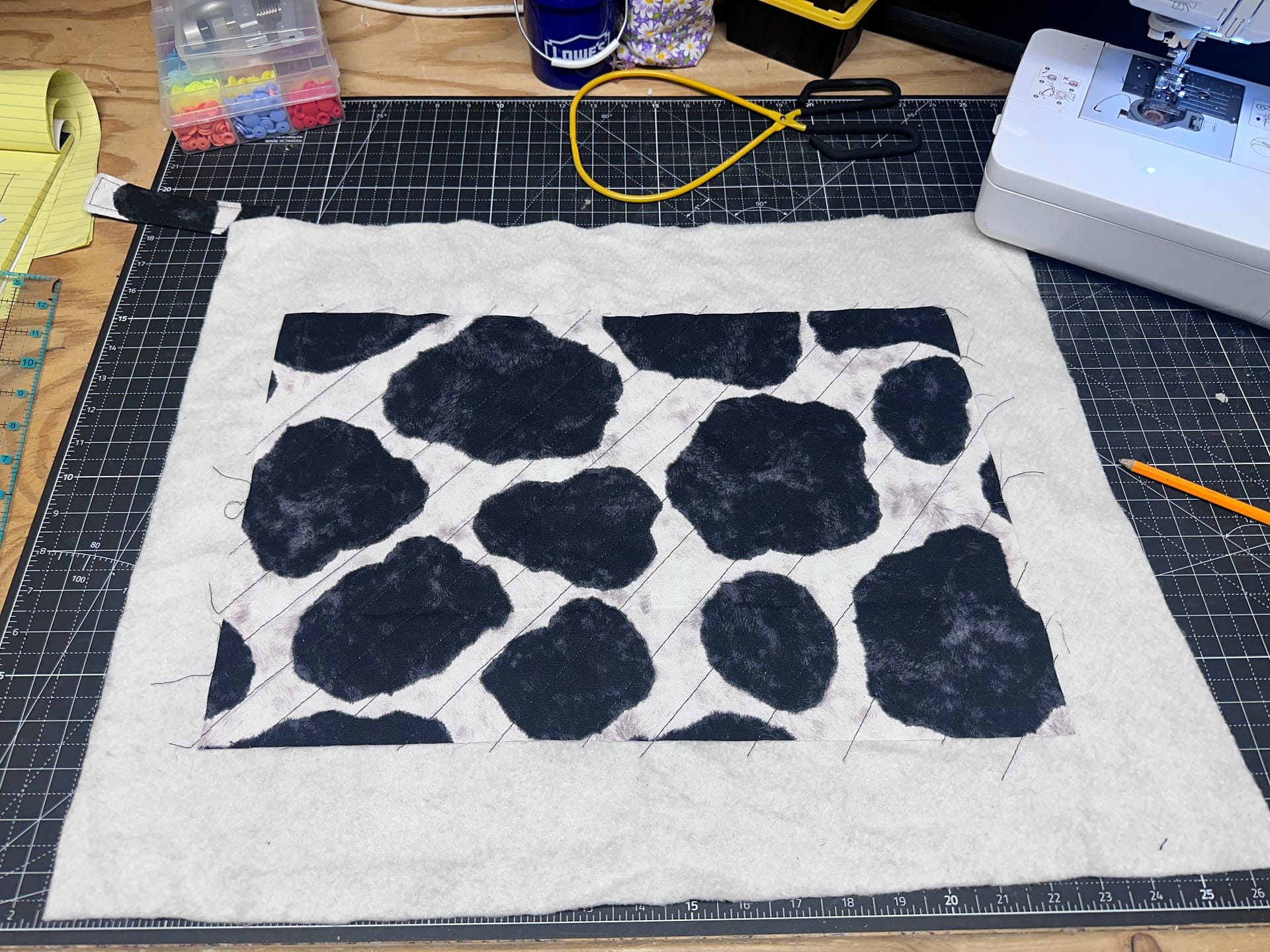
2. Then, quilt through the two layers with a long straight stitch, decorative stitch on your machine, or free motion quilting.
“Quilting is the process of sewing layers of fabric together to make a thicker padded material” –wikipedia definition of quilting
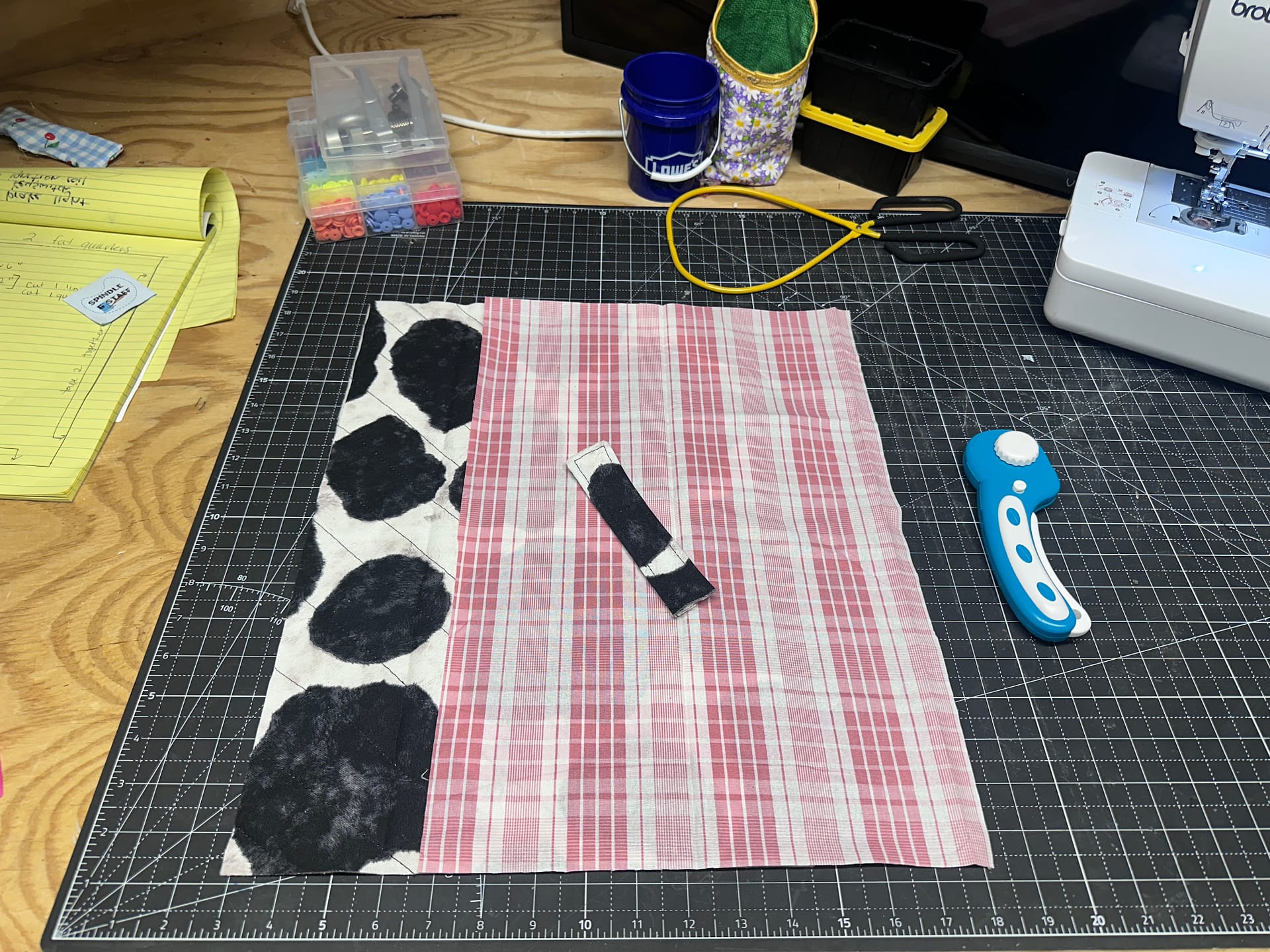
3. Next, cut one rectangle from the quilted piece that is 17″ x 12″
4. Cut one rectangle from the lining fabric that is 17″ x 12″.
5. Cut 2 rectangles rom the main fabric and 1 rectangle of batting at 6.65″ x 2″ for the strap.
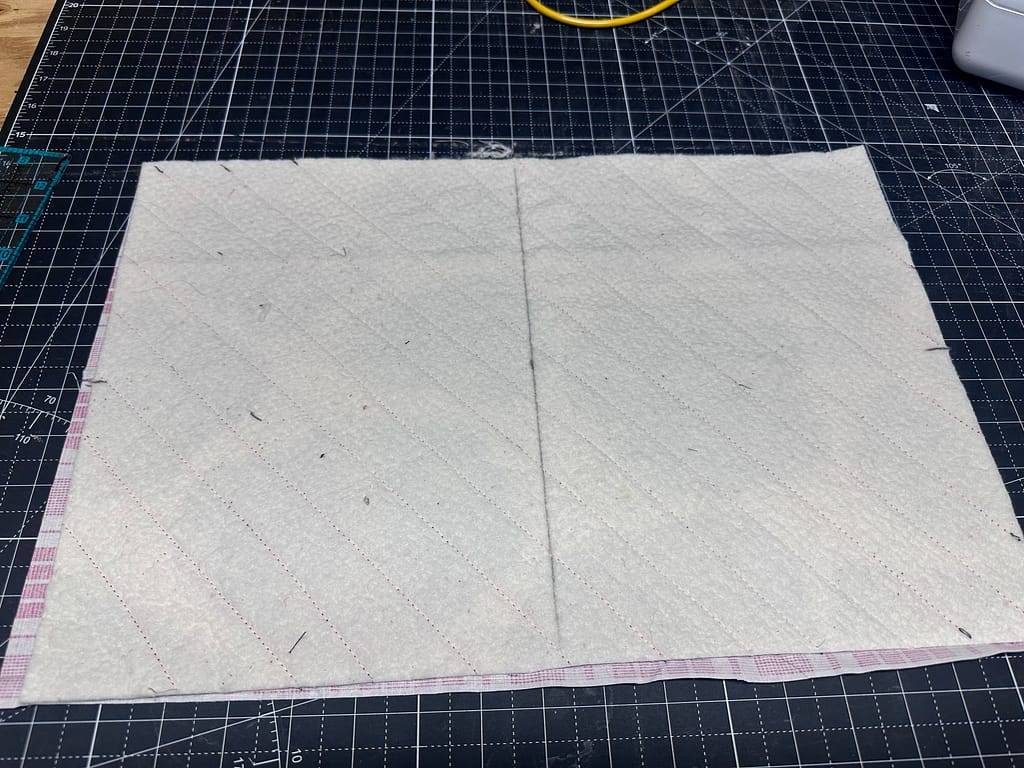
6. Mark the center on all 4 sides of the lining and the main fabric.
Sew the Fabric strap
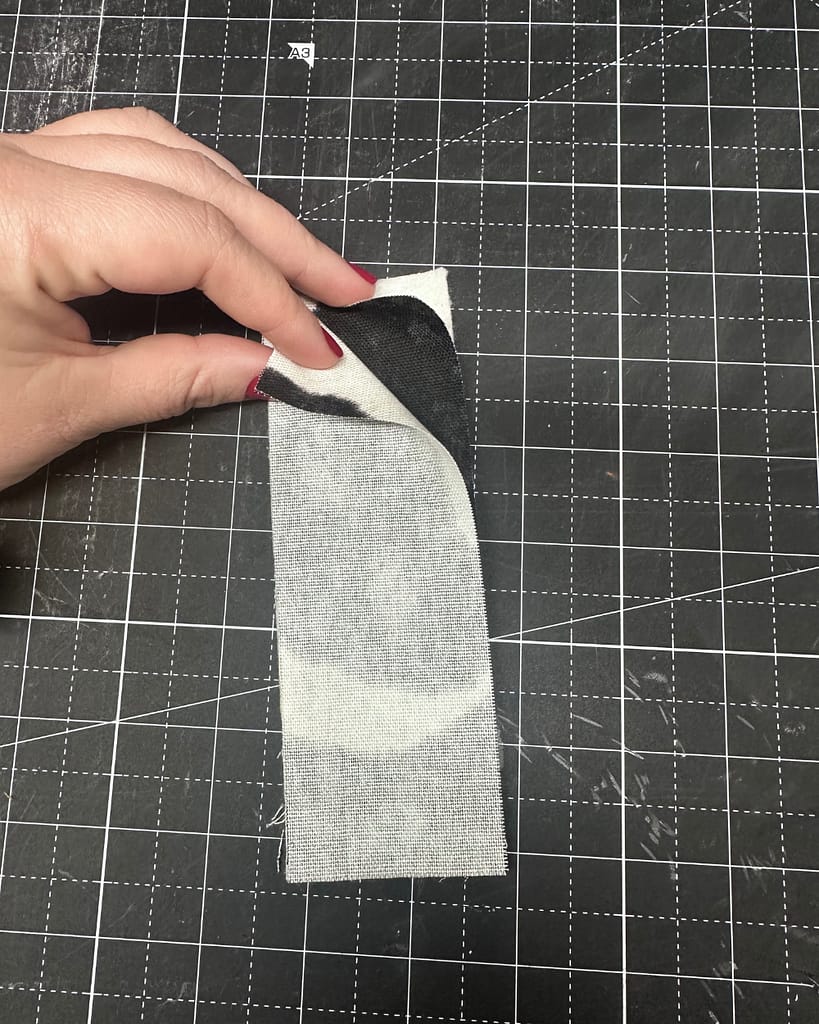
- Now, sew teh strap Llayer the strap pieces. batting first. one fabric piece face up, then one fabric piece face down. The fabric should have pretty sides touching, and one layer of batting under. pin or clip,
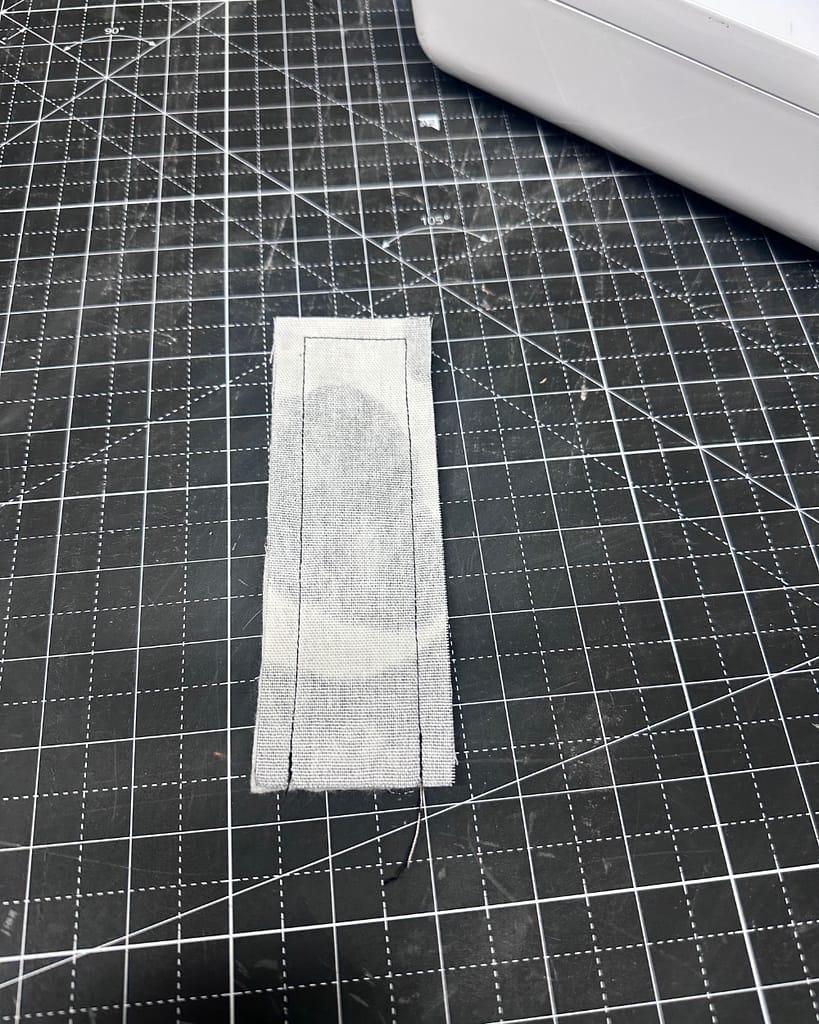
2. Then sew down one long side, pivot. sew across one short side. pivot. Sew down the other long side. back stitch at beginning and end. leave one short side unsewn. clip corners and flip right side out.
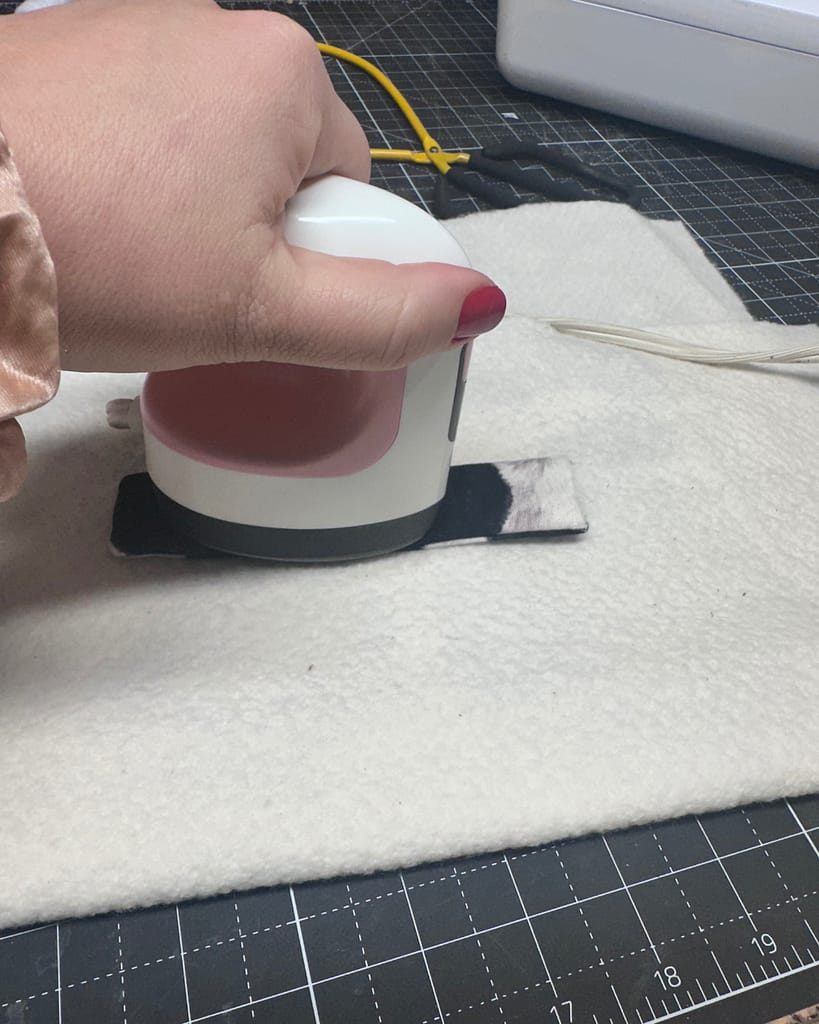
3. Nest, you need to press. Then, top stitch with a straight stitch at 4.0mm length about 1/8″ from the edge.
4. For now, just set this piece aside.
Sew the lining for the book sleeve
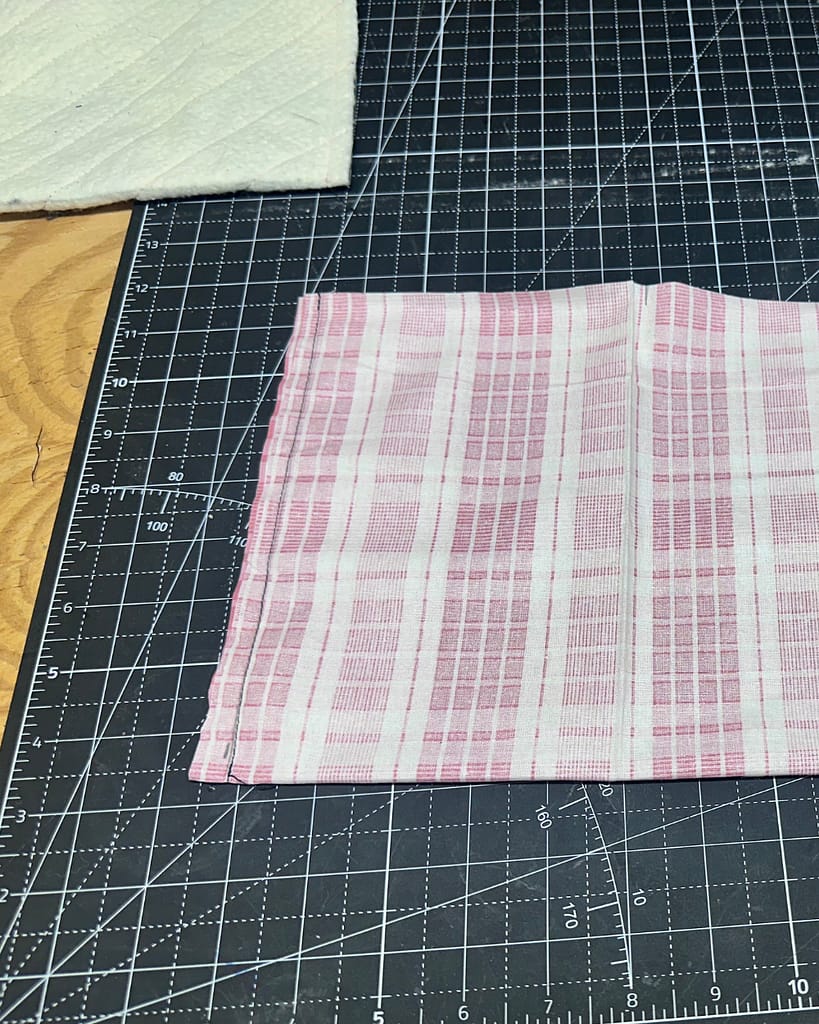
- Next, prepare the lining. First, fold the lining fabric in half, pretty sides together, so that the shorter edges are touching. Done correctly, this should make a rectangle that is 8.5″ x 12″.
- Then, with the fold at the bottom, sew down the left side, backstitch at beginning and end.
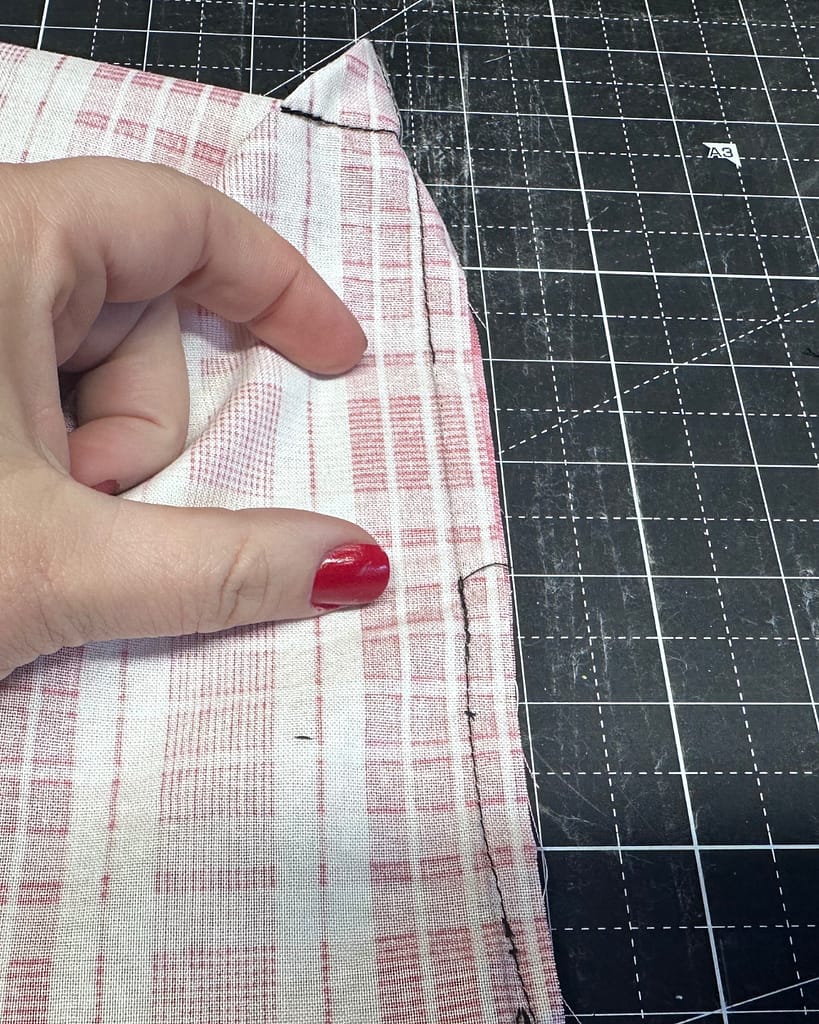
3. Next, on the right side, sew from the top edge, down 3″ and backstitch. However, instead of sewing all the way down, skip about 2.5″ to leave an opening. Then sew the rest of the way down. Of course, you’ll need to backstitch at beginning and end.
Sew the main body of the sleeve
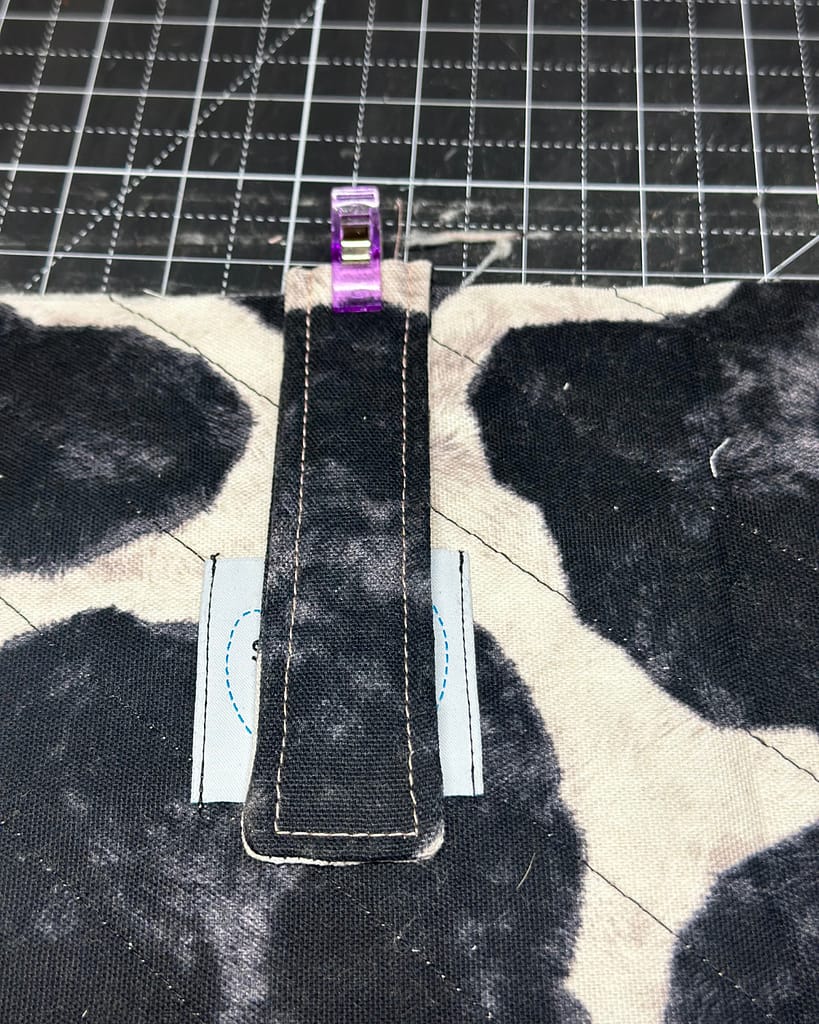
- To prep the body panel, line the strap up with the center mark on one of the short edges. Then, baste the strap onto the pretty side of the fabric. *to baster, use a 3mm stitch length and a 1/8″ seam allowance, no backstitch needed here*
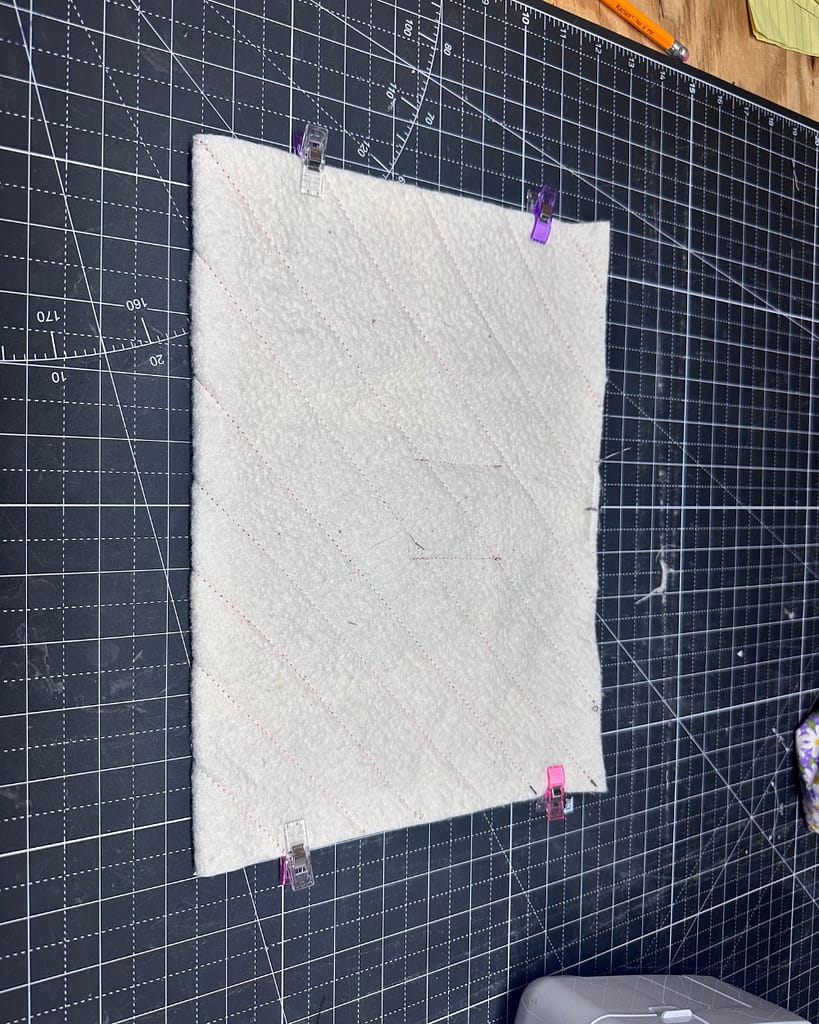
2. Next, fold the body fabric in half, pretty sides together, so that the shorter edges are touching. When done correctly, this should make a rectangle that is 8.5″ x 12″.
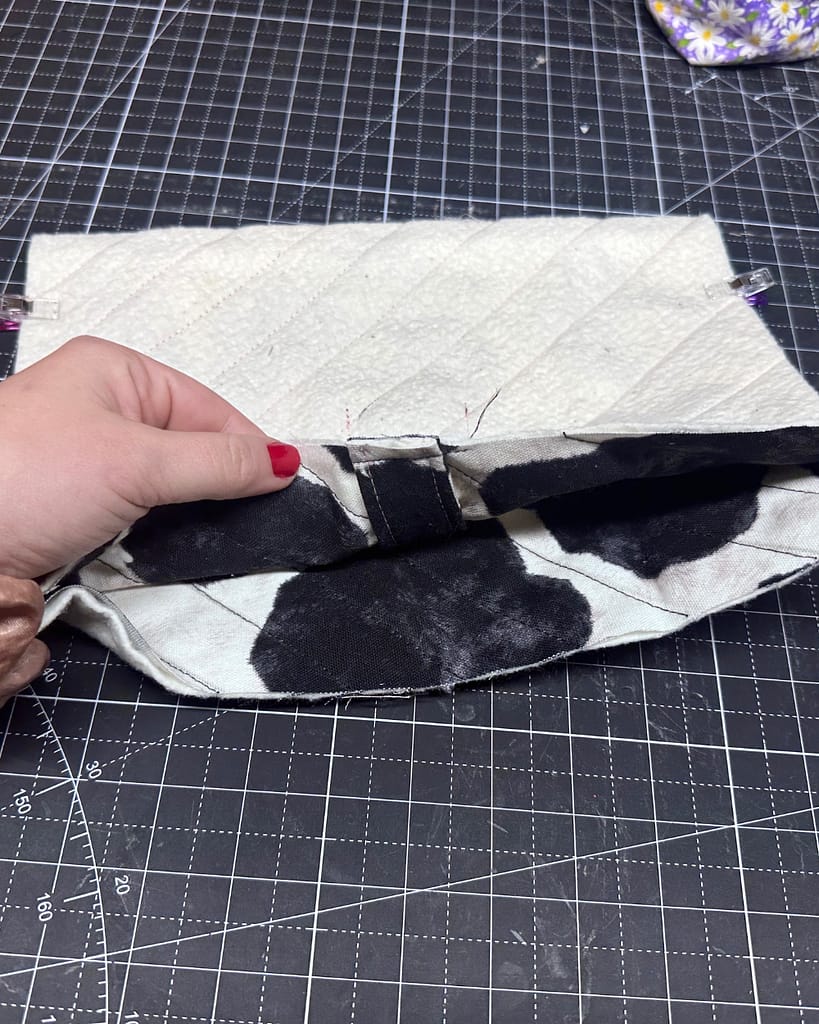
3. Next, orient the sleeves main body piece with the fold at the bottom, and the strap tucked inside. Then sew down both sides, backstitch at beginning and end.
How to Box the Corners of a Book Sleeve for a Flat Bottom
Now, to make your book sleeve look professional instead of homemade, box the corners. Boxed corners are what make your book sleeve stand up and feel sturdy.
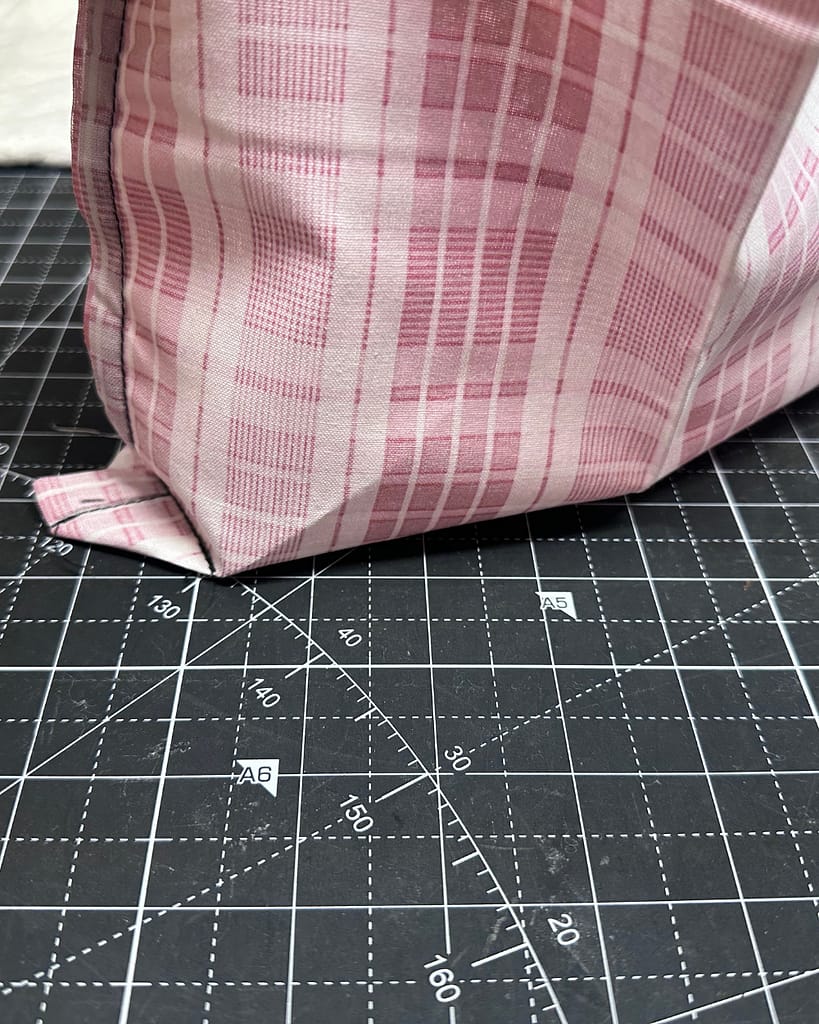
This method creates a flat bottom without trimming away fabric, which adds extra stability—especially helpful for books with some weight to them.
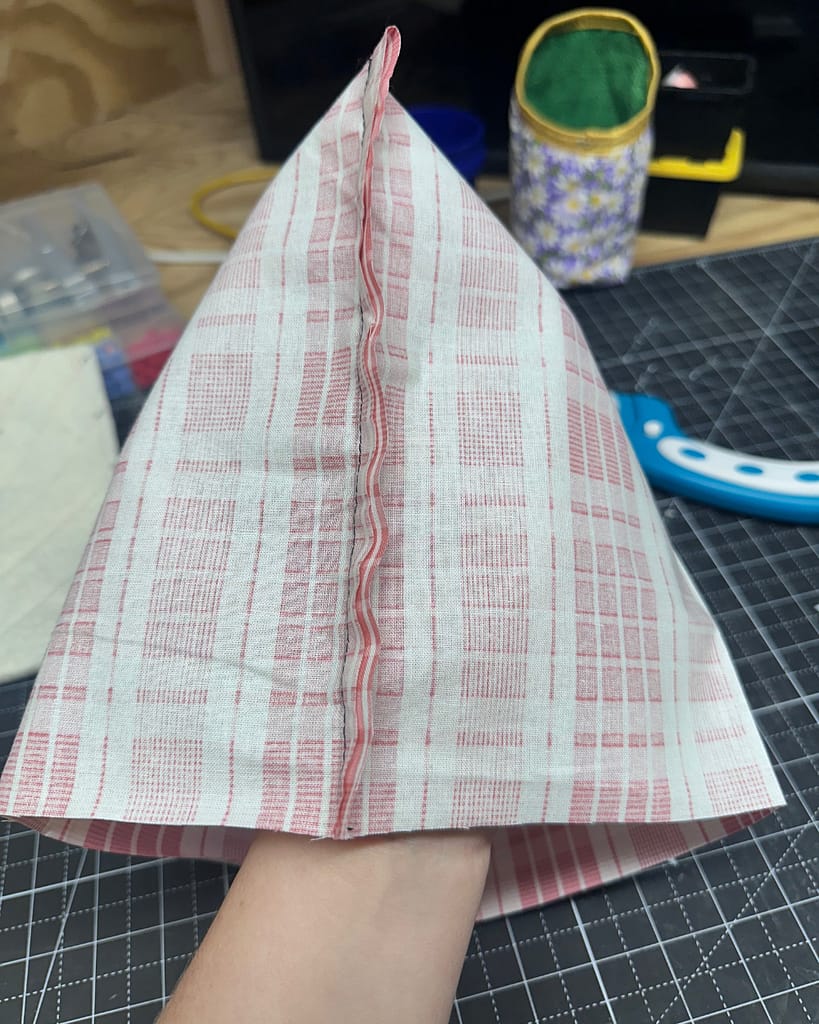
- To begin, open up the lining. With the rectangle still pretty-sides-touching, place one hand between the layers. Then gently pull the two layers apart at one lower corner.
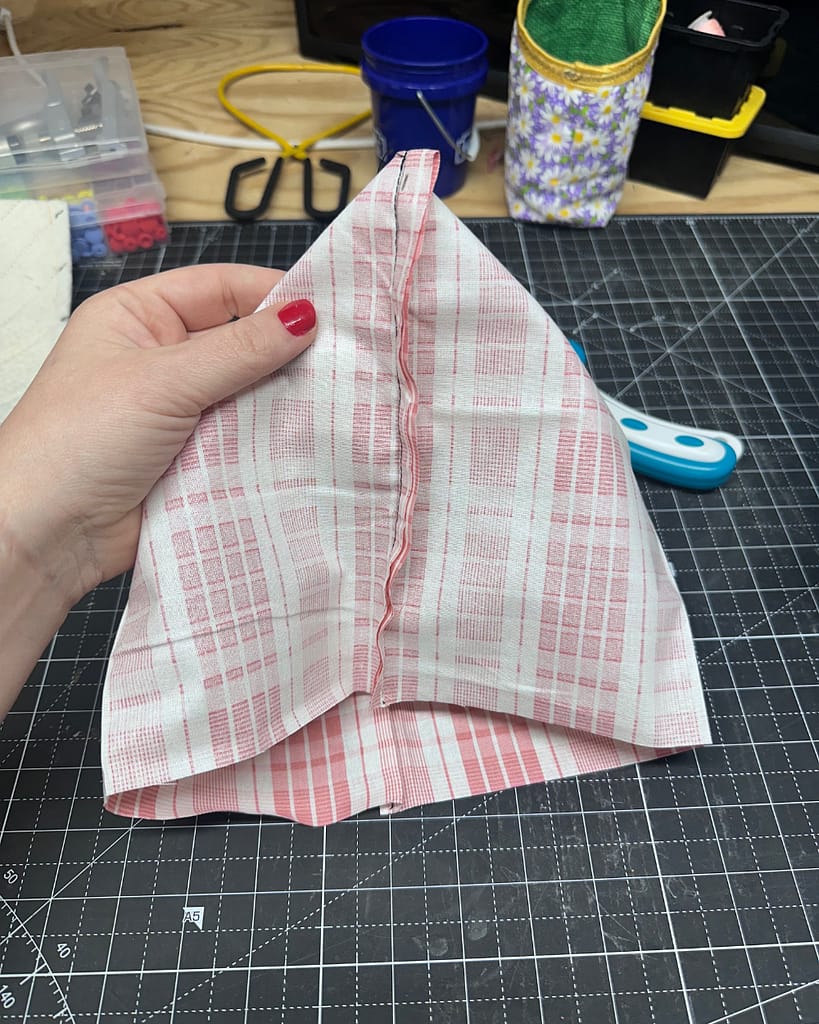
2. Next, spread the two layers flat. bring the bottom fold up to meet the side seam.
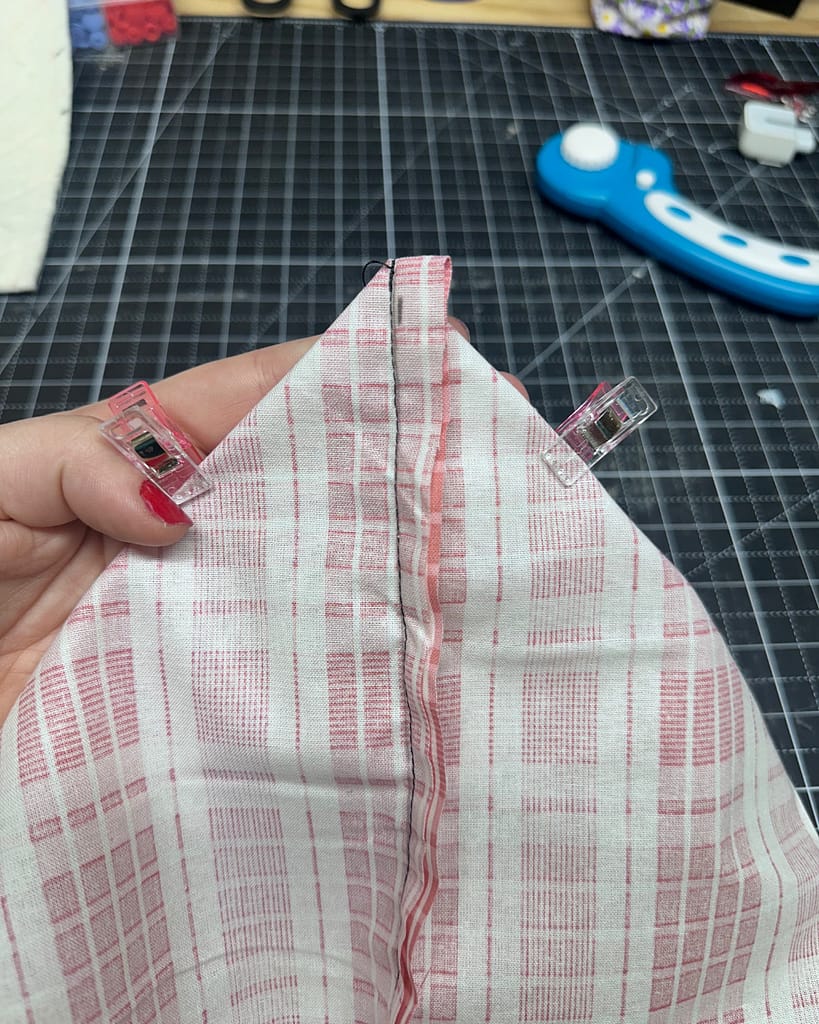
3. Then carefully line up the bottom fold so that it lies directly over the side seam, with the pretty sides still touching inside. This will make a triangle shape at the corner. Before you mark any lines, spread it flat and smooth out any wrinkles.
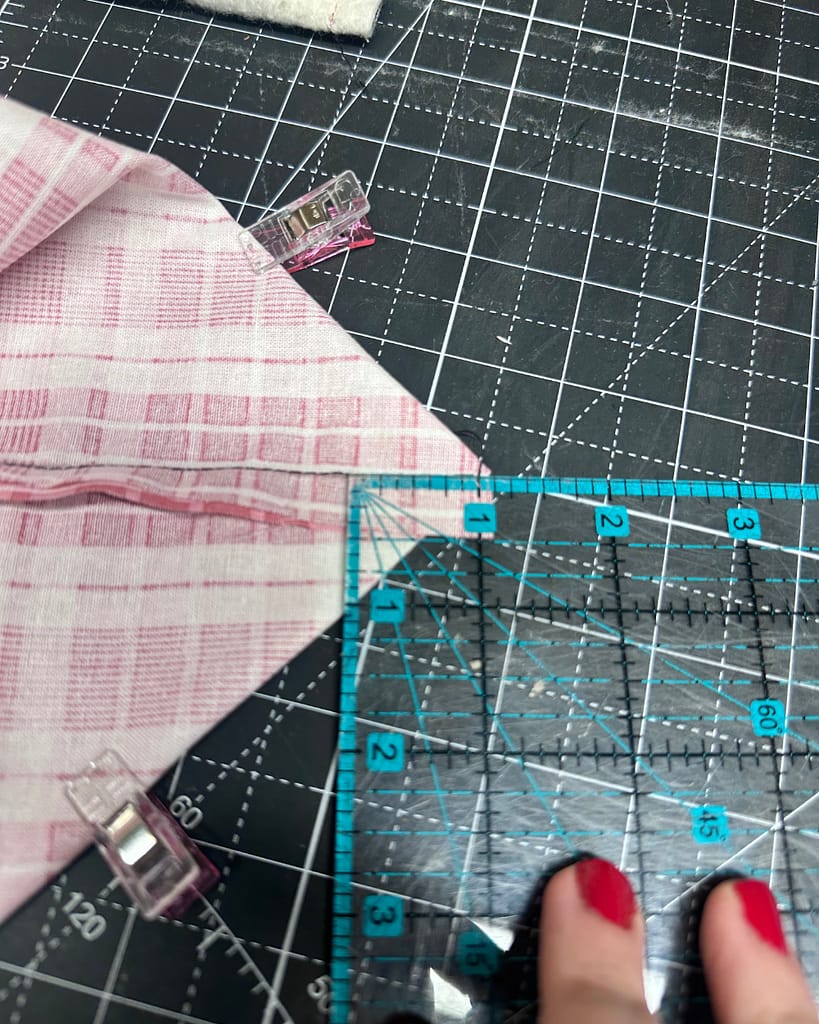
4. Measure down 1″ from the point of the triangle and mark a line perpendicular to the side seam.
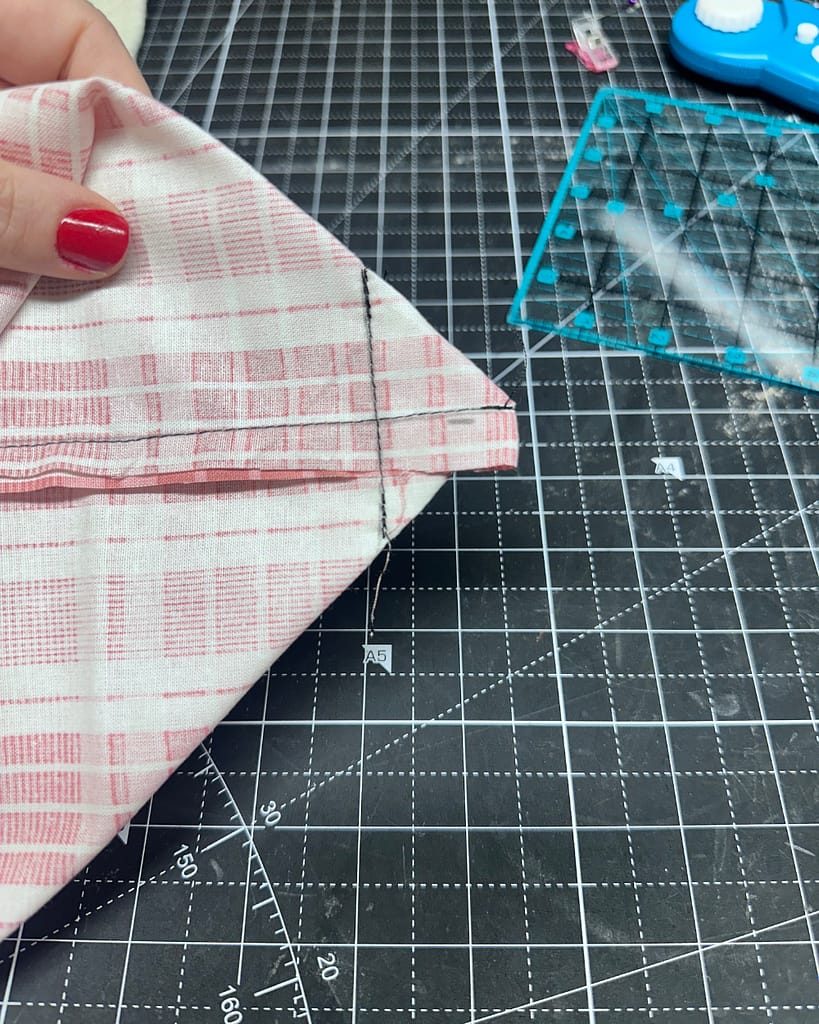
5. Accordingly, sew straight across the line, backstitch at beginning and end. repeat on other side. Then, you can trim the triangle off it you want. However, I prefer to leave the excess fabric. As shown in my photos, the extra fabric gives more stability.
Adding a Snap Closure to Your Book Sleeve
A snap closure keeps books secure and adds a polished finish. In addition, it will take your book sleeve up another level. By comparison, it will seem more intricate and detailed than a plain book sleeve.
KAM snaps are plastic button fasteners that:
- Easy to install
- Lightweight
- Available in many colors
- Great for beginners
Before you begin, be sure to double-check snap orientation. Then you can safely install the snap—it’s a small step that makes a big difference.
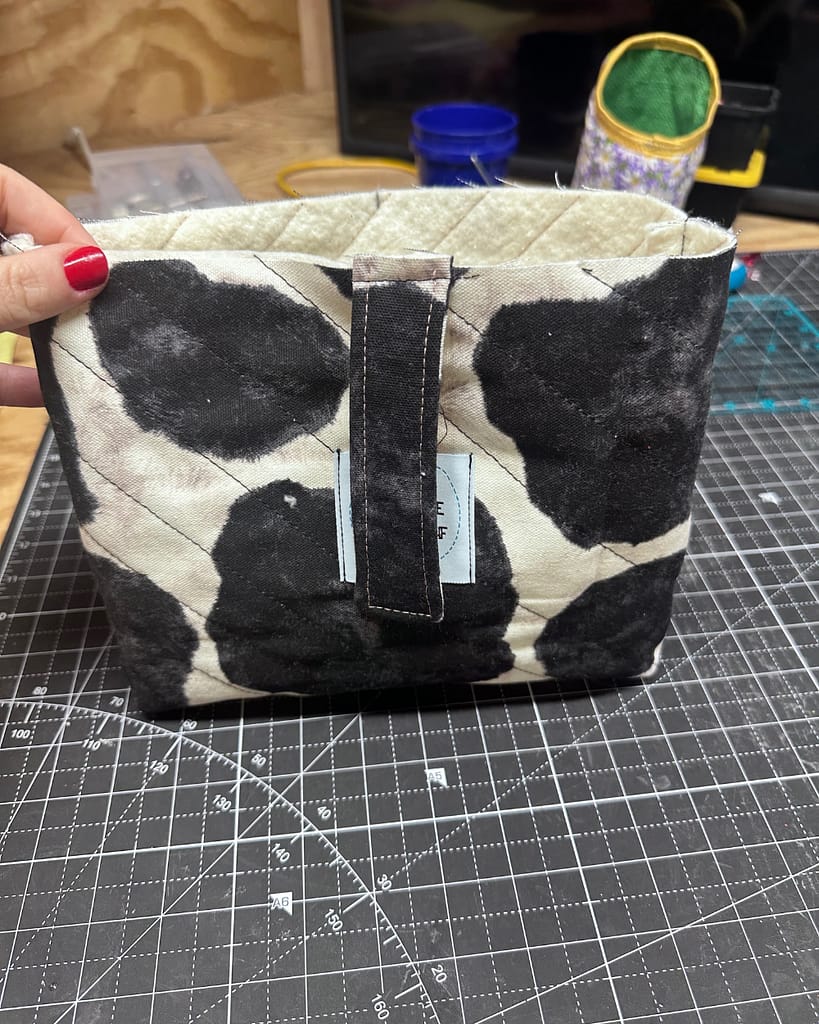
- First, turn the main body piece right side out.
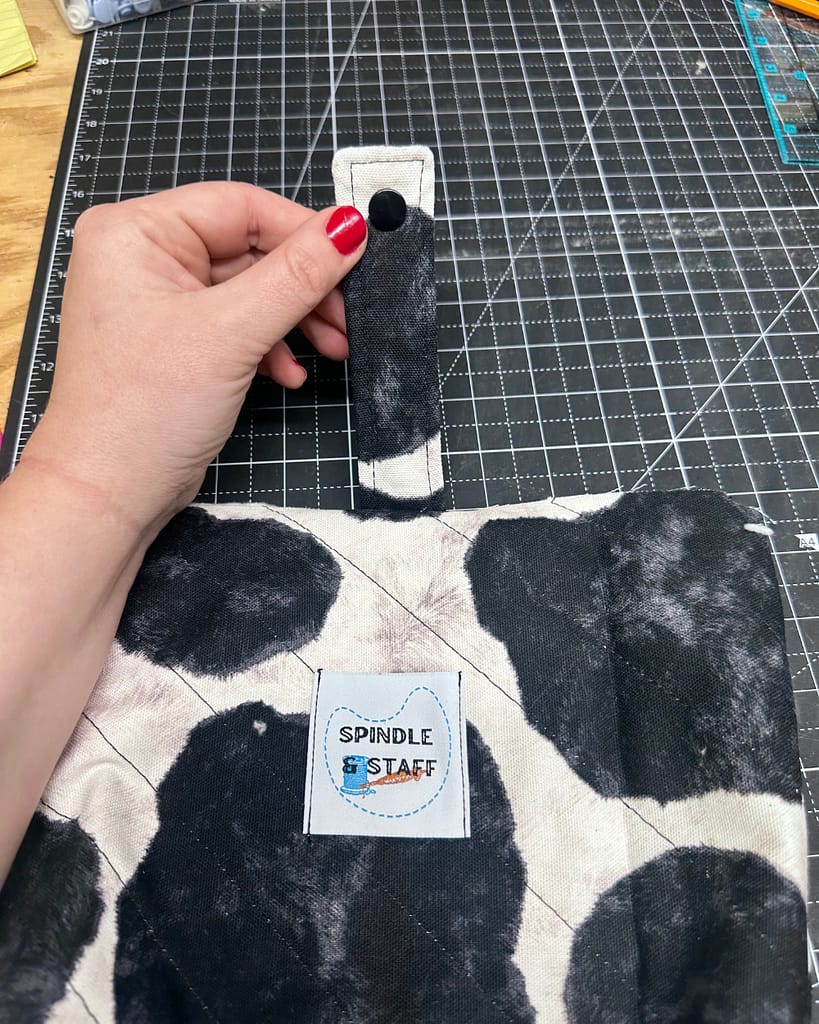
2. Then pull the strap over the top of the book sleeve and line it up where you want it to snap onto the body of the sleeve. Accordingly, mark the spot for the center of the snap. Now, use the awl from your kit to pike a hole through all the layers of fabric.
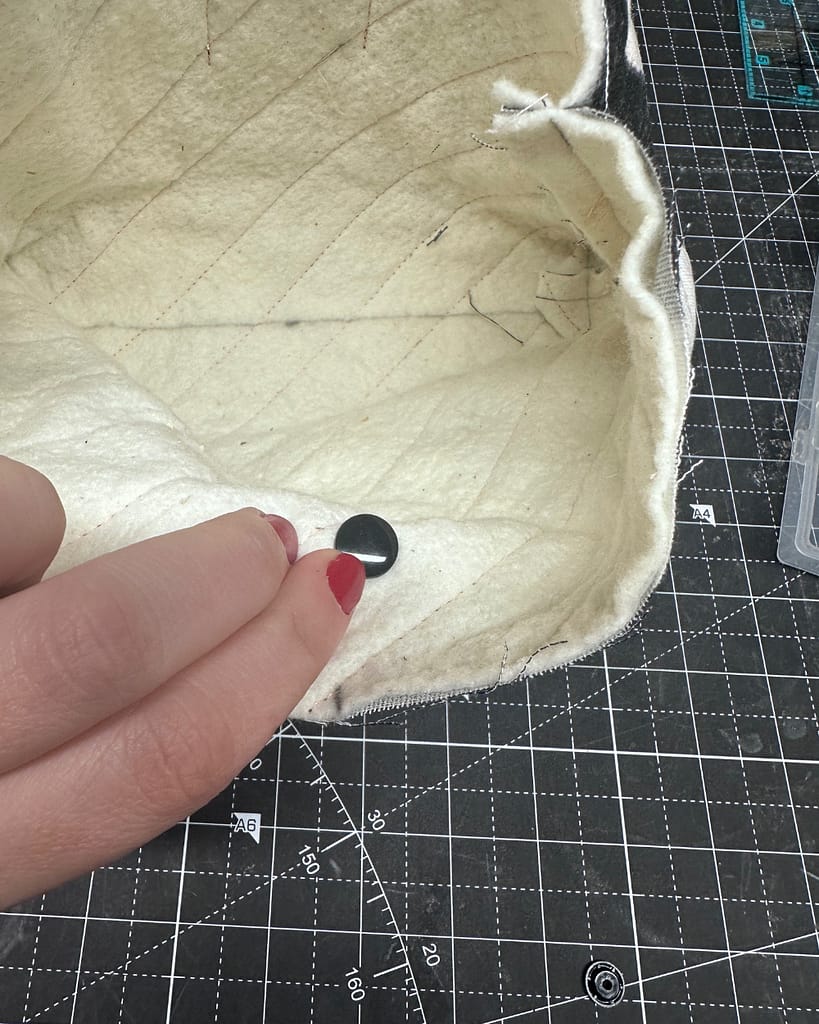
3. Next, install the female side of the KAM snap with the snap facing out. The smooth cap will go on the inside of the book sleeve.
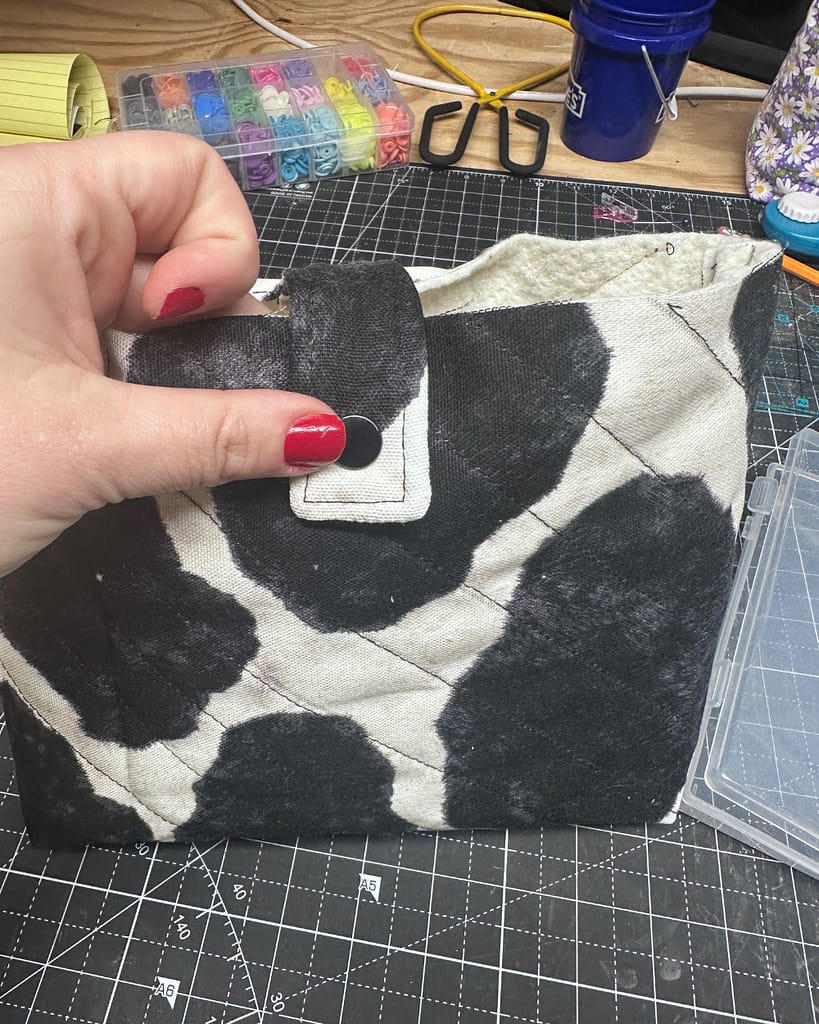
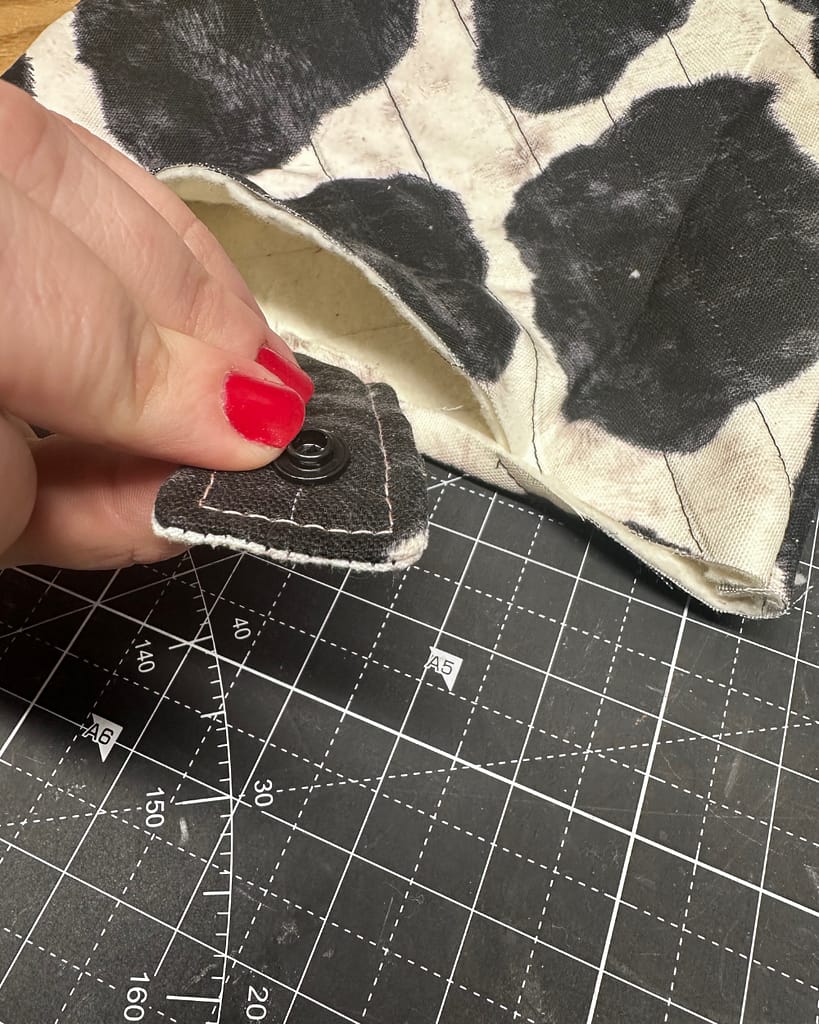
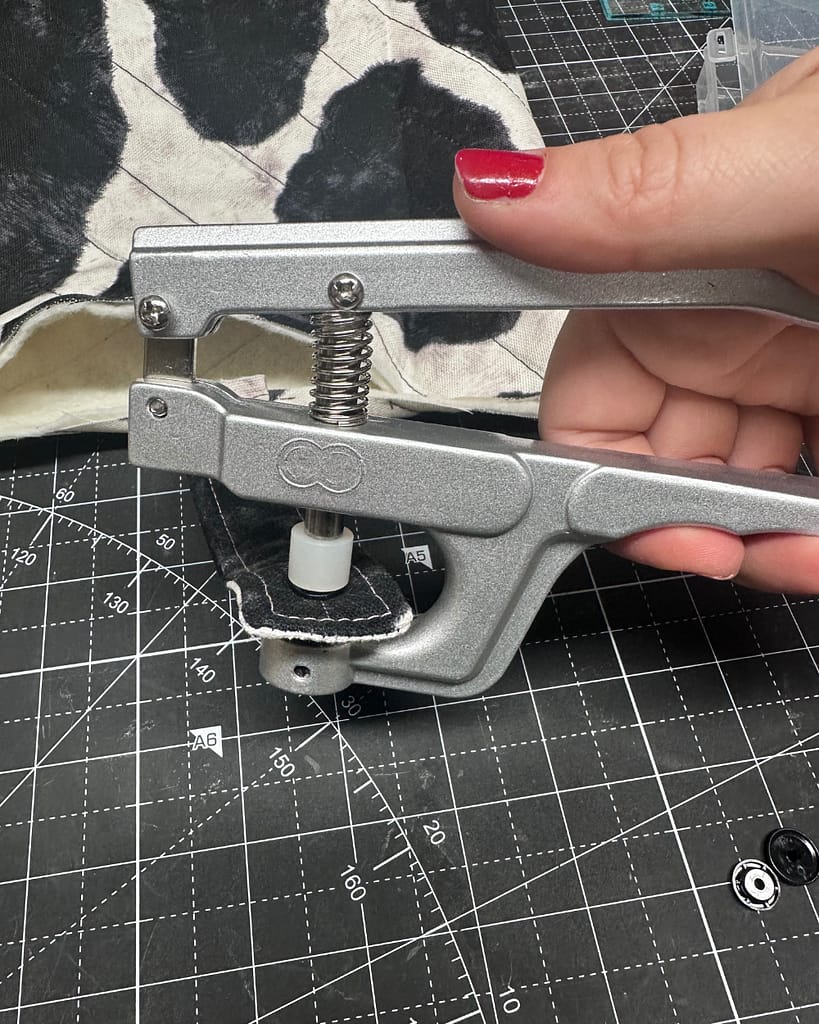
4. Next, pull the strap back into place over the snap to make sure you orient the snap correctly. Then, mark the spot on the strap, pierce it with the awl, and install the male side of the kam snap. the smooth piece of the snap should show when the strap is snapped onto the body.
Attach lining to main body of the book sleeve
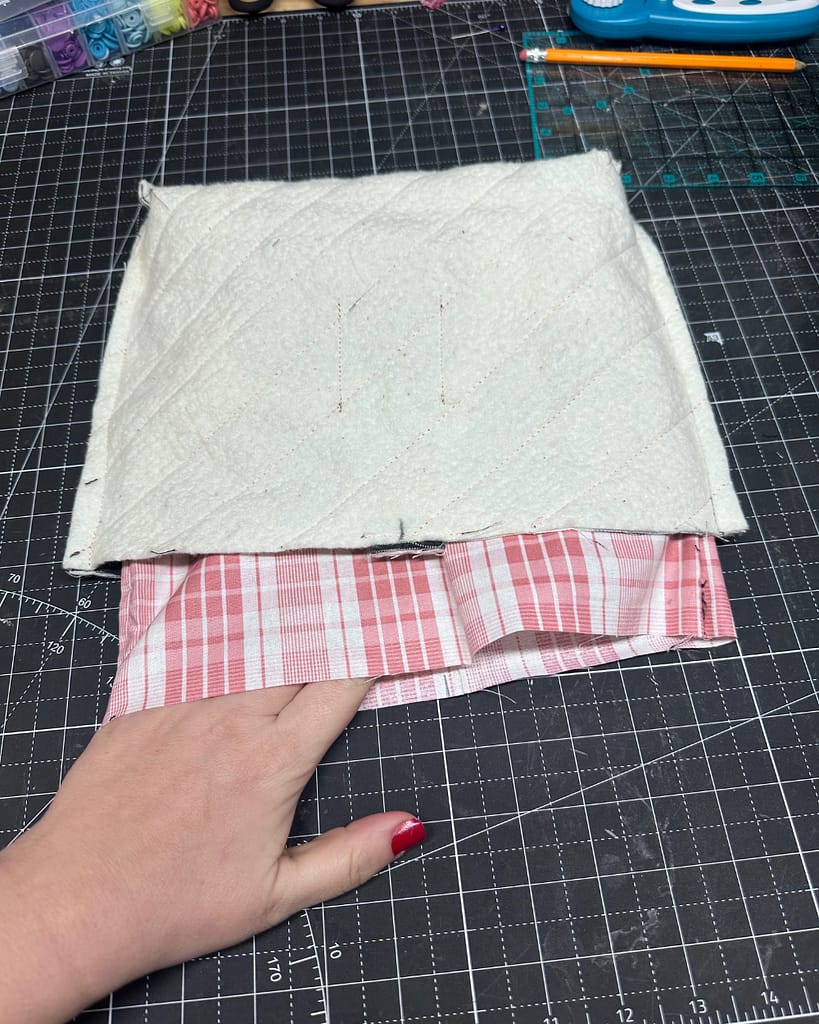
- Turn the main body piece inside out. tuck the strap down inside.
2. Turn the lining piece right side out.
3. Insert the lining into the body pieces so that pretty sides are touching. push the corners of the lining down into the bag to keep fabric away from the top edge.
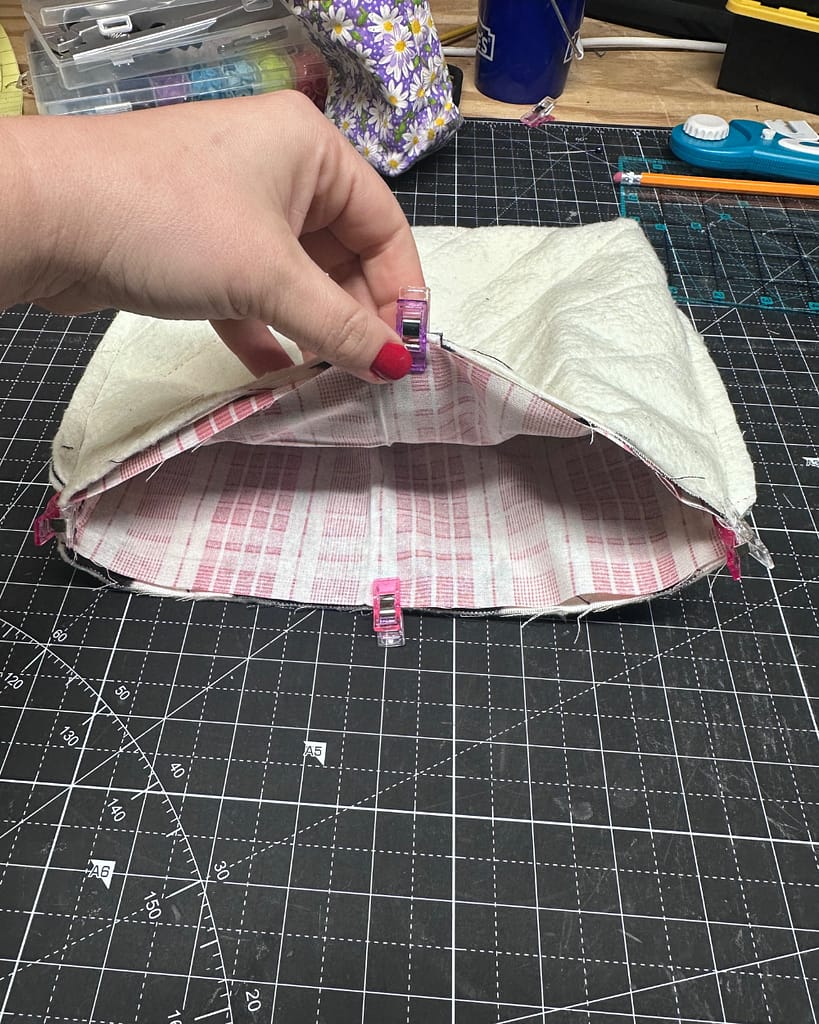
4. Line the top raw edges up, matching the side seams together and the center marks.
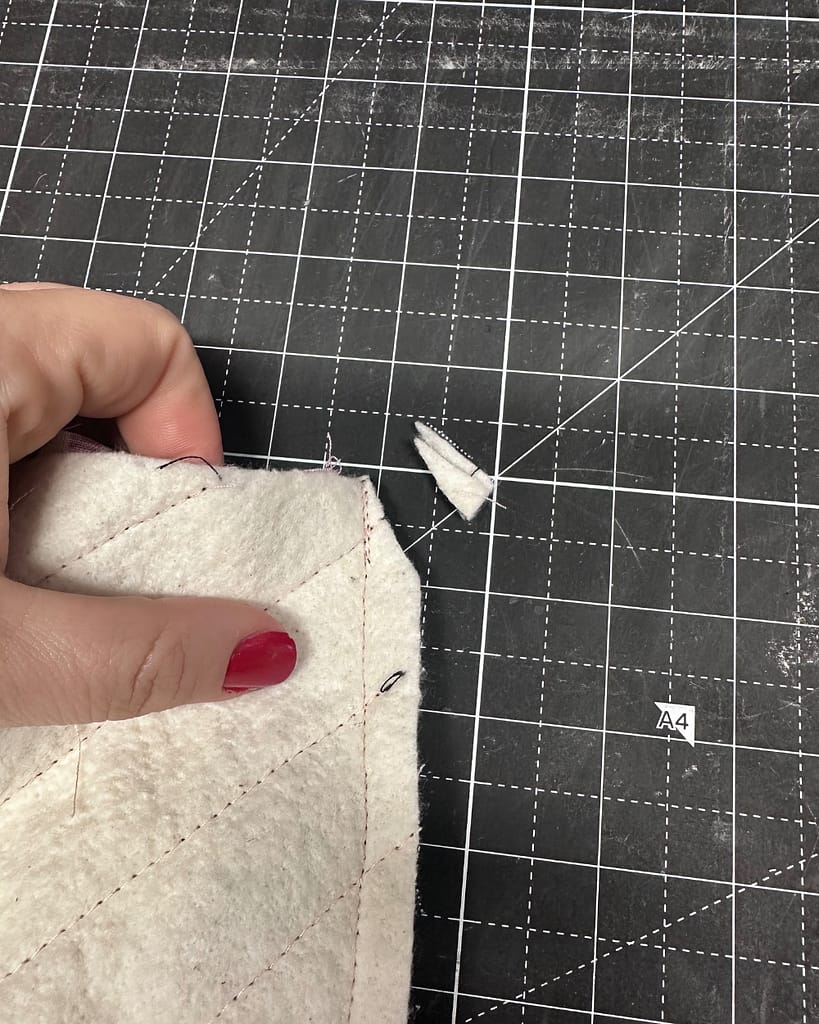
5. Clip the corners off the top edge of the body seams if you want to reduce bulk
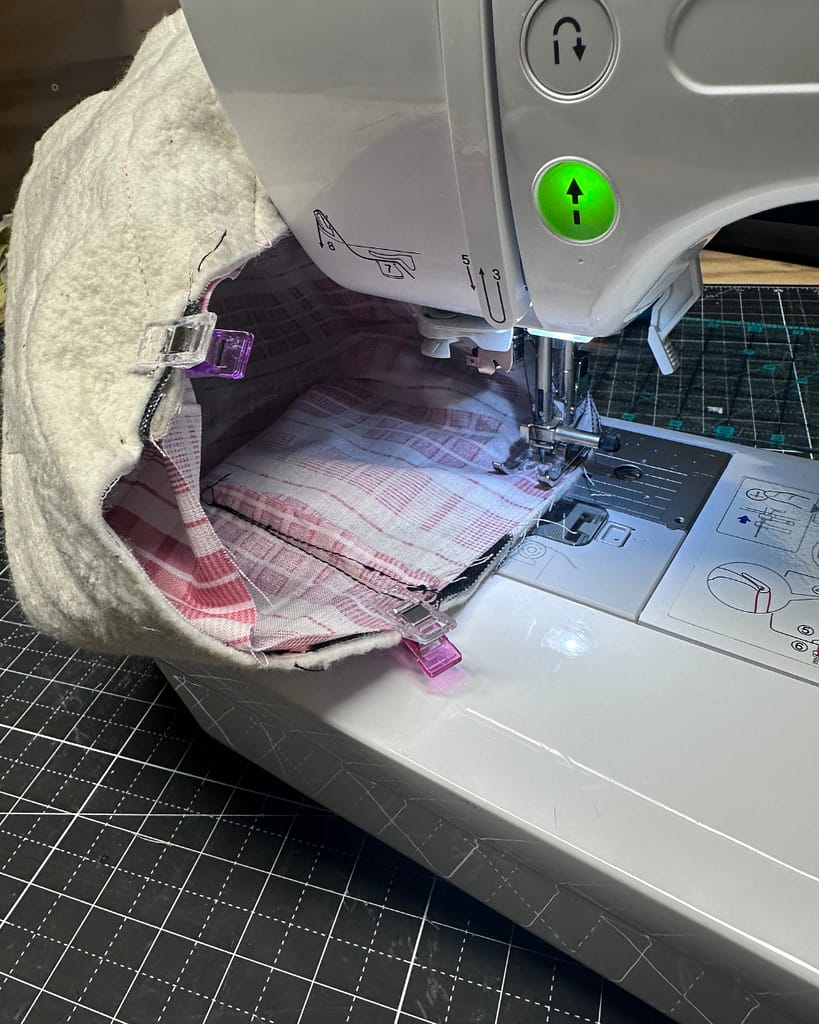
6. Sew all the way around the top edge of the bag. Backstitch at the end over the beginning stitches.
Turn the book sleeve right side out
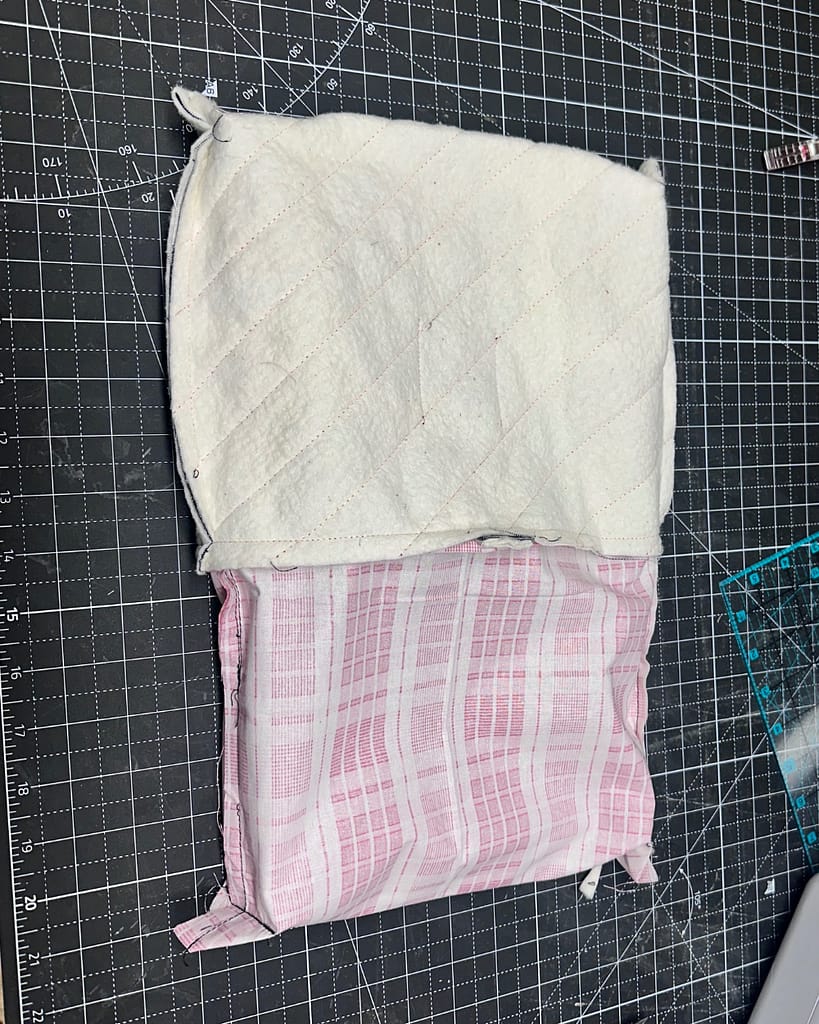
- pull the lining out of the main body.
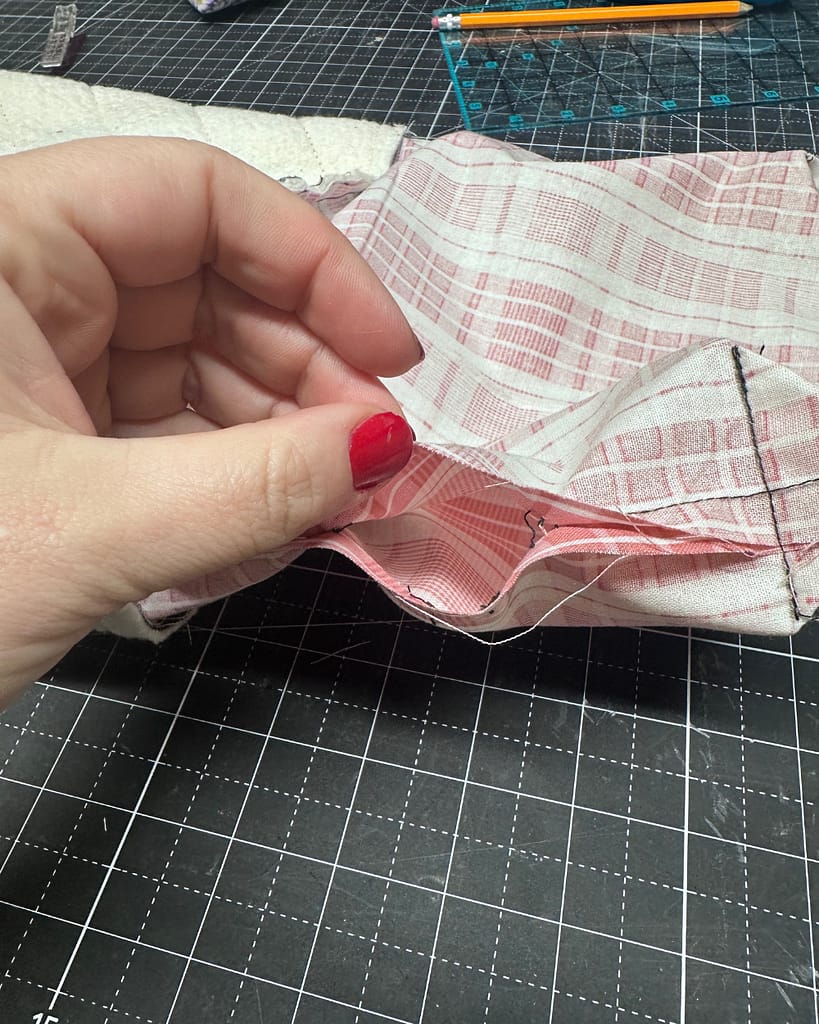
2. Reach through the opening that you left In one side seam of the lining.
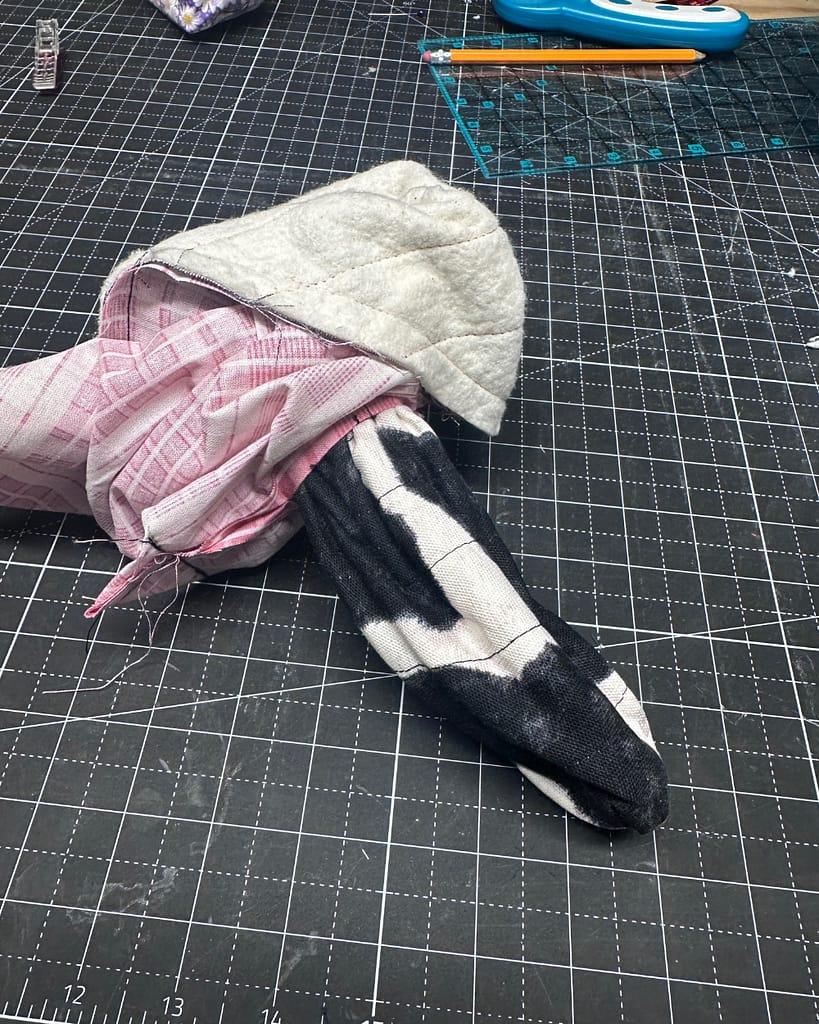
3. Grab one lower corner of the main body and gently pull it out through the opening.
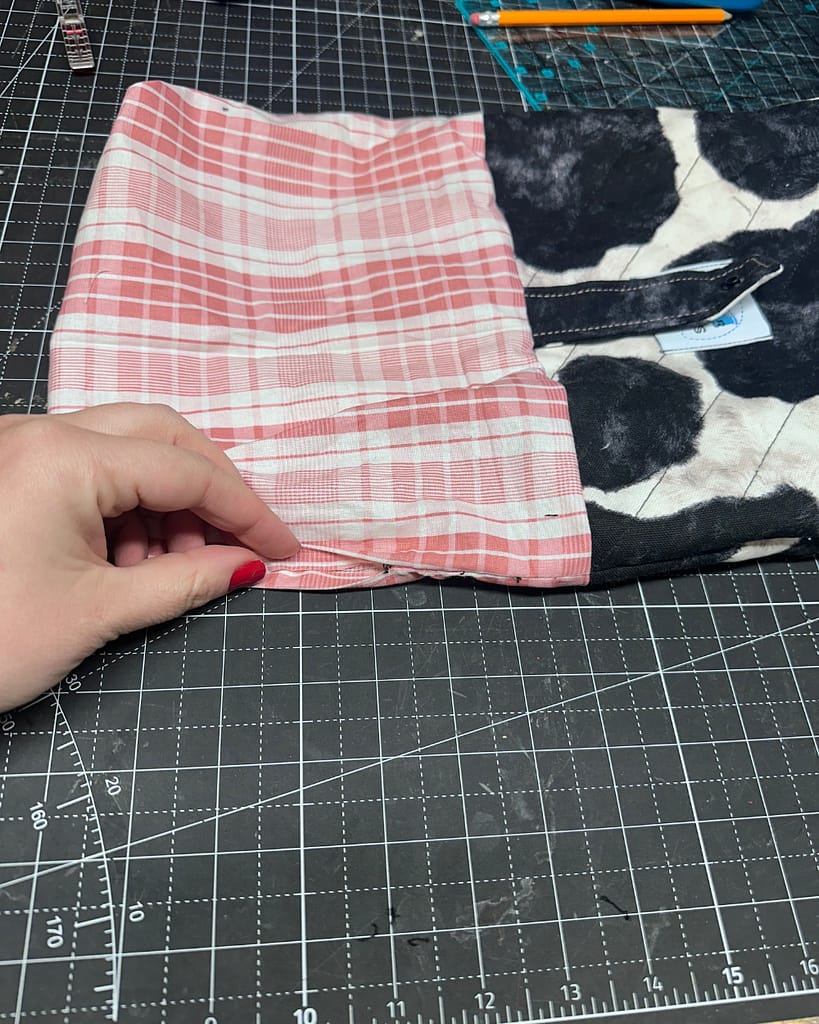
4. Carefully work the entire project out through the hole until it’s completely right side out.
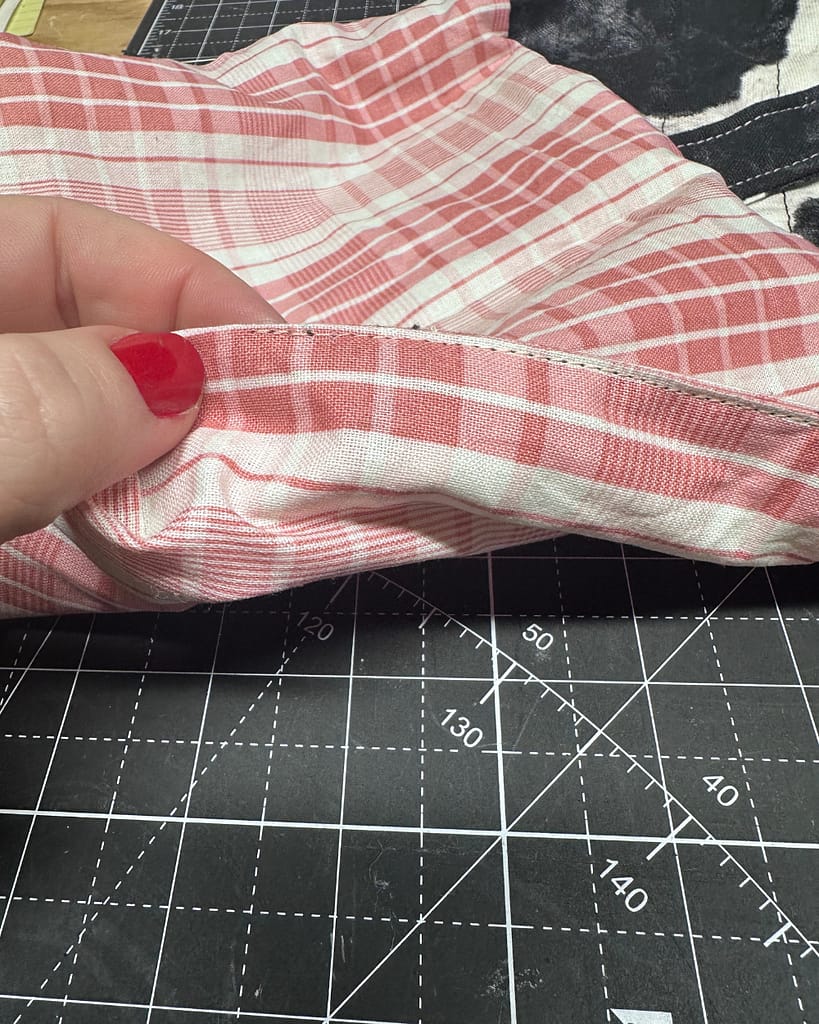
5. Sew the opening shut with a short stitch, 2.5mm, very close to the edge. use the smallest seam allowance that you can sew and still catch all of the layers. for an invisible seam, learn how to hand sew a ladder stitch.
Press the top edge and top stitch
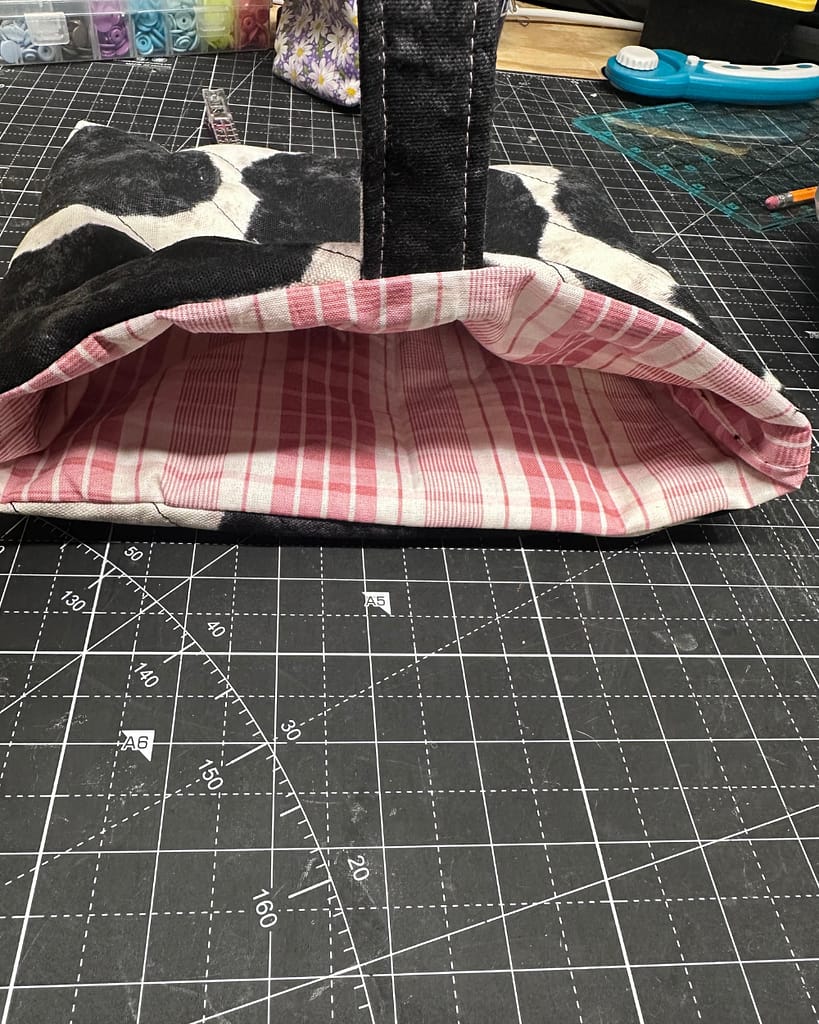
- push the finished lining into the main body.
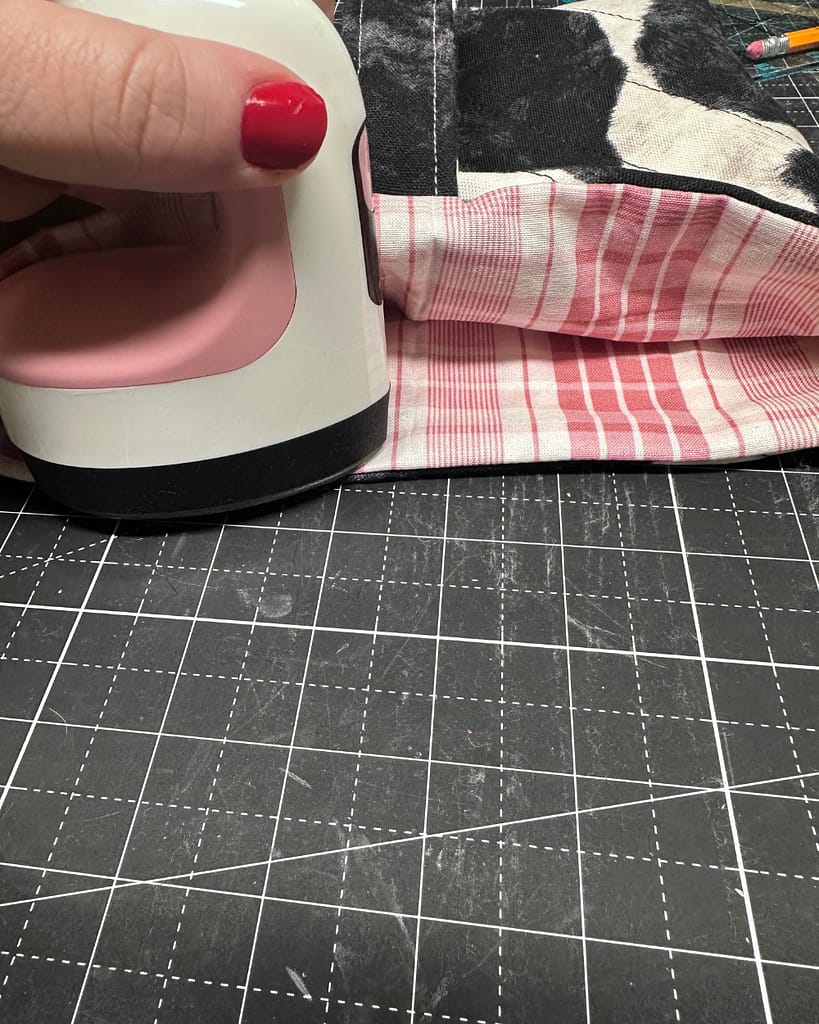
2. Carefully roll out the top seam and press flat. I like the mini iron for this because there is not much space inside the book sleeve to maneuver a full size iron. Use the tips of your fingers to feel the seam allowance through the lining and roll it out toward the seam.
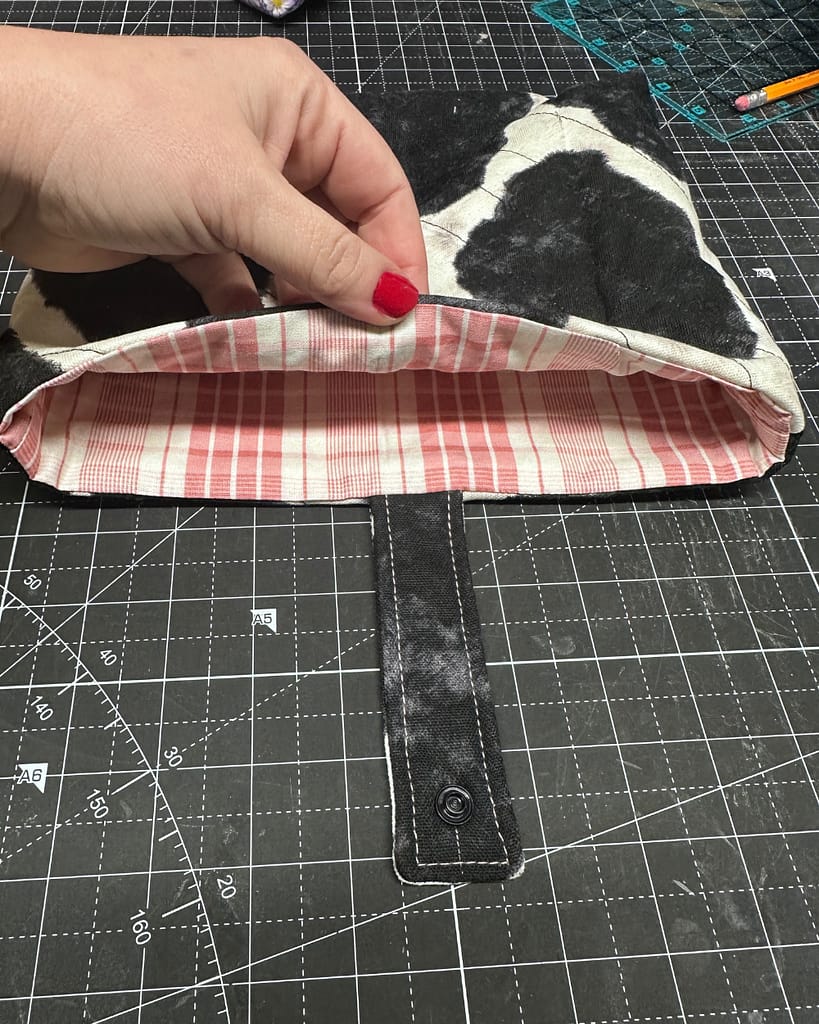
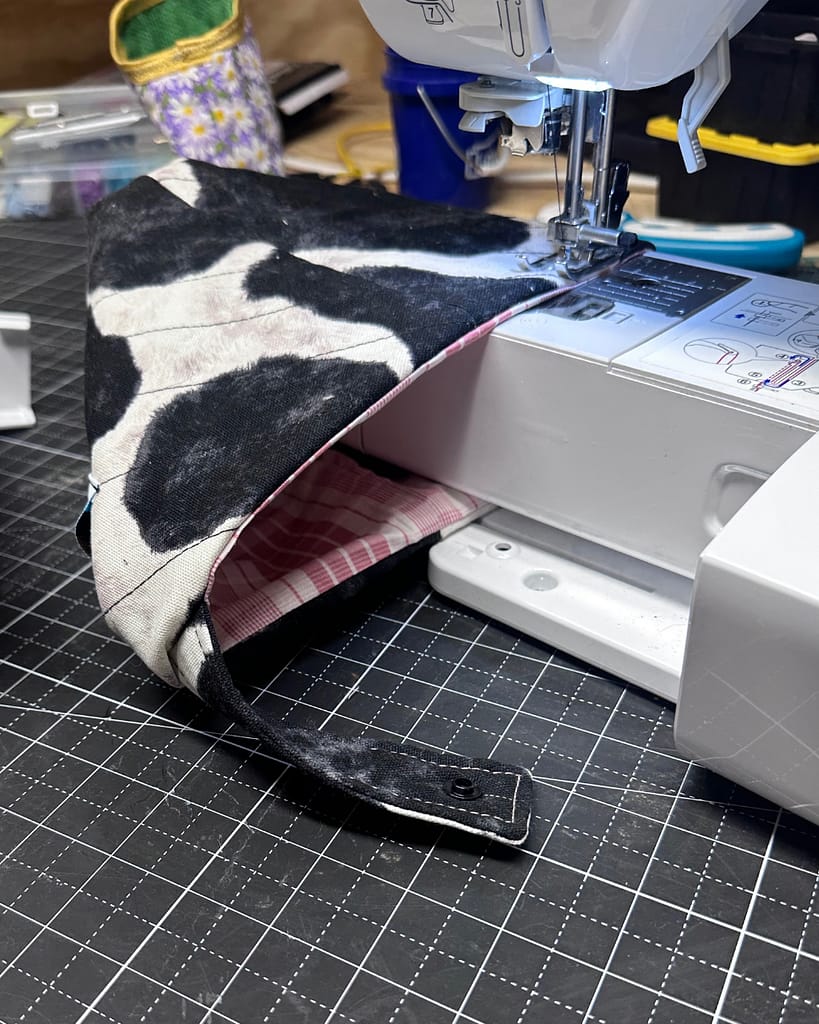
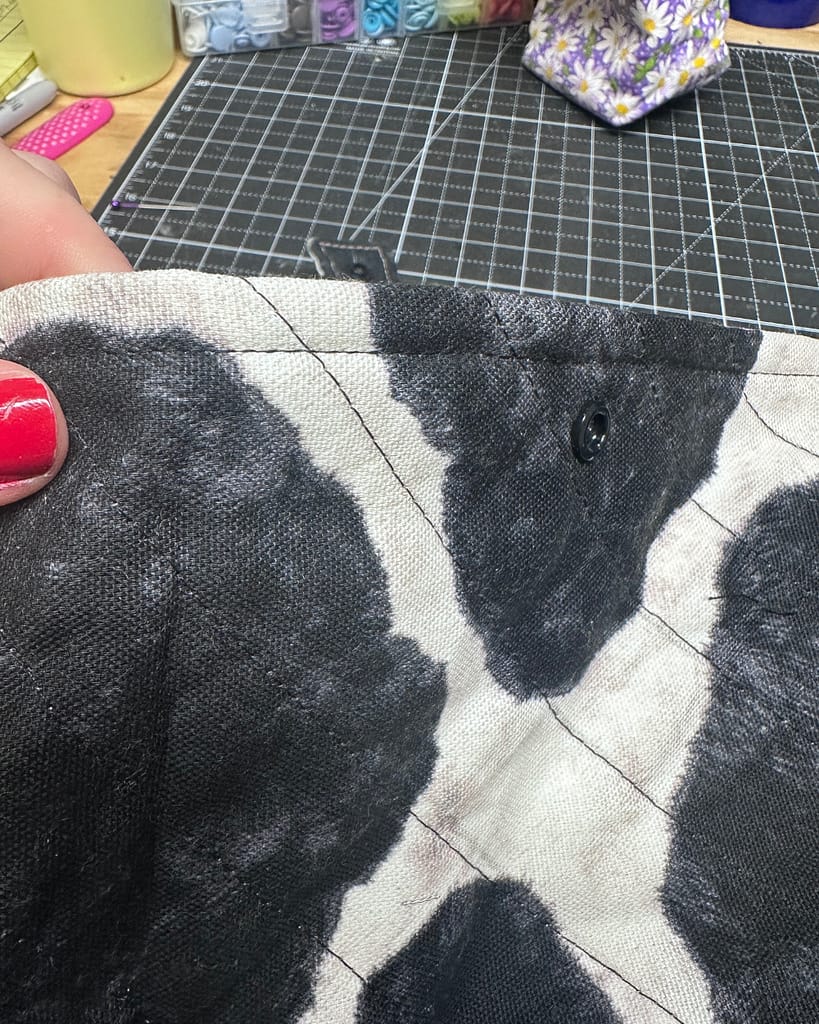
3. Topstitch all the way around the top edge with a 1/4″ seam allowance and a 4.0mm stitch length.
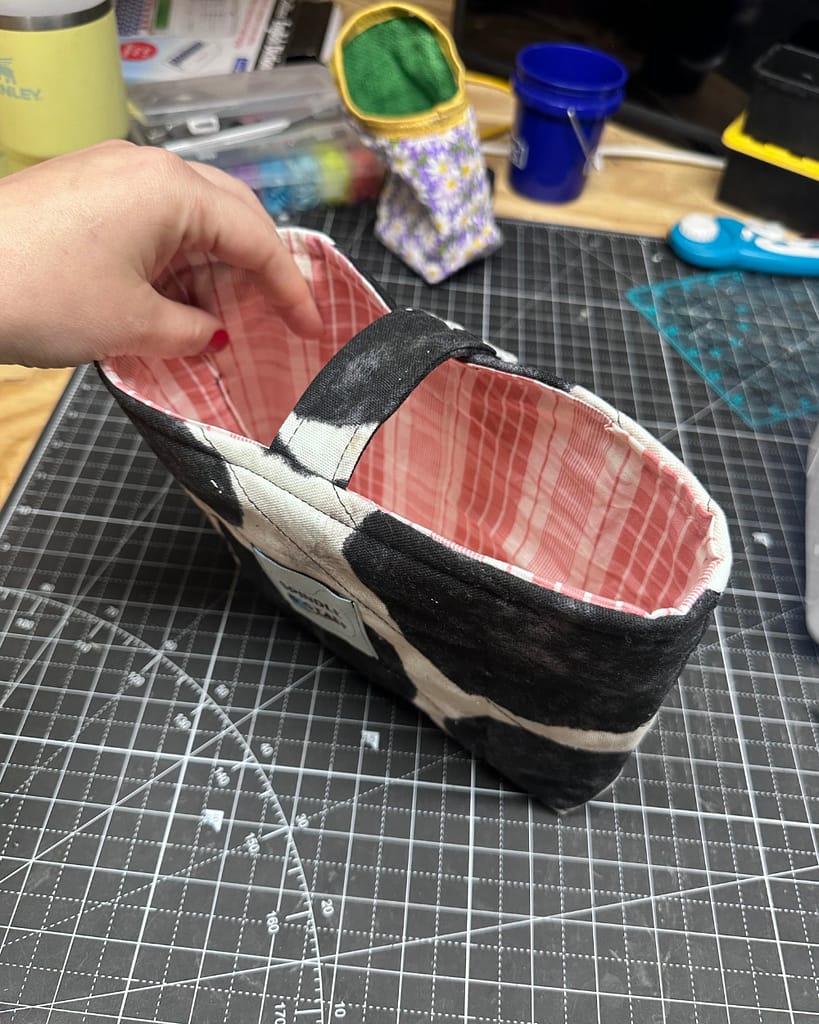
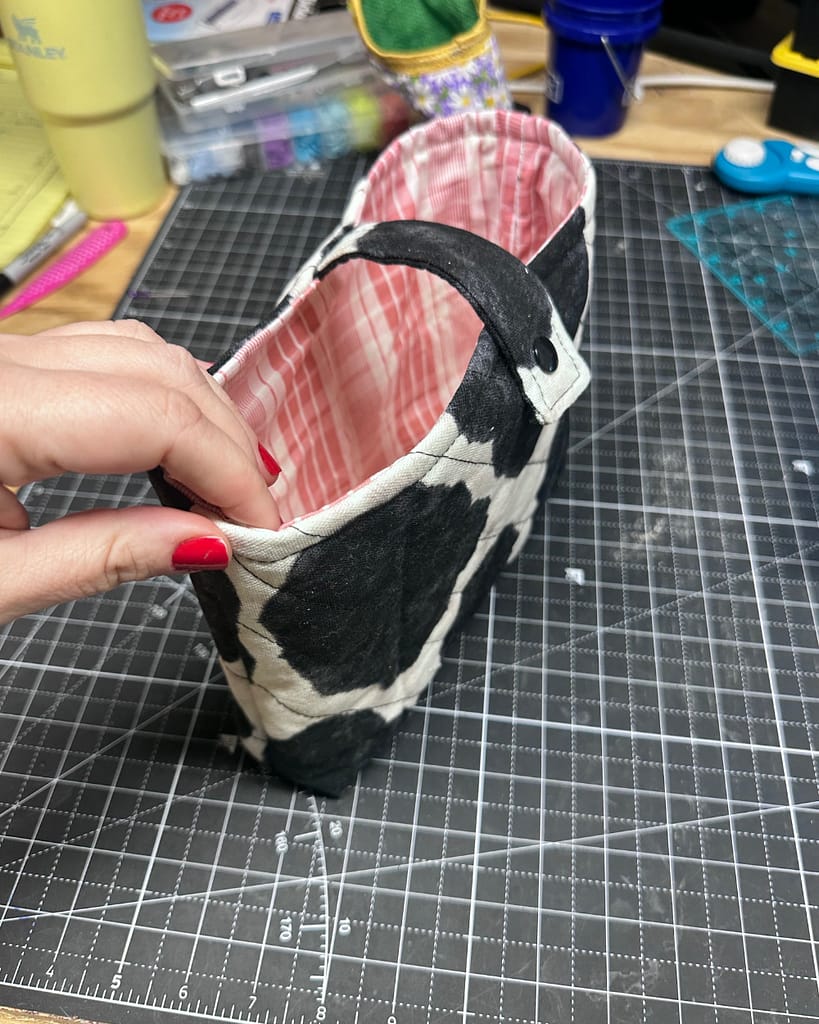
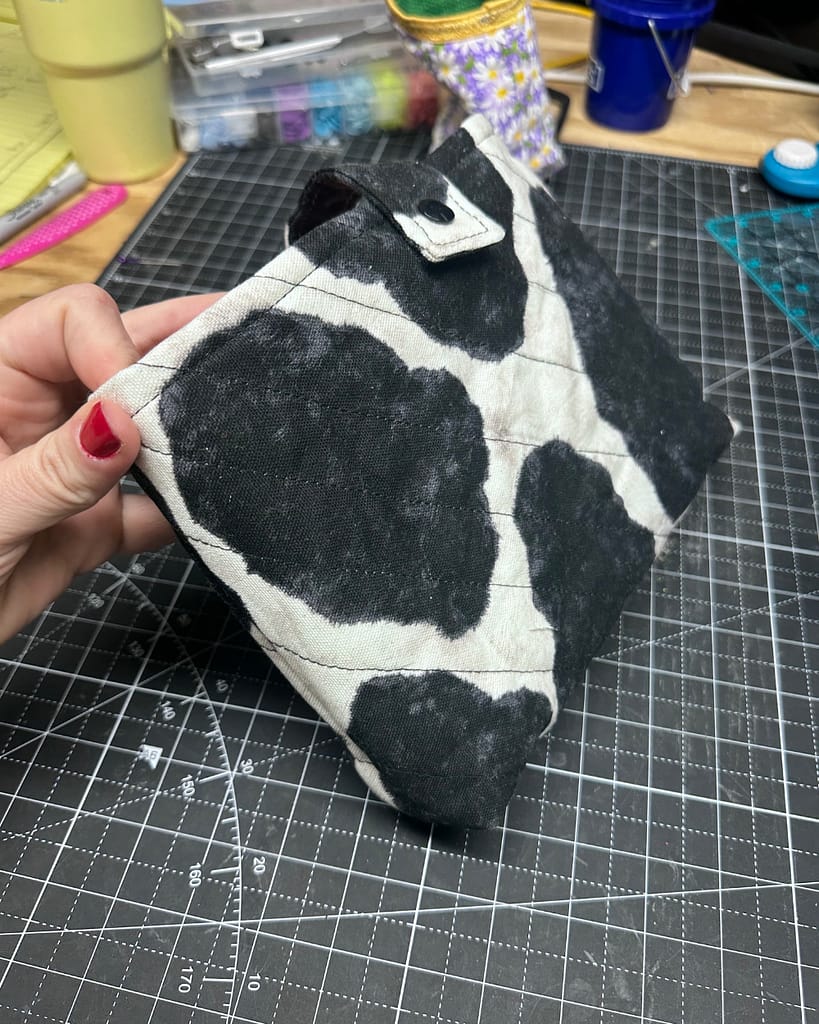
Congratulations! You made a book sleeve!
A Great Sewing Project for Confident Beginners
If you’re building skills or teaching someone else to sew, this project checks all the boxes:
- Straight stitching
- Simple construction
- Clear steps
- Practical result
It’s also a wonderful project for homeschooling, sewing electives, or life-skills learning—something I talk about often in my Hope Chest resources.
How to Make This Project Part of a Hope Chest
Handmade items like book sleeves fit beautifully into the idea of a hope chest—learning skills now that serve you for years to come.
This project teaches:
- Fabric handling
- Measuring and accuracy
- Following instructions
- Creating useful household items
- gift giving
- Reading comprehension
More Beginner Sewing Tutorials You’ll Love
If you enjoyed learning how to sew a book sleeve, you might also like:
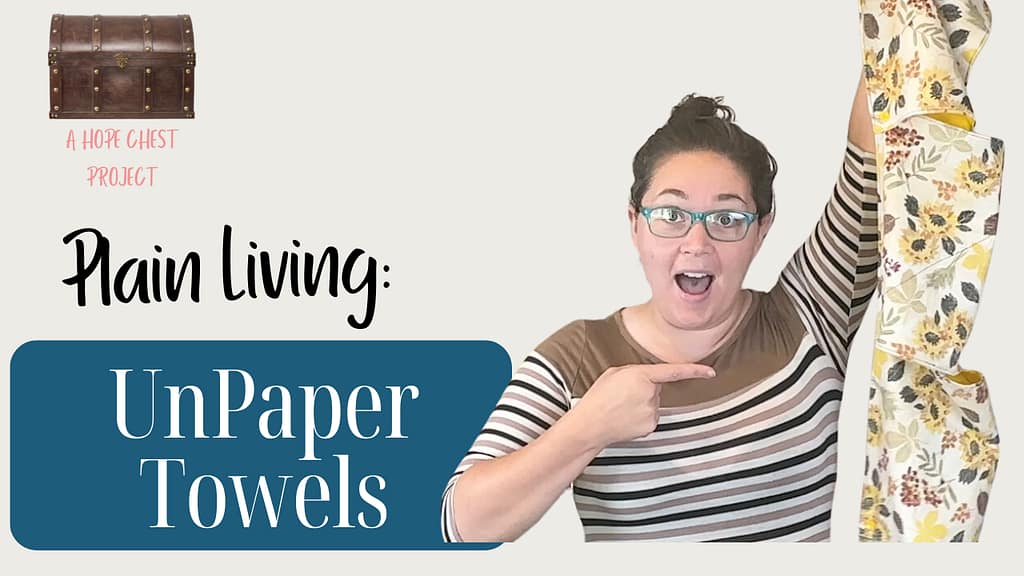
How to Sew Easy Un-Paper Towels for Kids (Beginner Sewing + Hope Chest)
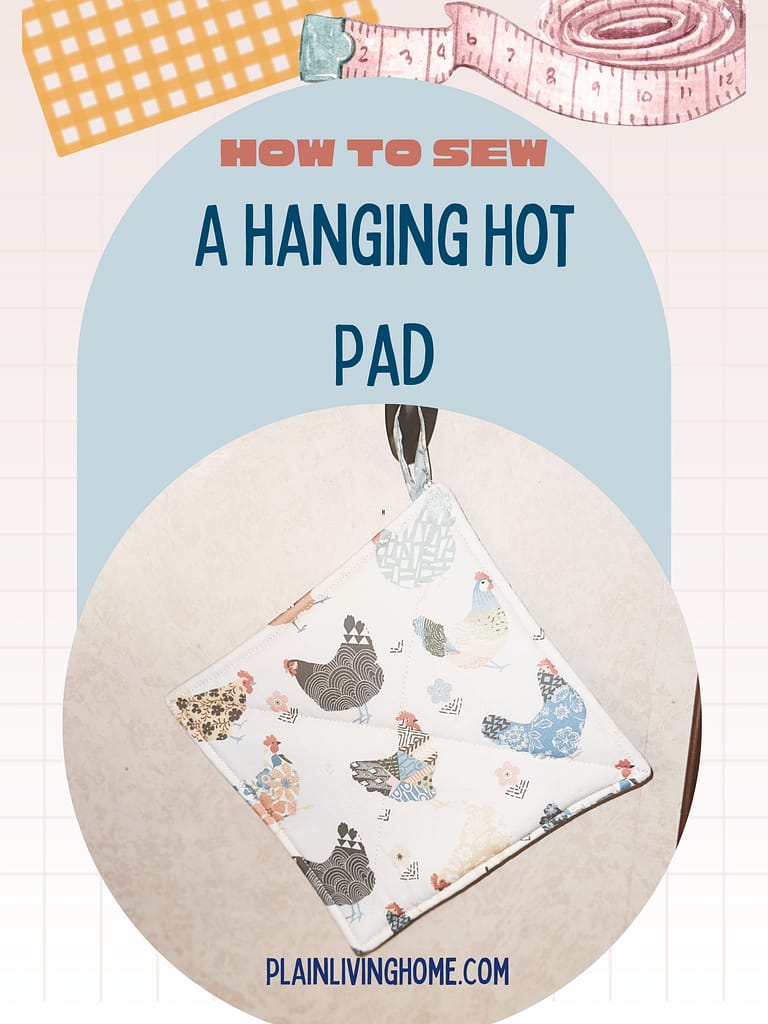
✂️ How to Sew a Simple 8.5″ Hot Pad (Beginner Sewing Tutorial)
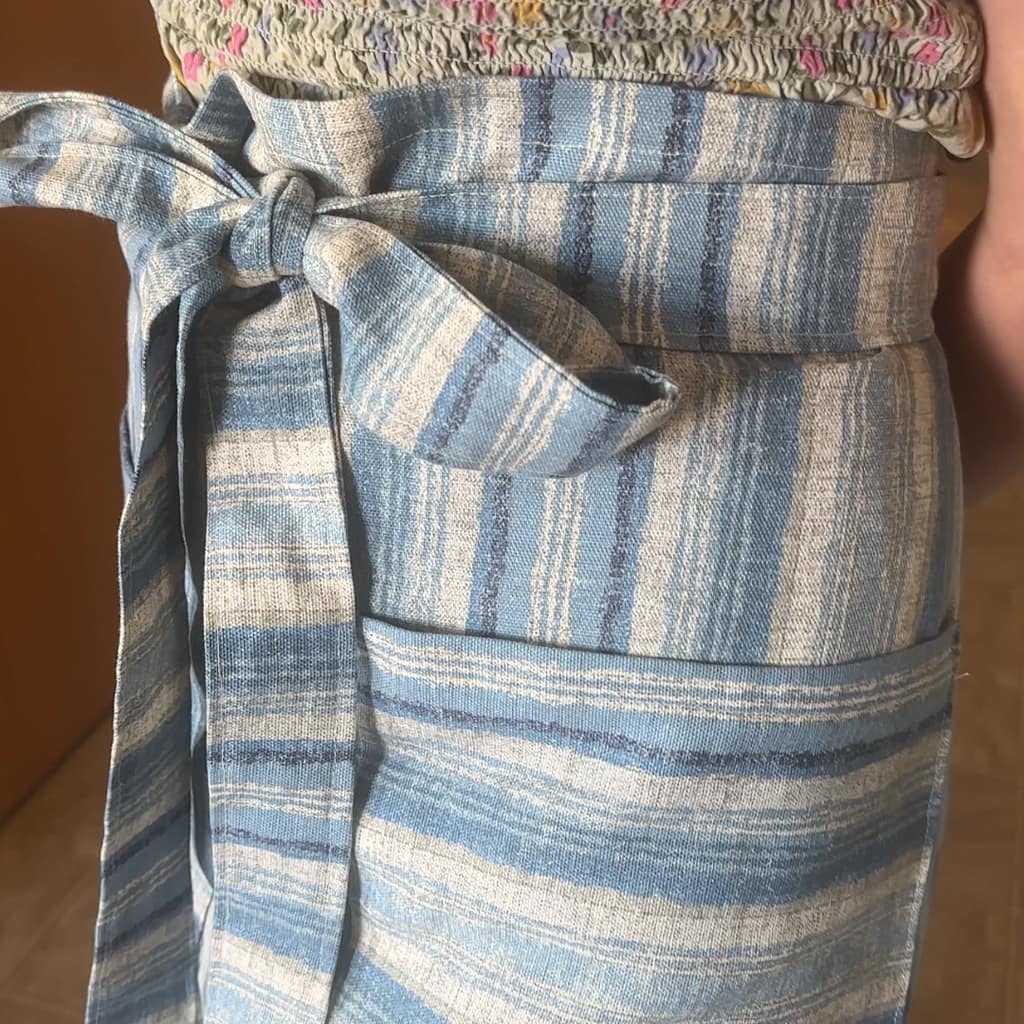
How to Sew a Half Apron or Waist Apron
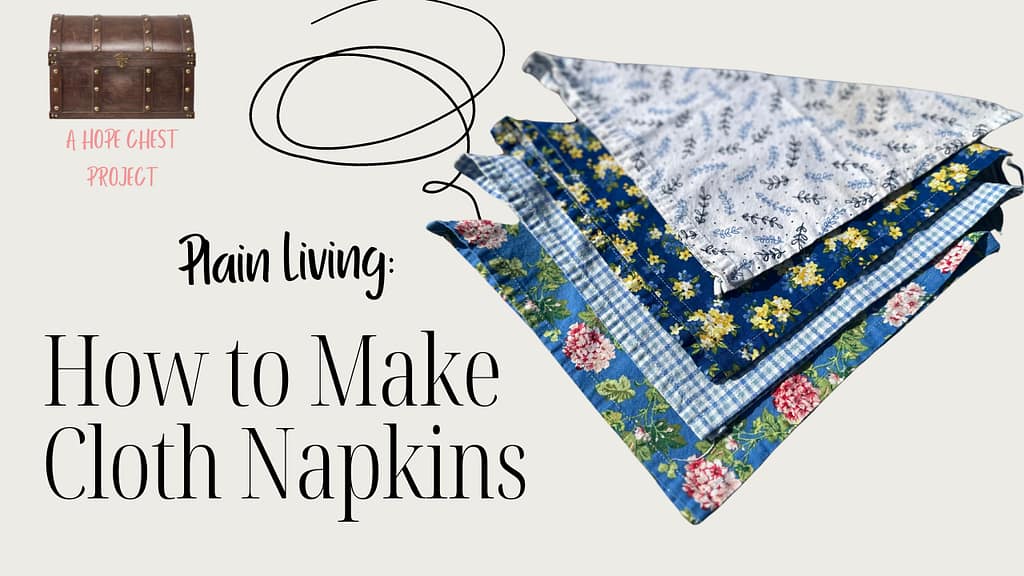
How to Sew Cloth Napkins with Mitered Corners (Step-by-Step Tutorial)
Don’t forget the FREE printable tutorial! I’ll send it to your inbox so you can find it later!
Book Sleeve Sewing FAQs
Quick, beginner-friendly answers to common questions about how to sew a padded book sleeve (and how to size it for gifts).
What is a book sleeve?
A book sleeve is a padded fabric cover designed to protect books from damage while traveling or being stored. It typically includes quilting cotton fabric and batting to cushion books from spills, bent corners, and everyday wear.
What size should I make a book sleeve?
The best book sleeve size depends on the books you want to protect. A standard sleeve usually fits paperbacks and average hardcovers, while larger sleeves can be made for textbooks, journals, or Bibles by measuring the book’s height, width, and spine thickness before cutting fabric.
What fabric is best for sewing a book sleeve?
Quilting cotton is the best fabric for sewing a book sleeve because it is easy to sew, widely available, and durable. For extra protection, cotton canvas or linen can be used for the exterior, paired with cotton fabric on the lining.
Do I need batting for a book sleeve?
Yes, batting is recommended for a book sleeve because it provides cushioning and structure. Low-loft cotton or polyester batting works well and keeps the sleeve lightweight while still protecting the book.
Is a book sleeve a good beginner sewing project?
A book sleeve is an excellent beginner sewing project. It uses straight seams, simple construction, and minimal supplies, making it ideal for new sewists who want a practical and giftable finished item.
Can I sew a book sleeve without a sewing machine?
You can sew a book sleeve by hand, but it will take longer and require strong, even stitches. A sewing machine is recommended for durability, especially when sewing through batting and multiple fabric layers.
How long does it take to sew a book sleeve?
Most book sleeves can be sewn in 30–45 minutes, even by beginners. Once you are familiar with the process, it often takes less than 30 minutes from cutting to finished sleeve.
Can book sleeves be washed?
Most book sleeves made with cotton fabric and batting can be machine washed on a gentle cycle and air dried. Washing before gifting is recommended to prevent shrinkage later.
Are book sleeves good handmade gifts?
Book sleeves make excellent handmade gifts because they are useful, customizable, and quick to sew. They are especially popular gifts for readers, teachers, students, homeschool families, and book lovers.
Can I customize a book sleeve?
Book sleeves are easy to customize by changing fabric prints, adding quilting lines, adjusting size, or including features like a button loop or snap closure. Custom sizing also allows sleeves to fit Bibles, planners, or journals.
Will a book sleeve protect books in a backpack or bag?
A padded book sleeve helps protect books inside backpacks, purses, and tote bags by reducing corner damage and shielding against light spills. While it is not waterproof, it significantly reduces everyday wear.
What books are book sleeves best for?
Book sleeves work well for paperbacks, hardcovers, textbooks, journals, planners, and Bibles. They are especially useful for books carried daily or packed for travel.