How to Make Homemade Mustard From Scratch
Some links in this post may be affiliate links. That means I might make a small commission on qualifying purchases if you click the link. There is no extra cost to you.
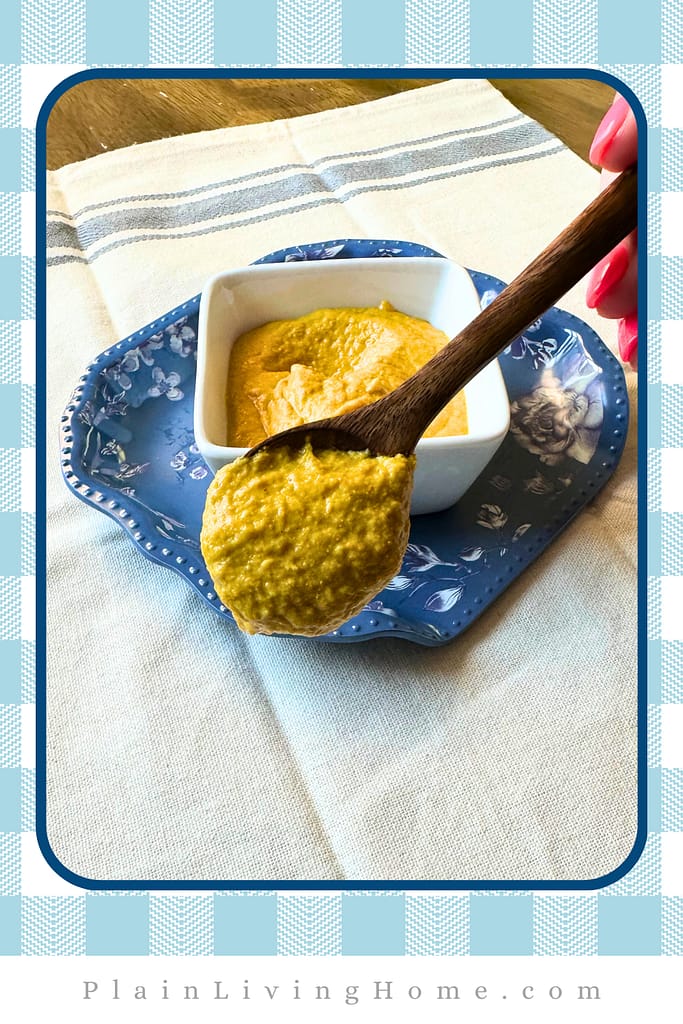
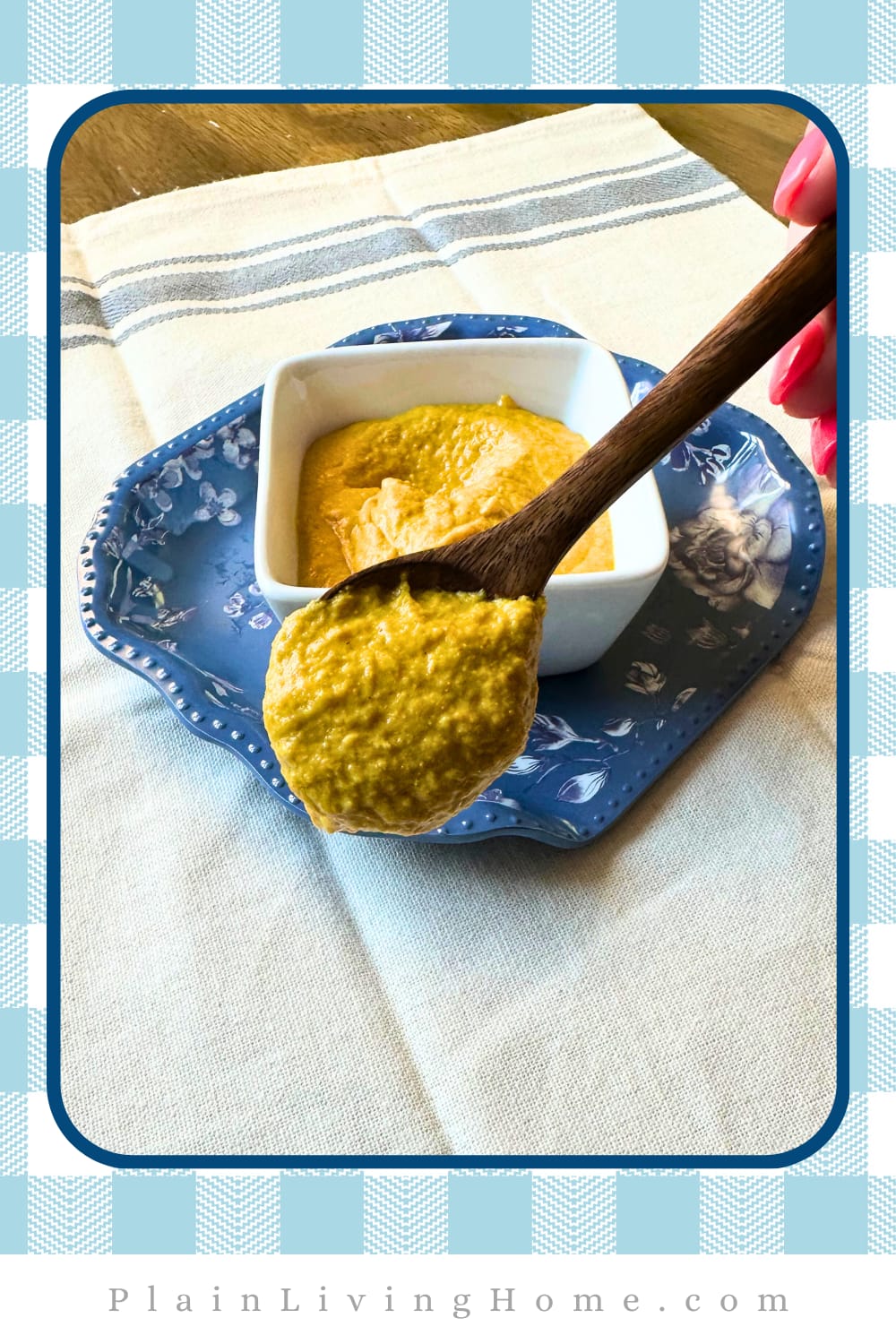
A Cooked Homemade Mustard Recipe with fresh, whole ingredients.
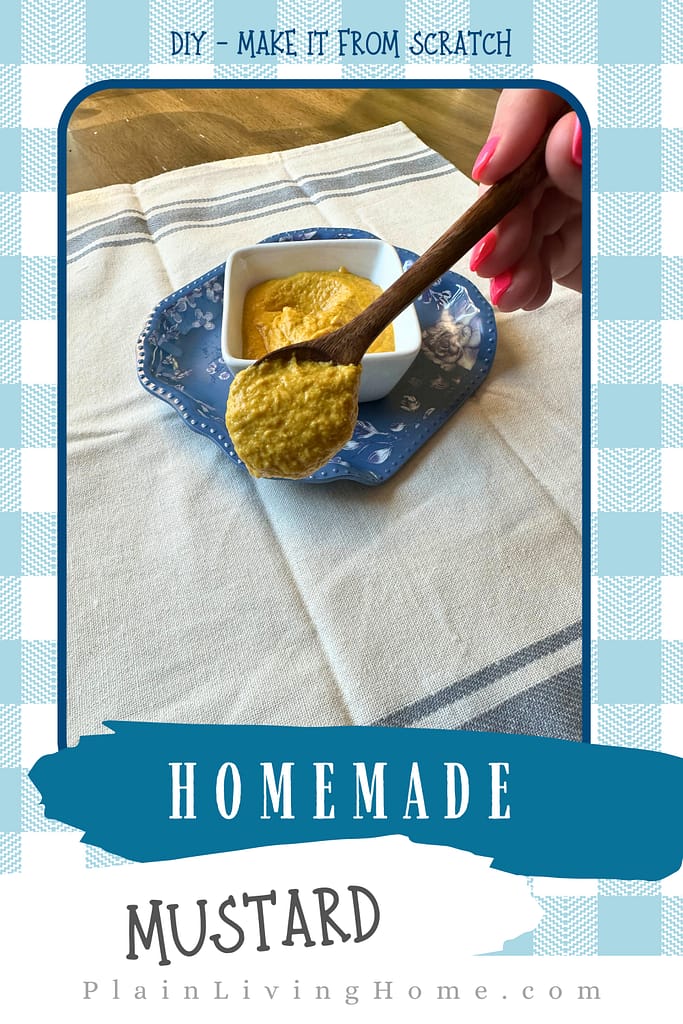
Table of Contents
- Why Make Homemade Mustard
- My Experience with Homemade Mustard
- What Homemade Mustard Really Is
- Why This Mustard Is Cooked
- Ingredients for Homemade Mustard
- Ingredient Deep Dive: Mustard Seed, Liquid, and Heat
- Equipment You’ll Need
- How to Make Homemade Mustard Step by Step
- How Thickening Works in Cooked Mustard
- Troubleshooting Homemade Mustard
- Flavor Variations
- How Long Homemade Mustard Lasts
- Is Homemade Mustard Safe
- Ways to Use Homemade Mustard
- Frequently Asked Questions
- Final Thoughts
Don’t lost the recipe. I’ll send it to you for safe keepings. Just type your email address.
Why Make Homemade Mustard
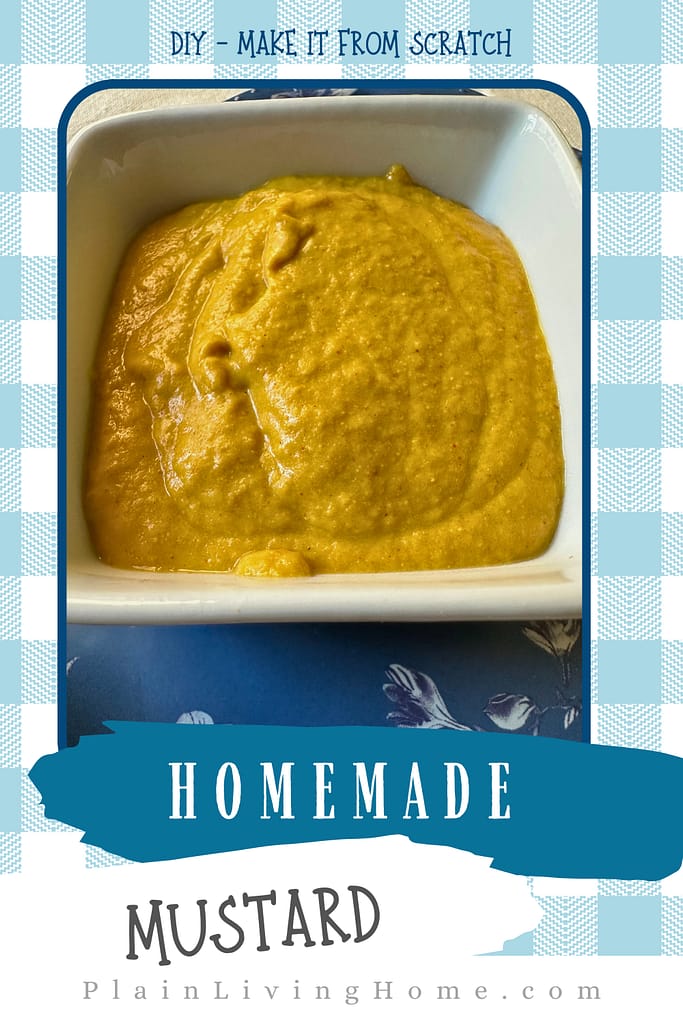
Mustard is one of those condiments most people never think to make at home. It’s cheap, familiar, and always sitting on the store shelf.
But once you make it from scratch, it’s obvious why homemade mustard tastes different. You control the heat, the tang, the sweetness, and the texture—and none of it relies on preservatives or stabilizers.
Homemade mustard also fits naturally into a from-scratch kitchen. It’s simple, flexible, and pairs perfectly with other homemade sauces like mayonnaise and salad dressings. It even makes the base of some of my favorite homemade dressings.
My Experience with Homemade Mustard
For a long time, mustard was just something I bought. Yellow mustard, Dijon, honey mustard—I grabbed whatever bottle fit the meal. Lately, as I’ve worked on getting more protein in my diet, I’ve started eating cottage cheese. I do not particularly enjoy cottage cheese. But if I stir in mustard, and use it as a dipping sauce, I can dip sausages, chicken, veggies, and cheese in with no problem.
So, that alone has upped my mustard intake recently. Because I started making more condiments from scratch, mustard felt like the natural next step. I wanted something with depth and real flavor, not just vinegar and yellow dye.
This cooked mustard method finally gave me the flavor and texture I was after. It’s bold, balanced, and actually thickens the way mustard should.
You have to cook mustard?!
But let me just tell you…it wasn’t a natural, easy recipe. My mom and I were making it together. I had researched about 7 different recipes and tweaked the ingredients and ratios to what I wanted to try. So there we were, just happily mixing up all the ingredients. But it looked so runny!
Suddenly mom exclaimed ” did you read the recipe wrong?” We scrambled to find other recipes online for comparison. Maybe the vinegar was half a teaspoon instead of half a cup? But no. We had all the measurements correct.
Finally, mom scrolled to the instructions. You have to cook it! This mustard recipe uses a lot of liquid and a lot of spices. Naturally, you have to cook it a bit to reduce the liquid and expand the flavors. SO learn from our own panic- it’s not too runny. You just need to cook it.
What Homemade Mustard Really Is
At its core, mustard is made from mustard seed, liquid, and acid. The flavor comes from a natural chemical reaction when the seeds are crushed and hydrated. I chose not to grind my own seeds, purely out of convenience. However, if you really want to have whole ingredients, buy mustard seed and grind them yourself for a coarser mustard.
Unlike mayonnaise, mustard doesn’t rely on emulsification. Instead, heat, soaking, and acidity determine how sharp or mellow the final flavor becomes.
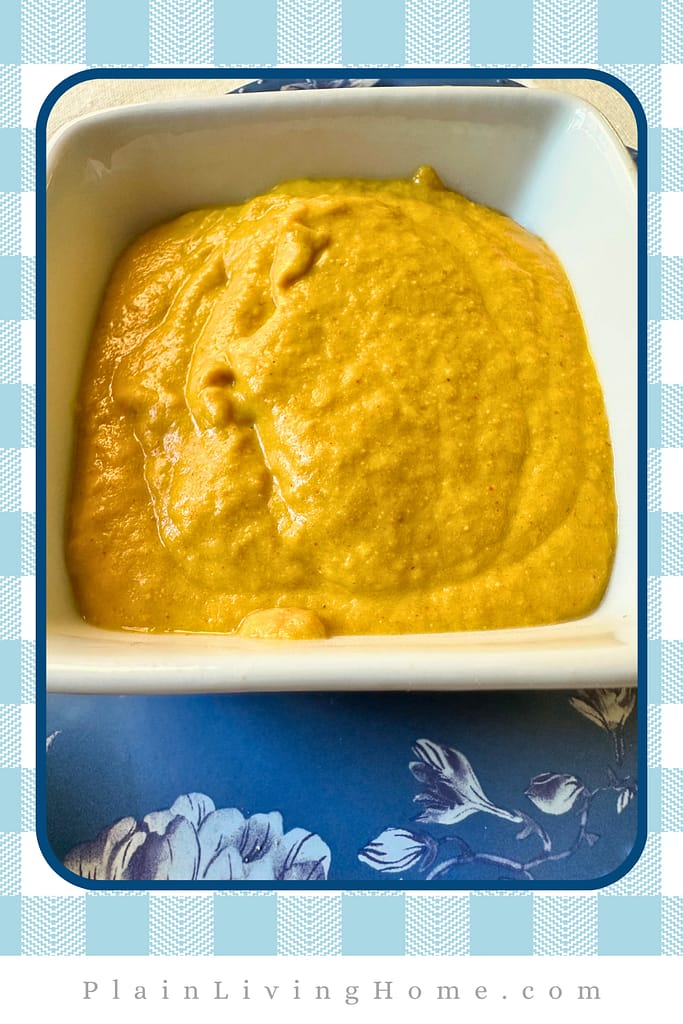
Commercial mustards speed this process up with powders, gums, and stabilizers. Homemade mustard relies on time and technique instead. Also the turmeric and paprika help give it that bright yellow color with beautiful golden flecks of paprika.
Why This Mustard Is Cooked
Many homemade mustard recipes skip cooking entirely. Those versions can work, but they often stay thin and overly sharp, or don’t add enough liquid to try rehydrate the mustard powder.
Cooking mustard does two important things:
- It thickens the mixture naturally after allowing the mustard to fully hydrate
- It mellows harsh bitterness while deepening flavor from the spices
This reduction method creates a smoother, more familiar mustard that works for everyday use—not just novelty batches.
Ingredients for Homemade Mustard
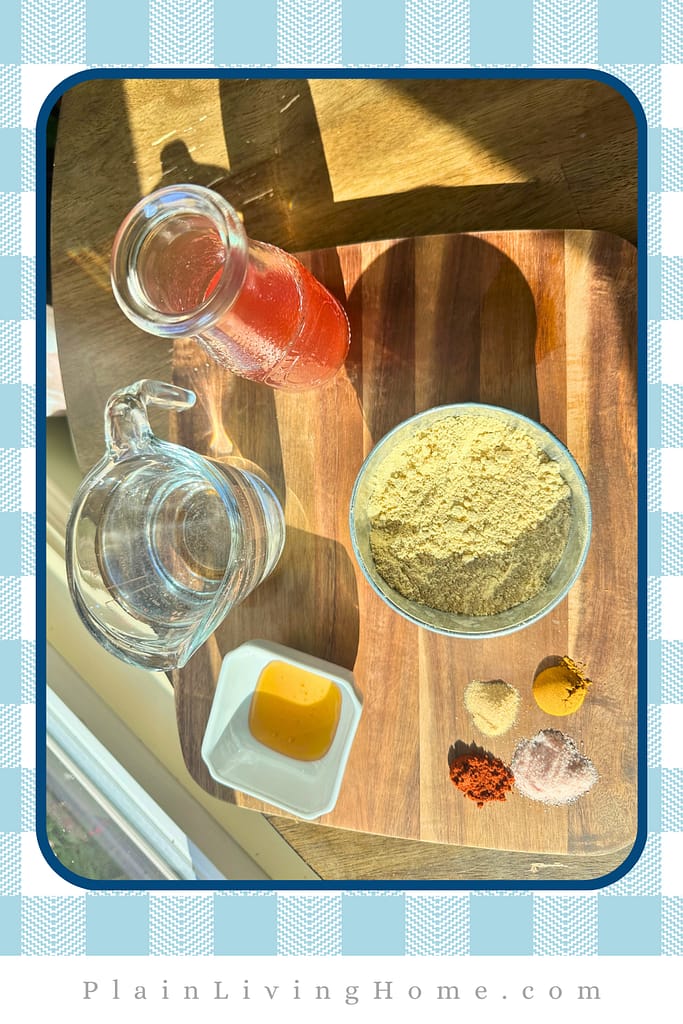
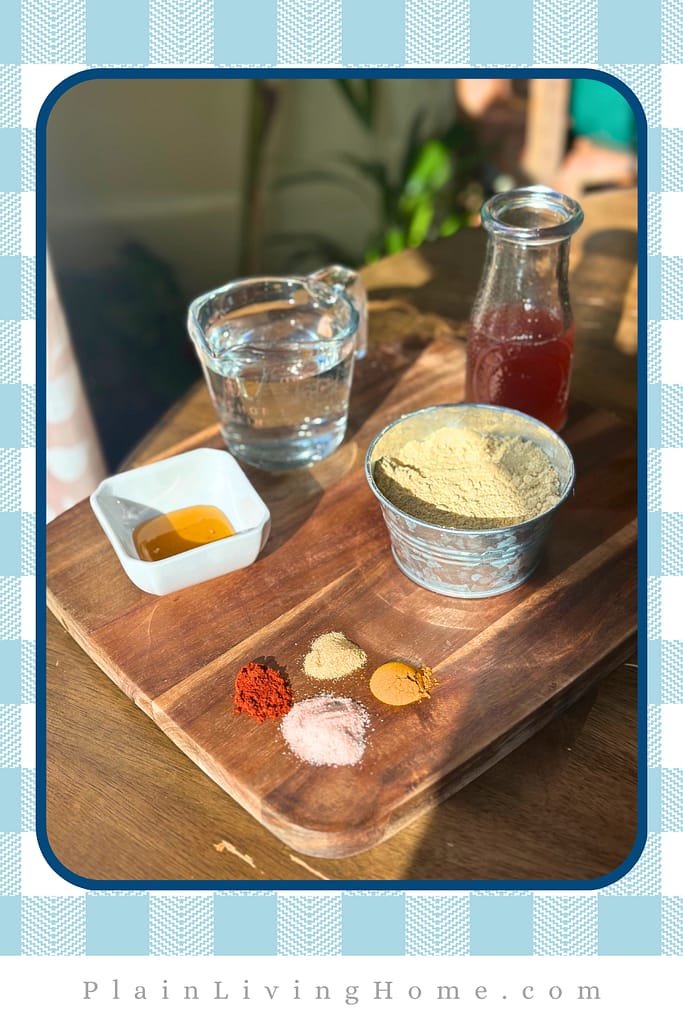
This recipe uses simple pantry ingredients, but each one matters.
- Mustard seeds (yellow is the least likely to turn bitter)
- Vinegar or apple cider vinegar ( we chose red wine, but any vinegar or lemon juice will work)
- Water (I prefer a good filtered water)
- garlic powder
- turmeric powder
- Salt
- honey
Because the ingredient list is short, quality shows through in the final result.
Don’t lost the recipe. I’ll send it to you for safe keepings. Just type your email address.
Ingredient Deep Dive: Mustard Seed, Liquid, and Heat
Mustard seeds contain compounds that create heat when crushed and hydrated. Yellow seeds are mild, while brown or black seeds are spicier. The darker seeds tend to go bitter with the reduction process.
Vinegar controls sharpness and preserves the mustard. More vinegar creates a tangier, milder flavor over time.
Heat slows enzymatic reactions. Cooking the mustard after soaking helps balance heat and prevents bitterness from becoming overpowering. Slowly heating the mustard reduces the liquid so you can control the consistency of the mustard.
Equipment You’ll Need
You don’t need special tools, but the right ones make things easier.
- Saucepan
- Blender or immersion blender
- Fine mesh strainer (optional)
- Glass jar for storage
A blender gives you smooth mustard. A food processor leaves more texture.
How to Make Homemade Mustard Step by Step
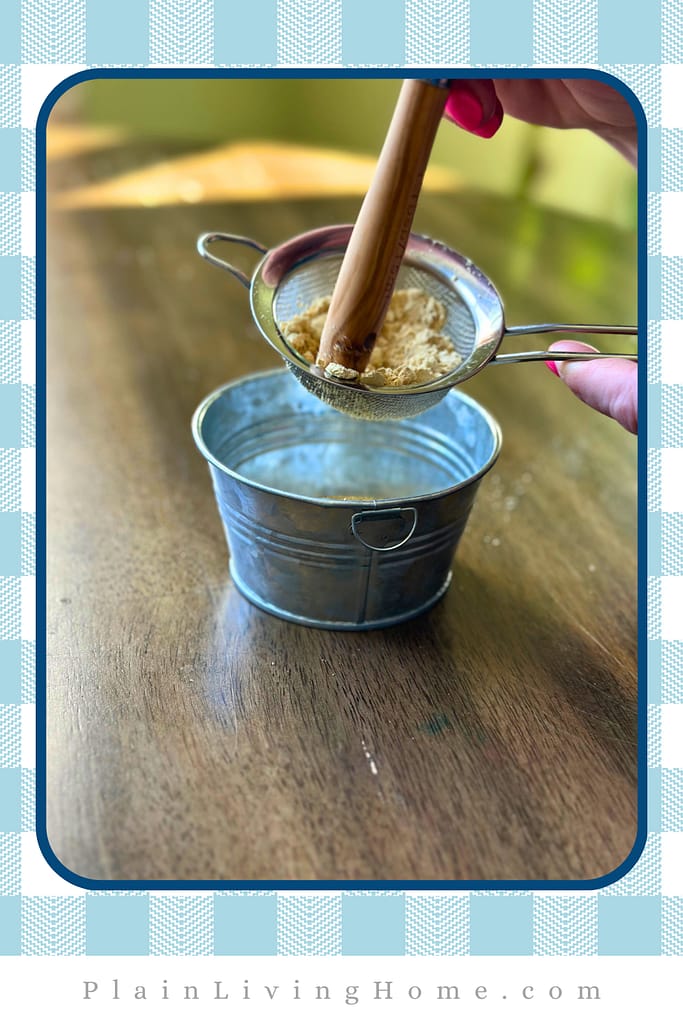
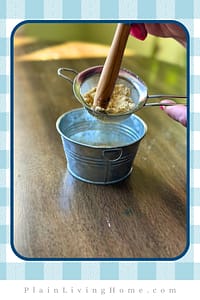
- Start by sifting the mustard powder through a fine strainer. Use a wooden utensil to gently push the powder through the mesh.
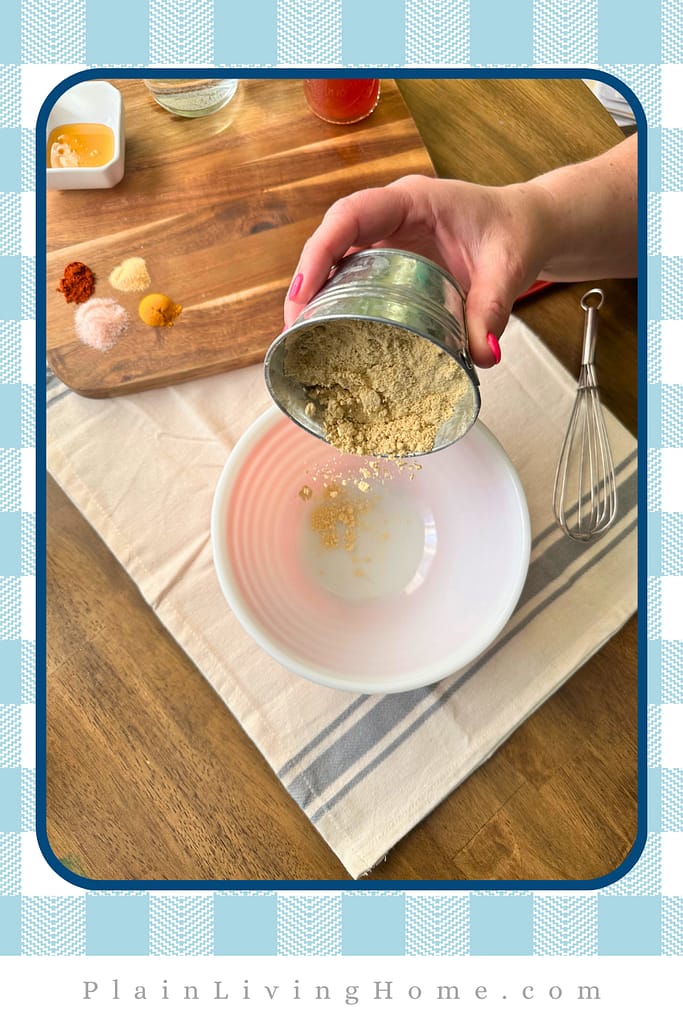
2.Transfer the sifted powder to a small mixing bowl. Next, add in the paprika, salt, turmeric, and garlic powder. Whisk the dry ingredients together until well incorporated.
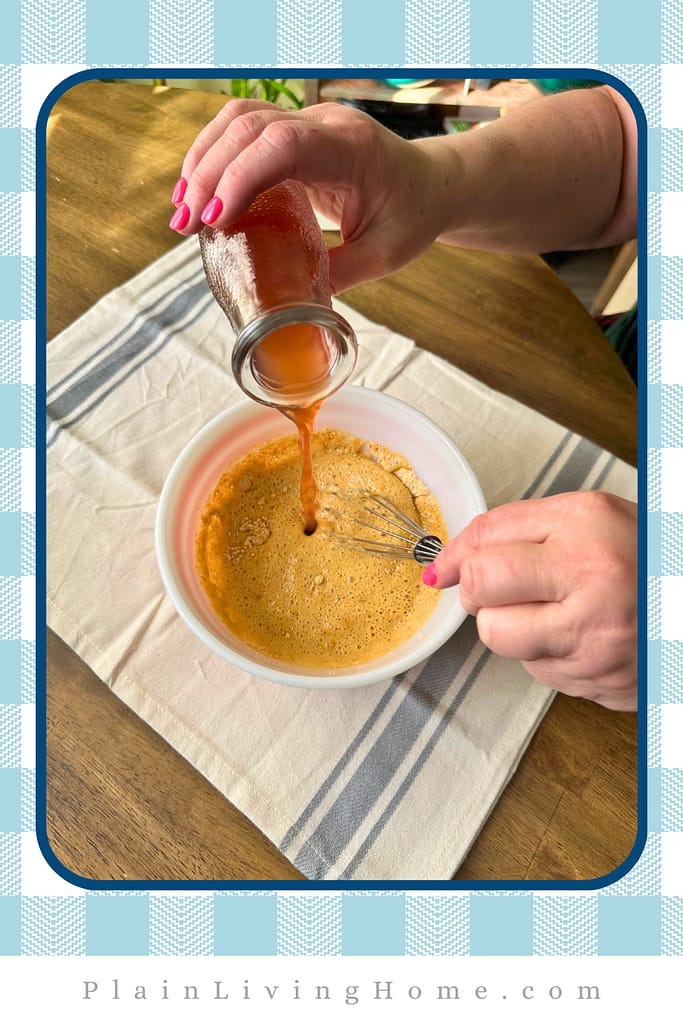
3. Now, pour the water, vinegar, and any sweetener into the dry ingredients and whisk until smooth.
4. Carefully transfer the mustard into a small saucepan. Then place it on a burner on low to medium heat.
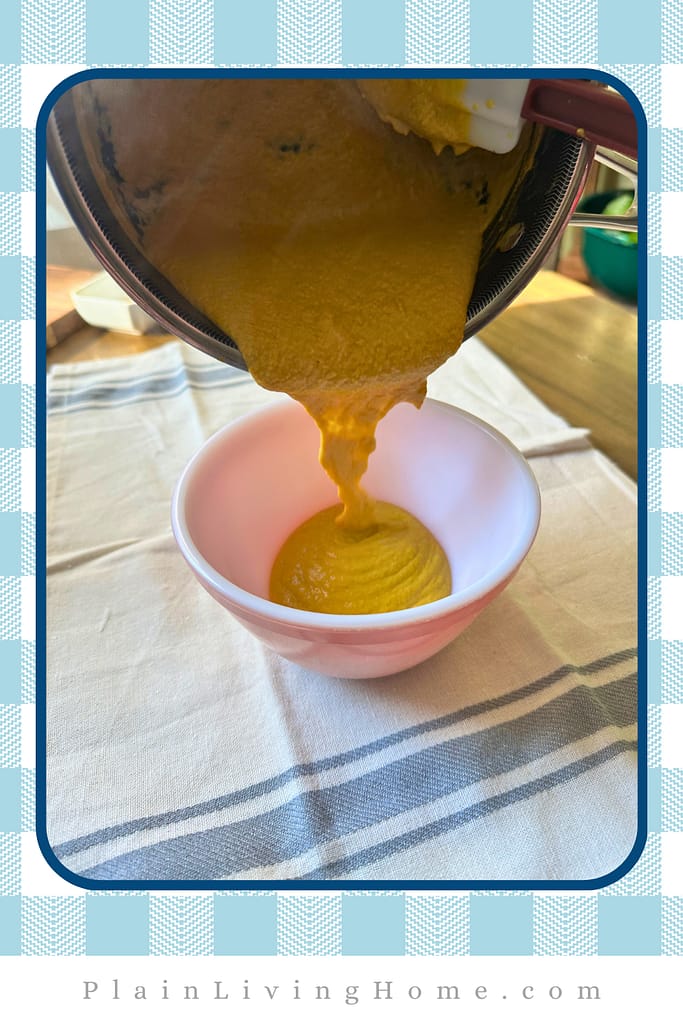
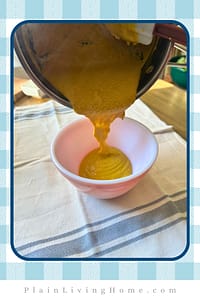
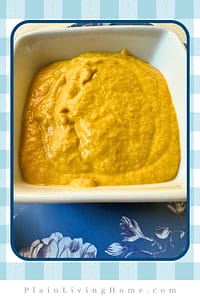
5. Simmer gently, stirring often, until the mustard thickens to your liking. This usually takes 10–15 minutes. The mustard will continue to thicken as it cools, so stop cooking before the mustard thickens to your desired consistency.
5. Finally, allow the mustard to cool completely before transferring to a jar.
How Thickening Works in Cooked Mustard
Mustard thickens through seed breakdown and gentle evaporation.
As the mixture heats, starches and seed particles swell and bind liquid. Cooking also reduces excess moisture, creating a spreadable consistency.
This is why cooked mustard continues to thicken slightly as it cools.
Troubleshooting Homemade Mustard
Homemade mustard is forgiving, but a few issues can pop up.
If it’stToo thin: Simmer longer or blend more thoroughly.
Mustard Too bitter?: Add a touch of sweetener or let it rest longer.
Too spicy: Stir in more vinegar or allow aging time.
Flavor often improves after 24–48 hours in the fridge.
Flavor Variations
Once you master the base recipe, variations are easy.Just think of all the different style of mustard!
- Honey mustard
- Whole-grain mustard
- Garlic mustard
- Herb-infused mustard
Now, you can be creative. First, make up a batch of regular homemade mustard. Then, add extra flavors after cooking so you don’t lose their brightness.
How Long Homemade Mustard Lasts
Homemade mustard keeps well thanks to its acidity. The vinegar or lemon juice help to preserve the mixture.
Stored in a sealed container in the refrigerator, it lasts 2–3 months. Naturally, the flavor continues to mellow over time.
Always use a clean spoon to prevent contamination.
Is Homemade Mustard Safe
Yes. Vinegar creates an acidic environment that discourages bacterial growth.
As long as the mustard is refrigerated and handled cleanly, it’s very safe for home use.
Ways to Use Homemade Mustard
Homemade mustard works anywhere store-bought mustard does—and more.
- Sandwich spreads
- Salad dressings
- Marinades
- Sauce bases
- charcuterie board
It also pairs perfectly with homemade mayonnaise to create creamy mustards and dressings.
Don’t lost the recipe. I’ll send it to you for safe keepings. Just type your email address.
Homemade Mustard FAQs
Straightforward answers to the most-searched questions about making mustard from scratch, why cooked mustard thickens, and how to balance heat and tang.
How do you make homemade mustard from scratch?
Start by soaking mustard seeds in vinegar and water so they hydrate and soften, then blend to your preferred texture. For a cooked mustard, simmer the blended mixture gently until it thickens, then cool and jar it. The flavor improves after a day or two in the fridge as the sharp edges mellow Method.
Why do you soak mustard seeds before making mustard?
Soaking hydrates the seeds so they grind smoothly and release flavor evenly. It also gives you more control over texture, because fully hydrated seeds blend into creamy mustard instead of gritty paste. If you skip the soak, the mustard often tastes harsh and the texture can be stubbornly grainy.
Does homemade mustard need to be cooked?
No, but cooking solves two common problems: thin mustard and overpowering sharpness. A gentle simmer naturally thickens the mustard and rounds out the flavor without needing thickeners. If you want a mustard that spreads like store-bought but tastes fresher, cooked is the way to go.
How do I thicken homemade mustard?
The simplest method is to simmer it gently and stir often until it reaches your preferred thickness. Mustard continues to thicken as it cools, so stop cooking when it’s slightly looser than you want. If it’s still thin after cooling, simmer a few minutes longer the next time Thickness.
Why does my homemade mustard taste bitter?
Bitter mustard usually comes from very strong seeds (brown/black), too little sweet balance, or tasting it too soon. Fresh mustard can be intense at first, then mellows as it rests. Let it age in the fridge for 24–48 hours, and if you still need balance, add a small amount of honey or sugar.
How long does homemade mustard last in the fridge?
Homemade mustard typically lasts 2–3 months when stored in a clean, airtight jar in the refrigerator. Vinegar helps preserve it, but clean handling matters—always use a clean spoon. If you notice off smells, mold, or a strange “fermented” taste, discard it.
What’s the difference between yellow mustard and Dijon mustard?
Yellow mustard is usually made with yellow mustard seeds and tends to be milder and brighter. Dijon-style mustard often uses brown mustard seeds and can taste sharper, with more depth. At home, your liquid choice matters too—wine vinegar creates a more Dijon-like flavor than plain vinegar.
Can I make whole grain mustard without a special grinder?
Yes. Soak the seeds, then pulse briefly in a blender or food processor so some seeds stay whole. Whole grain mustard is more about texture than perfectly even grinding. If you want it smoother, blend longer—or strain just a portion and stir it back in.
Easy Homemade Yellow Mustard
Equipment
- 1 whisk
Ingredients
- 1 cup water
- 3/4 cup mustard powder
- 2 tsp salt
- 1/2 tsp turmeric
- 1/2 tsp garlic powder
- 1/2 tsp paprika
- 1/2 cup vinegar red whine, white,4 or ACV
- 4 Tbs honey
Instructions
- If your mustard powder has large clumps, sift it first. Then, add all ingredients { 1 cup water, 3/4 cup mustard powder, 2 tsp salt, 1/2 tsp turmeric, 1/2 tsp garlic powder, 1/2 tsp paprika, 1/2 cup vinegar( red whine, white, or ACV)}, and 4 Tbs honey to a bowl and whisk together until smooth.1 cup water, 3/4 cup mustard powder, 2 tsp salt, 1/2 tsp turmeric, 1/2 tsp garlic powder, 1/2 tsp paprika, 1/2 cup vinegar, 4 Tbs honey
- Transfer to a small sauce pan. Cook on medium heat, stirring constantly, until the mustard thickens. Mustard should be lightly runnier than your desired thickness, as it will continue to thickens while it cools off.
- Pour your mustard into a jar or storage container and allow it to cool completely before sealing the lid.
Notes
- Variations: Make this base recipe first. Add in whole mustard seeds, ground by hand to make a coarse deli mustard. Add in red wine for a dijon style mustard. For honey mustard, see my Homemade Honey Mustard Recipe.
- Mustard powder freshness matters for flavor—older powder tastes flat.
- Rest time: mustard gets smoother and mellower after 12–24 hours in the fridge.
- Make it milder: add 1–2 tsp honey or a splash more water.
- Make it sharper: add a pinch more mustard powder or a bit more vinegar.
- Storage: refrigerated 2–3 weeks.
- Mustard powder freshness matters for flavor—older powder tastes flat.
- Rest time: mustard gets smoother and mellower after 12–24 hours in the fridge.
- Make it milder: add 1–2 tsp honey or a splash more water.
- Make it sharper: add a pinch more mustard powder or a bit more vinegar.
- Storage: refrigerated 2–3 weeks.
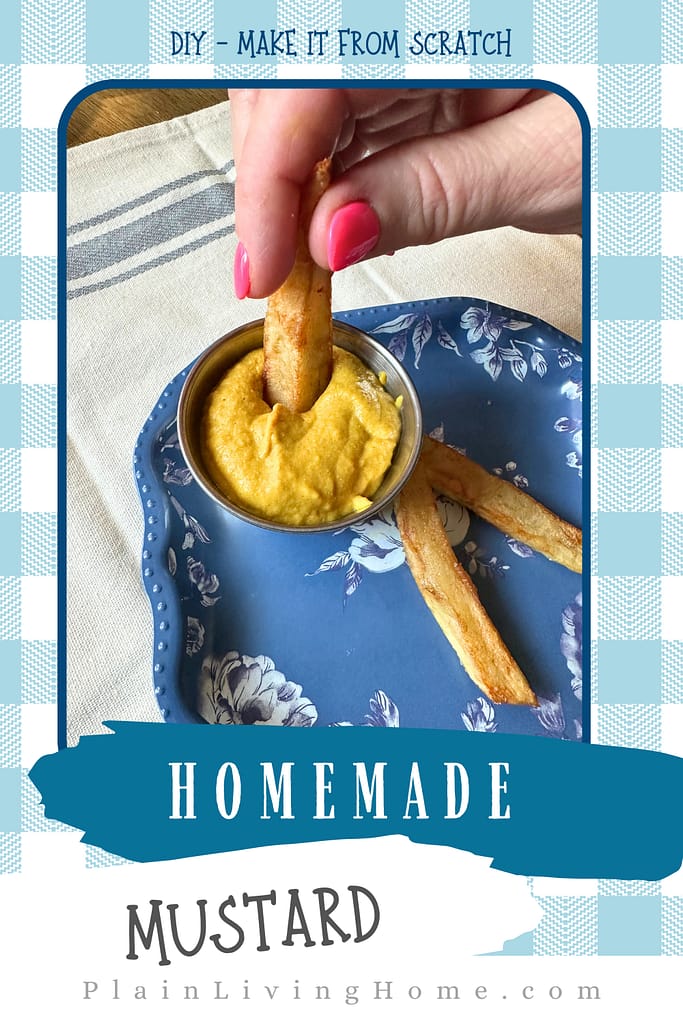
- Serving ideas: serve in small ramekins for dipping fries, soft pretzels, or hot dogs. Serve with burgers or hot dogs. Offer as a topping on a DIY sandwich buffet.