How to Make Homemade Mayonnaise from Scratch
Some links in this post may be affiliate links. That means I might make a small commission on qualifying purchases if you click the link. There is no extra cost to you.
You are going to love this…
Homemade Mayo
Easy, Creamy, and Made with Real Ingredients. Thats exactly what homemade mayo is when you make it from scratch. it’s delicious, nutritious, and so satisfying to make. let me show you how simple it is!
Table of Contents
- Why Make Homemade Mayonnaise
- My Story With Mayonnaise
- What Homemade Mayonnaise Really Is
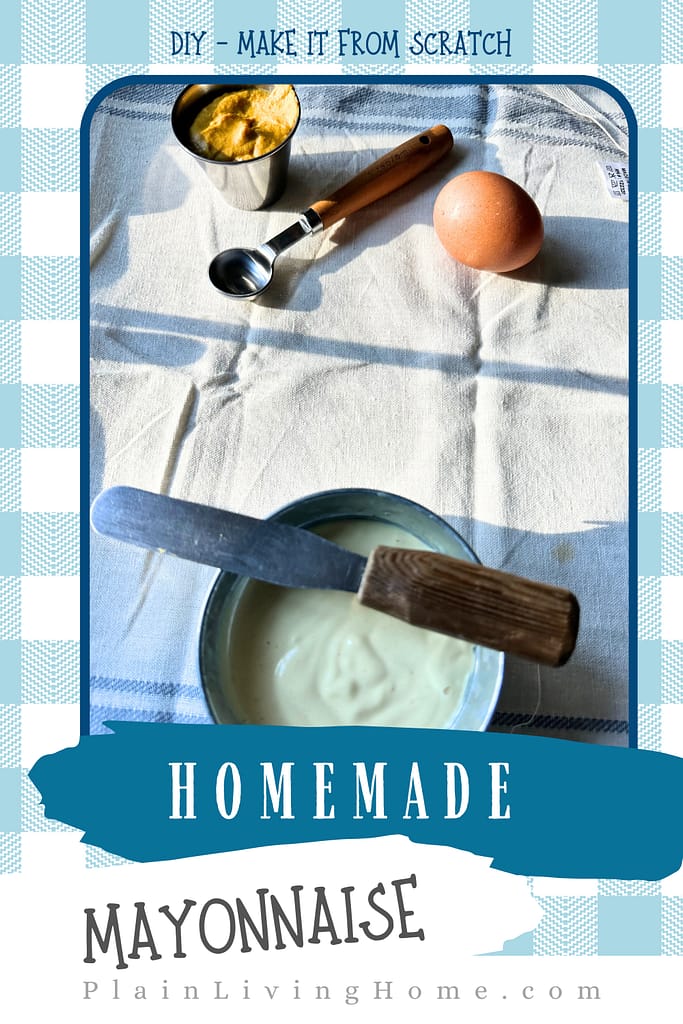
- Ingredients You Need
- Ingredient Deep Dive: Eggs, Oil, and Acid
- Best Oil for Homemade Mayonnaise
- Equipment Options Compared
- How to Make Homemade Mayonnaise Step by Step
- Why Homemade Mayo Thickens
- Troubleshooting Homemade Mayonnaise
- How to Fix Broken Mayonnaise
- How Long Homemade Mayonnaise Lasts
- Food Safety and Raw Egg Concerns
- Flavor Variations and Add-Ins
- Homemade Mayo as a Sauce Base
- Can You Make Mayo Without a Blender
- Frequently Asked Questions
- Final Thoughts
Why Make Homemade Mayonnaise
I first learned that mayo could be made at home when I was in high school. I was watching Alton Brown on Good Eats with my mom and he taught about the science behind emulsifying eggs and oil. Homemade mayonnaise is one of those kitchen skills that feels almost rebellious once you learn it. It’s fast, inexpensive, and made from ingredients most from-scratch cooks already keep on hand.
Store-bought mayonnaise became popular because it was shelf-stable and convenient, not because it was better. When you make mayo at home, you skip preservatives, seed-oil blends, and stabilizers while gaining better flavor and flexibility.
My Story With Mayonnaise
Naturally, mayonnaise has always been one of my favorite sauces. Growing up, we put mayo on just about everything, but my dad was a true mayo snob—Kraft only and nothing else would do.
When I got married, I swung hard the other direction and bought whatever brand was cheapest. Of course, it worked well for the budget, but it never tasted quite right. Over time, as I learned to cook more from scratch, homemade mayonnaise just made sense.
Once I realized how quick and easy it is, I honestly wondered why mayonnaise ever became a store-bought thing in the first place. Especially when it’s the base for so many other sauces.
What Homemade Mayonnaise Really Is
At its core, mayonnaise is a cold emulsion. It’s a suspension of oil and liquid held together by an emulsifier, usually egg yolk.
Commercial mayonnaise relies on industrial stabilizers to keep that emulsion from breaking. Yuck! Homemade mayonnaise relies on technique and fresh ingredients instead, which creates a cleaner taste and fresher texture.
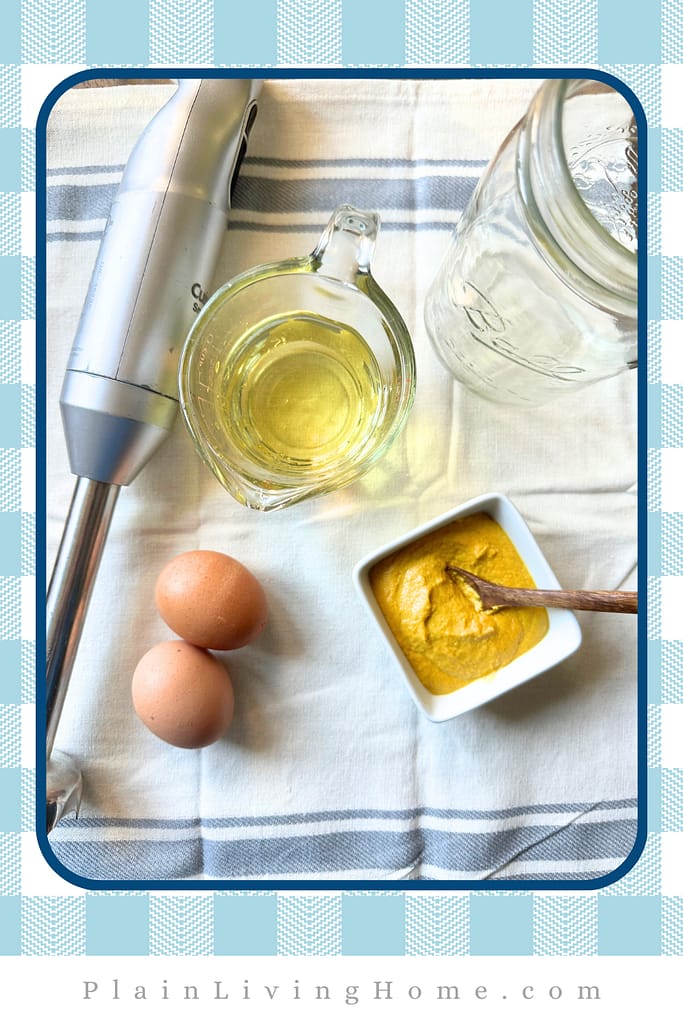
Ingredients You Need
Thankfully, homemade mayonnaise uses just a few basic ingredients. Accordingly, each one plays a specific role, which is why substitutions can change the outcome.
- Egg yolk
- Oil
- Acid (lemon juice or vinegar)
- Mustard
- Salt
Because there’s nowhere to hide in a short ingredient list, quality matters here more than quantity.
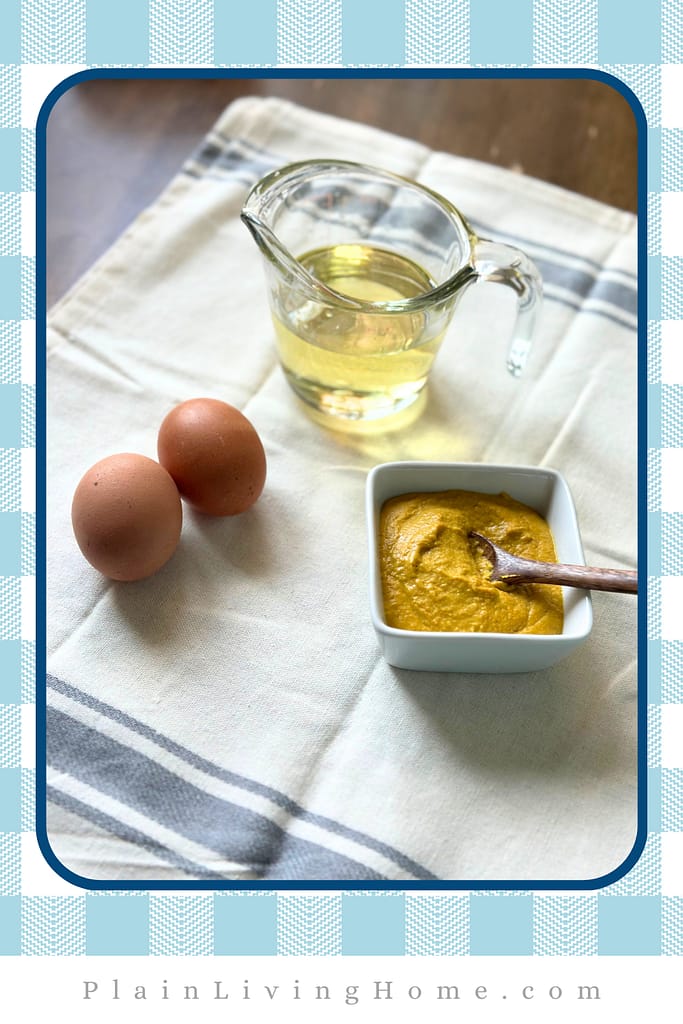
Ingredient Deep Dive: Eggs, Oil, and Acid
Egg yolks contain lecithin, a natural emulsifier that allows oil and water to bind together. Using yolks only creates a thicker, richer mayonnaise.
Then, the oil provides structure and body. Neutral oils create classic mayo, while stronger oils influence flavor more than most people expect.
Finally, a bit of acid balances the richness and helps stabilize the emulsion. Lemon juice adds brightness, while vinegar gives a sharper, more traditional bite.
Generally, a good ratio is one egg yolk to about one cup of oil, with one to two teaspoons of acid.
Best Oil for Homemade Mayonnaise
First, think about your options. Oil choice is one of the biggest differences between great mayo and disappointing mayo. My personal favorite is peanut oil because it gives a mild flavor that is similar to storebought mayo. However, that’s not necessarily the popular choice. Nor is it the healthiest.
So, your best options include:
- Avocado oil
- Light olive oil
- Sunflower oil
- Grapeseed oil
But avoid the EVOO as Rachael Ray calls it. Extra virgin olive oil often turns bitter when blended aggressively. If you prefer olive oil mayo, use a mild version or blend by hand.
Equipment Options Compared
Now, you can make mayonnaise with several tools, but not all methods feel the same.
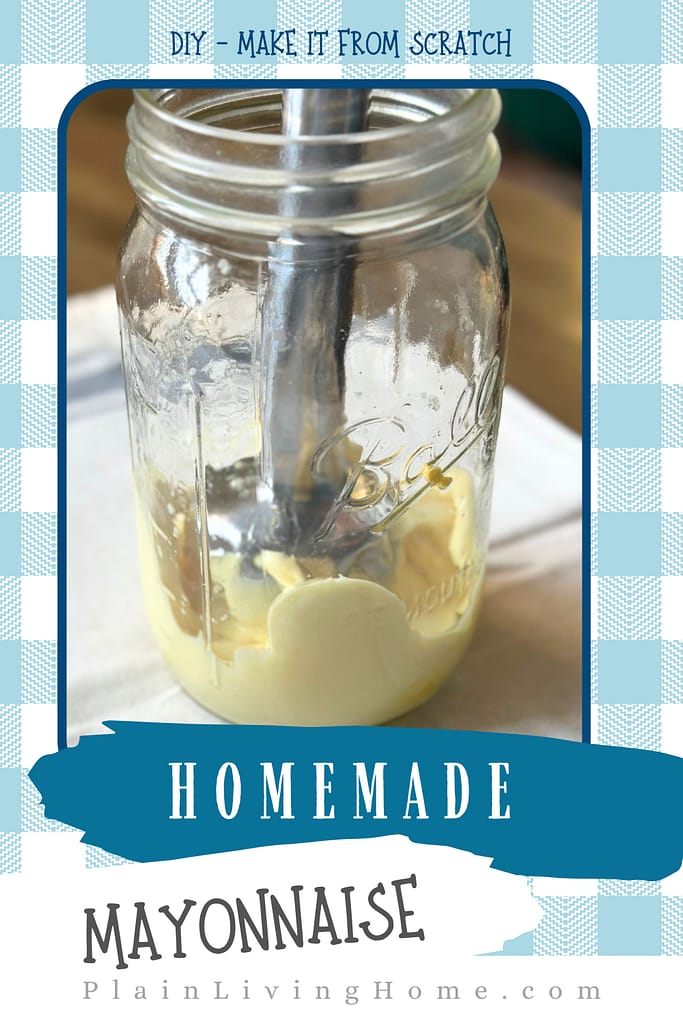
Immersion blender: Fastest and most reliable. Perfect for beginners.
Standard blender: Works well but requires careful oil control.
Food processor: Good for larger batches.
Whisk: Traditional, slower, and less forgiving.
For everyday cooking, an immersion blender wins for consistency and speed. Alas, easy is rarely cheap. So if you must, whisk this by hand. Just know, you will have to be patient.
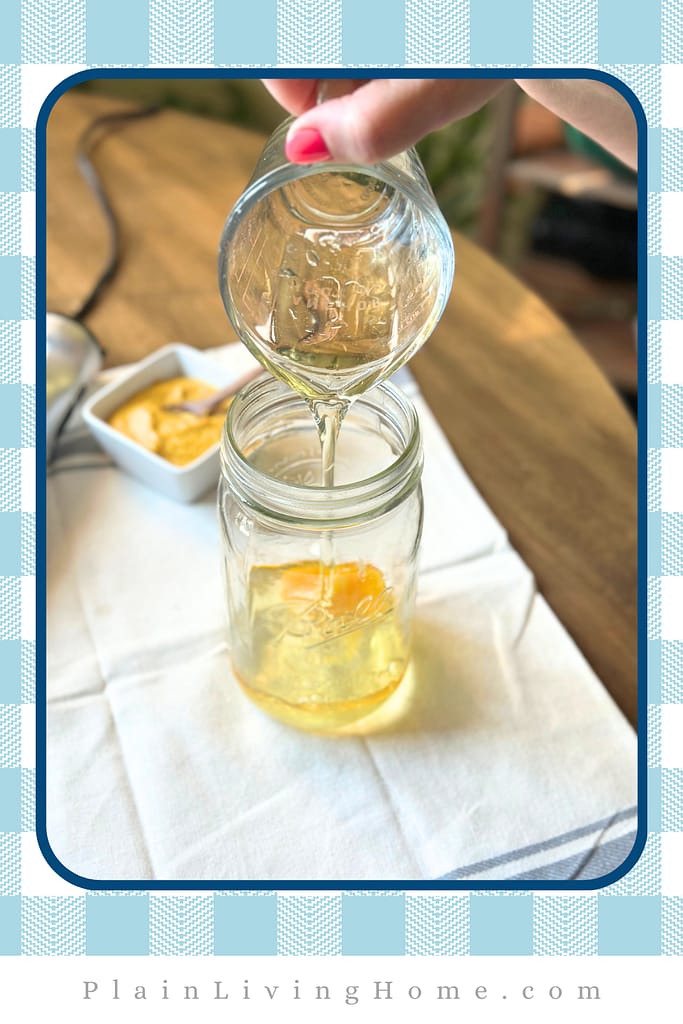
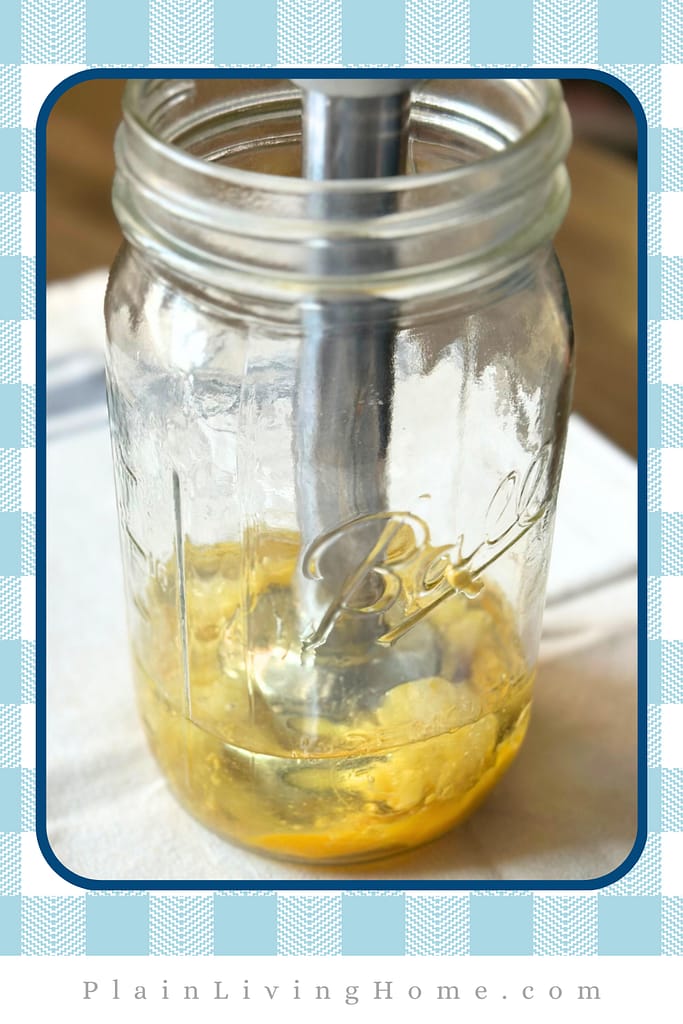
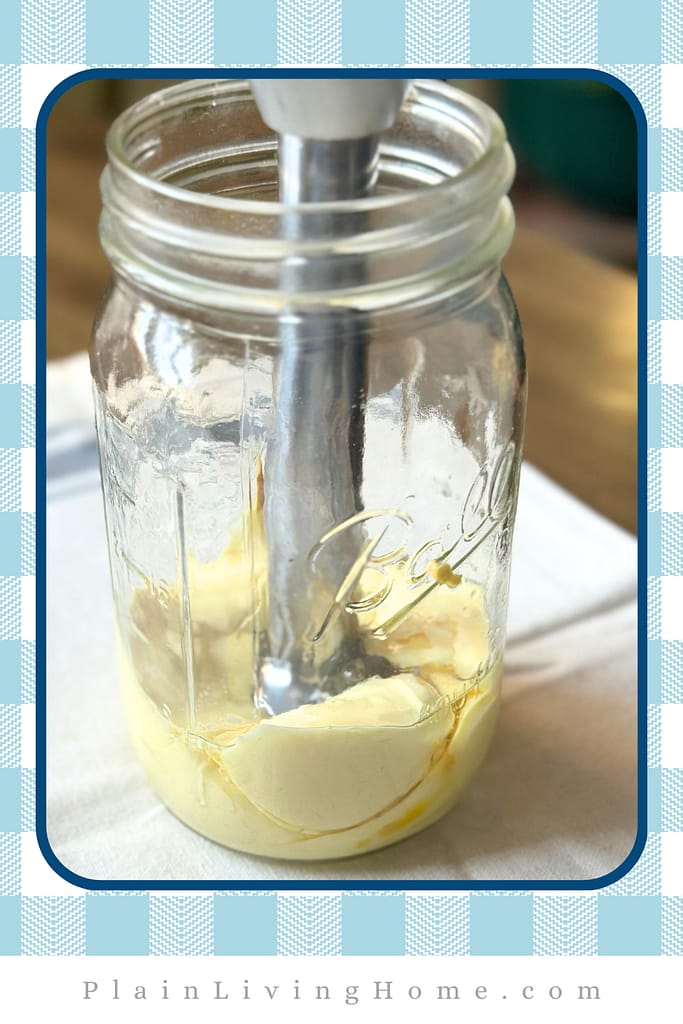
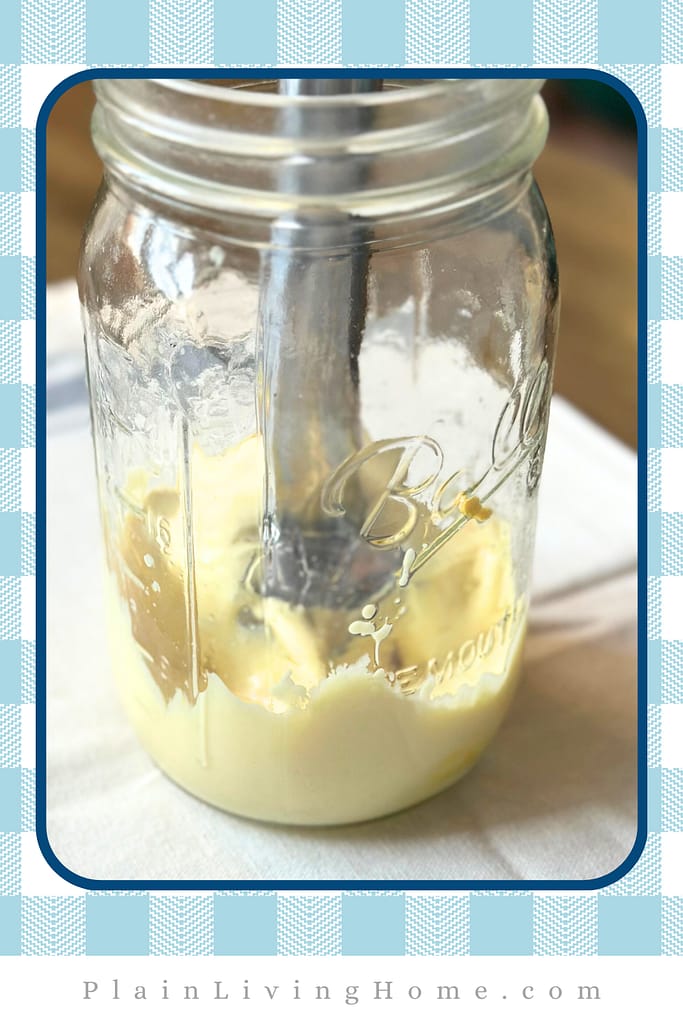
How to Make Homemade Mayonnaise Step by Step
Why Homemade Mayo Thickens
Mayonnaise thickens when oil droplets become evenly suspended in the egg mixture. The key is controlled blending.
Too much movement too soon breaks the emulsion. Slow, steady blending allows the structure to form properly. Keep your blender on low speed.
Also, mayonnaise is counterintuitive when it comes to thickness. If it’s too runny, you might think that you’ve added too much oil. However, you actually need to slowly add additional oil until it thickens to the right consistency.
Troubleshooting Homemade Mayonnaise
Thankfully, most mayo problems are easy to fix once you know what caused them. With a little trail and error, you’ll become a pro at solving these problems. Because there are so few ingredients, it’s pretty easy to experiment. But let me jump start the learning process.
Thin mayo: Not enough oil or blended too quickly. Slowly add in more oil.
Grainy texture: Oil added too fast or ingredients too cold. See how to fix broken mayo below.
Too thick: Too much oil—thin with a teaspoon of water or lemon juice.
To begin with, room-temperature ingredients solve many issues before they start.
How to Fix Broken Mayonnaise
Broken mayo looks separated or soupy. It’s frustrating, but it’s rarely a lost cause.
Start with a fresh egg yolk in a clean bowl. Slowly whisk in the broken mayo one spoonful at a time until it emulsifies again.
How Long Homemade Mayonnaise Lasts
Homemade mayonnaise should be stored in a sealed container in the refrigerator.
Most batches last 5 to 7 days when made with fresh eggs. Always label your jar with the date and discard at the first sign of spoilage.
Food Safety and Raw Egg Concerns
Raw eggs are the most common concern with homemade mayo. Using clean, fresh eggs reduces risk significantly ( no poop crusted fresh eggs!). But honestly, salmonella is rarely an actual concern with eggs.
Pasteurized eggs are a great option if you want extra peace of mind. They behave the same way in mayonnaise and store just as well.
Flavor Variations and Add-Ins
Once you’ve mastered basic mayo, variations are simple.
- Garlic aioli
- Honey mustard mayo
- Chipotle mayo
- Lemon herb mayo
Always emulsify first, then add flavorings at the end.
Homemade Mayo as a Sauce Base
This is where homemade mayonnaise really shines. Mayo isn’t just a condiment—it’s a mother sauce.
From one batch of mayo, you can make:
- Ranch dressing
- Thousand island
- Burger sauce
- Creamy salad dressings
This makes it a cornerstone recipe for from-scratch kitchens and upcoming sauce posts.

4 Tips for Foolproof Homemade Mayonnaise
1. Start with room-temperature ingredients
Cold eggs and oil don’t emulsify well. Let your egg and oil sit out for 10–15 minutes before starting to create a smoother, more stable mayo.
2. Choose your oil with intention
Neutral oils like avocado or light olive oil create classic, crowd-pleasing mayo. Strong oils overpower quickly and are the most common reason homemade mayo tastes bitter.
3. Don’t rush the blend
Whether you’re using an immersion blender or whisk, patience matters. Let the emulsion form at the bottom before moving or adding more oil to avoid broken mayo.
4. Remember: mayo is a base, not just a condiment
Think beyond sandwiches. One batch of homemade mayo can turn into ranch, honey mustard, burger sauce, or creamy dressings—saving money and fridge space
Get all of our family favorites, right to your inbox.
More From-Scratch Recipes to Try
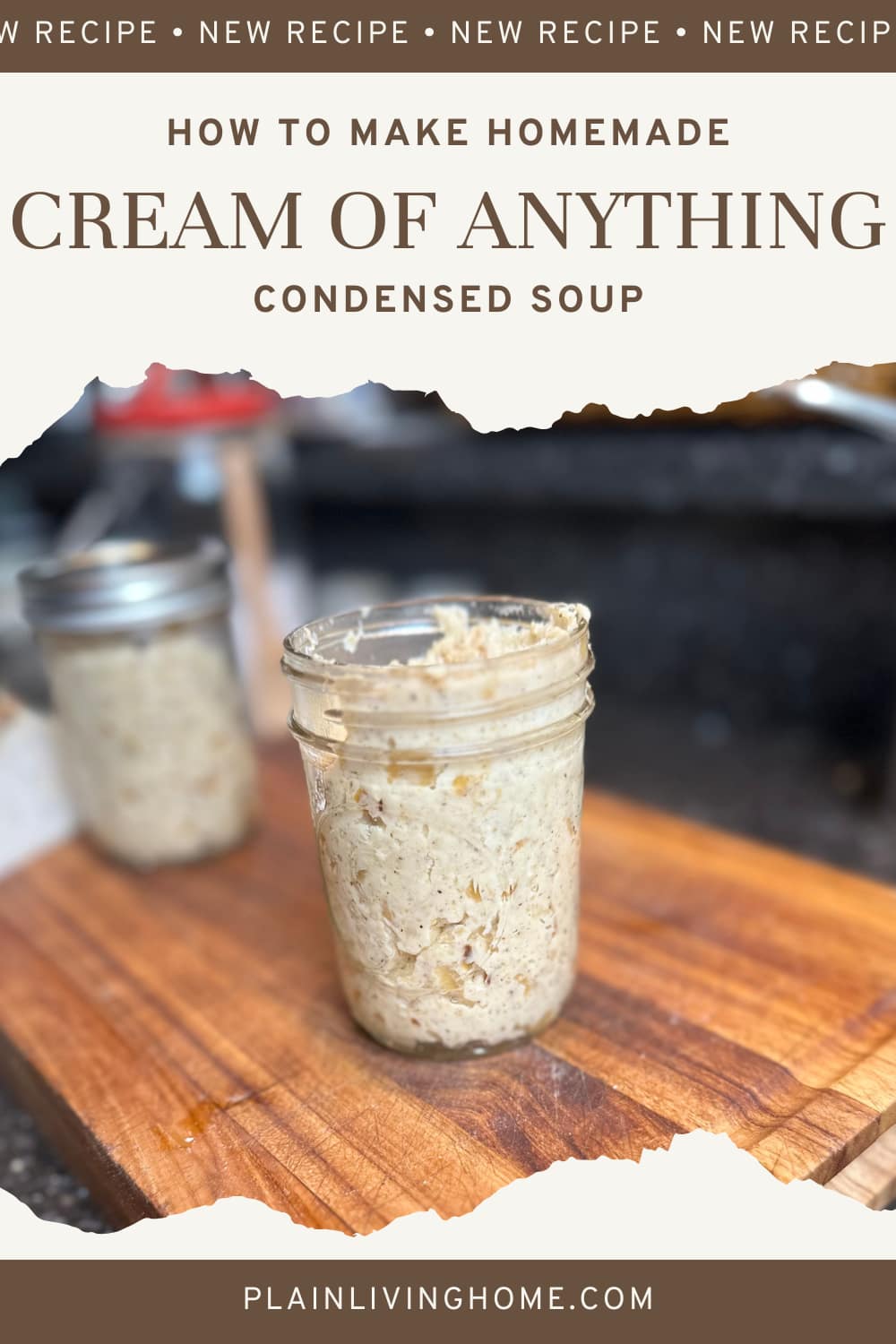
Condensed soup
Caramelized onions are a great start to making a homemade chicken casserole. Skip the store bought and learn how to make your own.
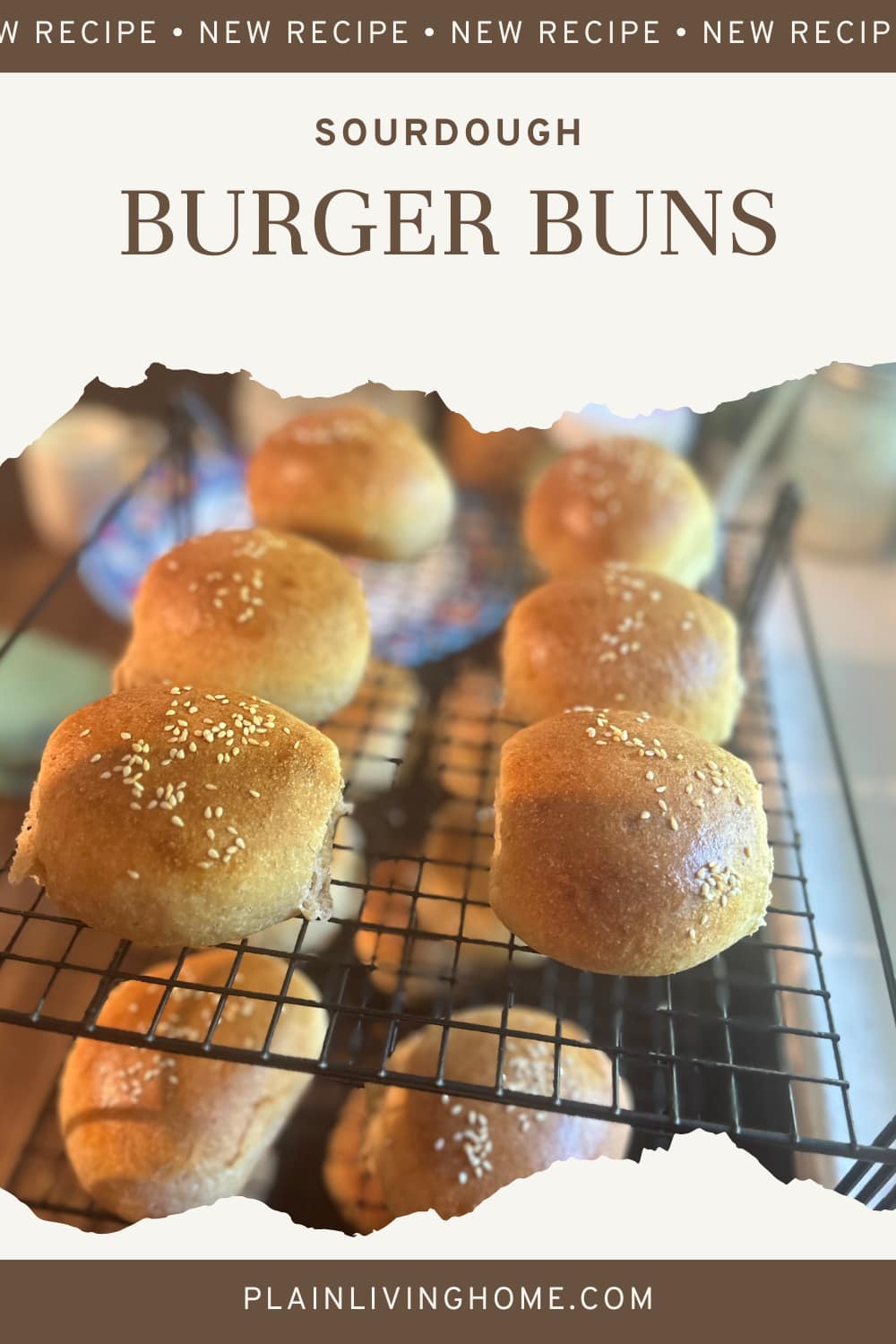
Sourdough Buns
Buns aren’t just for burgers. They also make a great dinner roll to serve on the side of your casserole. .

Homemade Mayonnaise (immersion blender or whisk)
Equipment
- 1 immersion blender you can do this by hand with a whisk, it will just take much longer
- 1 pint size wide mouth mason jar quart size will work too
Ingredients
- 1/2 cup peanut oil
- 1 egg
- 1 pinch salt
- 1 tsp red wine vinegar
- 1 tsp mustard
Instructions
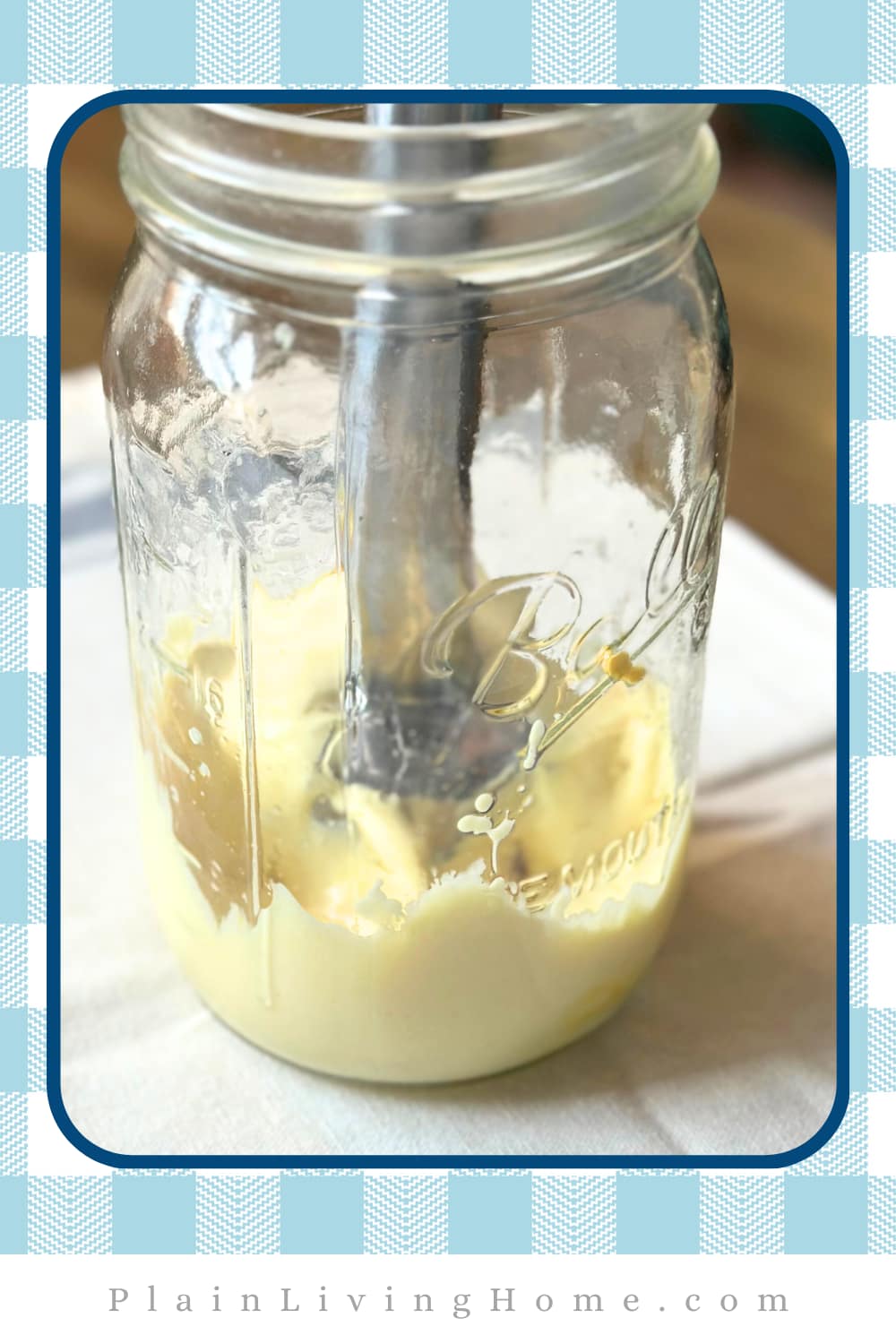
- Add all ingredients to jar.
- Carefully insert the stick blender into the jar. Rest the blade just below the surface of the oil. Don't rest it on the bottom of the jar.
- Blend until the egg and oil emulsify into mayonnaise. This will happen in stages, not all at once. Continue blending until all of the ingredients are emulsified. If it doesn't thicken enough, slowly drizzle more oil into the jar as you blend. If you mayonnaise separates, start with a fresh jar. Add one egg. Slowly drizzle in the broken mayo while blending.
- If using a whisk, just be patient. It takes much more manual movement to emulsify the ingredients.


Notes
- Blender options: you can use a traditional blender or whisk by hand.
- Best oil: Our favorite oil is peanut oil because it tastes most like store-bought mayo. For healthier options, try light olive oil, avocado oil, or neutral oils for a clean flavor. Extra-virgin olive oil can taste bitter.
- Egg temperature: room-temp egg emulsifies easier.
- Fix a broken mayo: blend in 1 tsp warm water at a time or start fresh with 1 egg yolk and slowly stream broken mayo in.
- Thicken runny mayo: this is counterintuitive, but slowly drizzle in additional oil until the mayo thickens to your desired consistency.
- Storage: refrigerate in a sealed jar; use within 5–7 days (or follow egg safety guidance you’re comfortable with).
- Variations: Use juice of a lemon, ACV, or white vinegar in place of the red wine vinegar. Also, try a garlic aioli (1 clove), lemon herb (1 tsp zest + herbs), or spicy mayo (sriracha + lime).
Nutrition
Homemade Mayonnaise FAQs
Trusted answers to the most common questions about homemade mayonnaise, emulsions, storage, and technique.
Why won’t my homemade mayonnaise thicken?
The emulsion usually never “started.” With an immersion blender, keep the blender parked on the bottom until a thick mayo forms, then slowly lift to pull in the rest of the oil. Cold ingredients also fight emulsification, so let the egg and oil sit out for 10–15 minutes first Fix.
What is the best oil for homemade mayonnaise?
For a classic, “store-bought but better” taste, use a neutral oil like avocado, sunflower, or grapeseed. Light olive oil works too, but extra virgin olive oil can turn bitter when blended hard. If you want an olive-forward mayo, do half mild olive oil and half neutral oil for balance.
Why does my homemade mayo taste bitter?
Bitter mayo is almost always an oil issue, especially with extra virgin olive oil. High-speed blending can intensify bitter compounds in some olive oils even if that same oil tastes great on salads. Swap to a neutral oil, use “light” olive oil, or whisk by hand if you want olive flavor without the bite.
Is homemade mayonnaise safe to eat with raw eggs?
It can be, as long as you treat it like a perishable food. Use very fresh, clean eggs, keep the mayo refrigerated, and stick to a short storage window. If you’re serving higher-risk guests (pregnant, elderly, immunocompromised) or you just want peace of mind, use pasteurized eggs.
How long does homemade mayonnaise last in the fridge?
Most homemade mayo is best within 5–7 days. Label the jar with the date and keep it cold. If it smells off, looks separated, or tastes odd, toss it.
How do I fix broken or runny mayonnaise?
Start a new emulsion with one egg yolk in a clean bowl or jar, plus a teaspoon of water or lemon juice. Then slowly whisk or blend the broken mayo into the fresh yolk a spoonful at a time, like you’re adding oil. The new yolk provides fresh emulsifiers that “catch” the oil and rebuild the structure Rescue.
Can I make mayonnaise without mustard?
Yes. Mustard helps stabilize the emulsion and adds a little tang, but it’s optional. If you skip it, be extra patient and keep your ingredients closer to room temp.
Can I use a whole egg instead of just egg yolks?
Yes, and whole-egg mayo is especially popular with the immersion blender method. It tends to be a little lighter and less rich than yolk-only mayo. If you want that thick, classic “deli mayo” texture, stick with yolks.