Easy Guide to Sourdough Hydration
Some links in this post may be affiliate links. That means I might make a small commission on qualifying purchases if you click the link. There is no extra cost to you.
When you dive into sourdough baking, one of the first confusing terms you’ll see is “hydration.” Recipes call for 100% hydration starters, 75% hydration doughs, or stiff 60% hydration loaves. But what does that actually mean? In this guide, we’ll cover everything you need to know about sourdough hydration ratios—from the math, to the science, to practical baking results. We’ll break it down into both professional terms and beginner-friendly explanations.
What Is Hydration in Sourdough?
In sourdough, “hydration” refers to the ratio of water to flour in a recipe, expressed as a percentage. A 100% hydration starter means you feed it with equal weights of flour and water. A 75% hydration dough means that for every 100 grams of flour, there are 75 grams of water.
This percentage impacts how sticky, soft, or firm the dough feels, how easily it shapes, and even how the final bread crumb looks.
Why Hydration Matters
Hydration isn’t just baker’s jargon—it determines how your bread will turn out:
- Crumb structure: Higher hydration = more open, airy holes (think rustic artisan loaves).
- Crust: Lower hydration = denser crumb with thicker crust.
- Flavor & fermentation: More water allows bacteria to spread faster, influencing sourness.
- Handling: Low hydration doughs are easy to shape; high hydration requires more skill (and stretch-and-fold techniques).
The Simple Math of Hydration
Hydration is based on baker’s percentages. Flour is always 100%, and water is measured relative to that.
Formula: (water weight ÷ flour weight) × 100 = hydration %
Example: 500 g flour + 375 g water = 75% hydration.
Once you understand the math, you can scale recipes up or down while keeping hydration consistent.
Hydration Ratios in Starters
Sourdough starters are most commonly kept at 100% hydration. That means equal weights of water and flour at each feeding. For example, 50 g flour + 50 g water.
Other options:
- Stiff starter (50–65%): Used in Italian baking (like panettone). Feels like dough instead of batter.
- Liquid starter (125–150%): Runny texture, ferments quickly, often used for rye breads.
Beginners do best with 100% hydration starters—it’s easy to feed, measure, and use in recipes.
Hydration Ratios in Dough
Bread doughs vary widely in hydration depending on style and flour type:
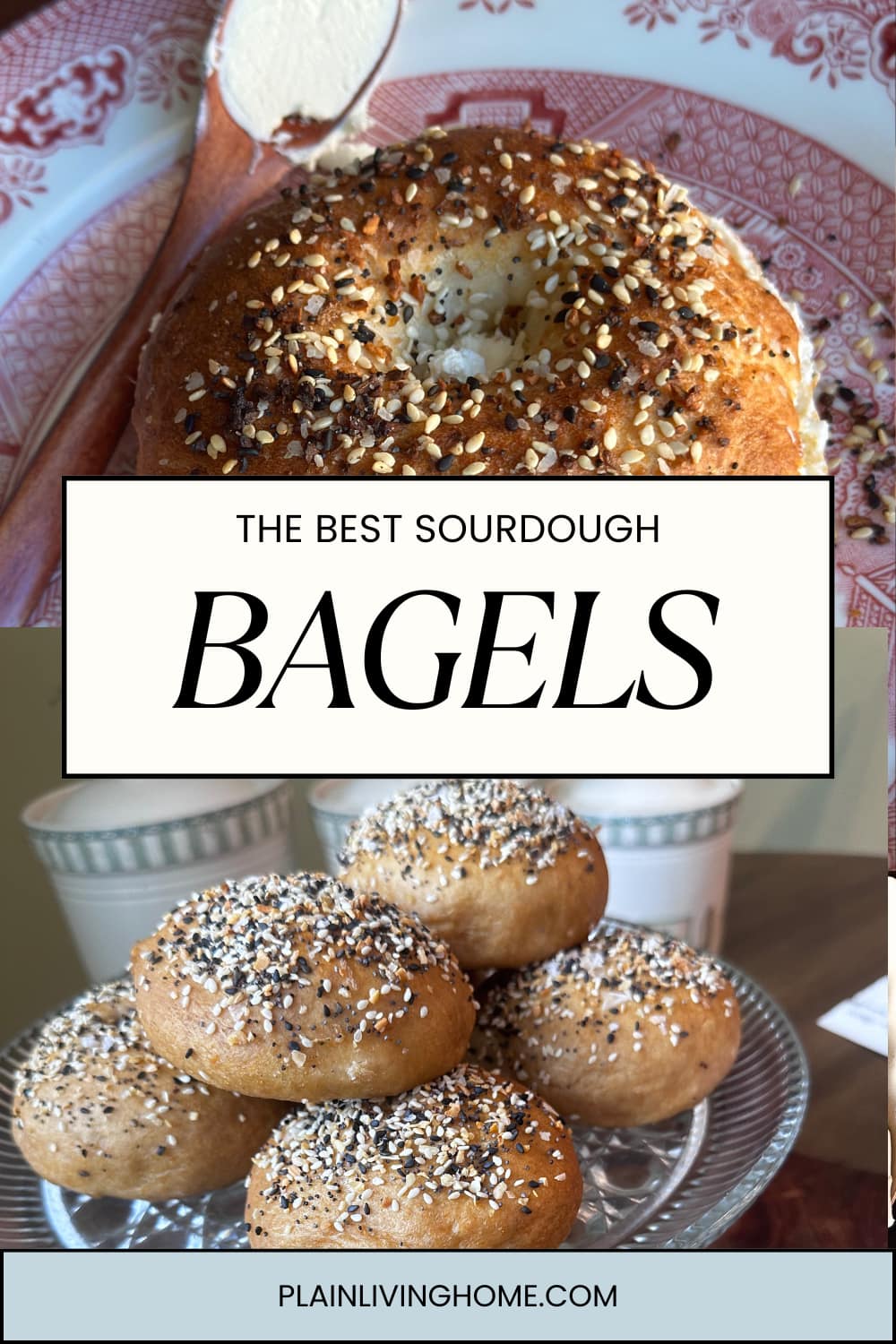
- Low hydration (55–65%): Tight, easy to handle dough. Think sandwich bread or bagels.
- Medium hydration (65–75%): Balanced handling and open crumb. Many country sourdoughs fall here.
- High hydration (75–90%+): Very wet, sticky doughs. Rustic boules, ciabatta, and focaccia thrive at this range.
Examples: 60%, 75%, 100% Hydration Doughs
60% Hydration Dough: 500 g flour + 300 g water. Easy to knead and shape, yields a fine, soft crumb. Perfect for sandwich bread.
75% Hydration Dough: 500 g flour + 375 g water. The sweet spot for artisan boules. Requires stretch-and-fold handling, produces nice open crumb and crisp crust.
100% Hydration Dough: 500 g flour + 500 g water. Extremely wet, best for focaccia or pizza al taglio. Needs pans or special handling tools.
How Flour Type Affects Hydration
Not all flours absorb water equally:
- Bread flour: Higher protein, absorbs more water.
- All-purpose: Lower protein, slightly less absorption.
- Whole wheat & rye: Bran and fiber absorb more water, requiring higher hydration to achieve the same dough feel.
This is why two bakers can follow the same recipe but one dough feels stiffer or wetter—it depends on flour type and brand.
Troubleshooting High vs. Low Hydration Dough
- Dough too sticky? Use the “slap and fold” technique or wet your hands instead of adding flour.
- Dough too dry? Add a splash of water and knead it in slowly.
- Flat loaf? High hydration doughs can spread if under-fermented or not shaped tightly enough.
- Dense loaf? Likely too low hydration, insufficient gluten development, or too short fermentation.
Beginner-Friendly Tips
Start simple: aim for 70–75% hydration. It’s high enough to get an open crumb, but not so sticky that it becomes frustrating.
Measure by weight, not cups. A digital scale is your best friend in sourdough baking.
Don’t chase “Instagram holes.” Flavor and texture matter more than huge air pockets.