The Complete Guide to Starting a Hope Chest: A Tradition Worth Reviving
Some links in this post may be affiliate links. That means I might make a small commission on qualifying purchases if you click the link. There is no extra cost to you.
Blending faith, homemaking, and practical skills to prepare your heart and home for a lifetime of service and hospitality. The Hope Chest is a nearly forgotten tradition that I hope to bring back!
On this page
- The Origins of the Hope Chest
- Why the Hope Chest Still Matters
- How to Build a Hope Chest
- What to Include in a Hope Chest
- Faith as the Foundation
- Get Started with a Free Checklist
- Hope Chest FAQs
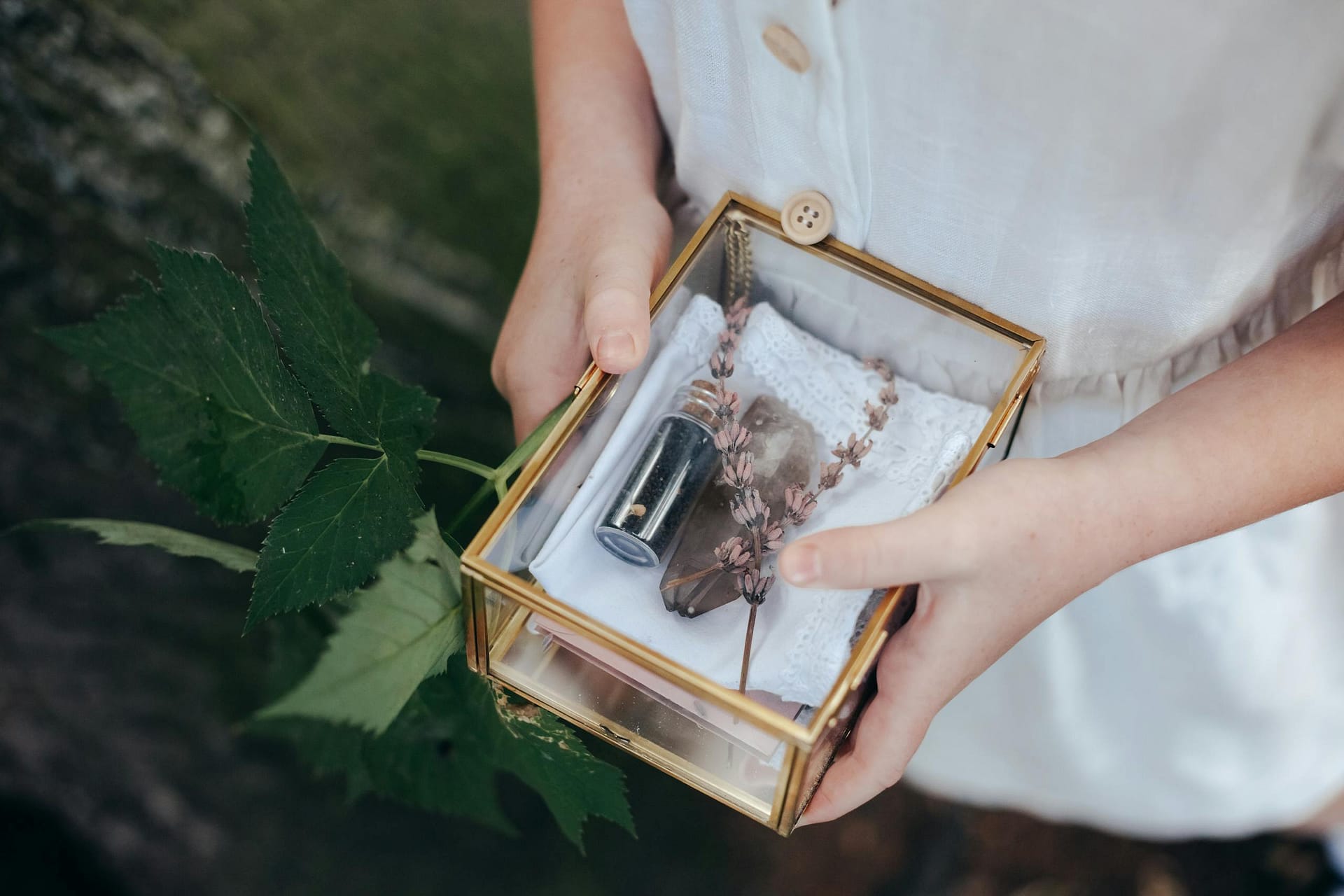
The hope chest is more than an heirloom or a wooden box. It is a legacy of intentional preparation, homemaking skills, and faithful living. For centuries, families used hope chests to gather practical and meaningful items for a young woman’s future home.
Today, reviving this tradition can help us cultivate lives rooted in generosity, skill, and stewardship. This guide will walk you through the meaning, purpose, and process of building your own —whether you’re just starting out or guiding the next generation.
The Origins
Hope chests trace their history back to Europe, where they were often passed down through generations. They were filled with linens, handwoven textiles, tools, and treasured heirlooms. These collections represented readiness for marriage and homemaking—but also family heritage and skill.
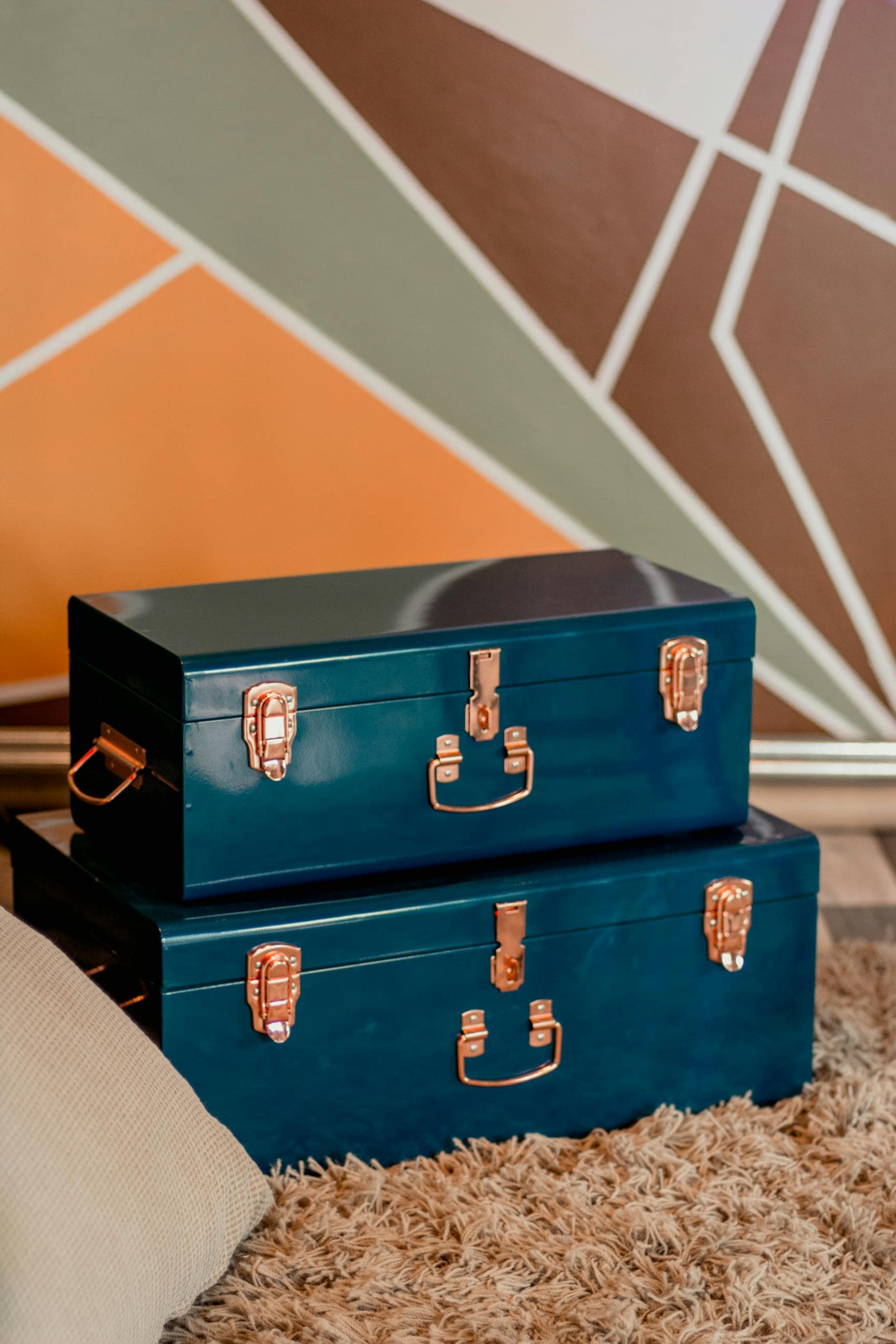
In American history, cedar chests became iconic during the early 20th century. They protected linens and clothing from pests and symbolized a young woman’s hopes for the future. Today, your hope chest can take many forms: a trunk, a basket, a closet shelf, or a small cabinet.
Why this Still Matters
In our fast-paced world, the hope chest offers a way to slow down and live intentionally. It encourages practical skill-building, thoughtful preparation, and hospitality.
- It builds skills: Each handmade or carefully chosen item represents a skill learned—sewing, cooking, organizing, or hosting.
- It preserves family values: Heirlooms, stories, and traditions remind us of those who came before.
- It fosters a giving spirit: A prepared home makes it easier to open your doors to others with warmth and grace.
How to Build Yours
You don’t need a cedar chest or a big budget. You simply need a willing heart, a clear purpose, and a slow, steady plan.
- Shop for your Hope ChestChoose your container. It might be a cedar box, a large basket, or a tote on a closet shelf.
- Define your vision. Decide what kind of home and hospitality you want to prepare for.
- Start with one project per month. For example, in January you might sew a set of cloth napkins. In February, thrift a casserole dish.
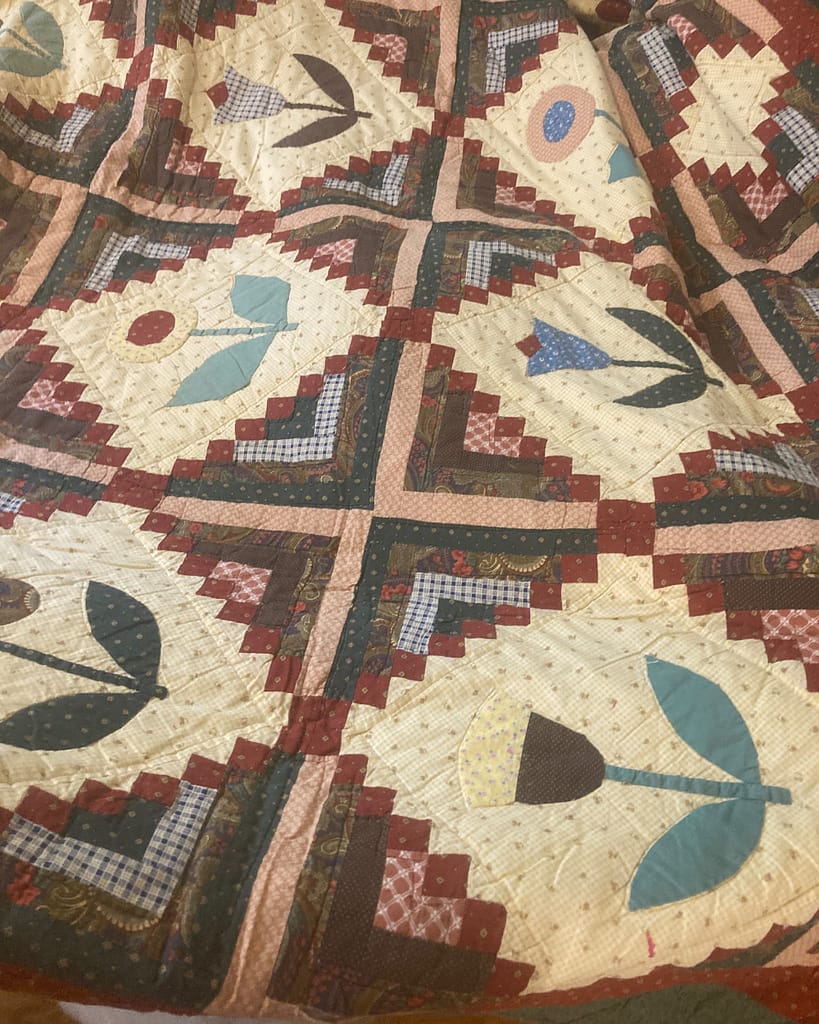
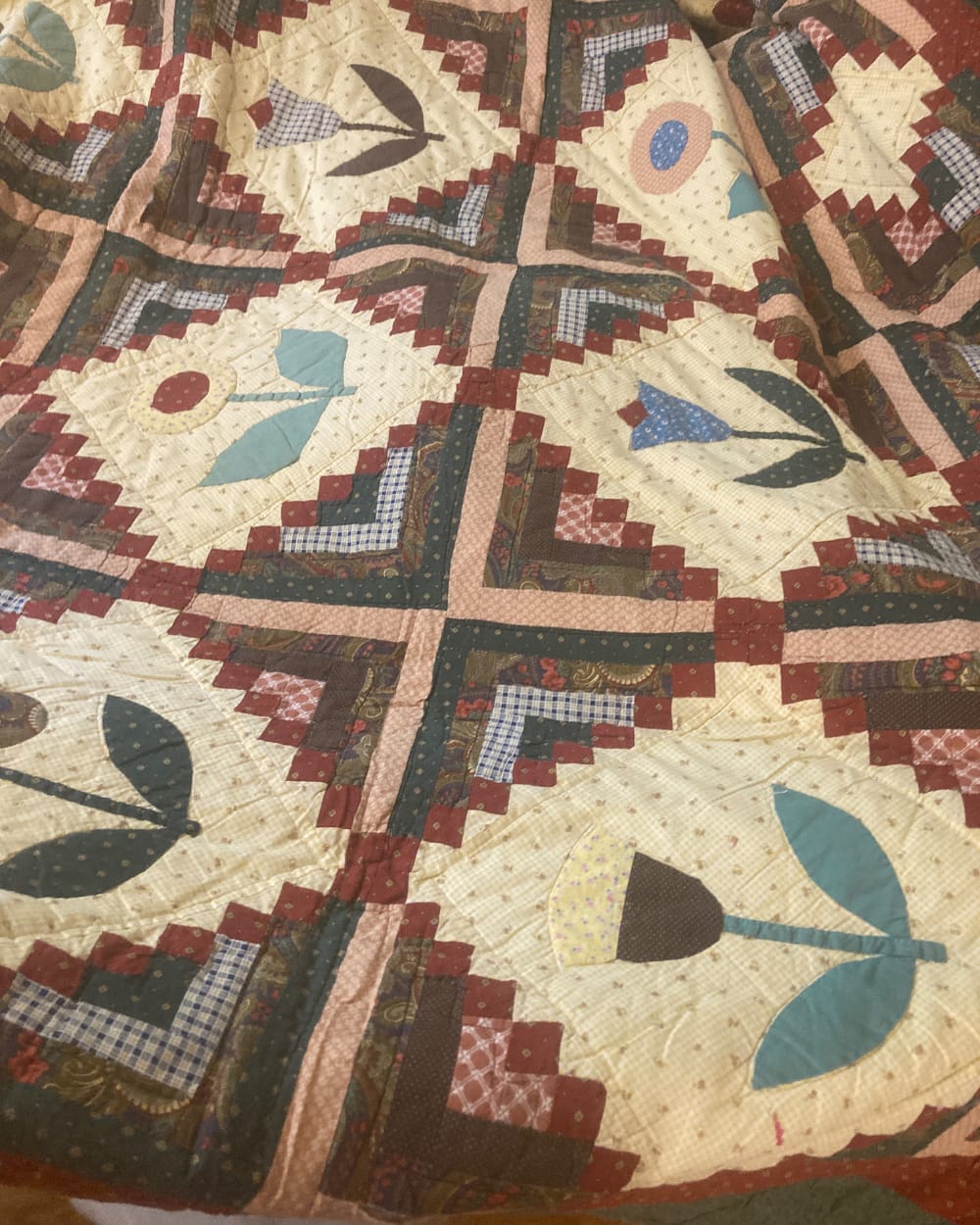
- Record stories. If something has meaning—like Grandma’s quilt—tuck a note inside to pass that story on.
- Build slowly. It is meant to grow with you, not overnight.

What to Include in a Hope Chest
While every hope chest will look different, most include a mix of practical and personal treasures. Here are some ideas to get you started:
- Hand-sewn linens (napkins, pillowcases, hot pads)
- Tableware and hospitality tools
- Bible and devotional keepsakes
- Kitchen essentials (measuring cups, mixing bowls)
- A simple quilt or throw blanket
- Heirloom or family story cards
- Homemaking and sewing tools
You can reuse or repurpose many items you already own. Vintage bowls, extra linens, or gently used baking tools can all find a new life in your chest.
Faith as the Foundation
A hope chest isn’t just about “stuff.” It’s about the heart behind the home. Proverbs 31 speaks of a woman who is prepared, resourceful, and kind. Her home becomes a place of refuge, joy, and blessing.
When you sew a napkin, write a story card, or prepare a shelf, you’re laying the groundwork for future hospitality—an outward expression of inward faith.
➡️ Next Projects to Try
- New to sewing? Try the Basic Square Hot Pad Tutorial first.
- Or make a full Housewarming Gift Set with hot pads, an apron, cloth napkins, and more.
- Create a bakers gift basket with a sourdough starter jar cover, a bowl cover, a sourdough starter cozy, a bread bag, and a hot pad.
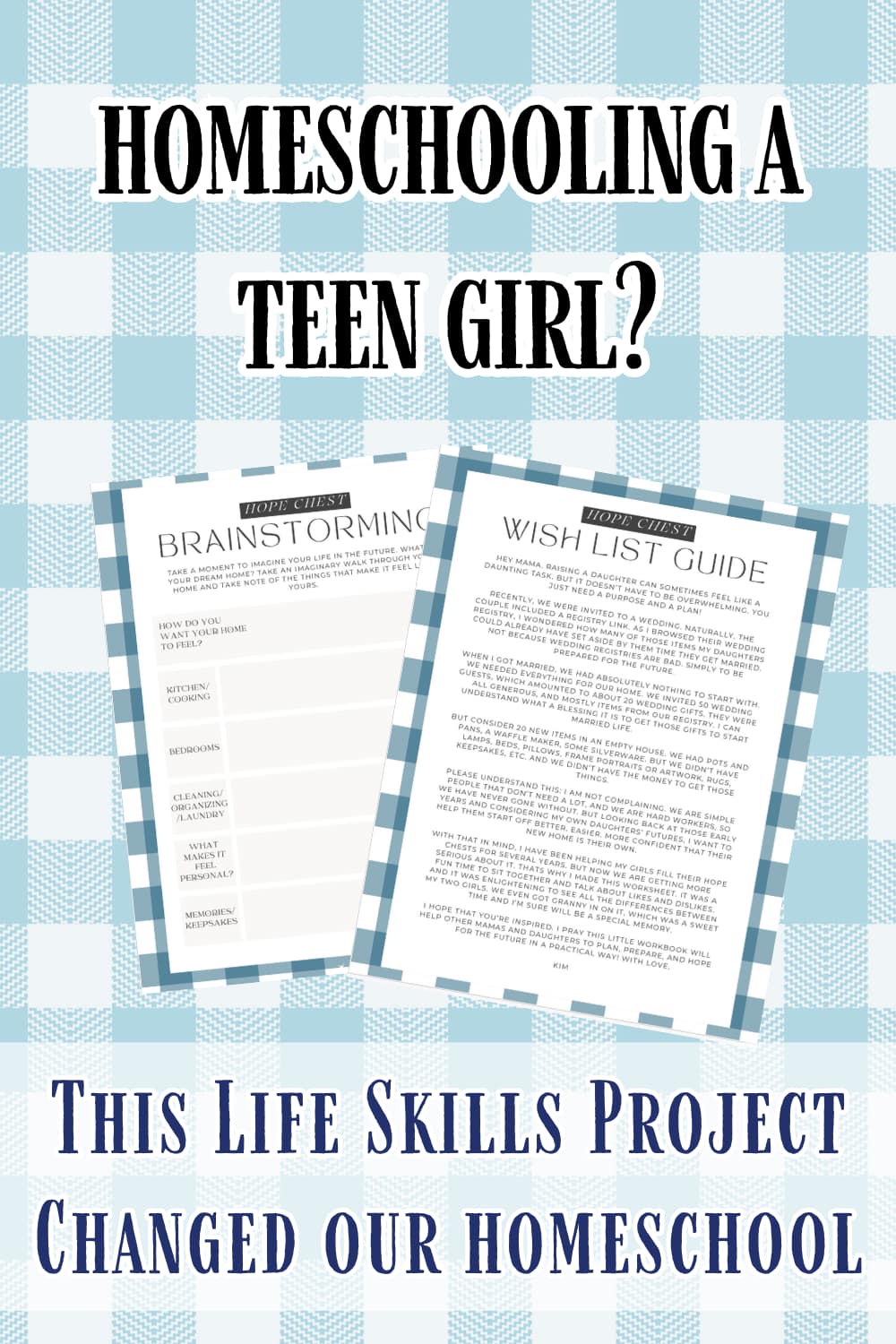
Get Started with a Free Hope Chest Checklist
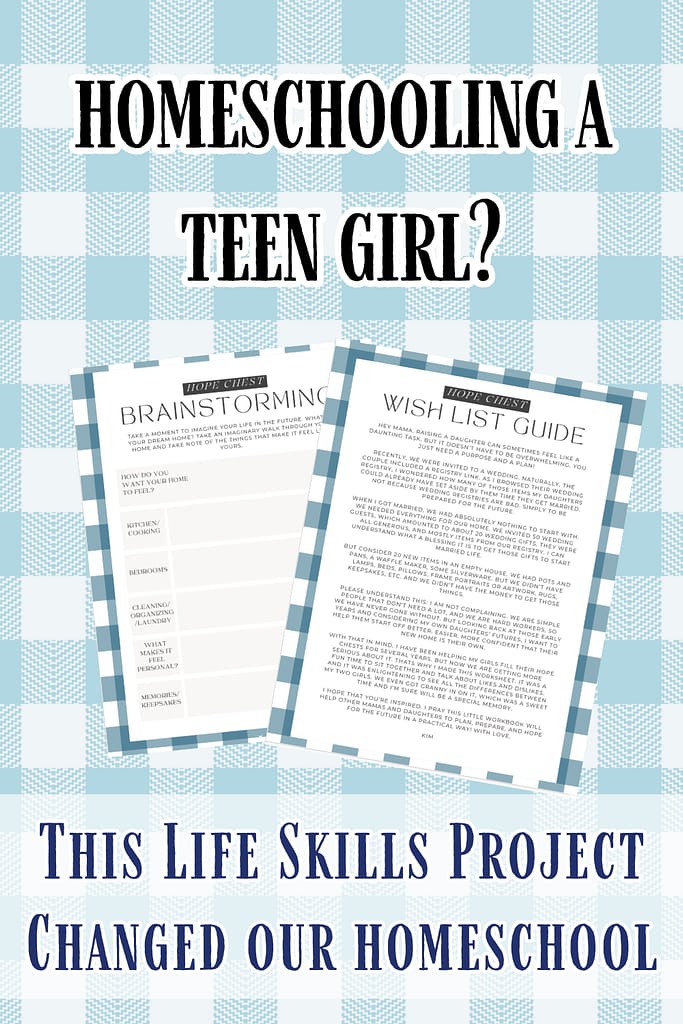
Ready to start your own hope chest? Download the Hope Chest Starter Checklist from my email group. We can be email friends and I’ll share more hope chest ideas.
Hope Chest FAQs
Do I need a cedar chest to start?
No. A hope chest can be any clean, organized space: a basket, trunk, or shelf. The heart behind it matters more than the container. What if I’m not crafty?
You can mix handmade and store-bought items. Even a thrifted casserole dish can be meaningful when chosen with purpose. How much should I budget each month?
Start small—$10 to $20 a month can add up over time. A hope chest is about steady growth, not perfection. Can I build a hope chest for my children?
Absolutely. Many families build hope chests alongside their daughters (or sons), teaching skills and stories along the way.