
What Is Quilting? A Simple Guide to the History, Purpose, and Methods of Quilting
Some links in this post may be affiliate links. That means I might make a small commission on qualifying purchases if you click the link. There is no extra cost to you.
Quilting is more than sewing.
It is history, skill, patience, and purpose—stitched together.
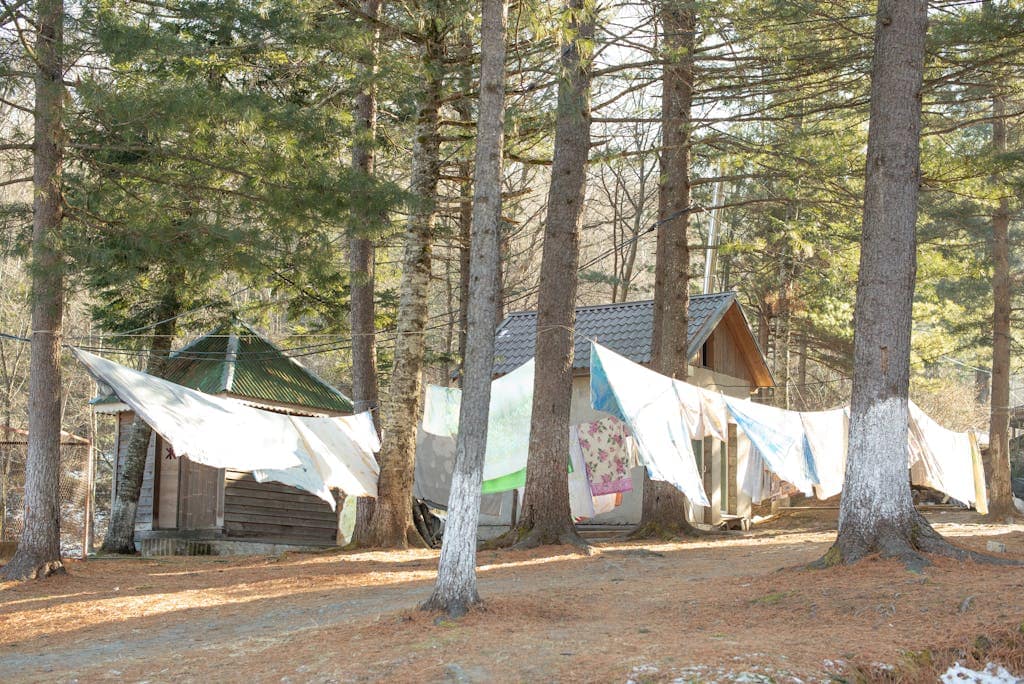
For centuries, quilts have kept families warm, told stories, and made use of what little people had. Today, many crafters still use quilting create beauty and function, whether by hand, machine, or modern quilting tools.
In this post, we’ll look at:
- The definition of quilting
- The rich history of quilting
- Antebellum and early America
- How crafters made quilts when supplies were scarce
- Traditional hand quilting methods
- Modern techniques
- Why quilts were part of the hope chest
- And why all methods serve the same purpose
What Is Quilting?
Quilting is the process of sewing layers of fabric together to create a thicker, padded textile.
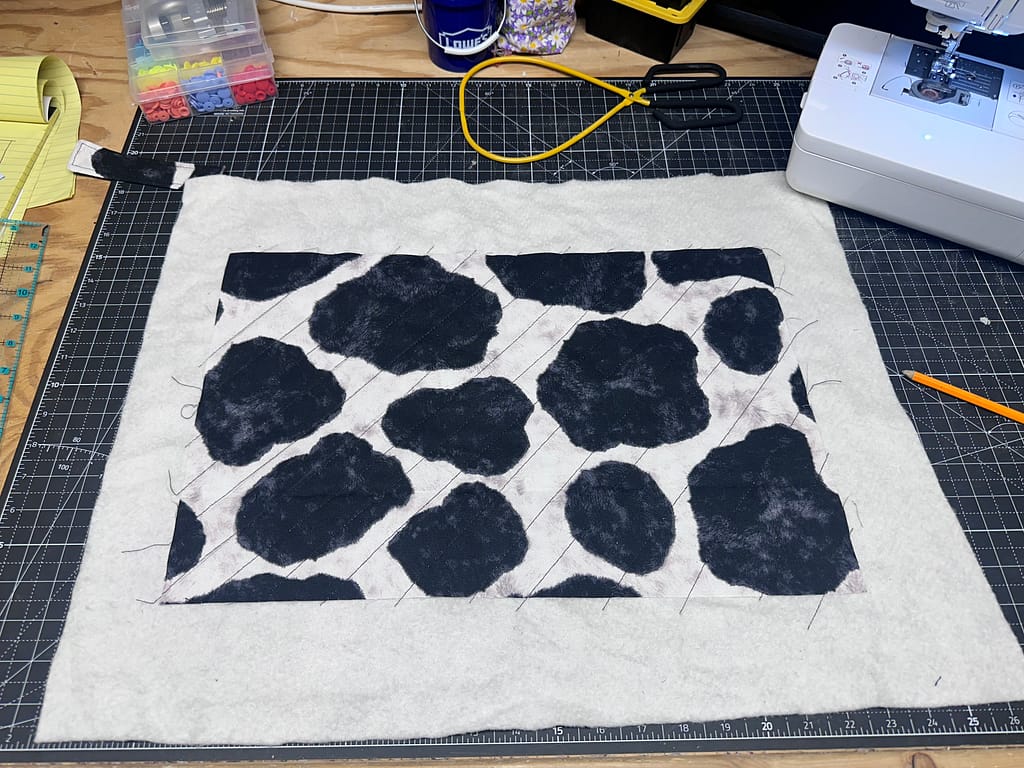
Most quilts include:
- A top layer (the decorative fabric)
- A middle layer (batting or padding)
- A bottom layer (the backing)
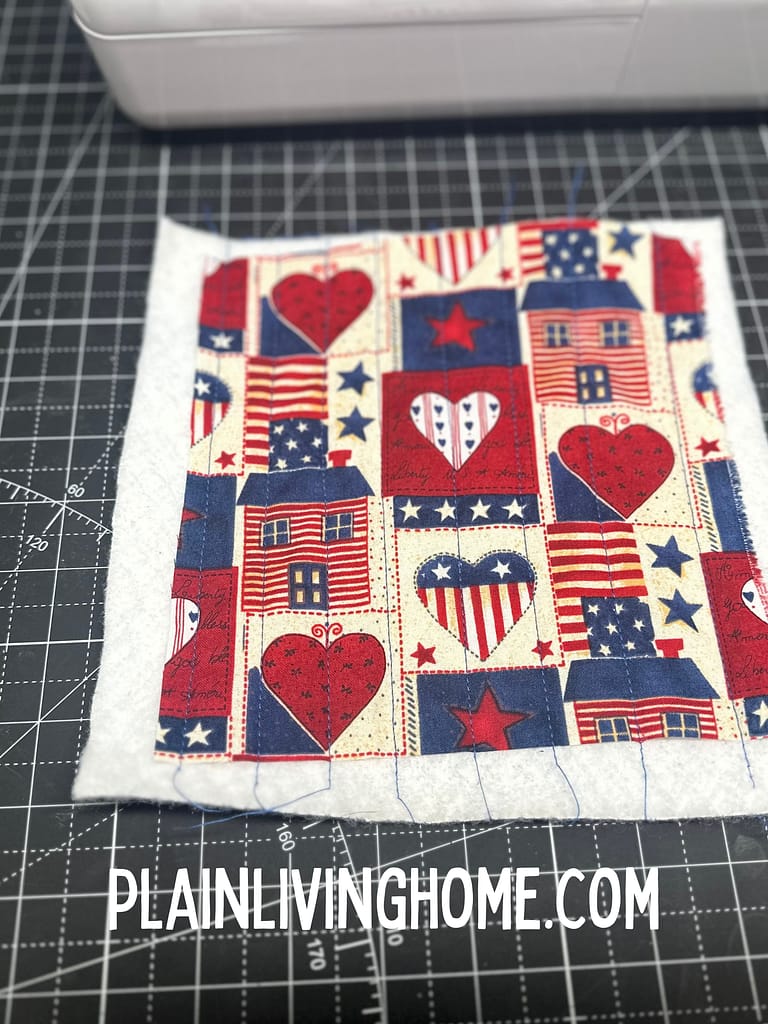
A sewist will quilt the layers together, which accomplishes several things:
- Hold the layers in place
- Add warmth and strength
- Create texture and design
A crafter can make the stitches by hand or by machine, but the goal has always been the same: to turn separate layers into one useful, lasting piece.
A Brief History
Quilting has been a common practice across cultures for hundreds of years. Long before modern fabric stores existed, people quilted out of necessity.
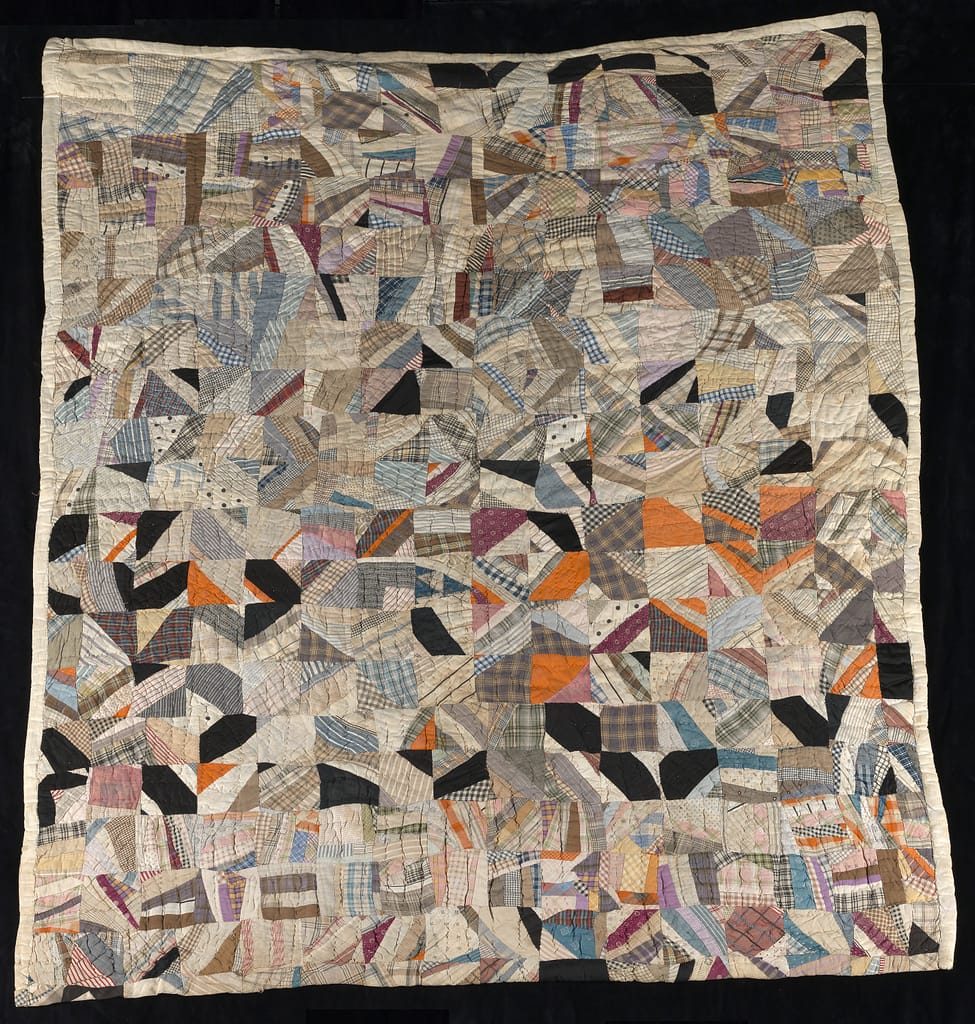
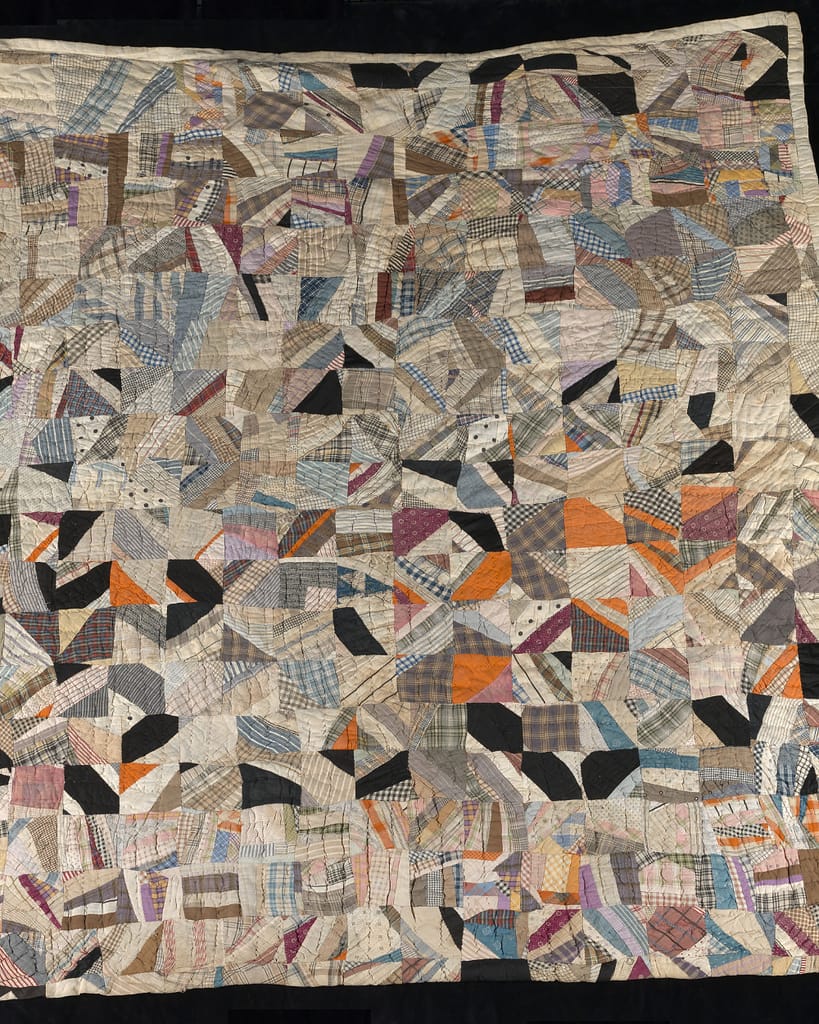
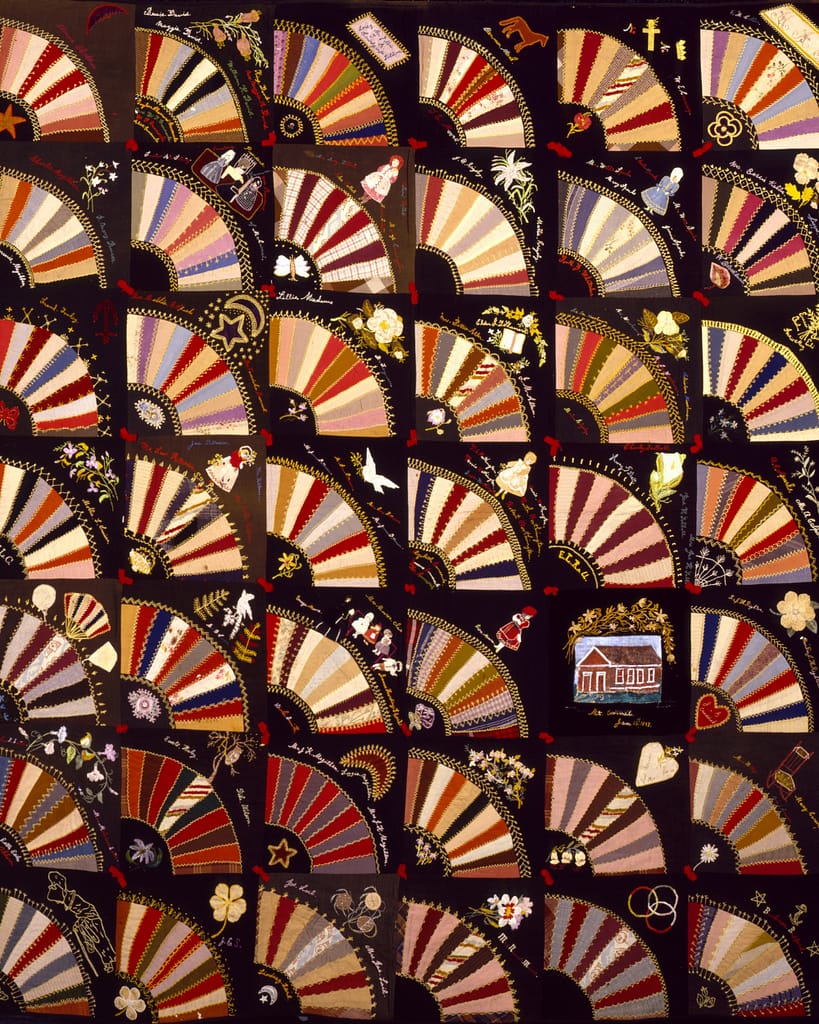
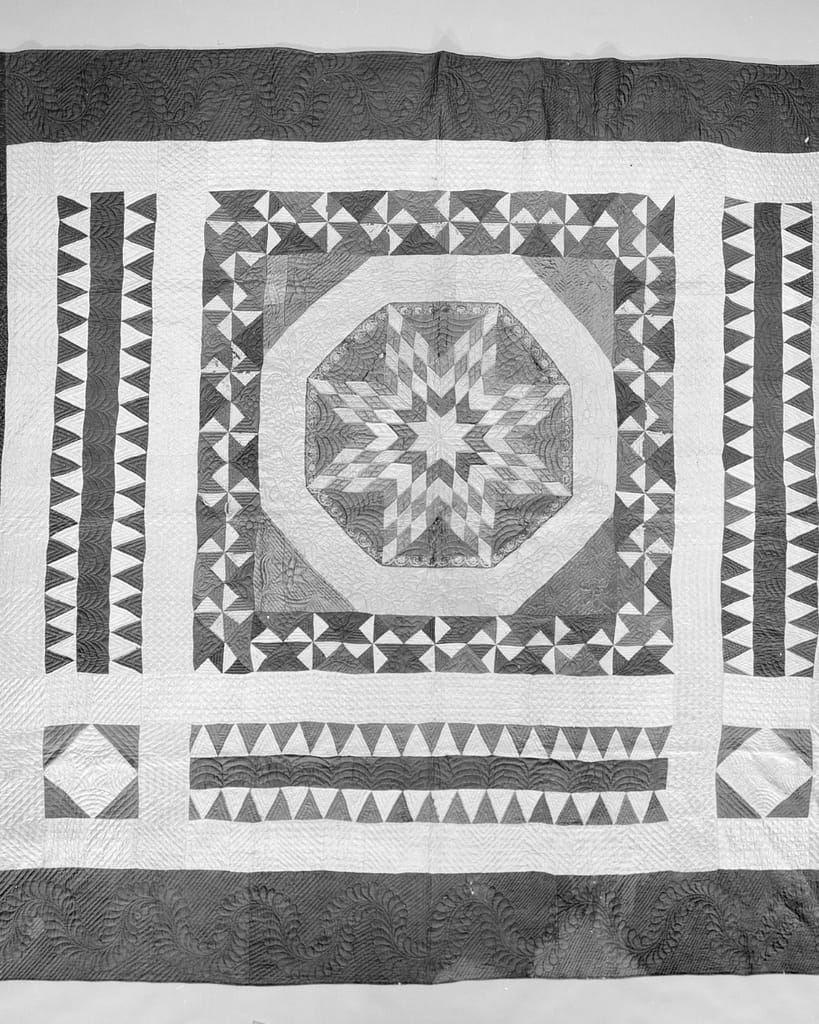
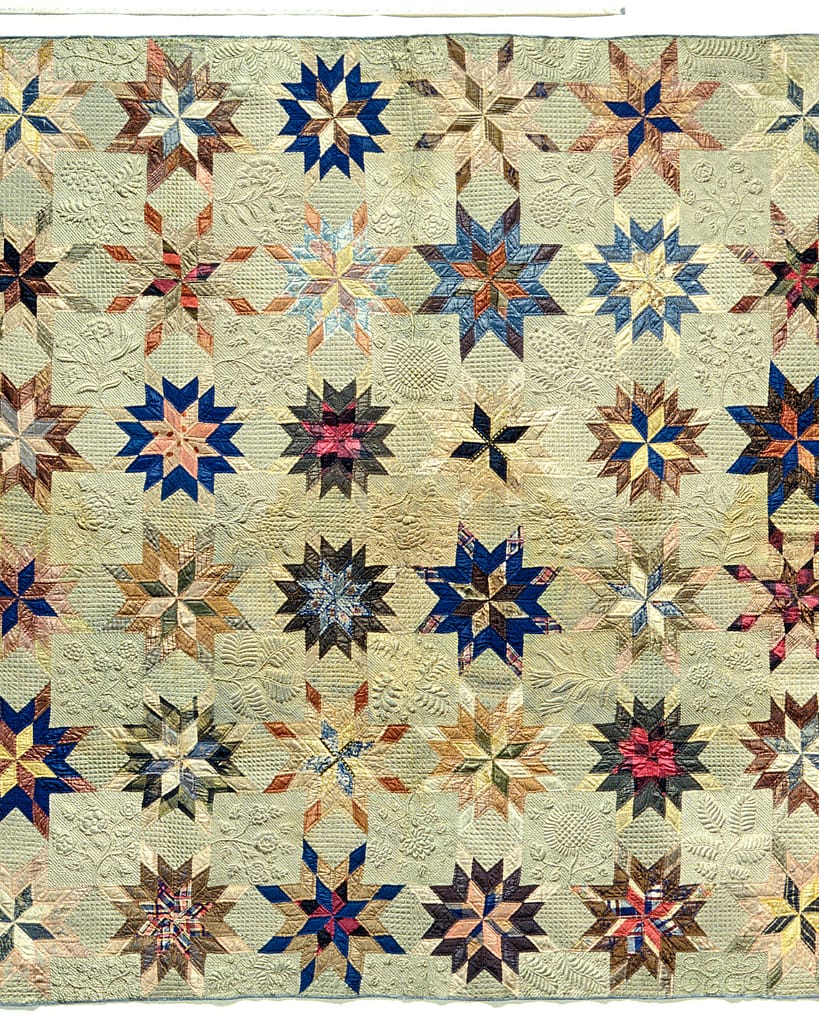
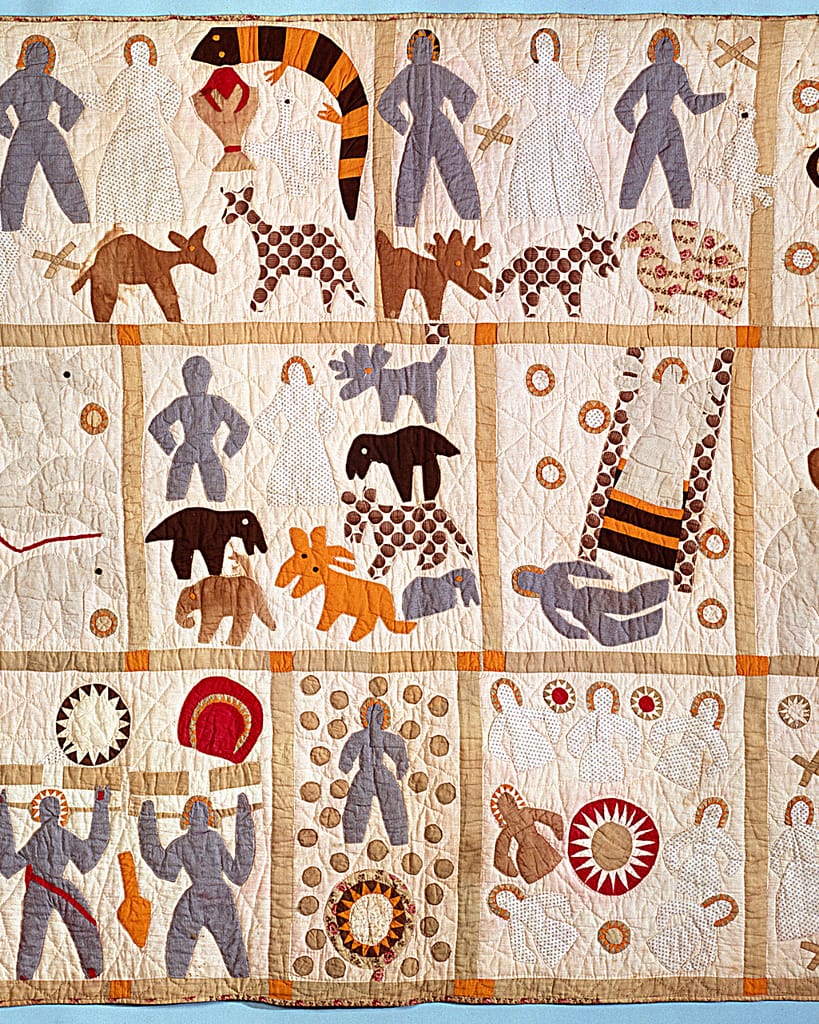
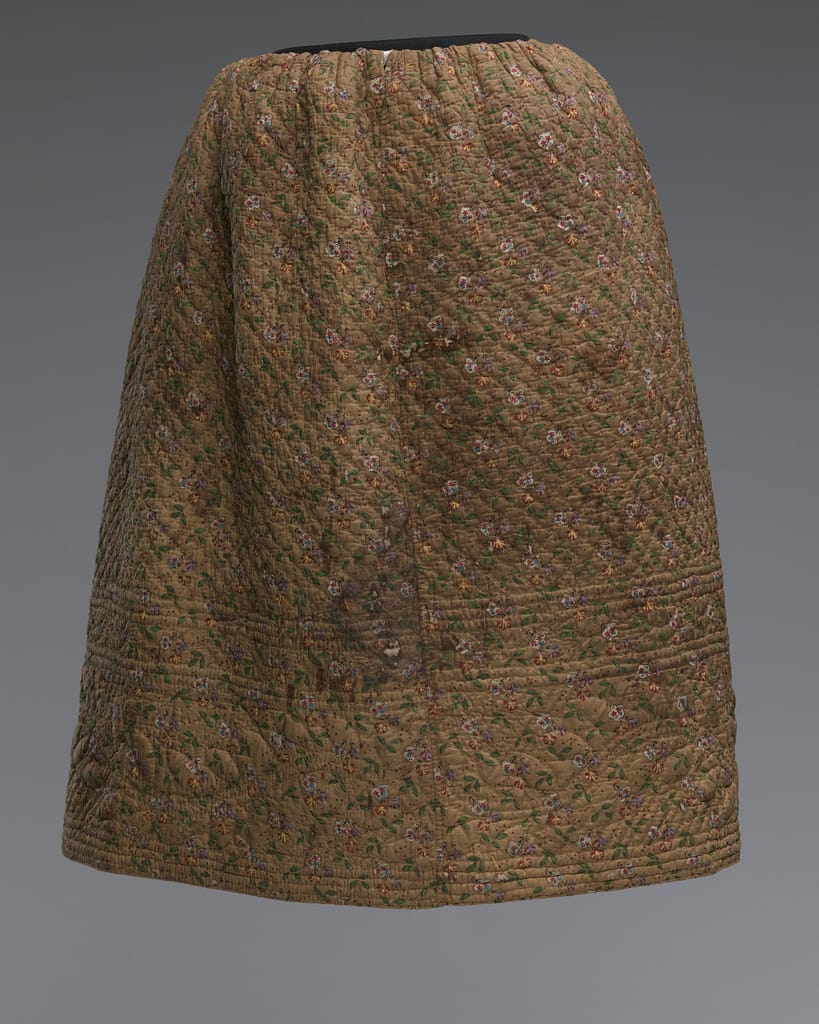
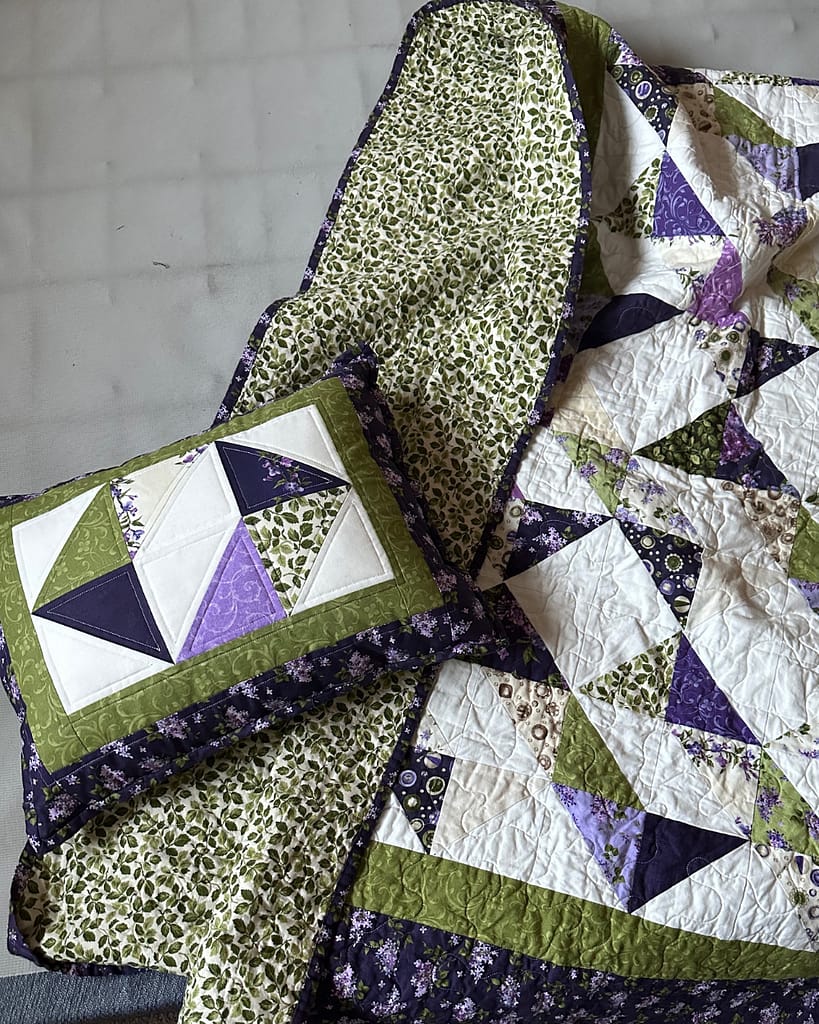
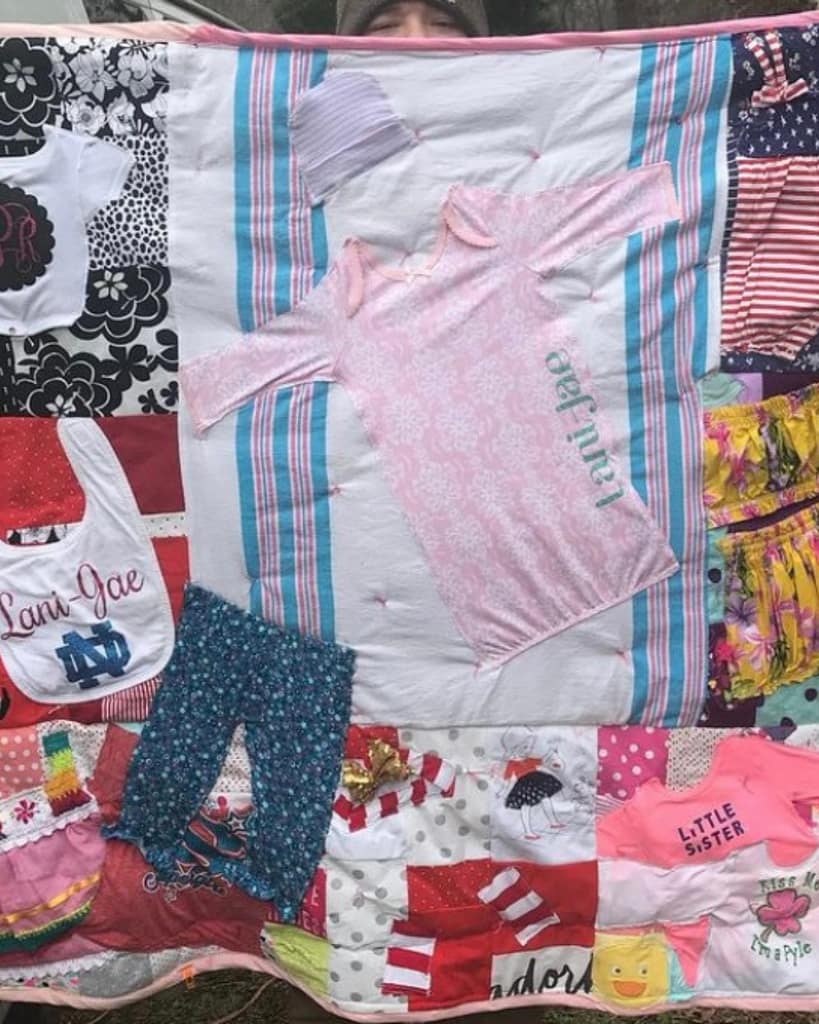
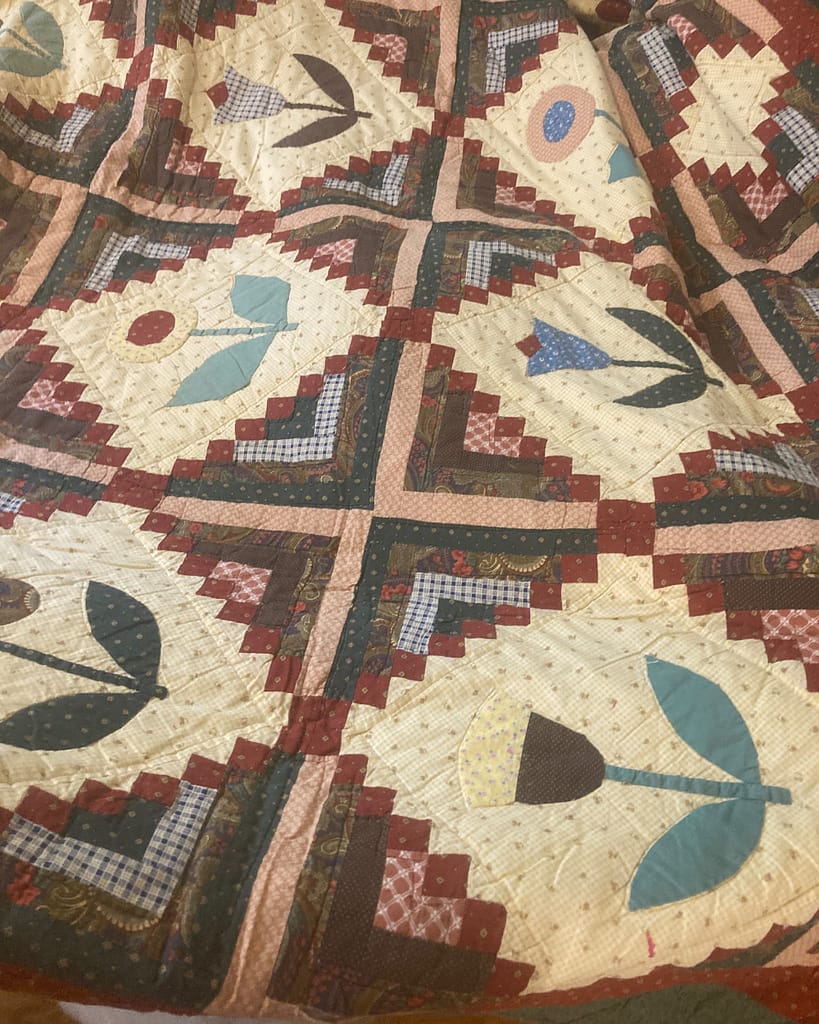
In early America, quilting served many purposes. It gave seamstresses a way to create functional items with extra features for:
- Warmth during harsh winters
- Repairing worn clothing
- Making use of scraps
- Marking important life events
Quilts were often the key feature of group gatherings, with women gathering to sew, talk, and pass skills from one generation to the next.
Antebellum America
In the antebellum period (before the Civil War), quilting was a vital household skill. Not only did the cultured young women learn this feminine skill as a way to show off their education in the domestic arts, but slaves also learned and utilized this craft for many functions.
It was often a frugal endeavor. Fabric was expensive and not wasted. Slaves typically did not have the freedom to buy or own anything. Yet, they had to have clothing and bedding. So, for the slaves, every scrap mattered.
Quilts during this time were often:
- Made from worn clothing
- Constructed from leftover fabric pieces
- stuffed with low quality cotton scraps , old newspapers, thrown away rags from the plantation house, etc.
- Sewn slowly by hand
Although somewhat of an urban legend, the idea that quilts were used as coded messages is quite believable. According to the stories, runaways trying to locate the safe haven of underground railroad stops would look for specific quilt patterns hung out on the lines. That pattern would let them know that it was safe to knock on a door, or that a stash of food or secret hiding place was nearby.
Quilts, Enslaved People, and Making Do With What Was Available
Enslaved men and women often had very limited access to supplies. When batting was not available, they used whatever they could find, including:
- Old blankets
- Wool scraps
- Corn husks
- Animal hair
- Layers of worn fabric
Thus, quilt making became an act of survival and care—providing warmth for families even in the hardest conditions.
The precision and creativity required to quilt under these circumstances shows incredible skill, patience, and resilience.
Quilts were an integral part of daily life, communication, and survival in enslaved communities.
They were objects of comfort, memory, and sometimes hope.
The Art of Traditional Hand Quilting
Before sewing machines were common, hand quiltling was the only available technique. The individual pieces of a pattern would be cut out of paper or card stock, traced onto fabric, and cut carefully by hand. Then, the seamstress would painstakingly sew the piece together. Sometimes, the patterns were so intricate, a seamstress might spend months or even years to complete a quilt top. And that’s before it was ever quilted.
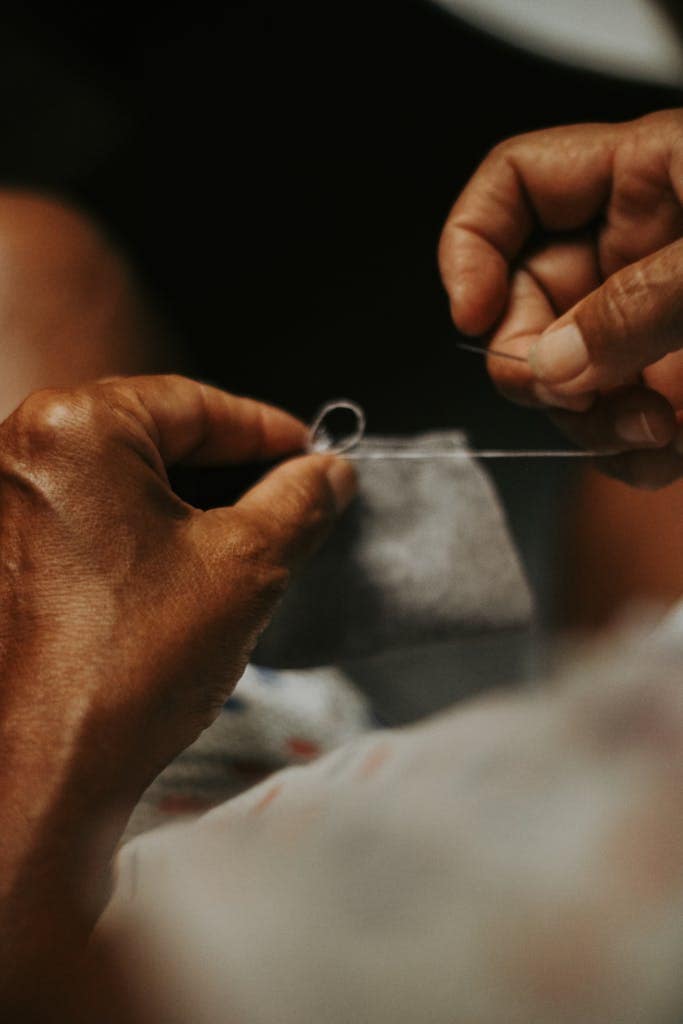
This process required:
- Extremely even stitches
- Careful spacing
- Strong thread
- Good lighting and patience
How to put a Pattern on a Quilt top
Before long arm machines and stencils, a quilter would have to free hand the design of the stitches. Historically, patterns were also passed from woman to woman as a sketch. In good times, women submitted their designs to home magazines so that other women around the country could trace and reuse the design. Quilters used many methods to mark designs:
- Chalk or charcoal
- Soap slivers
- Stencils
- Thread basting
My grandmother was a child in the 40s and 50s and her family was what we call “dirt poor”. She spent her early childhood in a one room house with a dirt floor and a bucket in the corner of when it was too cold to go to the outhouse. She told me about how they would transfer their quilt designs onto the fabric.
In leaner times, the seamstress would lay a piece of wax paper over the paper pattern from a book or magazine, carefully trace the pattern with bacon grease or tallow, then press the pattern onto the fabric of the quilt- the grease would wash away eventually and it made easy lines to follow when sewing. This method meant they didn’t need any fancy sewing tools- just household items that were readily available.
Before the quilt layers could be stitched together, the quilt sandwich was stretched onto a quilting frame. A quilt sandwich is a quilt top, a layer of batting, and the quilt backing fabric, all basted together so the layer don’t shift. Basting is a row of loose, long stitching that hold things in place, that the seamstress will remove when the project is complete.
Many quilt frames have fancy rolling contraptions that allow the seamless to work on one portion of the quilt. Once that section is done, the quilt is rolled onto a reel, exposing a new section of the quilt while keeping the tension on it.
My grandmother had a quilting frame that my grandfather custom built for her. It had 4 corner posts, like legs of a table. The frame consisted of 4 separate 1×2″ boards with a 6″ strip of duck cloth stapled down the length of the boards. The seamstress would then pin the four edges of the quilt onto those strips of duck cloth.Then the 4 board were clamped onto the 4 posts, thus securing the quilt and creating tension to keep the layers tight.
When you started, you would roll the quilt up onto the tow end board until there was only as much quilt showing as you could reach while sitting. Then you could quilt the area in reach. Next, you would unroll a bit of the quilt, clamp the boards back down, and quite some more.
Each time you finished the area of the quilt within arm’s reach, you unroll a new section and spread the guilt out a bit more.
But it was more than just practical. Quilting was a community event, something women gather around a living room to do together.
I’ve read other historical accounts where women hung the quilt sandwich from the rafters inside a house. The weight of the quilt would create tension as the seamstress sewed the layers together. I can imagine the ingenuity of these women who made a way when there wasn’t an obvious or easy solution. They just did it anyway, with creativity.
And every stitch mattered.
You may think that we have it easier now. We can produce an entire finished product so quickly, women of the past would be in awe. But don’t get too excited. Hand quilting was slow, but it produced quilts that lasted for generations.
Modern Quilting: Same Purpose, New Tools
Modern quilting still serves the same purpose it always has: holding layers of fabric together to create warmth, strength, and structure. What has changed is the number of tools and materials available to quilters today. These options allow people to quilt in ways that fit their time, skill level, and creative goals.
The heart has not changed, even though the process looks different. Whether done by hand or machine, quilting still joins layers into one finished piece. The tools simply offer new paths to the same result.
Batting Options
Today’s quilters can choose from many types of batting, depending on the project they are making. Cotton batting gives a soft, natural feel, while polyester batting is lightweight and holds its shape well. Wool and bamboo blends add warmth without too much bulk and make a great option for garments or home décor.
There are battings for warmth, for using int he microwave, for heat-proofing, for insulating. So many products are available now, the sky is the limit on what you might create with these new techniques.
Batting also comes in different thicknesses, which gives quilters more control over the finished look. Thin batting works well for bags and smaller items, while thicker batting is better for blankets and bed quilts. This varies provides flexibility, allowing crafter to make many different projects with quilted sections.
In addition to batting, there are also different types of foam and interfacing that utilize the technique of quilting through the layers. These foams and interfacings give more structure to projects or control the drape of the fabric.
Fabric Choices for Modern Quilters
Modern cotton is widely available and consistent in quality, making it easier to plan and sew projects. Quilters can choose from solids, prints, and specialty fabrics to match personal style or home décor. Unlike earlier times, scraps or worn clothing are no longer the only options. However, many quilters still enjoy working that way.
High-quality cotton presses well, holds stitches neatly, and lasts through years of use. These qualities make it ideal for both decorative and practical projects. The variety of fabric options allows quilting to be both creative and functional.
Tools That Support Modern Crafters
Modern sewing tools help guide fabric and stitches with more accuracy and less strain. Acrylic stencils and rulers are a common tool for creating even patterns when quilting by machine. These tools allow quilters to repeat designs while keeping lines straight and spacing consistent.
Walking feet help move thick layers smoothly through the sewing machine. Free motion feet allow the fabric to move around freely under the needle. These tools make it possible to quilt detailed designs on a standard home sewing machine. With practice, they give quilters greater control and confidence.
Free Motion Quilting at Home
Free motion quilting lets the quilter guide the fabric instead of following a set stitch path. This method allows for curves, loops, and flowing designs that add texture to the finished piece. You must practice this technique. But after a lot of practice, you will be grateful to quilt on a domestic machine- a long arm machine is easily 10-20 more expensive.
A free motion foot allow the crafter to freely move the quilt sandwich around under the presser foot. Thus, the seamstress can freehand designs, adjust stitch length on the fly, and use a regular domestic machine for intricate designs.
Free motion is often used for decorative work, but it still serves the same purpose as any other method. It secures the layers and strengthens the fabric. The difference is in how the stitches are formed, not in what they accomplish.
Holding the Layers Together
Before quilting begins, the layers must be held in place so they do not shift during sewing. Modern quilters often use pins, clips, or temporary basting spray to keep the fabric smooth. These methods replace older hand-basting techniques and save time without changing the result.
Each method works a little differently, but all aim to keep the layers aligned. Choosing the right basting method depends on the size of the project and the type of quilting being done. Smaller projects often need less preparation than large quilts.
Temporary adhesive spray works wonders for large projects or small projects. The spray can be applied to the batting in large areas and remains tacky long enough to adjust the fabric and smooth out wrinkles. Then it holds everything place and won’t gum up the needle on the sewing machine.
Finishing and Binding with Modern Tools
Modern quilt making also includes tools that make finishing easier and more consistent. Binding attachments, specialty presser feet, and acrylic guides help create clean edges. These tools reduce strain on the hands and help achieve a neat, professional finish.
Binding still serves the same purpose it always has, which is to protect the edges of the quilted piece. Modern tools simply help speed up the process and make it more accessible to beginners. They support efficiency without changing tradition.
Rag quilts are also increasingly popular, where the raw edges are left unfinished so the edges fray. This technique is often used in farmhouse and country style decor to give a new quilt a vintage look. Rag quilts can also be much easier for beginners because the raw edges are more forgiving.
No Longer Just for Quilts
Quilted fabric is no longer limited to bed quilts and petticoats. Today, quilting is used in many practical and creative projects. The same techniques that hold a quilt together can be applied to items used every day.
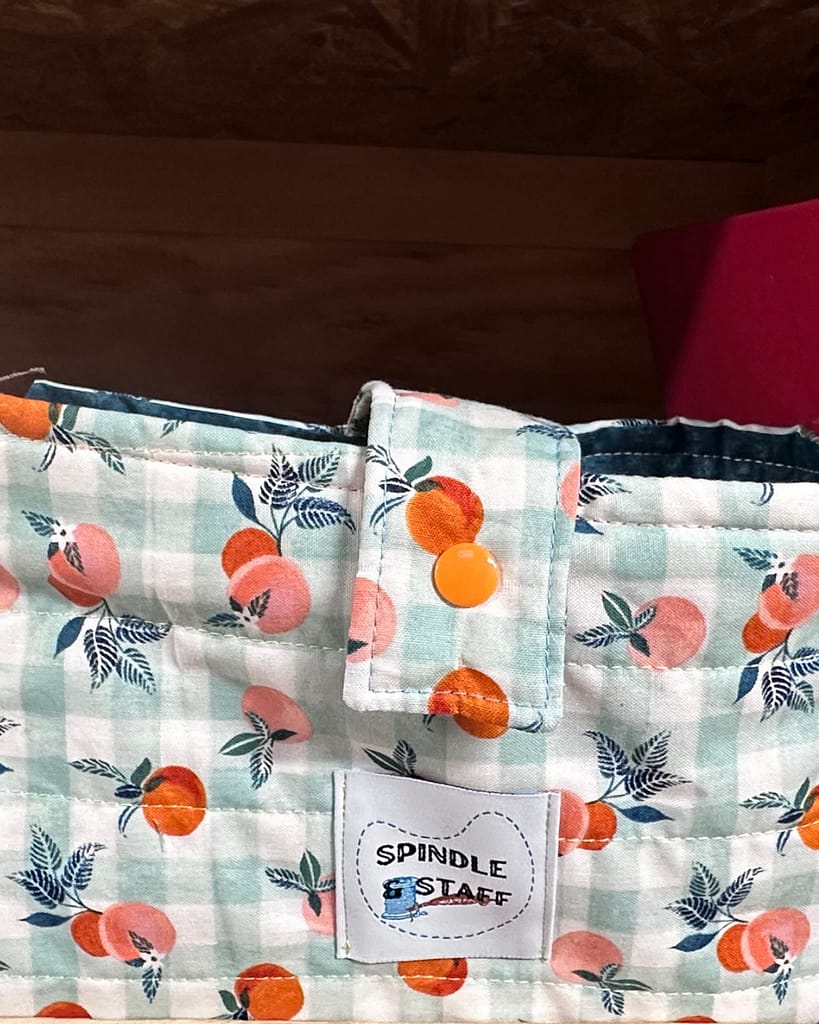
Many makers now use quilted sections in bag making to add structure and durability. Quilted book sleeves, totes, and project bags benefit from the added padding and strength. Straight-line quilting is especially popular for these projects.
If you’re interested in the craft of quilting, but not sure where to start, try one of my free sewing tutorials that use quilted panels. You can make a quilted book sleeve for a friend who loves to read. Or I can teach you how to sew a quilted jar cozy for keep warm drinks warm and cold drinks cold!
Clothing and Outerwear
Quilted fabric has also found a place in modern clothing. Quilted jackets, vests, and coats offer warmth and texture while remaining lightweight. These garments combine traditional techniques with modern style.
Quilting in clothing requires careful fabric and batting choices, but the principles remain the same. Layers are secured together to create warmth and shape. This variety shows just how flexible a quilt can be.
Home Décor
Miniature quilts are commonly used in home décor projects like table runners, pillows, hot pads, and wall hangings. These items benefit from the added strength and texture quilting provides. Even small projects can showcase careful stitching and design.
Home décor quilting allows people to bring handmade warmth into everyday spaces. It connects function with beauty. Quilted items often become well-used and well-loved parts of a home.
Memory Quilts and Storytelling
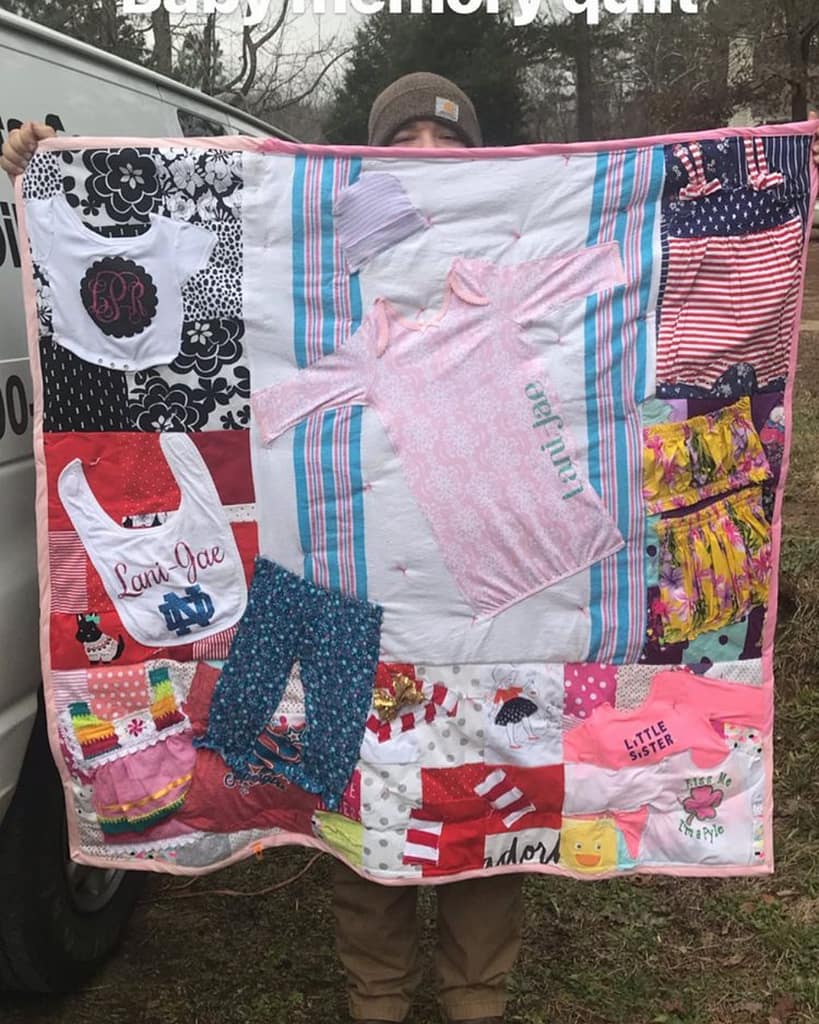
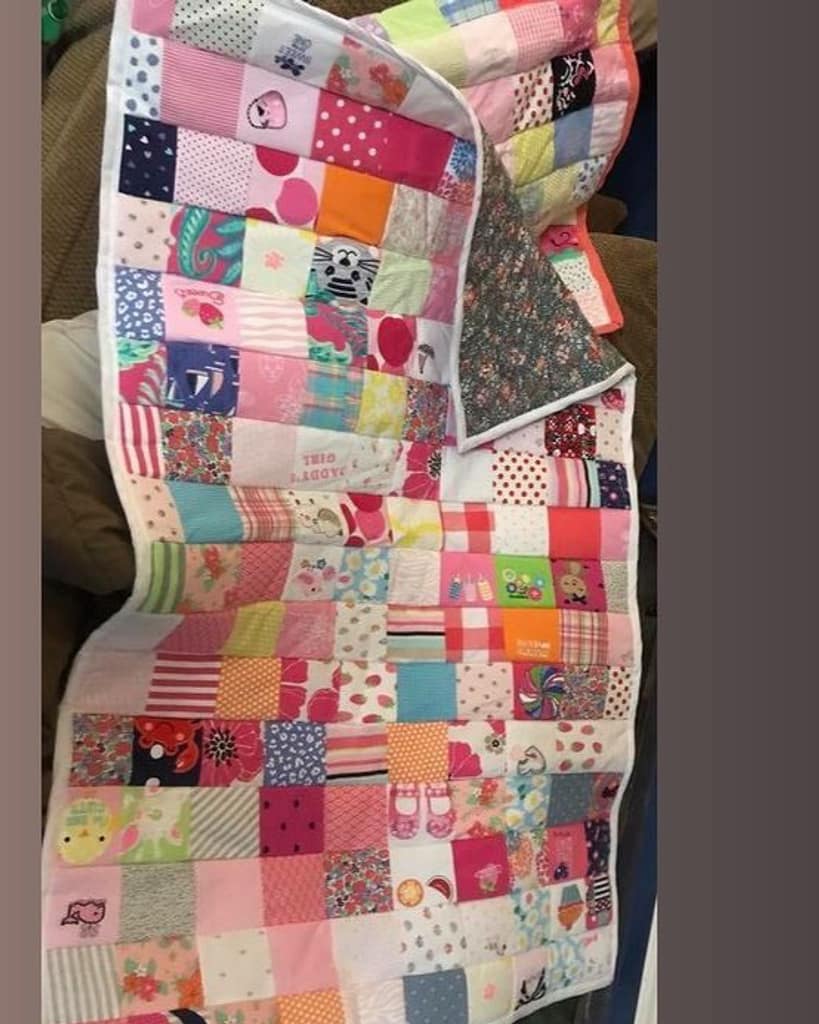
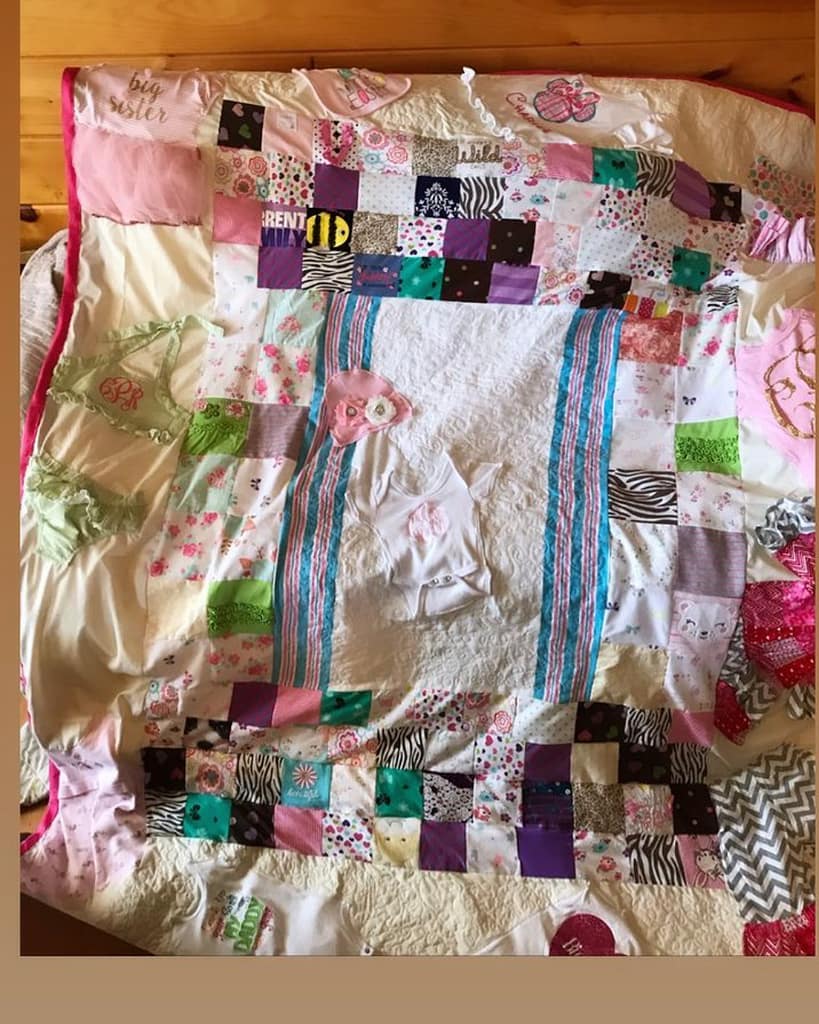
A quilt made of childhood clothing is also a great way to preserve memories. Memory quilts are made from clothing or fabric connected to people and life events. These projects turn fabric into something deeply meaningful.
In this way, quilting continues its long tradition of storytelling. Each stitch holds memory, care, and history. Modern quilting still carries the same emotional weight it always has.
A Craft That Continues to Grow
Modern quilting shows that a traditional skill can continue to grow and adapt. While tools and materials change, the purpose stays the same. Quilting remains a way to create strength, warmth, and beauty through layers and stitches.
Whether used in a quilt, a bag, or a jacket, quilting connects the past to the present. It is a craft that continues to serve families in new and meaningful ways.

I love this! I’m going to have Selah read this through. We’ve been making a temperature quilt this year together. I haven’t really dipped my fingers in the quilting realm yet but now that I’ve started getting to it I’m enjoying it. I wanted to make an heirloom quilt out of wedding items for a long time but have been declined by my sweet master husband 🙂 so now I’m making one with my daughter and she said to me the other day mom! This can be an heirloom quilt now 🙂 it sure can honey 😉