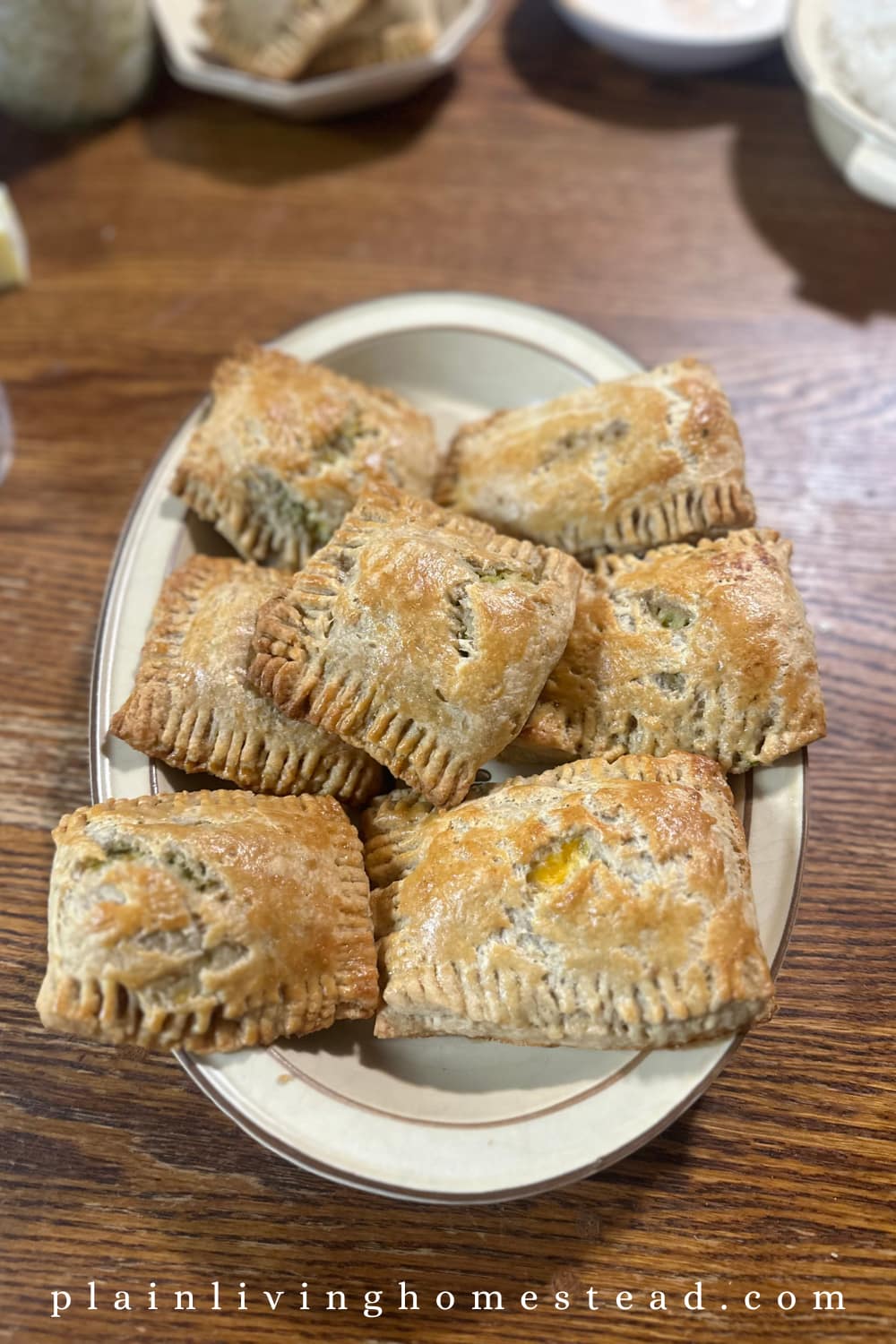
The Best Sourdough Brown Bread: Restaurant Style Mini Loaves
Some links in this post may be affiliate links. That means I might make a small commission on qualifying purchases if you click the link. There is no extra cost to you.
Warm, soft, sourdough brown bread in adorable personal loaves can make every meal feel special. These sourdough mini loaves taste gently sweet, slightly malty, and tender inside with a rustic oat topping. It’s the cozy homemade version of that famous steakhouse bread basket — but with natural ingredients and a wholesome sourdough twist.
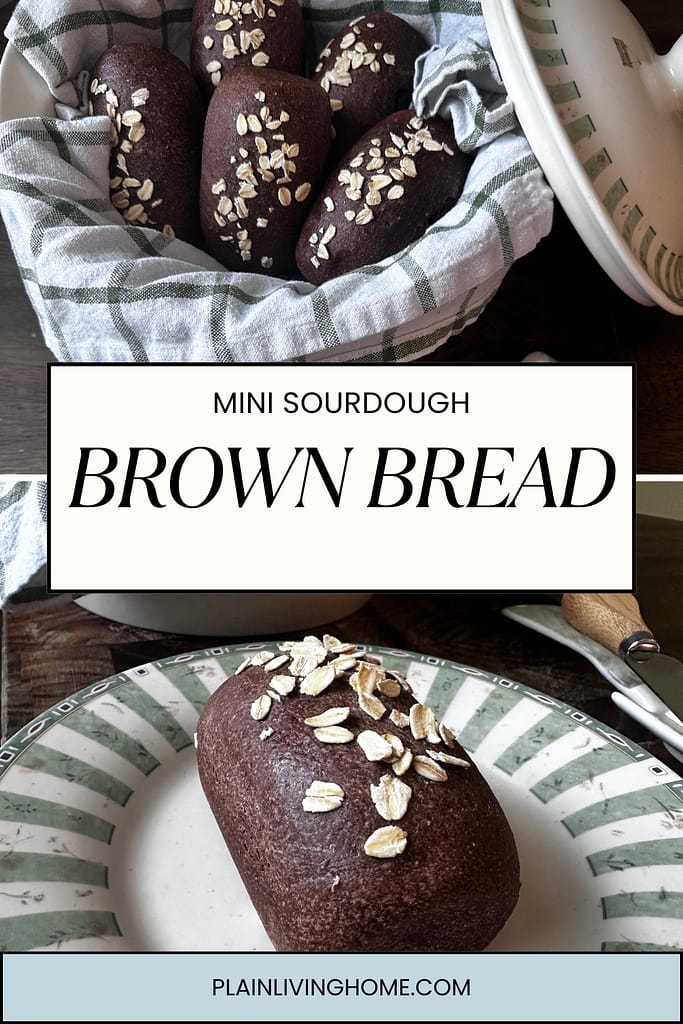
Table of Contents
- Why You’ll Love These Mini Loaves
- Ingredients & What They Do
- Make Sure Your Starter Is Ready
- Tools You’ll Need
- Step-by-Step: Mix, Knead, Rise, Bake
- Fermentation Timeline
- Pro Tips & Fresh-Milled Flour Notes
- How to Serve
- Storage & Freezing
- Variations & Swaps
- Troubleshooting
- FAQs
Why You’ll Love These Mini Loaves
Sourdough brown bread is a luxurious treat. But even better than that…Mini loaves feel fun and fancy — every guest gets their own warm bread. The sourdough adds depth and softness while cocoa and molasses give restaurant-style color and sweetness. Rye, wheat flour, and espresso build that classic brown-bread flavor without food dyes or artificial ingredients.
Ingredients & What They Do
Sourdough brown bread takes a lot of ingredients. Most sourdough breads are simple: flour, water, salt. But this sourdough recipe is a little more complicated. All of those rich flavors come from the combination of sweet and tangy ingredients.
- espresso, coffee, or water: Warms the dough and adds deep flavor like restaurant bread.
- sourdough starter: Naturally leavens and flavors the dough — make sure it’s bubbly.
- honey + molasses: Sweetness, moisture, and dark signature color.
- white all purpose flour: Provides strength for rise and soft crumb. I use an unbleached version.
- rye flour: Classic brown-bread flavor and tenderness.
- whole wheat flour: Nutty flavor and hearty texture. Fresh mill for added nutrients
- dutch process cocoa powder: Darkens the loaf naturally — does not taste like chocolate.
- non-gmo sunflower lecithin: Improves softness and rise in whole-grain dough. nutritional benefits.
- high quality salt: Balances flavor and strengthens gluten. I use a pink salt, Baja gold, or Redmonds.
- melted butter: Tender crumb and shiny finish.
- Oats for topping: Classic steakhouse look.
- Fresh-milled flour lovers, see this guide: Fresh-Milled Flour.
Make Sure Your Starter Is Ready
Sourdough brown bread doesn’t rise easily. It’s a super dense loaf because of the fresh milled wheat and rye flours. You can make with a less-than-active starter, but it won’t be quite as straight forward. To get your starter more active, feed it multiple times before it doubles in size.
Now, it’ important to keep your starter warm. But…that isn’t always easy. I highly suggest making your own little starter jar cozy- you can get my free pattern here.
If you’re a beginner, or want to follow this recipe exactly, make your starter is read. Your starter should be risen, fluffy, and pass a float test. If you aren’t sure about the float test, make sure your starter doubles in size before you use it.
The doubling in size means your starter can raise itself. It will also raise your sourdough brown bread dough. That means soft, springy mini loaves. If you’re new to bread in general, check kneading basics here: How To Knead Bread.
Tools You’ll Need
Mixing bowl, kitchen scale, spatula, and stand mixer (optional). Mini loaf pans or a parchment-lined sheet pan also work. Parchment helps prevent sticking and makes clean-up simple. You can also make up some bowl covers with my sewing tutorial. Make a few to fit your own bowls!
Step-by-Step Instructions
1. Mix liquids: First, whisk espresso/coffee/water, starter, honey, molasses, and melted butter.
2. Add flours & dry ingredients: Then, add white flour, rye flour, wheat flour, cocoa, lecithin, and salt. Mix until shaggy. Rest 10 minutes to hydrate flour.
3. Knead: Next, knead 10–15 min in mixer or 12–18 min by hand until smooth, elastic, and slightly tacky. Dough should form a windowpane or glossy finish.
4. Bulk rise: In order to ferment the dough, cover and rise 4–6 hrs at room temp (or overnight in fridge) until puffy and no longer sticky.
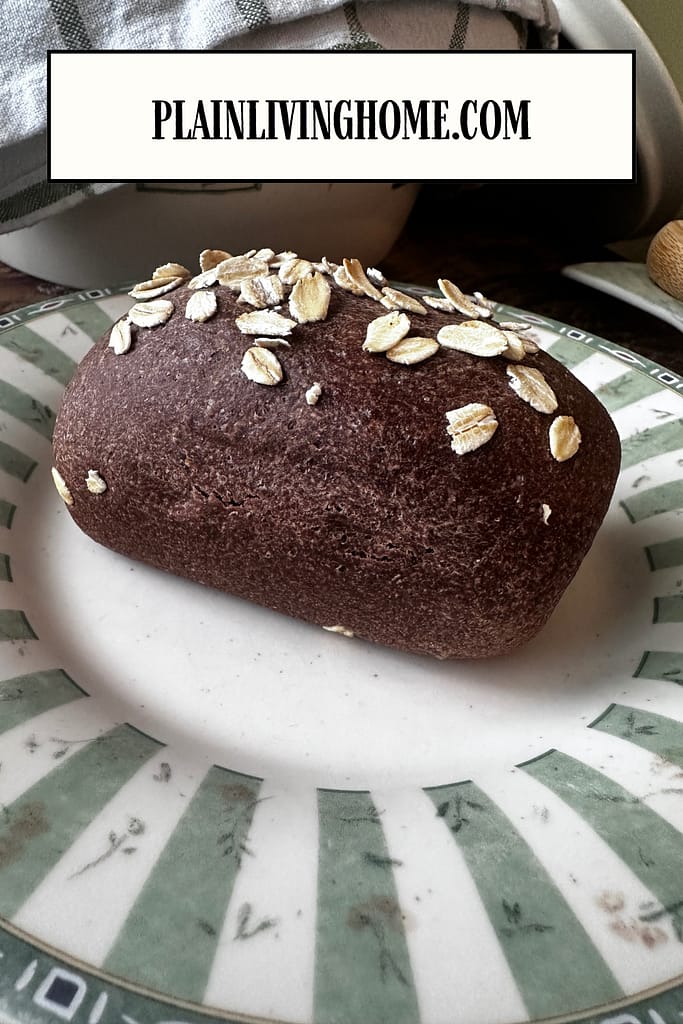
5. Shape minis: Divide into 6–8 pieces and roll into tight football shapes. Place seam-down into a mini loaf pan.
6. Top: Brush tops with milk or water. Sprinkle oats.
7. Proof: Rise 1–2 hrs until pillowy and domed.
8. Bake: Finally,bBake at 375°F for 22–26 minutes or until 195–200°F internal. Brush warm loaves with butter.
Fermentation Timeline
To begin, add an active starter to your dough. It will start naturally fermenting right away, but you need to develop the gluten to catch the air bubbles. Mix & knead: 20 minutes total.
Next, bulk rise. This step allows the bacterium and yeasts in your starer to start fermenting the dough. Your dough will not only rise, but it will also become healthier. I leave mine in a cool spot for about 10-12 hours. However, if your kitchen is warm, try ~5 hours.
In most cases, I find that this dough takes longer to rise and doesn’t quite double like lighter loaves. Overnight chill works great.
Finally, the last step. Proof: 1–2 hours. Dont’ skip this step. It gives the loaves a last chance to add fluffiness after shaping. Once the loaves have risen again, it’s time to put them in the oven. Bake: ~25 minutes.
Pro Tips & Fresh-Milled Flour Notes
Due to the gluten structure, fresh-milled flour dough needs extra kneading time — about 10–15 minutes in a mixer. In addition to long kneading, Lecithin helps whole-grain dough rise taller and bake soft like restaurant bread. As a bonus, the lecithin adds vital nutrients. Learn fresh-milled flour science here: Fresh-Milled Flour Guide.
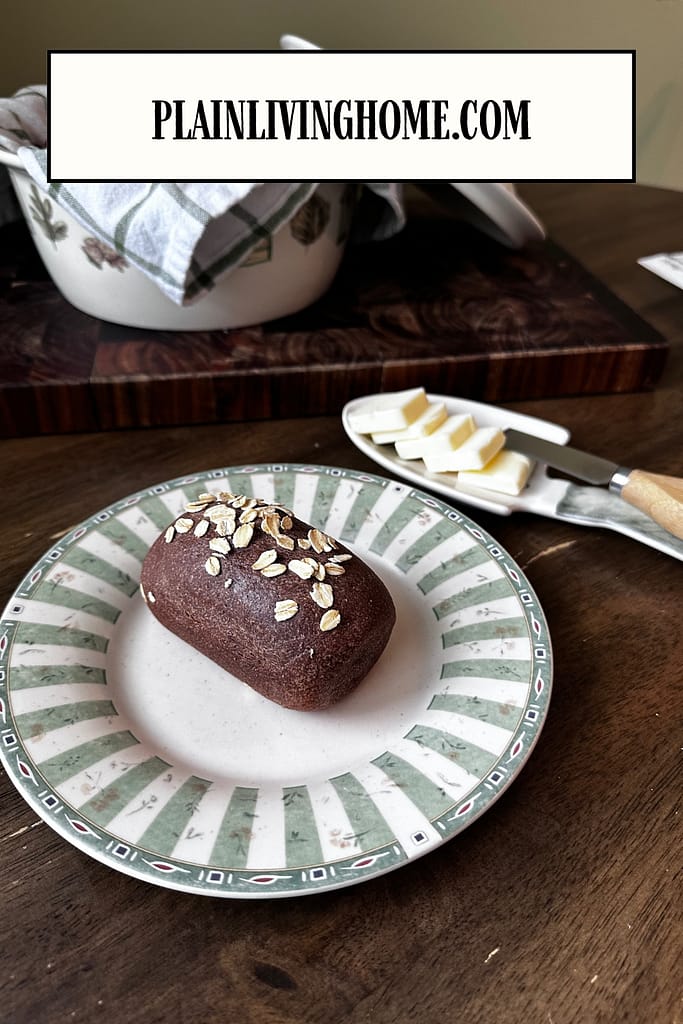
How to Serve Your Brown Bread
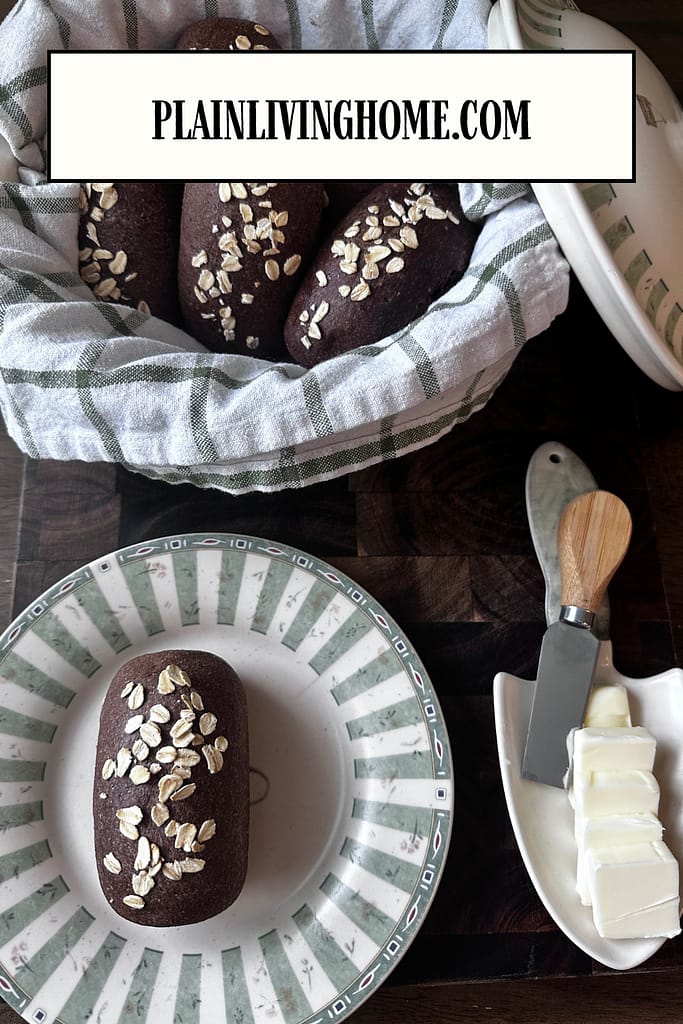
Serve warm with salted butter, honey butter, or cinnamon butter. These mini loaves are perfect for soup nights, holiday tables, and dinner guests. Bonus: kids think they’re “bread for dolls” — and that might be the cutest thing ever. Every guest will enjoy getting their own personal load. It’s fun and unique.
Now, if you’re like me and you enjoy being a little bit quirky, serve each guest a small bowl of butter balls with their brown bread loaf. In fact, if you can find some, try molded butter pats. I know they’re easy to find around easter. If you have your own butter mold, even better!
Storage & Freezing Sourdough
Sourdough recipes all freeze well for me! Yet another good reason to make these adorable little mini loaves- they’re single serving portions. You can pull out only how many servings you need and leave the rest in teh freezer.
So, store your sourdough brown bread in a bread bag 2–3 days at room temp. Freeze up to 3 months — rewarm at 300°F for 10 minutes wrapped in foil. Brush with butter while warm to refresh shine and softness.
Variations & Swaps
50/50 honey-molasses blend for a lighter sweetness. Add 1 tsp espresso powder for deep malt notes. Or swap some wheat for spelt for a soft, slightly sweet version.
Troubleshooting
Dense loaves = under-active starter or under-kneading. Spreading loaves = strengthen gluten with a mid-bulk fold. Pale color = check cocoa/molasses amounts and bake fully.
Try some of my Other Simple Sourdough Recipes
Sourdough Brown Bread FAQs
Quick answers about cocoa and molasses, shaping mini loaves, fermentation timing, and oat toppings.
Do I need cocoa powder for brown bread?
Yes—unsweetened cocoa adds the signature brown color and balances sweetness with gentle bitterness. It doesn’t make the loaf taste like chocolate. Pair cocoa with molasses for the classic steakhouse flavor (learn more).
Can I use all honey instead of molasses?
You can, but molasses gives deeper color and a richer, classic profile. Try a 50/50 honey-molasses blend if you want milder sweetness with great color. A teaspoon of barley malt syrup adds authentic malty notes if you have it.
How do I shape mini loaves so they don’t spread?
Tension matters—tuck and roll each piece into a tight football, sealing the seam. Place seam-down and proof until puffy, not collapsed. If they spread, add a minute or two of kneading or one mid-bulk fold for extra strength.
How do I know when the minis are fully proofed?
Gently press a finger near the edge—if the dent springs back slowly and not fully, you’re ready. The loaves should look rounded and buoyant with visible gas bubbles under the surface. Under-proofed loaves tear; over-proofed loaves deflate in the oven.
Can I make these with fresh-milled flour only?
Yes—plan for a longer knead and slightly higher hydration. Add sunflower lecithin (0.3%–1% of flour weight) for a softer crumb and better gas retention (lecithin basics). See the full guide: Fresh Milled Flour.
How do I get oats to stick on top without falling off?
Brush the proofed dough with milk or water just before topping. Press oats gently so they adhere to the surface. You can mist tops lightly after topping to help them set during oven spring.
What if my starter isn’t very active yet?
You can feed it a couple of times- each feed before it’s fully doubled. This helps give it some strength. You can also go ahead and just use it- it may take a bit longer to raise your dough and it will have more sourdough twang, but it will work.
How should I reheat or freeze mini brown bread?
Wrap cooled minis well and freeze up to 3 months. Rewarm from thawed at 300°F for about 10 minutes wrapped in foil. Brush with butter after reheating for that fresh-baked shine.
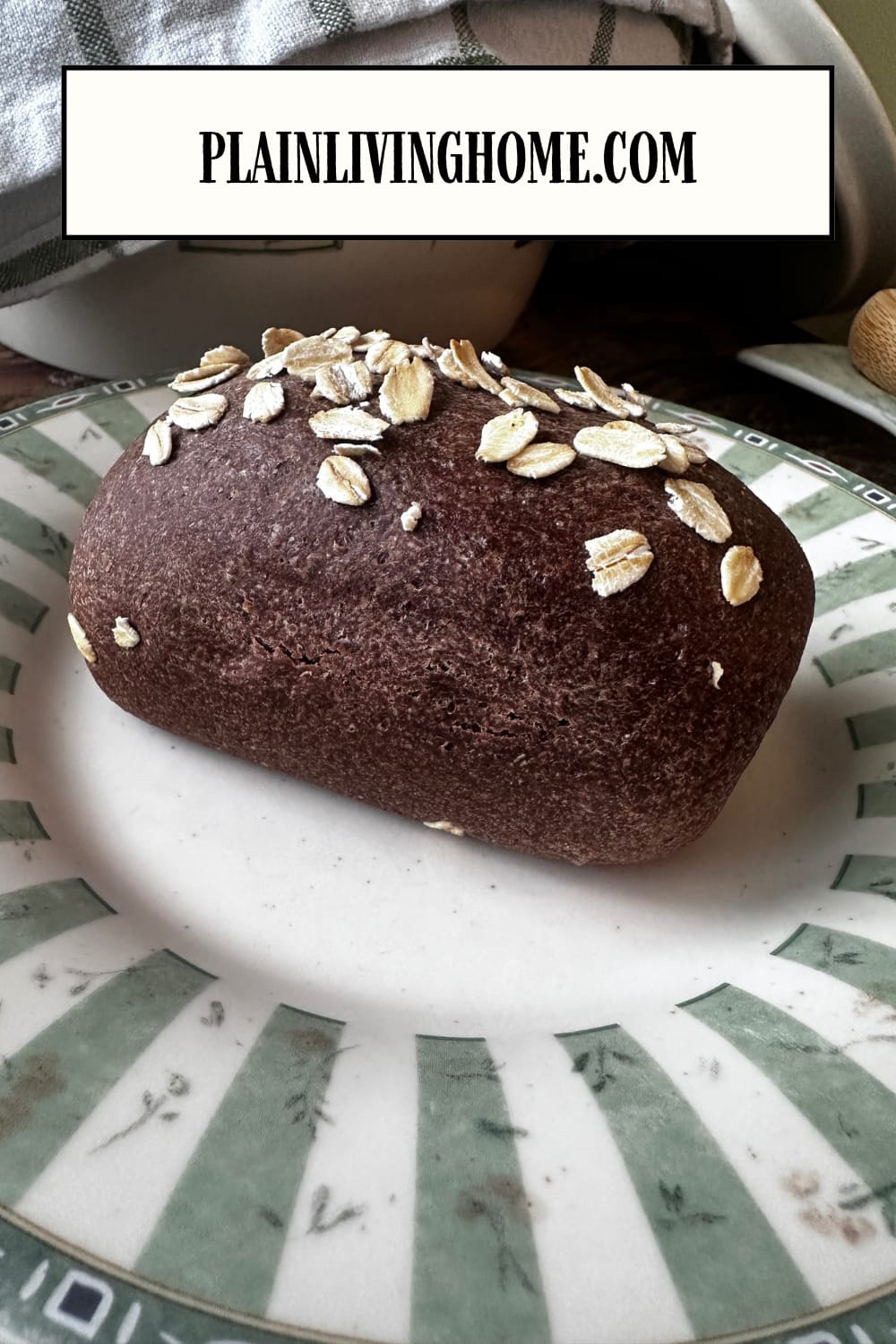
Sourdough Brown Bread (Mini Loaves)
Equipment
- 1 stand mixer you can knead by hand, but a mixer makes light work
- 1 mini loaf pan you can make this into one large loaf too, but minis are fun
Ingredients
- 1.5 cups espresso strong coffee, instant coffee, or warm water are okay too
- 1/2 cup active sourdough starter
- 1/4 cup honey
- 3 tablespoons molasses
- 2 cups white flour I use an unbleached all purpose
- 1 cup fresh milled rye flour if you don't have a mill, use storebought
- 3/4 cup fresh milled whole wheat flour if you don't have a mill, use storebought
- 3 tablespoons dutch process cocoa powder
- 2 tablespoons non-geo sunflower lecithin
- 1 1/2 teaspoons high quality salt
- 4 tablespoons melted butter
- Oats for topping
Instructions
Combine the liquids and whisk
- Whisk espresso/coffee/water, sourdough starter, honey, molasses, and melted butter until smooth.
Add Dry ingredients
- Add white flour, rye flour, whole wheat flour, cocoa powder, lecithin, and salt.
- Stir until a shaggy dough forms.
Rest
- Let the dough rest 10 minutes so the flour hydrates. This step is absolutely necessary for fresh milled flour.
Knead the dough
- Knead for 10–15 minutes in a stand mixer or 12–18 minutes by hand. This dough will get very tough, so you may need to stop every 5 minutes and let it relax a bit. My mixer will overheat if I don't give it a break.
- Continue kneading until dough is smooth, elastic, and slightly tacky. Brown bread tends to create a very dense dough, so don't expect the typical sourdough texture of dough.
- It should pass a light windowpane test or look glossy on the surface. The dough will be speckled from the fresh milled flour, so don't be concerned.
Bulk Ferment
- Cover with a damp tea towel or bowl cover. Set it in a warm place and rise 4–6 hours at room temperature. This dough is slow to rise, so be patient. You can also leave it it a cool spot for much longer or overnight in the refrigerator.
- Allow the dough to ferment until puffy and nearly doubled. Again, this dough will not be a airy and fluffy and a white sourdough loaf, but it will get close to double in size.
Shape the mini loaves
- Divide into 6–8 equal portions and shape each into a small oval/football shape. This dough is dense so it will be difficult to do the typical lamination and shaping. Just do your best to roll each pieces into the size and shape of the mini loaf pan.
- Place the mini loaves seam-side down on a parchment-lined sheet. Once all of the loaves are done, place them into a silicone mini loaf pan.
Toppings
- Brush tops lightly with water, egg wash, or milk and sprinkle with oats.
Final Rise
- Proof 1–2 hours until puffy and domed.
Bake
- Bake at 375°F for 22–26 minutes, or until internal temperature reaches 195–200°F.
- Brush warm loaves with butter for a soft, shiny finish.