
Fresh Milled Flour: What It Is, Why You Should Use It & Why It Really Is a Big Deal
Some links in this post may be affiliate links. That means I might make a small commission on qualifying purchases if you click the link. There is no extra cost to you.
Have you ever paused in your baking to look at the bag of flour on the shelf. Did you wonder, “Where did this come from?” I know now that there is a major difference between store-bought flours ands fresh milled flour. That’s where fresh milled flour comes in — the kind milled just before you bake, using whole grains, and packed with nutrients, flavour, and purpose.
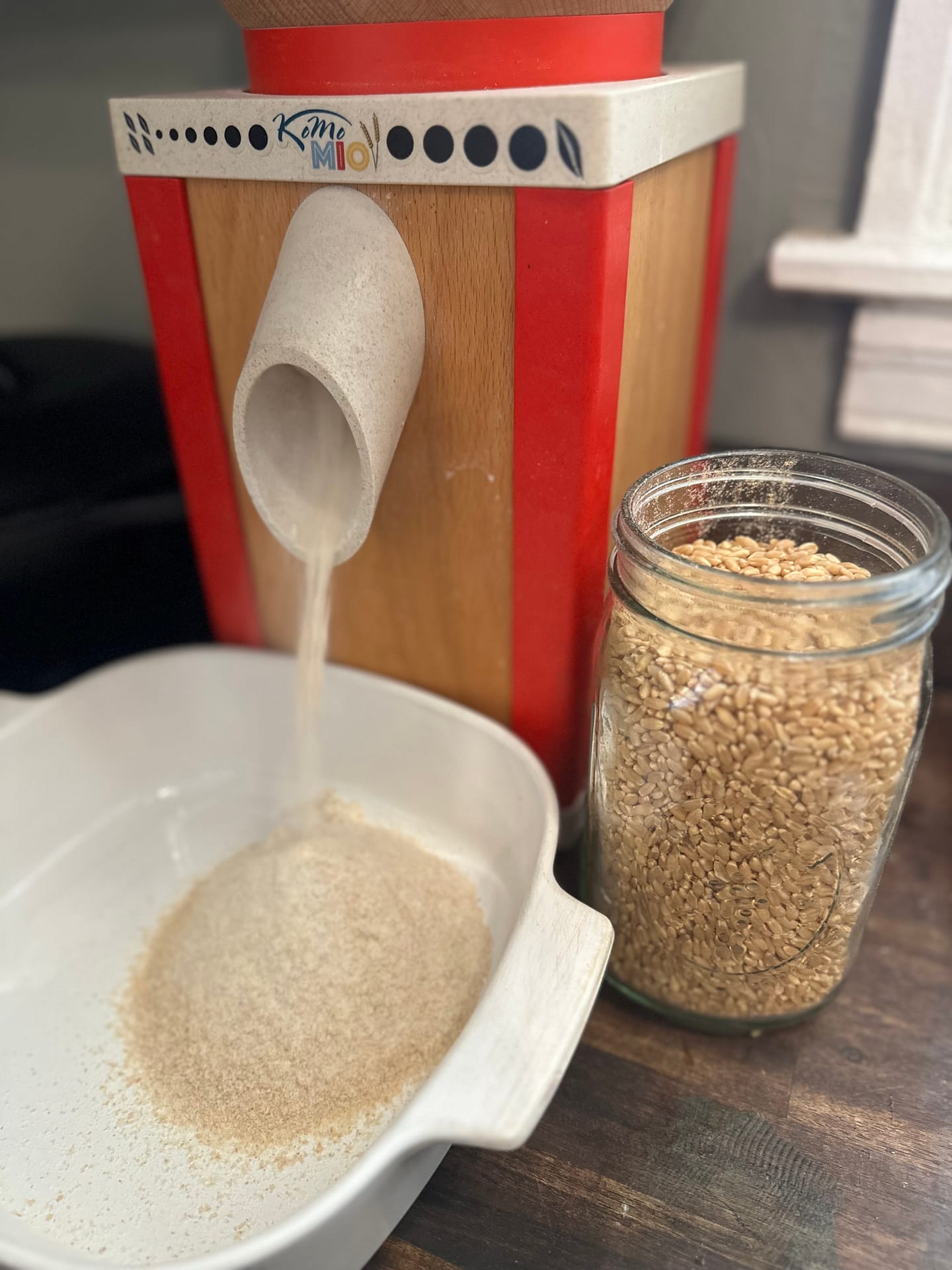
In this post we’ll dive into what fresh milled flour is, explore the rich history of how society moved from community mills to factory-refined flour and the rise of enriched flour, explain why you should use fresh milled flour, and walk through the different grains you can mill and how to use them. Whether you’re baking everyday bread, rolling out sourdough, or filling your hope-chest pantry, this is for you.
Table of Contents
- What Is Fresh Milled Flour?
- Benefits of Freshly Milled Flour
- Historical Journey: From Community Mill to Enriched Factory Flour
- How & Why to Use Freshly Milled Flour (and Different Grains)
- Frequently Asked Questions
Let’s Explain Fresh Milled Flour
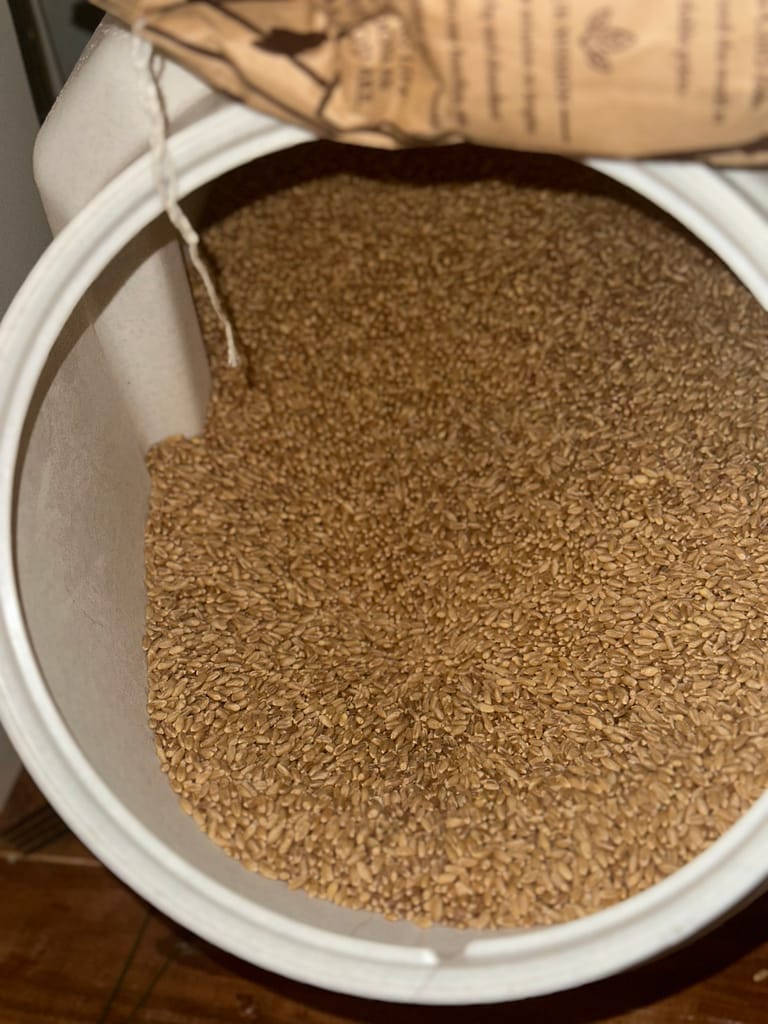
At its simplest, fresh milled flour is flour that a mill grinds from whole grain kernels — including the bran, germ and endosperm. You must use it very soon after milling (hence “fresh”) rather than sitting on a shelf in a bag for weeks or months.
Fresh milled flour retains more nutrition because those delicate oils and vitamins in the germ haven’t had time to oxidize. The USDA explains that most commercial flours remove the bran and germ, leaving primarily the starchy endosperm for longer shelf life. Whole grains contain
Is it really a big deal?
Have you ever head this question: “Is fresh milled flour really a big deal?” The answer is yes. Because when you mill the whole grain yourself, you capture the full kernel—and thus preserve many of the naturally occurring vitamins, minerals, oils and fiber that commercial processing strips away.
That means every loaf, muffin, or sourdough pancake made with fresh flour is more wholesome, flavorful, and satisfying.
Join my community and we’ll share our favorite recipes!
Nutrients in Hard Red Wheat (as one example) and Their Benefits
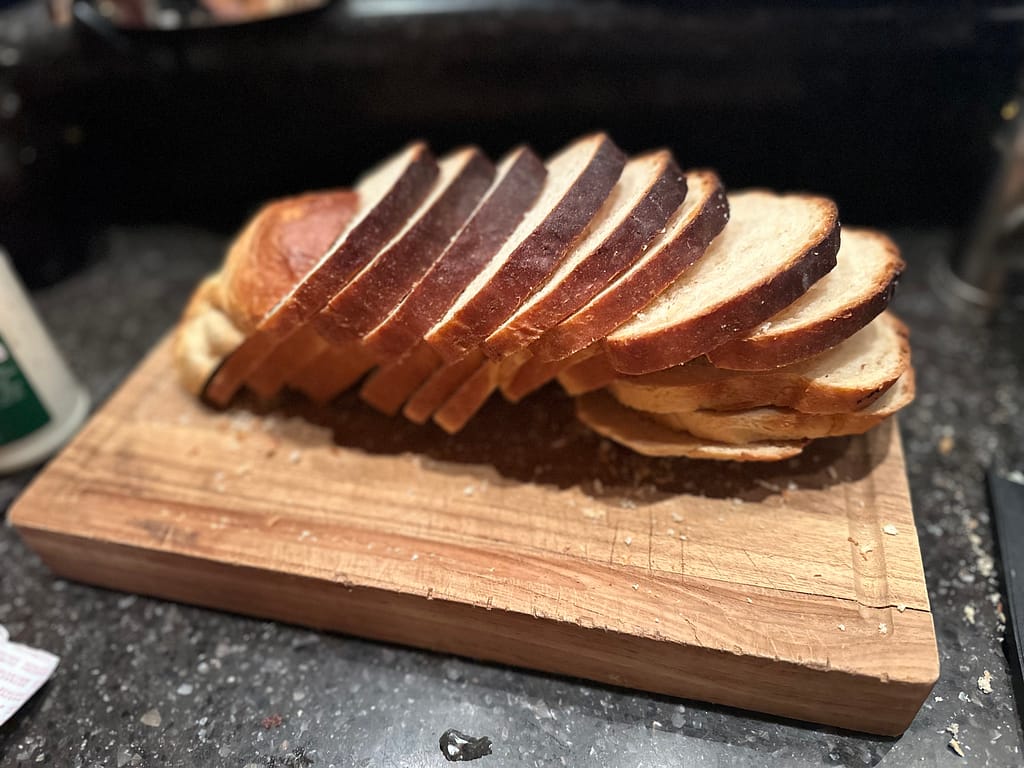
Protein
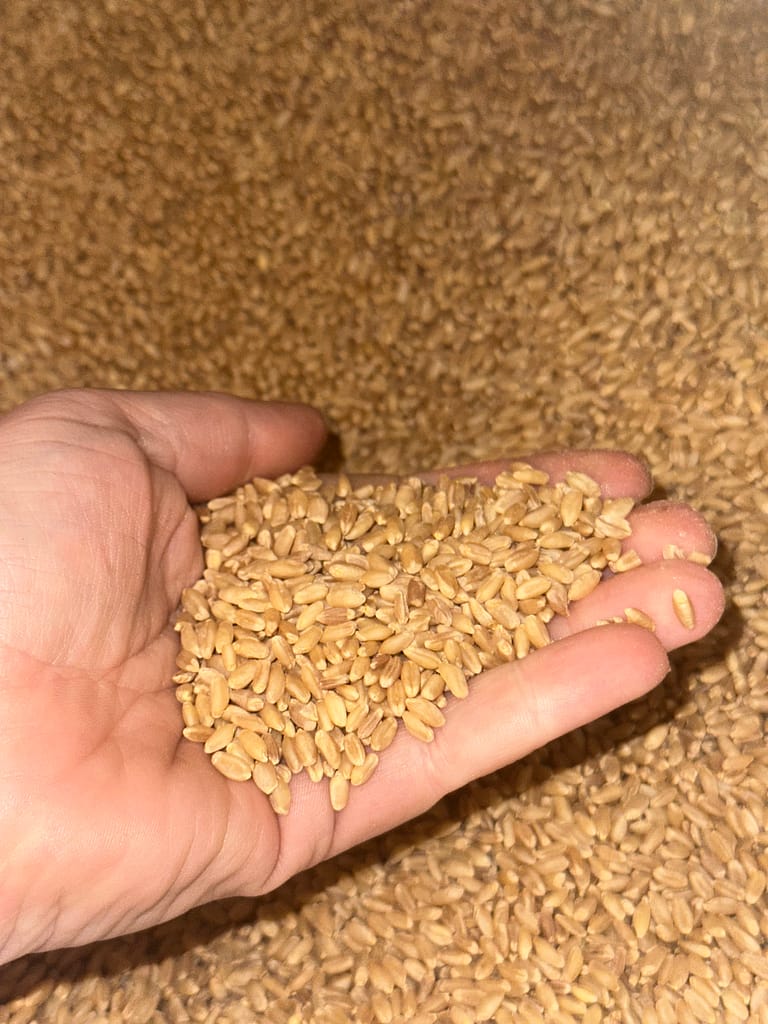
Hard red wheat provides about 12–15% protein, one of the highest among wheat varieties. Protein builds and repairs muscles, supports immune function, and supplies essential amino acids. The gluten-forming proteins also give dough structure and strength, creating chewy, well-risen loaves.
Dietary Fiber
Whole hard red wheat berries contain about 4 grams of fiber per 48-gram serving. Fiber improves digestion, balances blood sugar, and helps lower LDL cholesterol. It also keeps you full longer, making whole-grain baking both hearty and satisfying.
Iron
Hard red wheat contains around 6 milligrams of iron per cup of uncooked grain. Iron supports red blood cell production and oxygen transport throughout the body. It prevents fatigue and supports healthy energy levels for active families and bakers alike.
Magnesium
Each cup of hard red wheat provides about 240 milligrams of magnesium. This mineral regulates muscle and nerve function, supports heart rhythm, and aids over 300 enzyme processes. Magnesium also contributes to bone density and energy metabolism.

Zinc
Hard red wheat offers roughly 5 milligrams of zinc per 100 grams. Zinc strengthens immune function, supports wound healing, and promotes clear skin. It also helps with DNA synthesis and healthy cell growth.
Selenium
With about 135 micrograms per cup, hard red wheat is naturally high in selenium. Selenium acts as a powerful antioxidant, protecting cells from oxidative damage. It also supports thyroid hormone balance and boosts immunity.
B Vitamins
Hard red wheat is rich in B-complex vitamins, including thiamin (B1), riboflavin (B2), niacin (B3), folate (B9), and pyridoxine (B6). These vitamins convert food into usable energy, support brain and nerve health, and create new red blood cells. Regularly baking with whole wheat helps maintain steady energy and focus.
Phosphorus
Each cup of hard red wheat contains around 550 milligrams of phosphorus. This mineral builds strong bones and teeth and helps the body store and use energy efficiently. It also partners with calcium to maintain skeletal strength.
Potassium
Hard red wheat provides about 700 milligrams of potassium per cup. Potassium supports healthy heart and muscle function and helps regulate blood pressure. It works with sodium to balance fluids and prevent muscle cramps.
Manganese
This grain contains roughly 7 milligrams of manganese per cup. Manganese assists with collagen formation, bone development, and carbohydrate metabolism. It also acts as an antioxidant, helping the body neutralize free radicals.
Copper
Hard red wheat delivers small but vital amounts of copper, about 0.8 milligrams per cup. Copper supports iron absorption, strengthens connective tissues, and promotes healthy brain and heart function. It also aids in forming hemoglobin and collagen.
Vitamin E
Vitamin E lives in the wheat germ—the very part removed from refined flour. This vitamin protects cells from oxidative stress, boosts immune health, and supports skin elasticity. Fresh milling keeps this nutrient intact and active in your flour.
Calcium
Though not as high as dairy foods, hard red wheat still provides about 40 milligrams of calcium per serving. Calcium supports strong bones and teeth and aids in muscle contraction. Baking with whole-grain flour adds another small but steady source of this essential nutrient to your diet.

Folate (Vitamin B9)
Whole wheat naturally provides folate, especially in the bran and germ. Folate assists in DNA formation, supports healthy cell division, and prevents certain birth defects during pregnancy. It’s another key nutrient often missing in refined flours.
Niacin (Vitamin B3)
Hard red wheat is rich in niacin, which supports metabolism and skin health. Niacin helps convert carbohydrates into energy and supports cholesterol balance. Enriched white flour adds this vitamin artificially, but fresh-milled wheat delivers it naturally.
Thiamin (Vitamin B1)
Thiamin supports energy metabolism and proper nerve function. Each serving of whole wheat contributes to steady mental focus and reduced fatigue. Milling your own flour helps retain this heat-sensitive vitamin that commercial processing often destroys.
Riboflavin (Vitamin B2)
Riboflavin aids in breaking down fats and proteins for energy. It also supports healthy skin and eye function. Hard red wheat provides this nutrient naturally, unlike bleached flours which lose much of their riboflavin during processing.
Vitamin B6 (Pyridoxine)
Vitamin B6 helps produce neurotransmitters like serotonin and dopamine. It also plays a role in protein metabolism and immune function. Hard red wheat contributes this essential vitamin to your daily intake when freshly milled.
Antioxidants and Phytonutrients
Hard red wheat contains plant-based antioxidants such as ferulic acid, carotenoids, and alkylresorcinols. These compounds fight inflammation and protect cells from oxidative damage. Fresh milling preserves these natural protectants far better than long-shelf refined flours.
Benefits of Freshly Milled Flour
- Better Nutrition: Retains the full spectrum of natural B-vitamins, minerals, and healthy oils from the grain germ. Studies show refined white flour loses much of this nutrition during processing (Eater).
- Superior Flavor: Freshly milled flour has a nutty, complex flavor that you can actually taste in bread, pancakes, and muffins.
- Improved Texture: The natural oils soften dough and improve crumb structure, producing baked goods that are moist yet hearty.
- Local Sustainability: Milling your own grain or supporting a small local mill reduces processing steps, transportation, and waste.
- Family Tradition: Milling flour connects you to the timeless rhythm of home-baking — the same steps your great-grandmother once took to feed her family from scratch.
Historical Journey: From Community Mill to Enriched Factory Flour
Early communities relied on small gristmills, often water-powered, to grind local wheat or rye. Flour was whole grain by default. Flour Milling in America: A General Overview describes how these mills served both as gathering places and essential food infrastructure.
By the late 1800s, roller milling technology allowed millers to separate the bran and germ from the endosperm. This produced white flour that looked refined and stored longer, but at a nutritional cost. Little Rae’s Bakery notes that as flour became whiter and softer, Americans prized its convenience — unaware it was also less nourishing.
No more nutrients, no more health
As diseases linked to vitamin and mineral deficiencies grew, governments took notice. In 1941, the U.S. introduced standards for “enriched” flour — restoring some lost nutrients such as niacin, thiamin, riboflavin, and iron.
Bakerpedia explains that this was part of a larger public health effort to combat nutrient-deficiency diseases. Even today, the U.S. National Library of Medicine records the history of food fortification as a major turning point in food manufacturing.
While enrichment added back a few vitamins, it could never fully replace what natural, freshly milled grain already contained. That’s why many modern homesteaders and bakers are returning to the old way — fresh milling for authentic nutrition and taste.
How & Why to Use Freshly Milled Flour (and Different Grains You Can Mill)
Convert All Purpose Recipes to Fresh Milled
When you swap fresh milled flour for all-purpose flour, start by using about 1¼ cups of fresh milled flour for every 1 cup of all-purpose flour the recipe calls for. Fresh milled flour includes the bran and germ, which changes how it measures and absorbs moisture. That extra quarter cup helps provide enough structure and balance in your dough or batter.
Fresh milled flour also absorbs liquid more slowly, which means your dough may seem soft at first and then tighten up as it rests. For best results, mix your ingredients until just combined, then let the dough or batter rest for 15–30 minutesbefore deciding if you need more flour or liquid. This short rest allows the bran to fully hydrate and improves texture.
Fresh Milled Flour Conversion Chart
Use this chart as a starting point when replacing all-purpose flour with fresh milled flour.
| All-Purpose Flour | Fresh Milled Flour | Helpful Notes |
|---|---|---|
| 1 cup | 1¼ cups | Start here for most recipes |
| 2 cups | 2½ cups | Expect slightly higher hydration needs |
| 3 cups | 3¾ cups | Let dough rest before adjusting |
| 4 cups | 5 cups | Ideal for bread and rolls |
| Delicate bakes | 25–50% swap | Cakes, muffins, cookies |
When converting recipes, hold back a small amount of liquid and adjust after the resting period. If you are baking delicate items like cakes, muffins, or cookies, begin by replacing 25–50% of the flour with fresh milled flour until you learn how different grains behave. Each grain mills slightly differently, so small adjustments help you achieve consistent, reliable results.
How to use different grains for fresh milled flour
Here are some practical tips and popular grains for your home mill:
- Hard Red Wheat: High gluten and strong flavor — best for sandwich bread and sourdough.
- Hard White Wheat: Milder flavor with good strength — perfect for lighter breads and dinner rolls.
- Soft White Wheat: Low gluten — ideal for muffins, pancakes, and pastries.
- Spelt: Ancient grain with a nutty, mildly sweet flavor — good for rustic loaves.
- Rye: Distinct taste, rich aroma — best in hearty, European-style breads.
- Einkorn or Kamut: Ancient grains with golden color and rich nutrition — great for cookies or artisan blends.
- Oats and Barley: Add softness and flavor when blended with wheat flour in baked goods.
Remember: freshly milled flour absorbs water differently. You may need to adjust hydration in recipes like Simple Sourdough Pie Crust or sourdough biscuits when substituting fresh-milled flour for store-bought.
Frequently Asked Questions
Fresh Milled Flour FAQs
Clear answers about what fresh milled flour is, why it matters for nutrition and flavor, how it compares to enriched flour, and how to use it in everyday baking.
What is fresh milled flour?
Fresh milled flour is ground from whole grain kernels (bran, germ, endosperm) and used soon after milling. Because the natural oils and vitamins haven’t had time to oxidize or dissipate, you get fuller flavor, better nutrition, and a more satisfying crumb.
Is fresh milled flour really a big deal compared to store flour?
Yes. Most store all-purpose flours remove bran and germ for shelf life, which also removes much of the vitamins, minerals, fiber, and flavor. Fresh milling preserves those parts of the kernel so your bread is naturally richer in nutrition and taste.
What’s the difference between whole wheat, enriched, and fresh milled flour?
Fresh milled is whole grain flour used soon after grinding. Whole wheat (store-bought) includes bran and germ but may be older and more oxidized. Enriched white flour has bran/germ removed, then a few nutrients (like B vitamins and iron) added back—useful for fortification but not a full replacement for the whole kernel’s natural goodness.
Which grains can I mill and what are they best for?
Try hard red (hearty sandwich loaves, sourdough), hard white (lighter whole-grain breads), soft white (muffins, pancakes, pastries), spelt (mild, slightly sweet), rye (distinct flavor, denser), and ancient grains like einkorn or kamut (great in cookies and artisan blends). Oats/barley can be milled and blended for tenderness and flavor.
Can I substitute fresh milled flour 1:1 for all-purpose?
Most often, no. Try replacing 1 cup of all purpose flour with about 140-150 grams of fresh milled flour. If you prefer to use cups, try 1 1/4 to 1 1/3 cups of fresh milled per cup of all purpose that’s called for. Freshly milled flour absorbs water differently, so give doughs extra time to rest so the bran can hydrate.
How should I store fresh milled flour?
For best quality, mill close to baking time. I typically use mine within 3 hours of milling. If storing, use an airtight container in a cool, dark place for short-term (a day or two), or refrigerate/freeze for longer storage to protect the natural oils from going rancid.
Is fresh milled flour gluten-free?
Wheat-based flours (red/white, spelt, einkorn, kamut, rye) contain gluten. If you need gluten-free, mill naturally gluten-free grains/seeds (like certified gluten-free oats, sorghum, millet, buckwheat, or rice) with a mill that hasn’t been cross-contaminated. I don’t need to bake gluten free, so I don’t have any advice for that.
Why did “enriched” flour become standard if it’s not whole grain?
When roller-milling made white flour common, nutrient-deficiency diseases rose. When government entities were made aware of this issue, they created a “solution”. Enrichment policies added back select B-vitamins and iron to help public health. It supposedly improved some outcomes, but it still doesn’t replace the full nutrition (and flavor) of truly whole, freshly milled grain.
