Another Morning Work Book-Teach your preschooler a new habit
Some links in this post may be affiliate links. That means I might make a small commission on qualifying purchases if you click the link. There is no extra cost to you.
If your mornings feel scattered — kids waking up at different speeds, coffee getting cold, everyone needing something at once — you are not alone. I designed this free preschool printable work book to bring calm structure to the start of the day. It’s so helpful, especially for preschool and early elementary children who are still learning how to focus, trace, and follow simple directions.
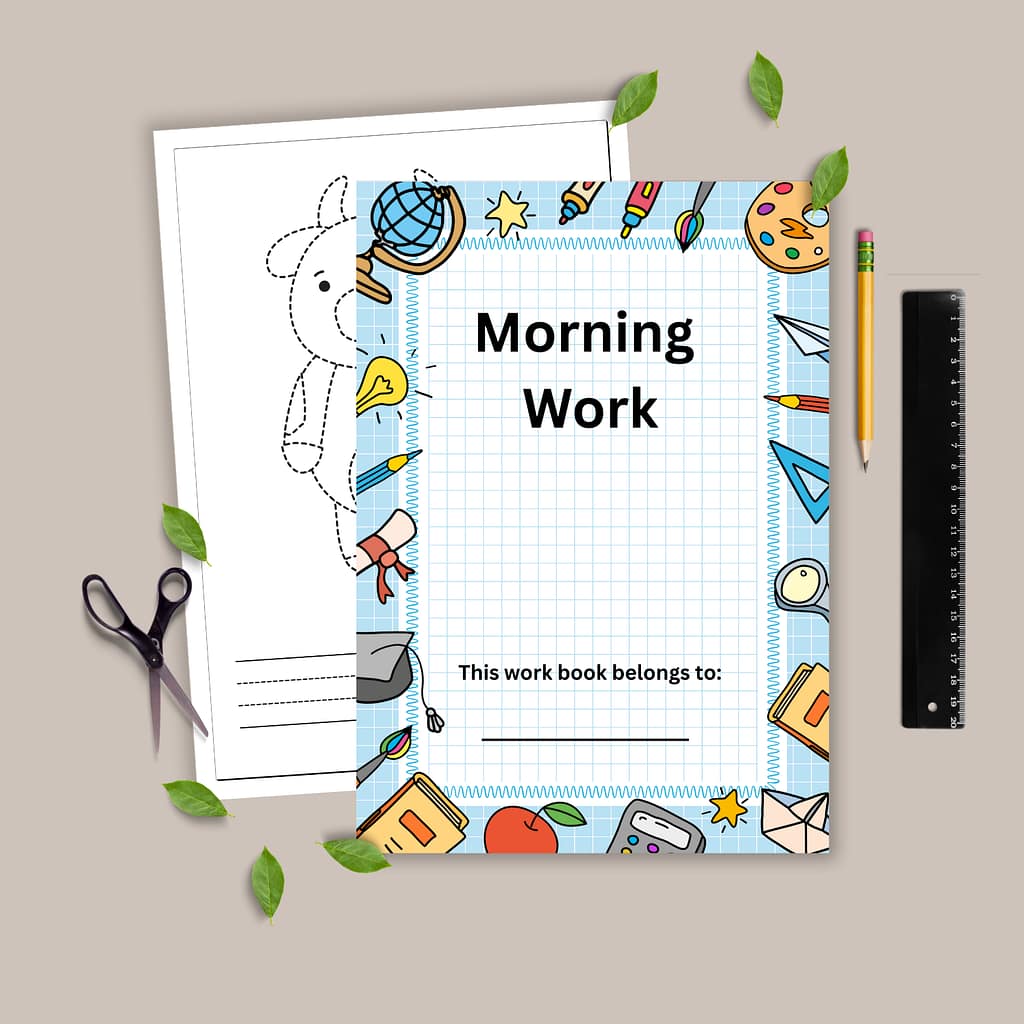
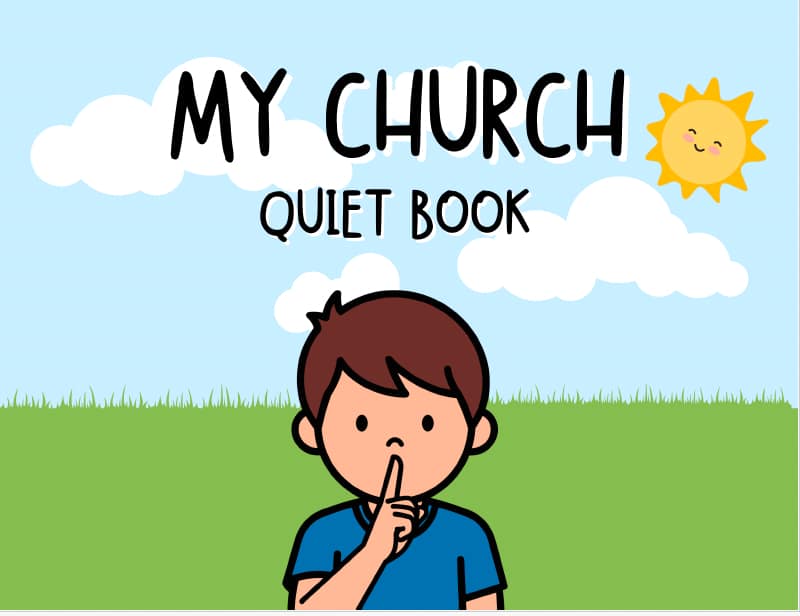
This printable morning workbook gives young children something purposeful to do while their brains warm up for the day — without screens, overwhelm, or complicated instructions. I also have a free printable for a quiet book for pre-readers that works well for morning baskets.
Table of Contents
- What Is an Early Reader Morning Work Book?
- What This Morning Work Book Includes
- Why Morning Work Matters for Young Learners
- How This Book Supports Early Reading Skills
- How to Use This Morning Work Book
- Ways to Use This Printable Beyond Mornings
- Who This Morning Work Book Is Best For
- Tips for a Calm, Consistent Morning Routine
Grab the free printable now. I’ll send it right over. Type your email address in the box.
What Is an Early Reader Morning Work Book?
An early reader or pre-reader morning work book is my version of a free preschool printable book. Simply put, it’s a collection of basic, independent activities designed to help young children ease into learning. Instead of jumping straight into lessons, children begin the day with tracing, patterns, writing practice, and gentle problem-solving.
This specific workbook is designed for preschool through early kindergarten learners — children who are still developing fine motor skills, letter recognition, and attention stamina.
Each page is intentionally simple so children can work independently or with minimal guidance.
What This Morning Work Book Includes
This free printable morning work book includes a variety of low-pressure, skill-building pages such as:
- Line tracing (straight, curved, zigzag, spiral)
- Finger tracing followed by pencil or crayon tracing
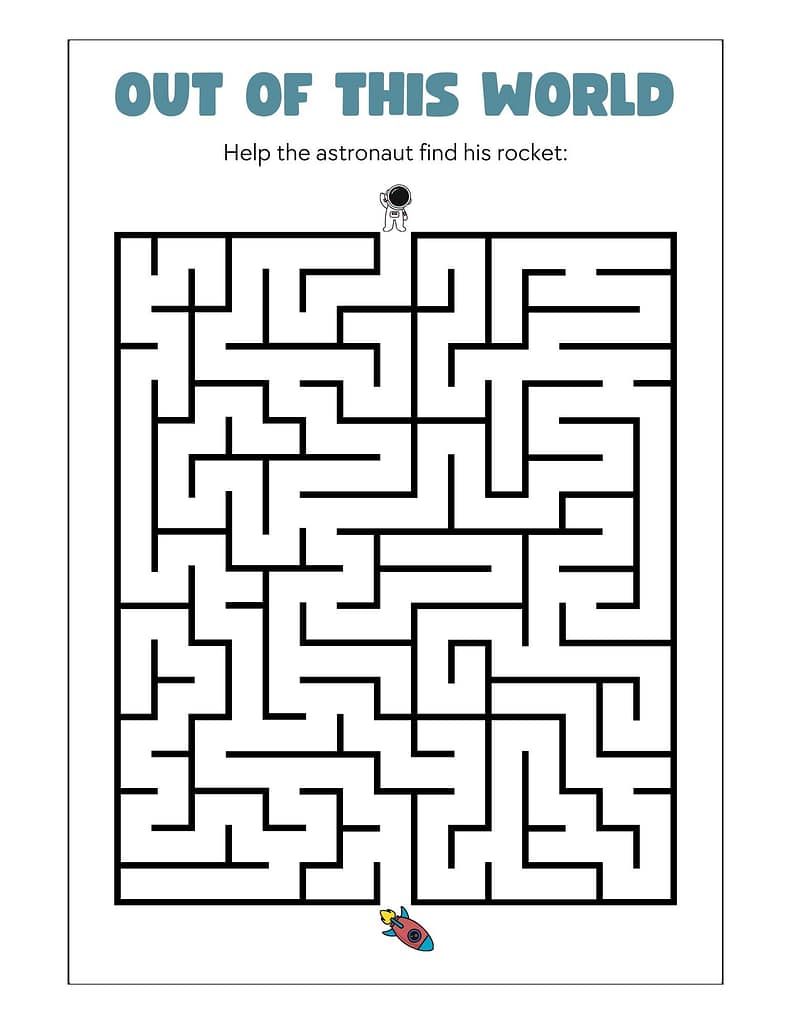
- Simple mazes with clear paths
- Name writing practice pages
- Early pattern recognition
- Basic shape and symbol sequencing
- Letter identification and circling activities
- Gentle connect-the-dots
- Fine motor illustrations tied to early Bible exposure (such as animals and Bible book names) early reader morning book
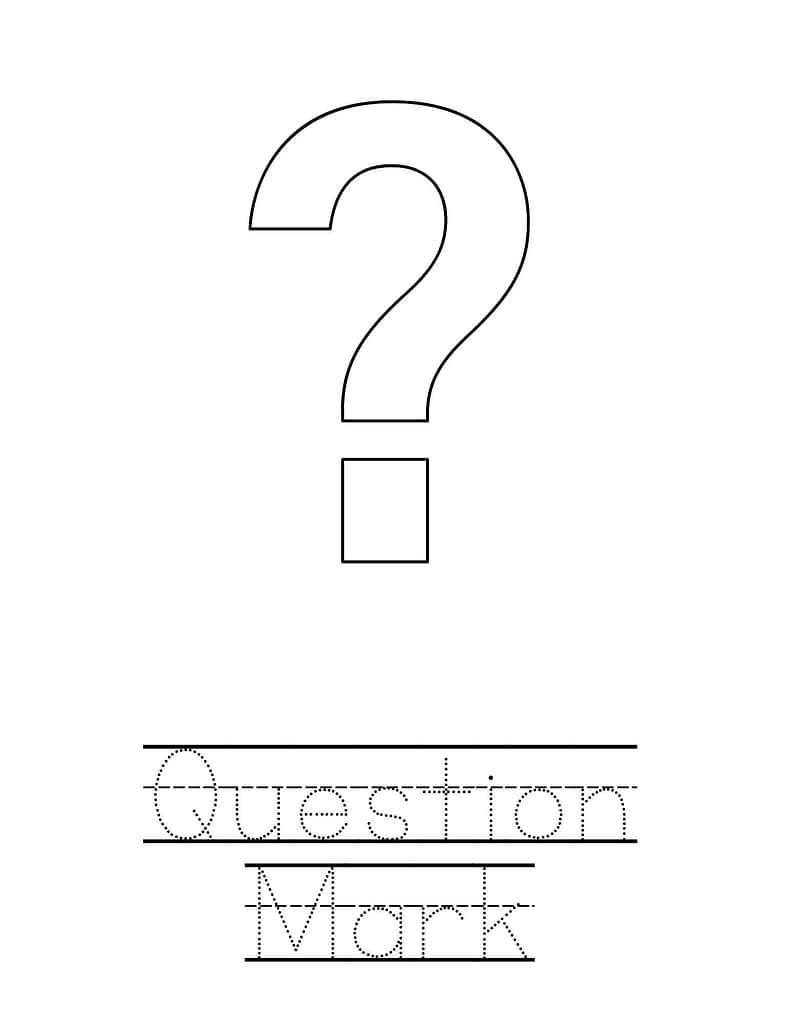
The activities repeat in style but vary in content, which helps children understand expectations while still staying engaged.
Why Morning Work Matters for Young Learners
Young children do not transition instantly from sleep to structured learning. Their brains need time to wake up, organize, and focus.
Morning work provides that bridge.
Instead of starting the day with demands, morning work allows children to:
- warm up their hands
- calm their bodies
- build confidence through familiar tasks
- begin learning without pressure
This is especially important for early readers, whose brains are still forming the neural pathways needed for reading, writing, and sustained attention.
How This Book Supports Early Reading Skills
Early reading does not start with phonics worksheets or reading aloud independently. It starts with pre-reading skills. That’s why I made a free preschool printable resource to help you get started. Because I couldn’t find what I need, I just made it! And I’m sharing with you.
This morning work book supports early reading development by strengthening:
- fine motor control (needed for writing)
- visual tracking (needed for reading lines of text)
- pattern recognition
- left-to-right progression
- familiarity with letters and words
Many of the pages gently expose children to Bible book names alongside tracing and drawing, allowing children to see and recognize words long before they are expected to read them independently early reader morning book.
How to Use This Morning Work Book
This printable was designed to be flexible. There is no single “right” way to use it.
Here are a few simple options:
1-Print One Page at a Time
Perfect for families who want a low-prep option. Print a single page each morning or rotate through favorites.
2-Print and Assemble a Workbook
Print the full set and bind it using:
- a spiral or coil
- a binder with sheet protectors
- a slim homeschool notebook
Children quickly recognize it as their morning book, which builds routine and independence. They can wake up , grab their morning book, and work independently.
3-Make It Reusable
Place pages in sheet protectors and use dry erase markers or washable crayons to reuse pages again and again. Vis-a-vis markers are another great option, so they don’t accidentally erase their work as they go.
Grab the free printable now. I’ll send it right over. Type your email address in the box.
Ways to Use This Printable Beyond Mornings
Although designed for morning work, this book works well in many other situations:
- homeschool quiet time
- Bible time or devotions
- waiting for siblings to finish lessons
- road trips
- doctor waiting rooms
- screen-free quiet time
Anywhere you need calm, independent engagement, this book fits. It has been super helpful for me to keep my little ones occupied with a screen free option. And it takes away the mom-guilt because I know there’re doing something productive that stimulates their mind.
Who This Morning Work Book Is Best For
Based on my own experience, this printable is a great fit for:
- preschoolers (ages 3–5)
- early kindergarten students
- children learning to trace and write their name
- families who want screen-free learning
- homeschool families with mixed ages
- parents needing a calm morning rhythm
Older children may outgrow the activities quickly, but younger siblings often enjoy returning to them again and again. My 5 and 7 year old love to use this book and do it over and over again, even though it’s a bit below their level.
Tips for a Calm, Consistent Morning Routine
Morning work is most effective when it’s predictable. First, print and bind your mooning work book. Then, find a place for it. And finally, spend a week building a mini routine around it. I try to use this process when teaching my kids a new habit or routine.
- Phase 1: Show the child how to do it.
- Phase 2: Help the child do it.
- Phase 3: Ask the child to show you how to do it. Correct as needed.
Phase 4: Watch the child do it independently. Watch from afar as they become self-sufficient.
While you’re working on this new habit and routine, here are a few simple tips:
- keep supplies in the same place, perhaps in a basket with a few writing utensils
- use the same workbook daily- don’t swap it out until the habit is established
- avoid correcting every page- this workbook is more for independent quiet time than it is for academic excellence
- focus on participation, not perfection… the idea is to give you peace, not more work
When children know what to expect, mornings become calmer and easier — not because children suddenly mature overnight, but because routine builds confidence. This simple habit will translate into many other helpful habits are your child gets older.
Grab the free printable now. I’ll send it right over. Type your email address in the box.
How I Turn Printables Into Real Workbooks
If you’ve ever printed other free preschool printable curriculum and wished it felt more like a real book, this is the tool I use.
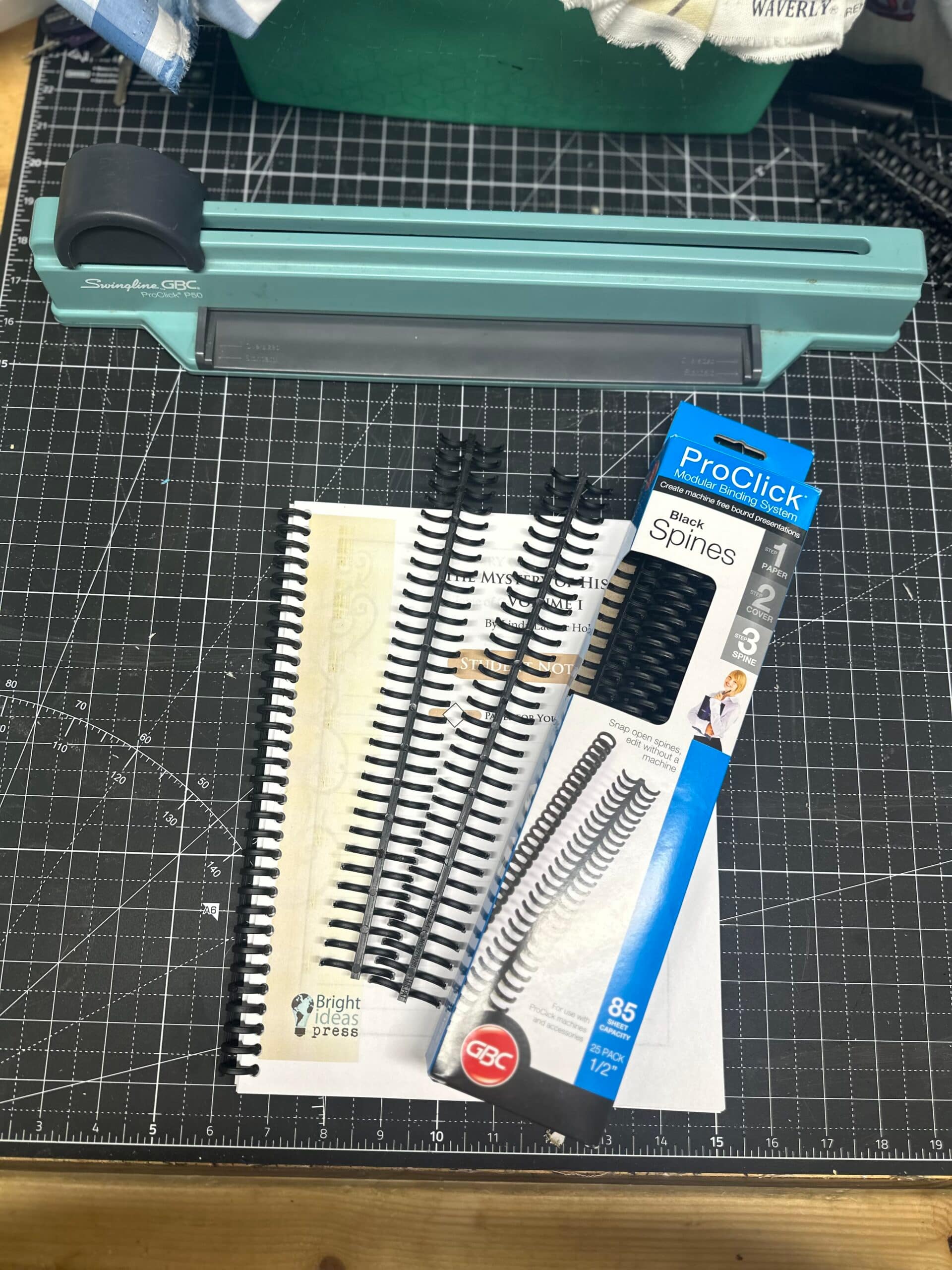
I bind our homeschool printables with the GBC ProClick binding machine, which lets me turn loose pages into spiral-bound workbooks that lay flat and hold up to real use. I’ve used it hundreds of times—for homeschool workbooks, morning work, journals, VBS materials, and more.
You can also bind your printable sewing tutorials and all your favorite Plain Living Recipes, so it really is super versatile!
The ProClick combs are reusable, so I can add or remove pages as we go, and the finished books feel far more durable (and motivating) than binders or stapled packets.
👉 You can read my full review of the GBC ProClick binding machine here
👉 Or check the current price here