Quiet Homeschool Work for Pre-Readers (Free Printable Pack)
Some links in this post may be affiliate links. That means I might make a small commission on qualifying purchases if you click the link. There is no extra cost to you.
Homeschooling a preschooler or early kindergartener comes with a unique challenge:
little hands need work—even when little minds are tired.
Quiet work isn’t busy work when it’s done well. It’s a way to build habits, confidence, and independence long before formal lessons begin.
That’s why I created this Pre-Reader Quiet Work Printable Pack—a gentle, no-prep resource designed for tracing, name writing, mazes, patterns, and simple observation skills. It’s calm, purposeful, and designed for real homeschool days (not picture-perfect ones).
50 pages of preschool quiet work to print out and use again and again- all for FREE!

👉 This printable is free when you join my email list below. I’ll send it straight to your inbox!
Table of Contents
- Why Quiet Work Matters for Pre-Readers
- Building Fine Motor Skills the Gentle Way
- Learning to Grip a Writing Utensil Takes Time
- What’s Included in the Pre-Reader Quiet Work Pack
- A Simple Name-Writing Hack for Pre-Readers
- What If My Child Wants to Do the Same Page Again?
- Using Weather Tracking to Build Observation Skills
- How We Use This for Morning Work & Quiet Time
- A Gentle Reminder for Homeschool Moms
- Download the Free Pre-Reader Quiet Work Pack
- Looking Ahead: More Homeschool Printables
Why Quiet Work Matters for Pre-Readers
In the early years, learning doesn’t happen through lectures—it happens through repetition, rhythm, and routine.
Quiet work gives young children:
- A predictable start to the day
- Practice with pencil control and visual tracking
- A sense of “I can do this myself”
- Time to slow their bodies while their brains engage
In addition to building skills, quiet work also creates something just as valuable: margin.
Bigger margins to help an older sibling.
Wider margins to gather materials.
Longer margins to start the day without chaos.
Quiet work isn’t about pushing academics early. On the contrary, it’s about practicality and building the habits that make learning easier later.
Building Fine Motor Skills the Gentle Way
Now, let’s remember that before children can write well, they need strength, coordination, and control in their hands. That’s why this pack focuses heavily on fine motor development, not early academics.
Tracing lines, navigating mazes, and completing simple patterns all help children:
- Strengthen the small muscles in their hands
- Practice controlled movements instead of rushed strokes
- Develop hand-eye coordination
- Learn how to start and stop a line intentionally
These skills are the foundation for handwriting later on—but they don’t require pressure, drills, or long lessons.
At this stage, how a child moves their hand matters far more than whether the lines are perfect.
Learning to Grip a Writing Utensil Takes Time
Proper pencil grip doesn’t happen overnight—and it shouldn’t be forced too early.
Quiet work gives children repeated, low-pressure opportunities to:
- Hold a pencil or crayon naturally
- Adjust their grip as their hands mature
- Build endurance without fatigue
If your child tires quickly, that’s not a sign to push harder. It’s a sign to pause, rest, and return later.
Short, successful sessions build confidence far better than long ones that end in frustration.
What’s Included in the Pre-Reader Quiet Work Pack
This printable was created specifically for pre-readers—children who are not yet reading but are developing foundational skills.
Inside the pack, you’ll find 50 pages of preschool friendly worksheets:
- Tracing pages of animals and books of the Bible for early fine motor development
- Name writing practice to build confidence and ownership
- Simple mazes to strengthen focus and visual tracking
- Pattern pages to develop early logic skills
- Weather tracking charts to encourage observation and daily awareness
Everything can be printed in black-and-white if you choose, plus it’s printer-friendly, and intentionally uncluttered. Print the whole workbook, or print your favorites over and over again!
A Simple Name-Writing Hack for Pre-Readers
If your child can’t write their name independently yet, here’s a simple trick that makes this workbook fully customizablefor every child.
Take a highlighter or a light-colored crayon and write your child’s name on each of the name-practice lines. Then have your child trace over it using a pencil or a darker crayon.
This method:
- Removes the pressure of “knowing how” to write letters
- Gives a clear visual guide to follow
- Allows children to focus on control and grip instead of spelling
- Makes the same printable usable for multiple children at different stages
It’s a small adjustment that makes a big difference in confidence—and it allows this pack to grow with your child.
What If My Child Wants to Do the Same Page Again?
That’s actually a good sign.
If your child wants to repeat the same tracing page, don’t rush them forward. Repetition builds mastery—and mastery builds confidence.
One simple way to keep repetition engaging is to offer colored pencils. Each time your child traces the page, they can choose a new color. This helps them:
- Differentiate between attempts
- Slow down and follow the lines carefully
- Stay interested without needing new material
Changing colors turns repetition into choice—and choice keeps little learners engaged.
Using Weather Tracking to Build Observation Skills
The weather-tracking pages were included intentionally.

Young children are natural observers of the world around them. Taking a moment each day to notice the weather helps them:
- Slow down and look closely
- Learn daily rhythms and patterns
- Practice consistency and follow-through
Weather tracking also creates an easy daily conversation starter and gently connects learning to real life.
How We Use This for Morning Work & Quiet Time
I originally created this pack to be something my boys could work on for five quiet minutes in the morning, before I was fully ready to start school for the day.
Instead, they sat down and completed the entire workbook in one day.
Then they asked to do it again the next day.
They didn’t even care that the tracing had already been traced—they simply wrote right over the previous lines, focused and content. Tracing and circling quickly became their favorite pages.
They loved it so much that they begged me to make another book—which I did, and I’ll be sharing that one in a separate post.
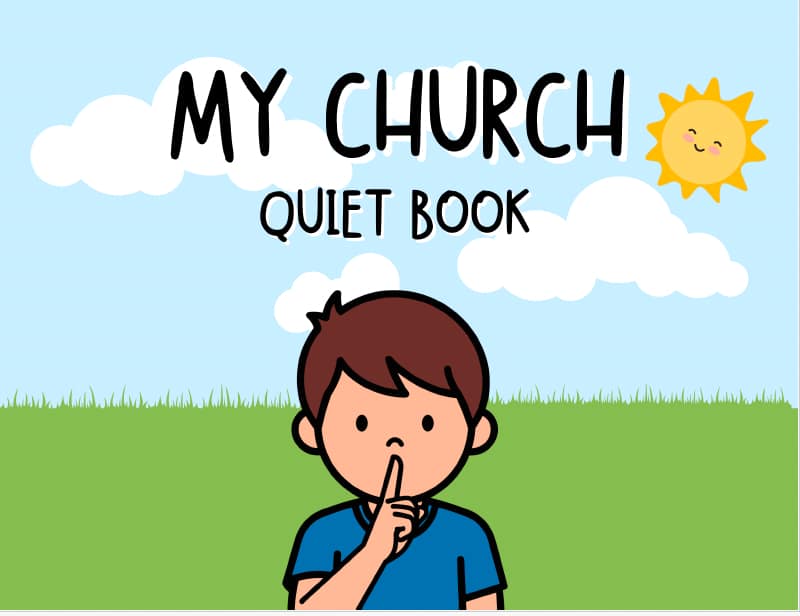
One of the biggest surprises was how naturally this pack transitioned into other parts of our life. My boys began taking their workbooks to church, where they sat quietly working through pages during the service.
It kept their hands busy, their bodies calm, and their attention anchored—without screens or toys. In many ways, it became a gentle precursor to note-taking during sermons later on.
A Gentle Reminder for Homeschool Moms
If your child:
- Traces crooked lines
- Switches hands
- Colors instead of tracing
- Wants to repeat the same page
That’s not failure. That’s learning.
Quiet work is about progress, not performance.
Download the Free Pre-Reader Quiet Work Pack
This printable is available free as an email incentive for my homeschool community.
When you sign up, you’ll receive:
- Instant access to the printable
- Encouragement for simple, intentional homeschooling
- Future free resources designed with real families in mind
👉 Enter your email below to download the Pre-Reader Quiet Work Pack.

Grab a copy of my free
Pre-Reader Quiet Work Book
This gentle printable pack is designed for pre-readers who are still building fine motor skills and learning how to work independently.
Inside the pack you’ll find tracing, name writing, mazes, patterns, and simple weather tracking—perfect for quiet time, morning work, or church.
Join my email list to download the printable and receive encouragement for simple, intentional homeschooling.
Looking Ahead: More Homeschool Printables
This quiet work pack was just the beginning.
I’ve created a second pre-reader workbook that builds on these same skills, and I’m also working on a separate workbook for older children that focuses on reading, writing, and meaningful independent work.
Each resource will have its own dedicated post so you can choose what fits your family best.
Stay tuned—and thank you for letting me be part of your homeschool journey.
How I Turn Printables Into Real Workbooks
If you’ve ever printed a great freebie or printable curriculum and wished it felt more like a real book, this is the tool I use.
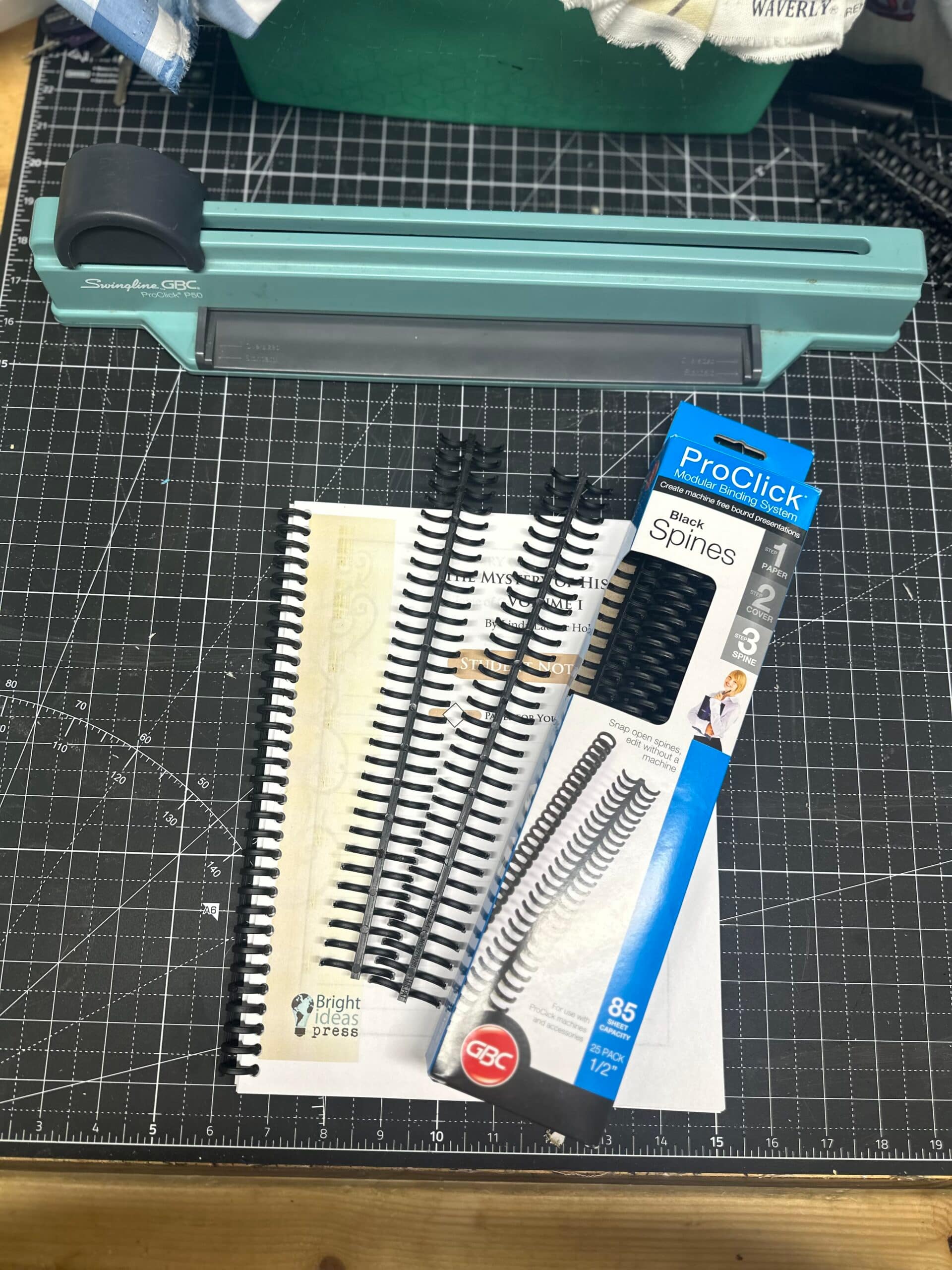
I bind our homeschool printables with the GBC ProClick binding machine, which lets me turn loose pages into spiral-bound workbooks that lay flat and hold up to real use. I’ve used it hundreds of times—for homeschool workbooks, morning work, journals, VBS materials, and more.
You can also bind your printable sewing tutorials and all your favorite Plain Living Recipes, so it really is super versatile!
The ProClick combs are reusable, so I can add or remove pages as we go, and the finished books feel far more durable (and motivating) than binders or stapled packets.
👉 You can read my full review of the GBC ProClick binding machine here
👉 Or check the current price here
FAQs: Pre-Reader Quiet Work Printable Pack
What age is this pre-reader quiet work pack best for?
This pack is designed for pre-readers—typically preschool through early kindergarten. It’s ideal for children who are still building fine motor skills and pencil control, and who aren’t reading independently yet.
How long should my child work on this each day?
Most families use this as 5–10 minutes of morning work or quiet time. If your child is happily engaged longer, that’s fine—just keep it positive and stop before frustration sets in.
My child can’t write their name yet—can they still use the name practice pages?
Yes! Here’s my favorite name-writing hack: write your child’s name on each line with a highlighter or a light-colored crayon. Then your child can trace over it using a pencil or a darker crayon. This makes the workbook fully customizable to each child.
What if my child wants to repeat the same tracing page again and again?
That’s a great sign—repetition builds confidence. If they want to redo pages, hand them colored pencils so they can trace with a different color each time. It helps them differentiate lines, slows them down, and keeps it fun even when the page has already been traced.
Why does this pack include weather tracking?
Weather tracking helps pre-readers build simple observation and routine. It’s a low-pressure daily habit that encourages kids to notice the world, talk about patterns (sunny, cloudy, rainy), and practice consistency.
Can I use this for church, appointments, or quiet time outside of homeschool?
Absolutely. This pack works well for church, waiting rooms, travel days, and any moment you need calm, screen-free busy hands. It’s also a sweet precursor to older kids learning to sit quietly and take notes during sermons.
Do I need special supplies to use this pack?
Nope—just a pencil, crayon, or colored pencils. Optional extras: a highlighter for the name-writing hack, and a clipboard or binder to make “morning work” feel special.
Will there be more workbooks like this?
Yes! I made a second pre-reader workbook because my boys begged for another, and I’m also working on a separate workbook for older kids. Each will have its own dedicated blog post so you can choose what fits your family best.