How to Boil Water: The Over-Explained Beginner’s Guide
Some links in this post may be affiliate links. That means I might make a small commission on qualifying purchases if you click the link. There is no extra cost to you.
Let me show you how to…
Boil Water
Boiling water is one of the most necessary skills int he kitchen. It is the basis for cooking many foods and can be used to sterilize, soften, rehydrate, blanch, and more. it may seem like a simple task to some, but i know that it can seem intimidating to someone who is brand new in the kitchen. so, let me share with you just how to boil water.
Quick Answer- To boil water:
- Fill a pot with water.
- Place the pot on a stove burner.
- Turn the burner to high heat.
- Wait until the water bubbles and produces steam.
That’s it. That’s boiling water in its simplest form. ✅
But since you’re here for the over-explained version, let’s go much, much deeper.
Step 1: Choosing Your Pot
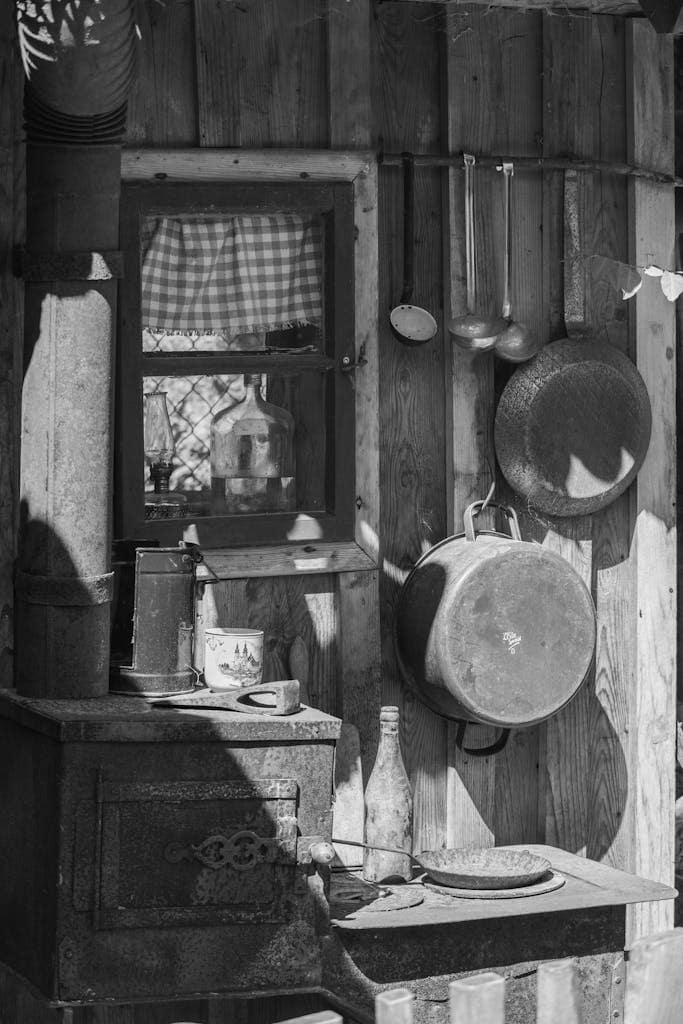
First, select a pot that fits your needs.
- Material Matters: Stainless steel works best. Aluminum is fine, but your water won’t boil faster. Cast iron? Please don’t. You’ll wait until next Tuesday.
- Size Matters: If you want a cup of tea, don’t use your Thanksgiving turkey pot. If you’re making pasta for 12, don’t use a mug. Match your pot to your purpose.
Simple Step 2: Acquiring Water
Volume: Too little water and it’ll evaporate. However, add too much and it’ll splash when it boils. So, to compromise, aim for about two-thirds full.
Source: Tap water works for 99% of uses. Of course, fancy spring water is optional unless you’re on a reality cooking show.
Temperature: Cold water is best. Yes, hot tap water feels faster, but it can carry extra minerals from your pipes. The stove doesn’t care—it will get hot either way.
Easy Step 3: Pot Meets Stove
Placement: Put the pot on the burner that matches its size. Tiny pot on a giant burner = wasted heat. But a giant pot on a tiny burner means it will take ages to boil. So choose accordingly.
Stove Types:
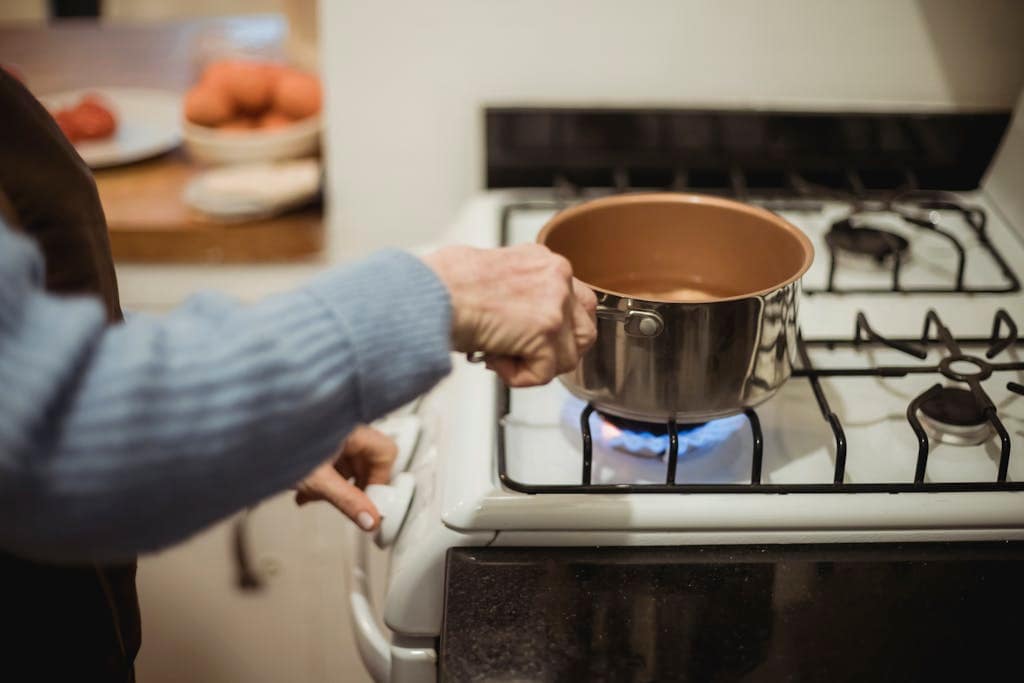
Gas: Blue flames are your friend. Yellow flames mean call a plumber.
Electric coil: Slow but steady.
Glass top: Sleek, but don’t drag your pot or you’ll cry later.
Step 4: The Heat Is On
Next, decide if you’ll use a lid. Then you can get started with the heating process.
Lid or No Lid? Lids trap heat, making the water boil faster. Think of it like putting a blanket on your pot.
Turn the Knob: Now, crank up the burner. High heat = faster boil. Medium heat = slower boil. Low heat = simmer, not boil.
Boring Step 5: The Waiting Game
Now, it’s just a waiting game. Water can absorb a lot of heat. Over a few minutes, the water will take not eh heat from the burner. Eventually, there will be more heat than the water can hold. So, the water will begin to release the heat through air bubbles- this is called boiling!
Timing: Depending on stove and pot, anywhere from 2 to 15 minutes. Yes, it feels like forever when you’re staring at it.
Signs of Progress:
Tiny bubbles on the bottom = “almost there.”
Bigger bubbles rising = “soon.”
Vigorous rolling bubbles + lots of steam = “congratulations, it’s boiling.”
Final Step 6: What’s Next
Finally, use your water for whichever recipe you decide on. Now, if you’re making coffee or tea, you may want to let the water cool back down a bit. However, if you’re blanching, you’ll want to keep the water at a steady boil. Also, boiling water is the first step for water bath canning. So now you have the first skill for many different kitchen tasks.
For Science: Congratulations, you just reached 212°F (100°C at sea level).
For Pasta: Add salt before boiling if you want flavor.
For Tea/Coffee: Pour carefully—boiling water does not forgive clumsy hands.
Get all of our family favorites, right to your inbox.
Recipes to Try
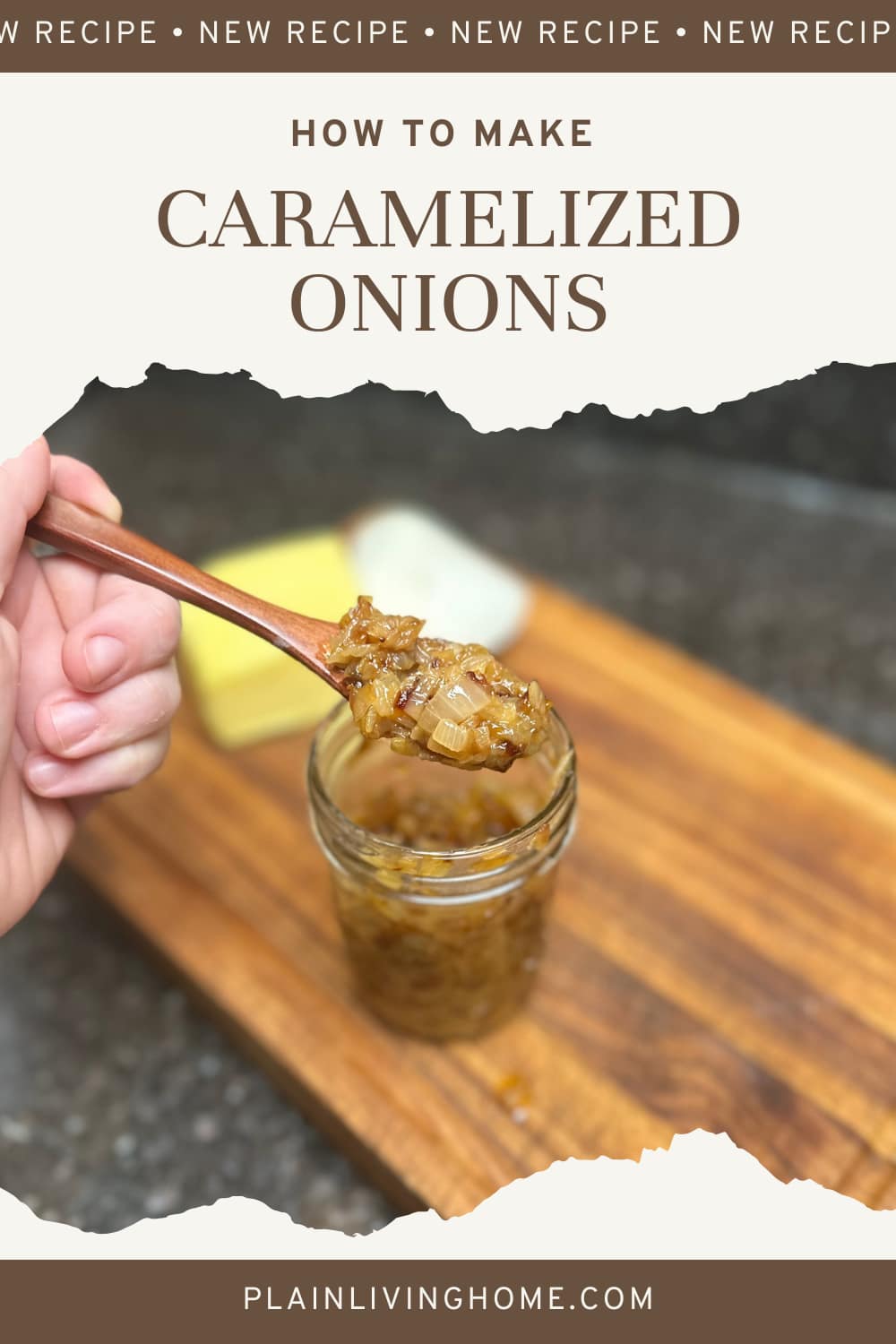
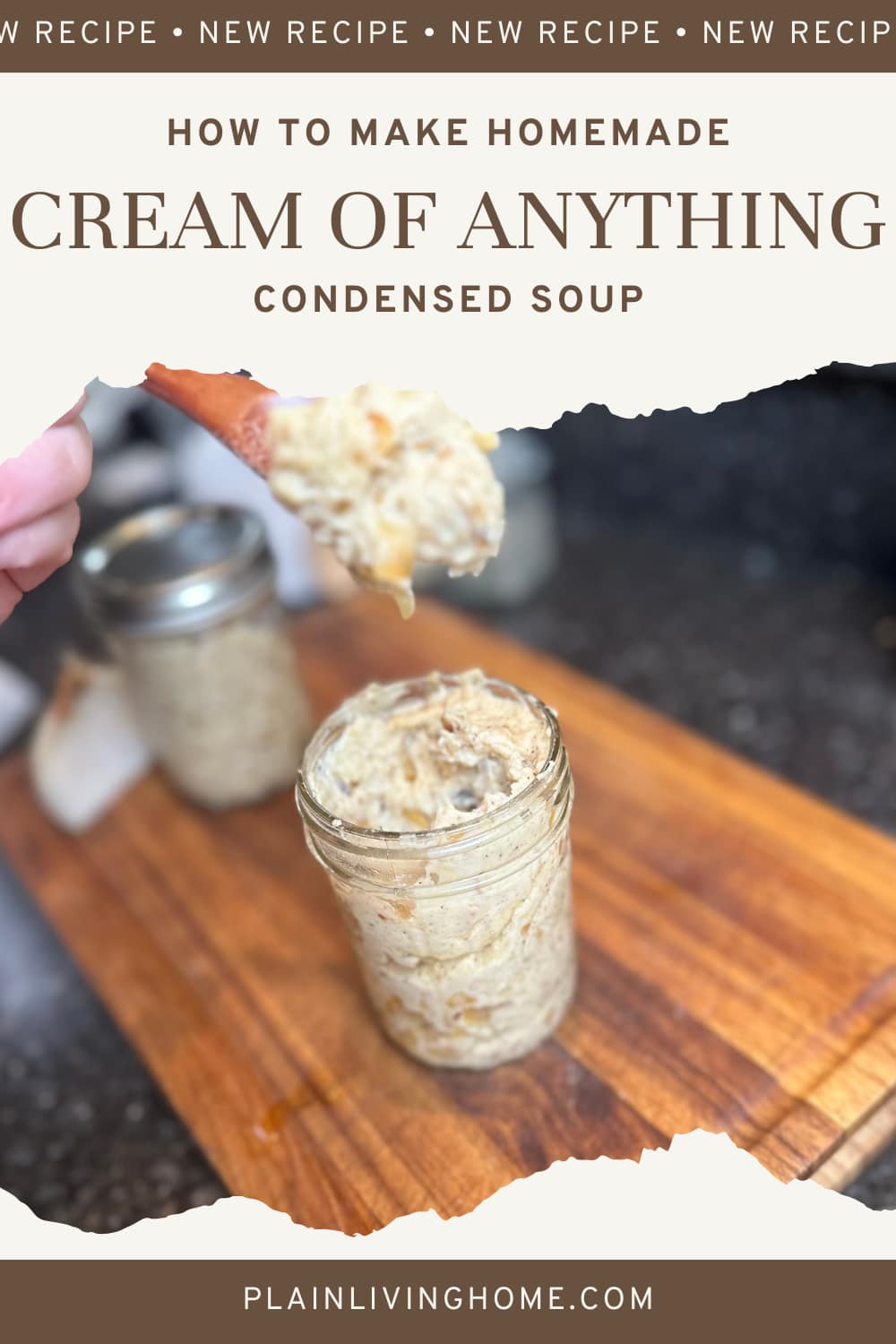
Condensed soup
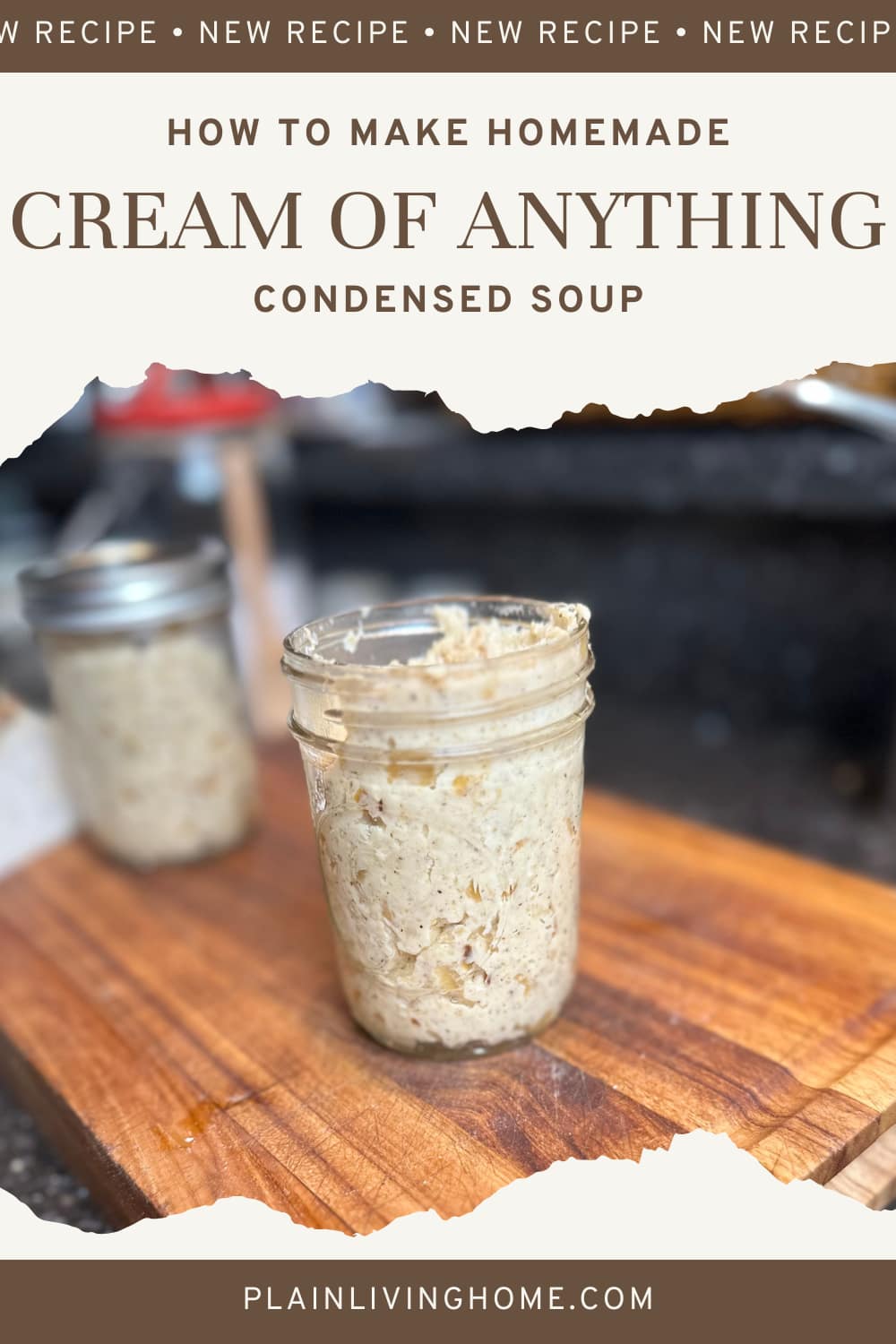
Caramelized onions are a great start to making a homemade chicken casserole. Skip the store bought and learn how to make your own.
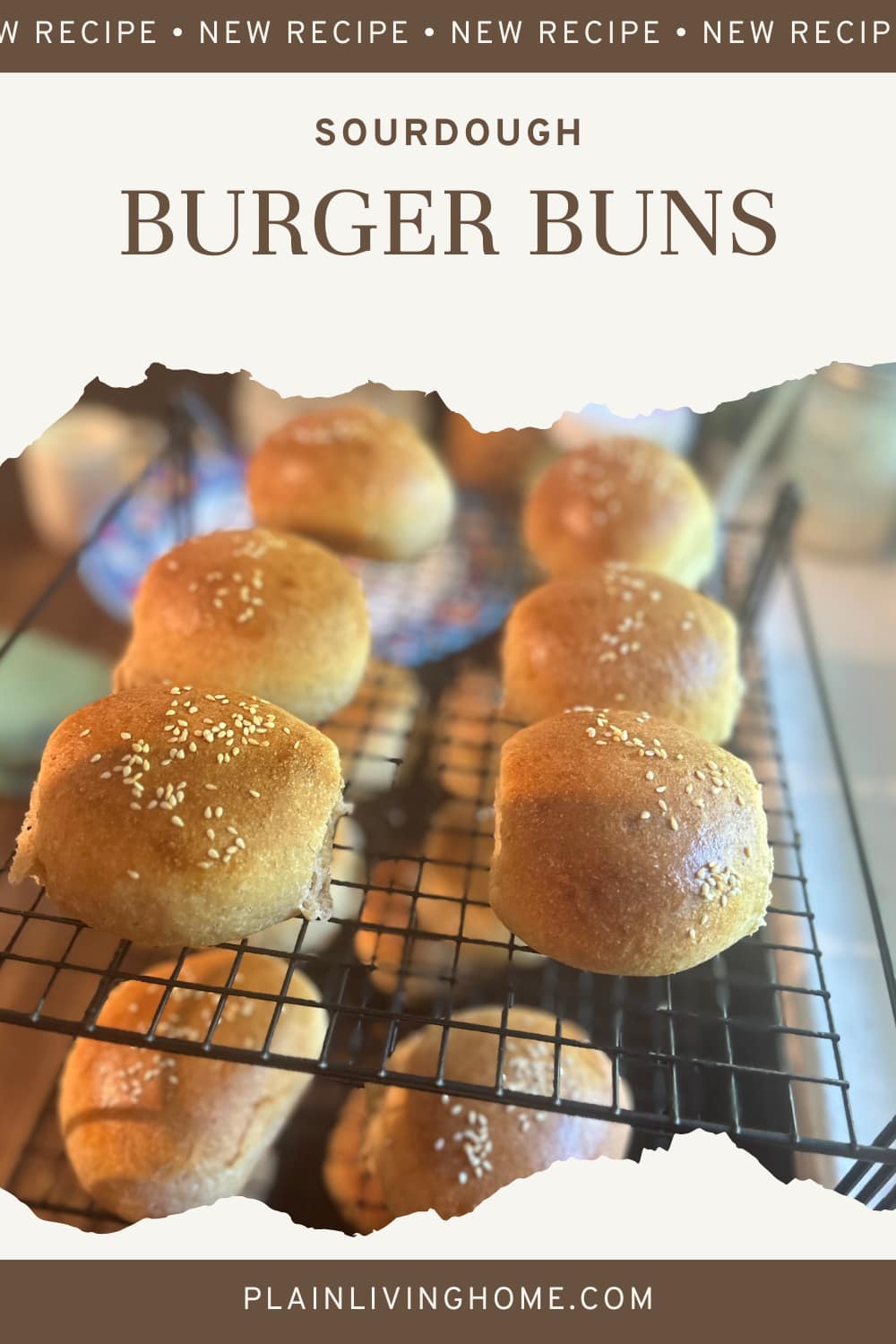
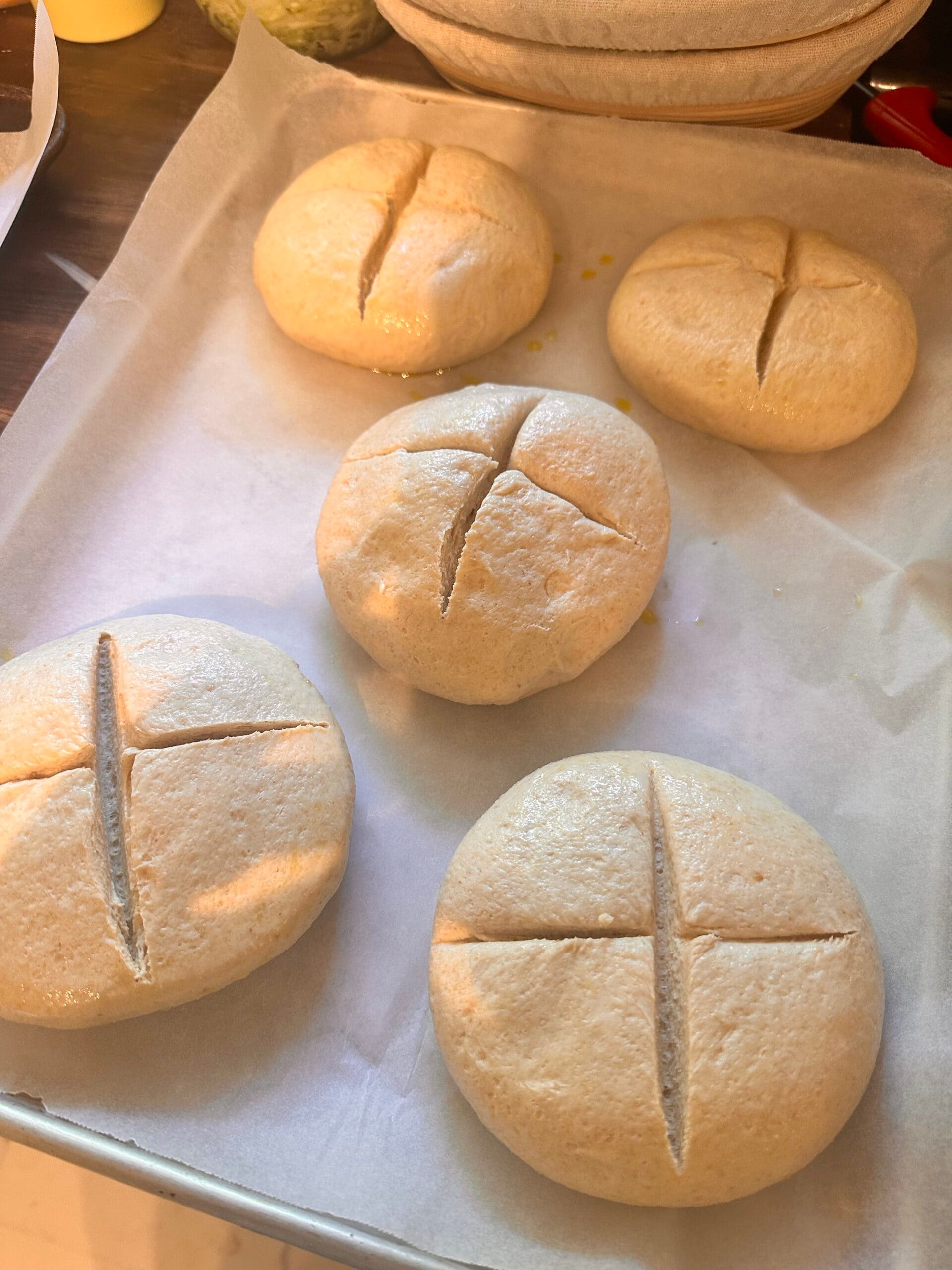
Sourdough Buns
Buns aren’t just for burgers. They also make a great dinner roll to serve on the side of your casserole. .
You Did It!
Boiling water may seem like the simplest of kitchen tasks, but it’s the foundation of cooking from scratch. You’ve just unlocked the secret to making pasta, rice, tea, coffee, soups, and a thousand other recipes.
Even if this felt over-explained, you now know: a pot, some water, heat, and a little patience are all it takes.
From our kitchen to yours…
Shop our Favorite Tools for this Recipe
Boiling Water: Frequently Asked Questions
How long does it take to boil water?
Anywhere from 2–15 minutes depending on pot size, water volume, and stove type. A lid shortens the time significantly.
Should I use a lid?
Yes for speed. Lids trap heat so water reaches a rolling boil faster. Remove the lid to prevent boil-overs once boiling vigorously.
Do I add salt before or after it boils?
For pasta or potatoes, add salt as the water heats so it dissolves fully. Salt does not make water boil faster in any meaningful way.
What’s a “rolling boil” vs. a simmer?
A simmer has gentle, occasional bubbles. A rolling boil has large, continuous bubbles and steady steam—great for pasta and sterilization.
How long should I boil to purify water?
Keep a rolling boil for at least 1 minute (3 minutes above ~6,500 ft / high altitude). Let cool naturally before use.
Why isn’t my water boiling?
Common culprits: burner not actually on, wrong burner selected, very low heat, oversized pot on a small burner, or high altitude (lower boiling point).
Is a microwave safe for boiling water?
It can be, but beware superheating. Use a microwave-safe vessel, place a non-metallic stir stick (e.g., wooden spoon) in the cup, and heat in short bursts.
Electric kettle or stovetop?
Electric kettles are fastest and energy-efficient. Stovetop gives more capacity and versatility (pasta, potatoes). Choose based on use case.
Does altitude change the boil?
Yes. Water boils at lower temperatures as altitude rises, so foods may take longer to cook. For sterilization, boil 3 minutes at high altitude.
How do I prevent boil-overs?
Leave headspace, reduce heat once boiling, stir occasionally, and consider a spill-stopper silicone lid. Starchy water (pasta) foams more.
You’re Ready to Boil Water
If you’re in a hurry (or just appreciate convenience), an electric kettle is the fastest, most foolproof way to boil water. Fill to the max line, press the button, and you’ll have a full kettle at a rolling boil in a few minutes—no babysitting the stove, no guessing about temperature, and many models auto-shutoff for safety. It’s perfect for tea, French press coffee, instant oatmeal, and jump-starting pasta water, and it keeps your stovetop free for whatever you’re cooking next.

This is hilarious! I’m sure it could be useful to someone too- very informative. I’m still cracking up at it though.