A guide to Missionary Deputation
deputation: the process of traveling, presenting, and raising financial and prayer support to fulfill the Great Commission.
This page is designed especially for Independent Fundamental Baptist (IFB) missionaries and churches to understand more about deputation. While the process of deputation has similarities across many evangelical traditions, the IFB context has unique characteristics that shape how it is carried out.
Since we are IFB missionaries, that is the topic we can speak on with clarity. Our goal is to provide practical advice and trusted resources that align with the convictions and practices of the churches most likely to partner with you.
Our Deputation
 missionary friend
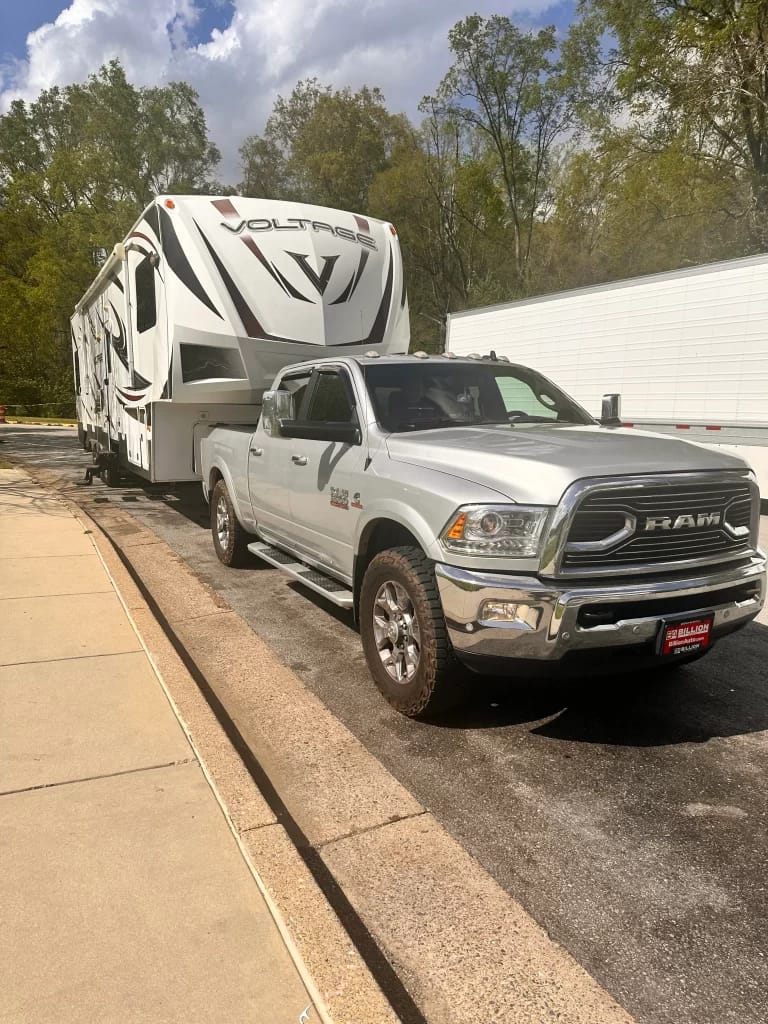
 new vehicles
- church meeting
 couple photo
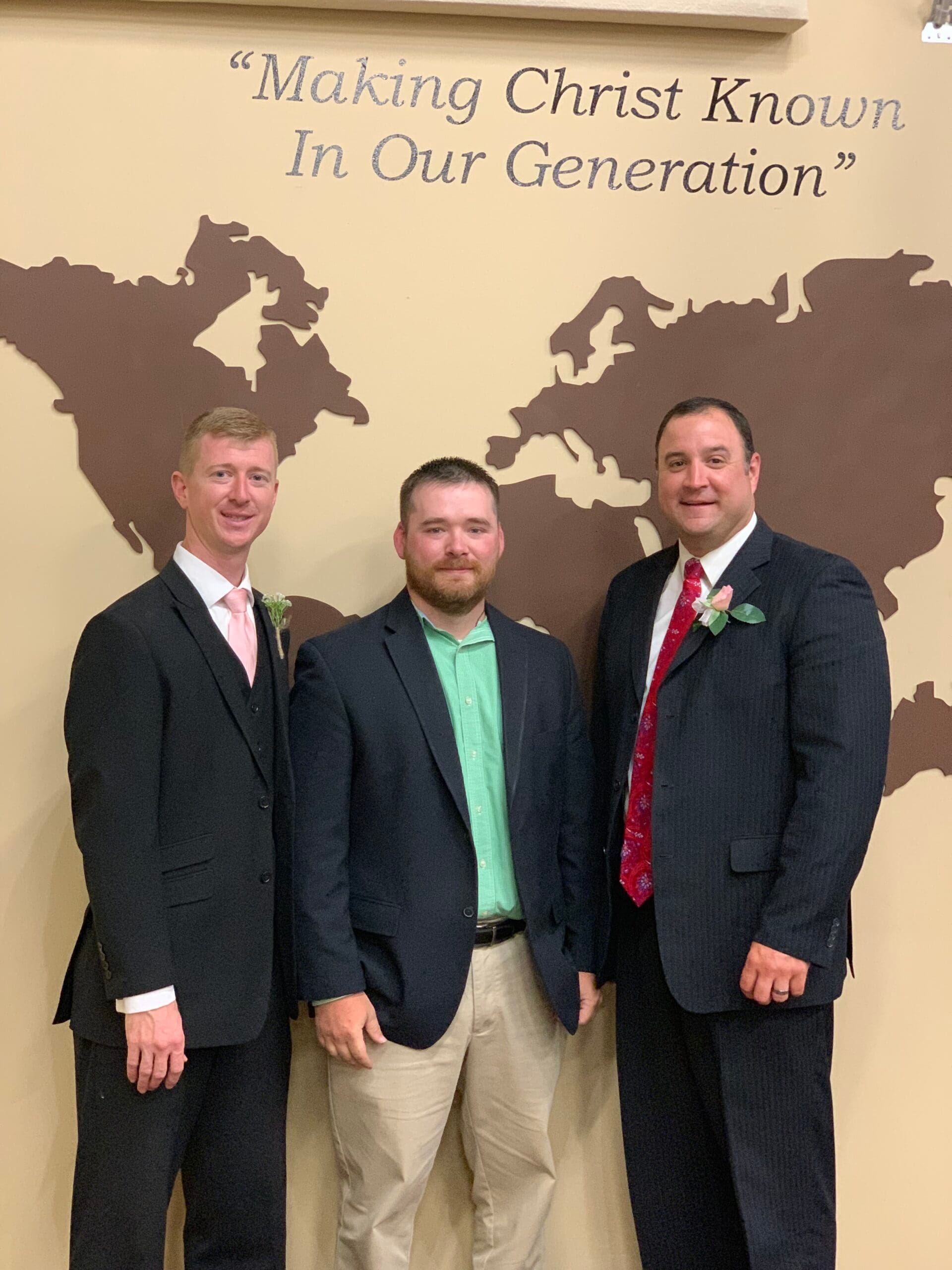
 pastor friends
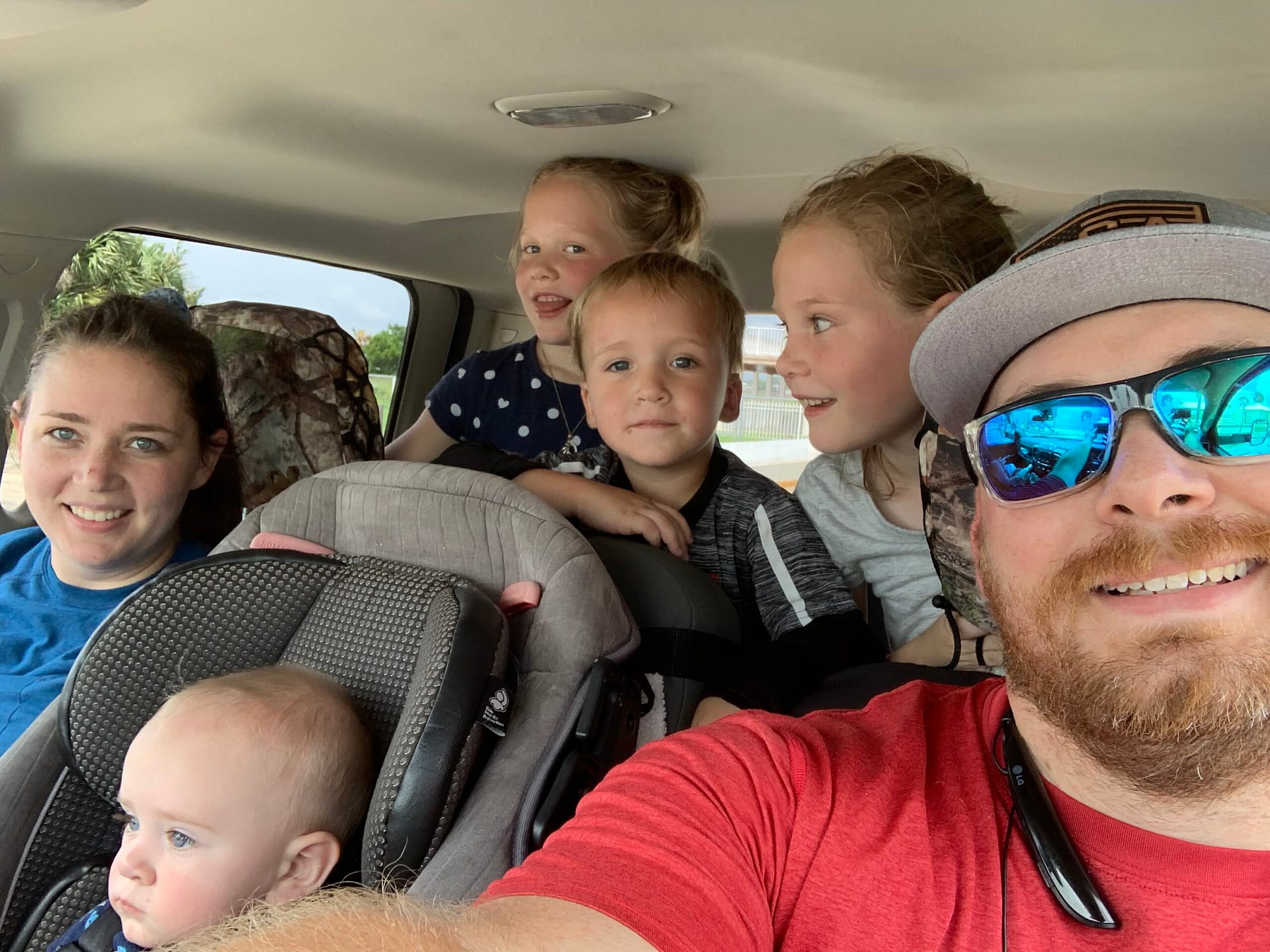
- family travels
How Deputation Works
New to deputation? This friendly walkthrough explains how Independent Fundamental Baptist (IFB) missionaries typically prepare, travel, and communicate while raising prayer and financial support with like-minded churches across the United States.
Each accordion below opens to practical tips a church member, pastor, or missions committee can use to better understand the journey.
Start Here Sending church authorization – doctrinal accountability & commendation
Deputation begins at the local church. The missionary seeks counsel and clear approval from their pastor and leadership. This establishes doctrinal accountability and provides a commendation the missionary can share with pastors as they schedule meetings across the U.S.
- Many missionaries will create an information packet to share with prospective supporting pastors. In this packet, they will hare a concise testimony, call to ministry, and statement of faith Trust
- Many packed will include the sending Pastor’s information or a formal letter of recommendation from the sending church Credibility
- It will also contain commonly requested details about the missionary. This packet is a resume of sorts. (bio, field focus, contact info, references) Clarity
The Team Mission board or clearinghouse – finances, accountability, insurance, training
IFB missionaries commonly partner with a mission board (for training, field counsel, accountability, and benefits) or a clearinghouse (for donation processing and receipting while remaining closely overseen by the local church). Some sending churches will handle all finances for their missionaries, but this is unusual.
- Mission Boards: vet missionaries so that Pastor’s can trust the doctrinal stance, lifestyle, and pastoral authority of the missionary. Many boards also provide coaching, compliance, pastoral care, emergency extraction, and more.
- Clearinghouses: efficient receipting & disbursement; local-church autonomy
Plan & Provision Budgeting – outfit & passage, monthly support, emergency reserves
A clear budget helps pastors quickly understand genuine needs. Break costs into Outfit & Passage (one-time startup) and Monthly Support (living & ministry), plus an Emergency Reserve.
- Outfit & Passage: travel documents, initial housing/vehicle/RV setup, media/display
- Monthly Support: housing/RV site fees, fuel, ministry tools, homeschool, insurance, taxes
- Reserve: unexpected repairs, medical, itinerary changes Wise Stewardship
On the Road Scheduling meetings – phone calls, emails, referrals & mission conferences
Missionaries contact like-minded churches nationwide, requesting a meeting or a spot in upcoming missions conferences. Polite persistence and organized follow-up are key.
Sunday Schedule Presenting in churches – display tables, preaching, videos, children’s lessons
Most pastors appreciate a concise slide or video, a short ministry overview, and time for preaching or testimony.
- Many missionaries set up a display with prayer cards, prayer lets updates, and trinkets that represent their mission field
How Missionaries Stay Connected Prayer letters & follow-ups – building long-term relationships with supporting churches
- Rhythm: most missionaries sent monthly or bi-monthly updates; urgent items as needed
- Many mission board will provide monthly or quarterly giving statements to all churches who sen support to a missionary
Life on the Road During Deputation
Deputation often feels like a cross-country road trip with eternal purpose. Missionaries and their families spend months—and sometimes years—driving from church to church, attending missions conferences, and visiting pastors.
Across the miles
It’s not unusual for a deputation family to log 30,000–50,000 miles in a single year, zig-zagging across the United States. A single month might include Sunday in North Carolina, Wednesday in Kentucky, and the following weekend in Michigan. Careful planning and regional scheduling help save both time and fuel.
hotel stays
Many families rely on budget hotels along the way. Churches sometimes provide lodging in a prophet’s chamber (a guest room set aside for missionaries), but when that isn’t available, a string of hotels quickly adds up. Staying in hotels also means constant packing, unpacking, and carrying luggage—challenging when traveling with children.
rv options
to avoid the cost and weariness of hotel hopping, more and more missionaries are choosing full-time RV living during deputation. This can provide a place to rest between meetings without having to constantly pack; a consistent home base, even while on the move; Lower cost of living than keeping a house while traveling; and flexibility to cook meals, homeschool, and keep family routines steady.
Missionary & Deputation FAQs
Straightforward answers to common questions (and a few misconceptions) about IFB missionaries, deputation travel, support levels, and life on the road.
How long does deputation usually take?
Most missionaries plan to finish deputation in about two years. Our first deputation was disrupted by COVID and took roughly 2.5 years, even though we departed the moment the Lord opened the door—before we reached 100% support. This time, we’re praying to complete deputation in 9–12 months. We still believe two years is realistic for most, but there’s currently a lull in deputation activity, which may allow families like ours to raise support more quickly.
How much monthly support does a missionary actually need?
A realistic budget includes housing, health insurance, ministry expenses, travel, schooling/homeschool, retirement, and emergencies. In today’s economy, many missionaries truly need around $12,000–$15,000 per month, yet in practice many only raise about $8,000 per month. We’ll publish a separate post that breaks down typical expense categories so church members can see why the number surprises people.
Why use a mission board—can’t missionaries just go on their own?
Mission boards provide accountability, training, and financial services that help both missionaries and supporting churches. We serve through Macedonia World Baptist Missions (MWBM). They retain a modest 3% of funds to operate the board and home office—an investment that keeps receipting, compliance, and missionary care healthy for the long term.
What about housing during deputation—hotels, prophet’s chambers, or RV life?
Many families rotate between prophet’s chambers and budget hotels, which can be costly and exhausting with kids. Our family chose full-time RV living. It gives us a stable home rhythm, lets us cook, homeschool, and rest between meetings, and—since we’re church planting in the U.S.—we can take our camper to the field and avoid rushing into housing. We can live in our camper until the Lord provides the right home in the right neighborhood.
Do missionaries really travel that much on deputation?
Yes. It’s common to log 30,000–50,000 miles per year visiting churches and missions conferences nationwide. Reliable transportation (or an RV), fuel, maintenance, and insurance are essential budget lines. Regional routing—e.g., two weeks in East Texas, next month in Oklahoma City/Tulsa—helps steward time and funds GEO.
Why do some missionaries leave for the field without 100% support?
Real-world factors—economic downturns, schedule disruptions (like COVID), pledged support falling through, or urgent ministry needs—often influence timing. While reaching 100% support is the goal, some families launch at 80–90% and keep building their team as they serve. Clear communication and transparency with pastors are key during that season.
Are prayer letters and follow-ups really necessary?
Absolutely. Consistent, grateful prayer letters keep churches informed, encourage believers, and strengthen long-term partnerships. We highlight answered prayer, souls reached, and next steps, and we keep contact info current for pastors, missions secretaries, and treasurers.
Is deputation just about money?
No. Deputation is deeply relational and spiritual: encouraging churches, sharing the call, and inviting believers to partner in prayer and witness. Even in meetings without financial support, we leave with friendships, intercessors, and renewed courage for the work.