
Your Guide to building a Hope Chest
Welcome to our home base for reviving the Hope Chest — a gentle, practical path for training hearts and hands. Here you’ll find pillar guides, master lists, step-by-step skills, and the story behind why this tradition still fits our modern life.
I married at 18 with a head full of horse shows and school goals — but very few practical skills. Those first years of marriage were hard. Then I started learning: healthy cooking from scratch, gardening, raising animals, sewing, crocheting, soap-making, and more.
Each new skill made me steadier and less anxious. Most of all, I grew passionate to pass this on to young women so they could avoid the floundering I did.
Learn to sew
From buying fabric, to threading your machine for the first time, I’ll teach you all the basics. Then you can enjoy my library of free patterns!
LEARN TO COOK
Cultivate a love for cooking by learning basic kitchen skills. Once you’ve masters a few, start cooking from scratch with my family favorite recipes.
Cook from Scratch
Rediscover the art of cooking with whole, natural ingredients, creating meals that are both nourishing and delicious.
Join our growing community and learn more about building a hope chest.


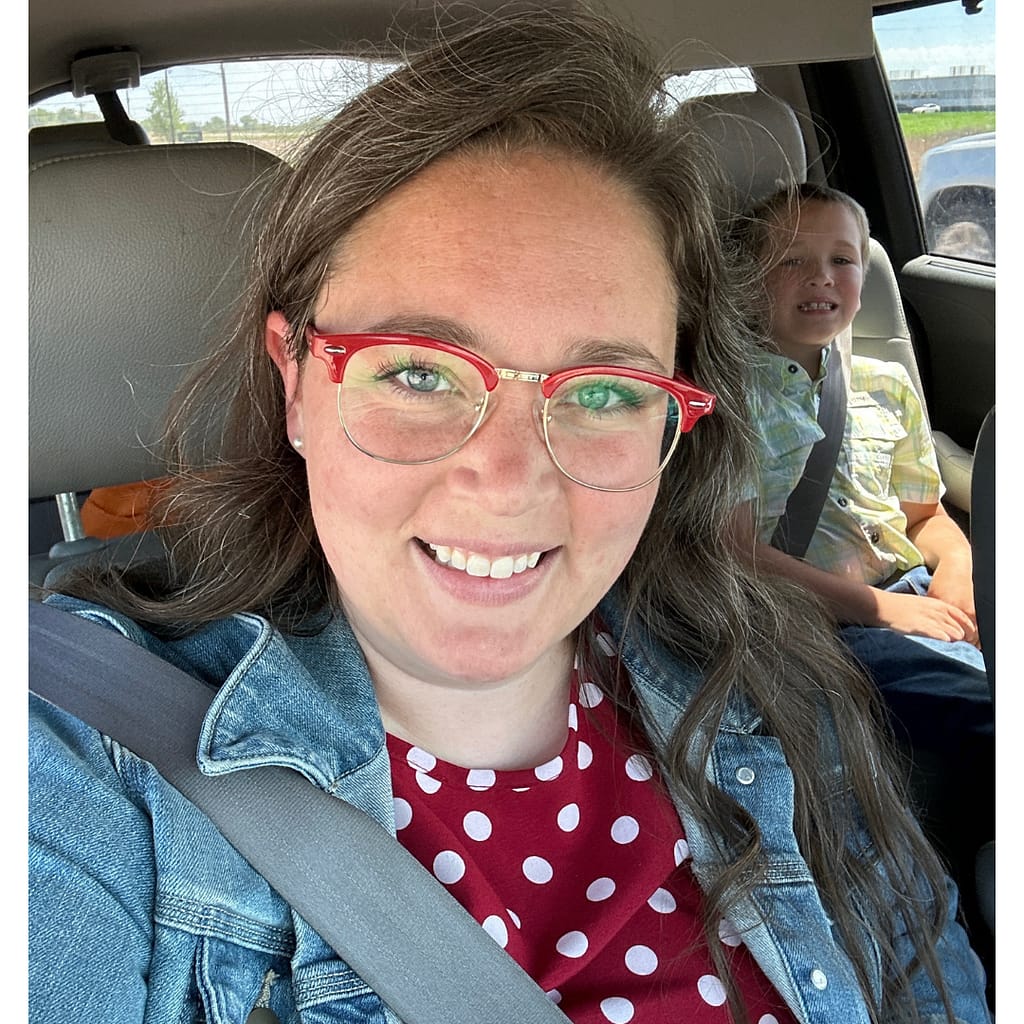
Hi! I’m Kim!
I started this project of building a hope chest with my daughters as a way to guide us through learning skills. Raising daughters is no easy task. I’ve drawn inspiration from long-lost traditions, modern skills, and women in my life to build this resource of sewing tutorials, recipes, and hope chest guidance. I hope you’ll join us!


Raising Resilient Young Women
Resilience — recovering and adjusting to change — used to be normal.
The hope chest revives steady growth: learning, practicing, and serving until competence becomes confidence.
Useful, not overwhelmed: Skills create options, reduce fear, bless others, and help us shoulder our part at home, in church, and in community.
The opposite — lifelong incompetence — drains family and church resources, strains relationships, and harms our testimony. We aren’t called to passivity; we’re called to faithful work, generous service, and wise stewardship.
Biblical Foundations
- Proverbs 31: industry, generosity, preparedness, blessing her household.
- Titus 2: older women teaching younger women what is good and useful.
- Paul making tents: dignifying work and skill as part of ministry life.
- Tabernacle craftsmanship: excellence offered to the Lord.
- Genesis offerings: the heart and habit behind meaningful work and worship.
Pillar Guides to the Hope Chest
- The Revival of the Hope Chest — the heart, heritage, and modern purpose of this tradition.
- The Hope Chest: Timeless Treasure — why every young woman needs a hope chest.
- Plain Living Library — sewing, sourdough, cooking from scratch, and more.
- What to Put in a Hope Chest (Master List) — kitchen, linens, sewing, faith keepsakes, and basic tools.
- How to Build a Hope Chest (Step-by-Step) — vision, pace, budget, practice, and milestones.
What to Put in a Hope Chest
Start small and steady: one item and one skill at a time.
Categories to explore:
- Kitchen & Cooking Tools
- Linens, Bedding & Towels
- Sewing & Mending
- Cleaning & Homekeeping
- Faith & Keepsakes
- Basic Tools & Fix-It
If you’re brand new to the kitchen, start with my hilariously intricate beginner guide: “How to Boil Water – The Over-Explained Beginner’s Guide.”
Skills to Teach Alongside the Chest
The hope chest is more than a collection of things — it’s about equipping for life.
- Sewing & Mending: hand stitches, machine basics, simple patterns.
- Cooking from Scratch: knife safety, boiling, baking, meal planning.
- Homekeeping Rhythms: laundry systems, cleaning zones, peaceful routines.
- Budgeting & Stewardship: stretching resources, grocery math, generosity.
- Hospitality & Service: simple meals, guest care, shared tables.
Are you wondering right about now…
Why do I need this in my life?
The Hope Chest Basics
What Is a Hope Chest? (and Why It Still Matters)
Historically, a hope chest was “a young woman’s accumulation of clothes and domestic furnishings kept in anticipation of her marriage.” It was both beautiful and practical — built with the future in mind.
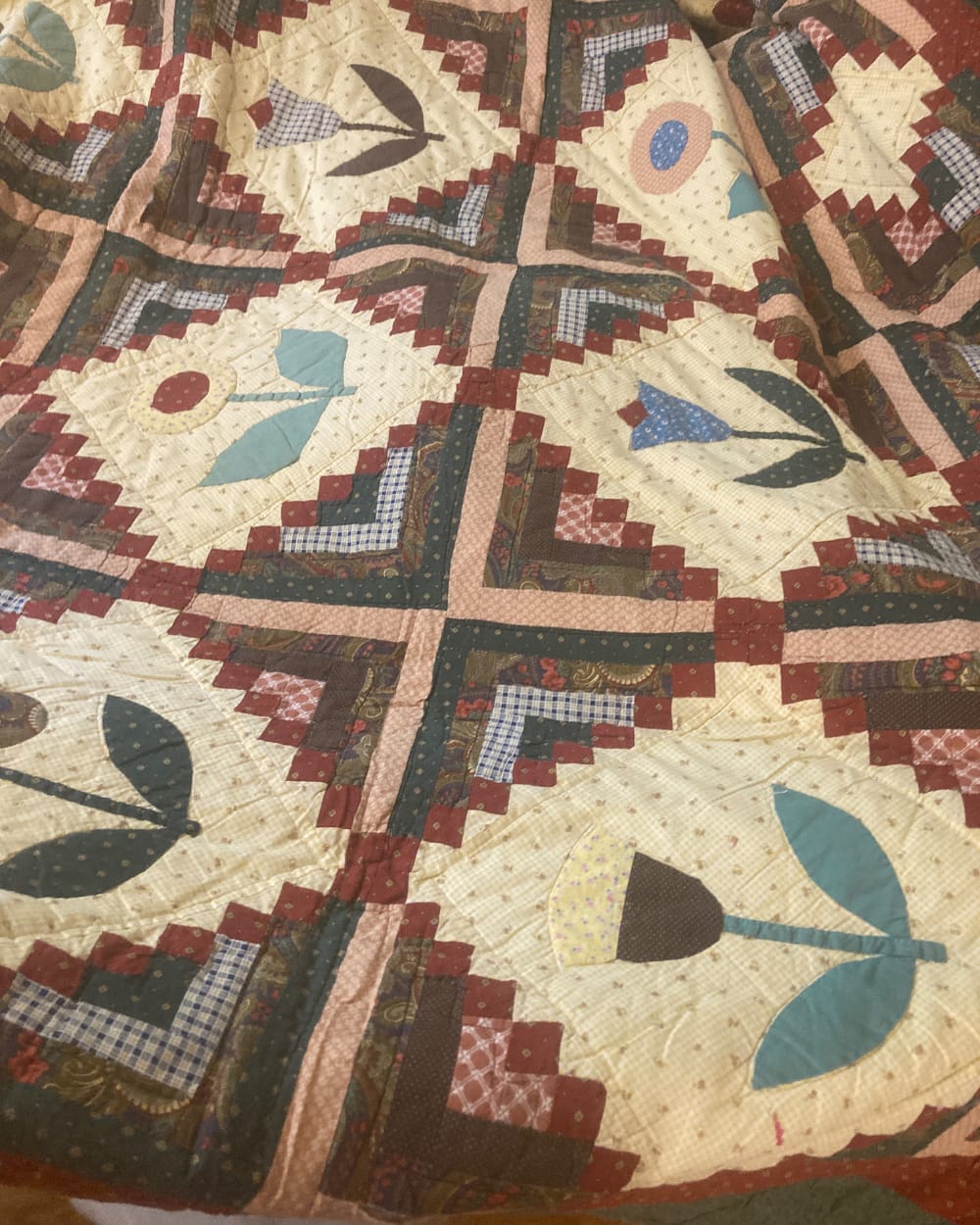
In 19th-century America, many girls perfected sewing by piecing quilt tops. By the mid-teens, she might have a dozen tops tucked into her chest. Before the wedding, the community gathered for a quilting bee — a day of fellowship and wisdom where those tops were quilted, sealing years of preparation. It was a rite of passage, a celebration of womanhood, and a picture of joyful work.
The hope chest creates a healthy space to imagine a future home: picking plates for a table, crocheting a baby hat, learning stewardship and hospitality — so she’s thoroughly furnished for the work ahead.
My “Why” & The Turning Point
I tried teaching skills to young ladies early on and met resistance. During a “Lovely Lady” summer camp built around Proverbs 31, I discovered the hope chest — and everything clicked.
It wasn’t just an object; it was a framework for training hearts and hands.
More than a decade later, my girls (now teens) have started their own small chests. I’ve shared videos and articles, but the topic deserves a full book and a living hub like this — so everything is easy to find and build upon.
Why the push? Because training a capable woman blesses her future family, church, and community — and it’s a gift to her future self.
The Hope Chest as a Solution & System
The hope chest provides a simple, intentional system that:
- Raises resilient children who can adjust, recover, and serve.
- Prepares for hard times with real skills that lower fear and expenses.
- Builds biblical homes anchored in stewardship, hospitality, and usefulness.
- Crafts a framework of belief and motivation around work, wisdom, and service.
- Instills self-value and a servant’s heart (not entitlement).
- Helps young women grow into high-caliber, capable wives and mothers.
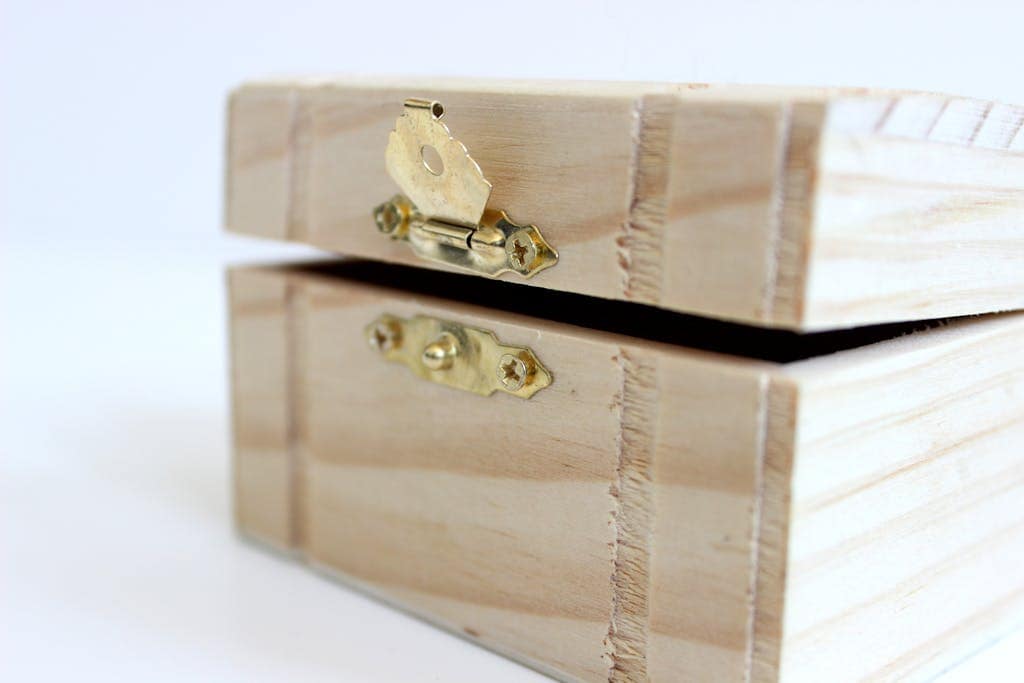
Start Your Hope Chest
This is your starting point. Dig in to this resource and learn everything you can. Then just jump right into the building, creating, and growing!
Hope Chest FAQs
Clear, practical answers about starting (or reviving) a hope chest, what to include, how to teach skills, and how this tradition serves real families today.
Is a hope chest still relevant today?
Yes. A hope chest is a simple, hands-on way to prepare for adulthood, practice stewardship, and learn skills that bless a future home. In a world of disposable everything, it teaches patience, quality, and purpose—one small step at a time. It also builds confidence as girls see their skills and supplies grow GROWTH.
Start with basics she’ll use weekly, then layer skills alongside each item so the chest represents both tools and competence.
What should we put in first?
Begin with everyday tools that make immediate sense: a solid kitchen knife, dish towels that actually absorb, a simple mending kit, or two pillowcases she sewed herself. Pair each item with a lesson—knife safety and chopping practice, proper towel care, threading a needle and sewing on buttons, or sewing a straight seam.
- Kitchen confidence: Boiling water for beginners
- Sewing jumpstart: How to thread a sewing machine
- Keep it simple: one item + one skill per month PACE
How young is too young to start?
It’s about readiness, not age. Younger girls can collect keepsakes, practice tidying routines, and learn safe kitchen tasks like washing produce or stirring batter. Tweens and teens can sew, follow simple recipes, mend clothing, and manage small budgets. Choose age-appropriate skills and add responsibility as maturity grows AGE-READY.
Do we need an actual wooden “hope chest” right away?
No. Start with a labeled bin, shelf, or trunk. Focus on heart and habits first; the heirloom chest can come later. Many families thrift or build a chest as a milestone gift when a daughter demonstrates faithful skill-building and stewardship.
Until then, a lidded tote protects linens and keeps items organized by category START SMALL.
What exactly belongs in a modern hope chest?
Practical, durable items for a first home: kitchen tools, basic linens, cleaning cloths, simple décor, faith keepsakes, and a few basic tools. Add things she made—pillowcases, a table runner, a baby hat she crocheted—to knit skill and sentiment together.
- See the master list by category: Ideas for What to Put in a Hope Chest
- Downloadables live here: Plain Living Library
How do we start if our budget is tight?
Go slow and steady. Thrift stores, yard sales, and church swaps are your friends. Choose quality where it counts (knife, skillet, sheets) and accept hand-me-downs for the rest. Many of the best chest items are handmade—so pour effort into skills that turn fabric, yarn, and thrifted finds into heirlooms FRUGAL.
- Set a tiny monthly budget (even $5–$10)
- Prioritize multi-use pieces over novelty gadgets
- Practice before you “stock”—skills cut future costs
Should boys/sons build a version of a hope chest?
Absolutely. Call it a tool chest or “readiness kit.” Focus on trade skills, basic auto care, cooking basics, laundry, budgeting, and hospitality. The aim is the same: grow a resilient, useful adult who can bless a future household and community FAMILY-WIDE.
How do we keep the chest from becoming clutter?
Use a simple rule: if it won’t be used in the first two years of independent living, reconsider it. Choose neutral, durable, easy-to-clean items. Keep an inventory sheet in the tote or chest, with dates and notes. Edit yearly and donate duplicates.
- Prefer quality over quantity EDIT
- One in, one out when categories get crowded
How can we make this a meaningful mother–daughter project?
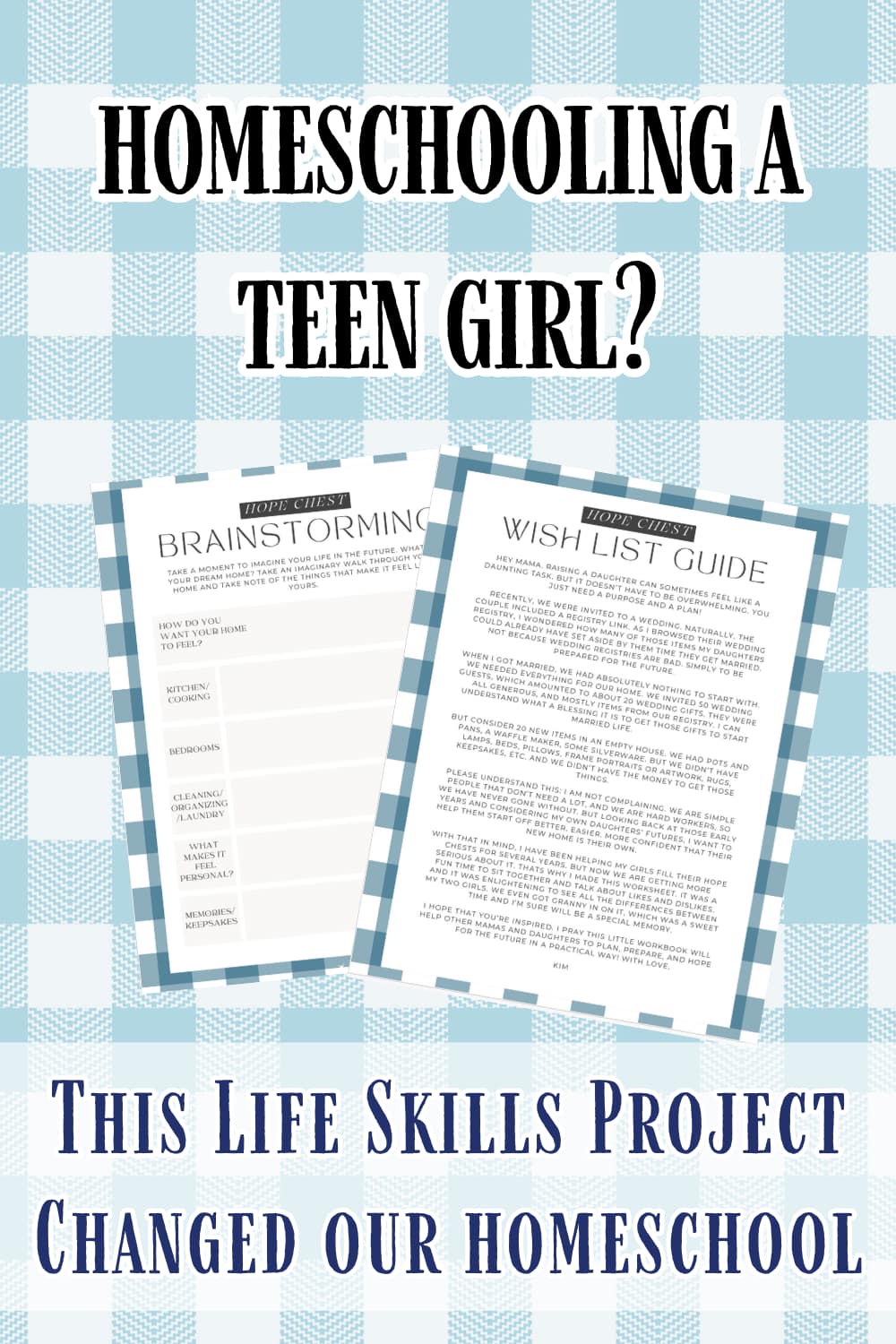
Pick a monthly focus (e.g., “May = Napkins + Stitching”). Shop or thrift together, then bake, sew, or mend side-by-side. Record a Scripture, a prayer, or a small story on a notecard and tuck it in with each item. Celebrate milestones with tea and photos for a keepsake journal RHYTHM.
What if my daughter isn’t interested right now?
Keep it gentle and practical. Let her pick colors, fabrics, or a first recipe she actually wants to eat. Start with tiny wins (15–20 minutes). Invite trusted mentors to model joy in useful work. And remember—these skills serve her life, not a checklist HEART.
How do we track progress and keep momentum?
Use a simple tracker: “1 item + 1 skill” per month. Keep an inventory in the chest and a skills log on the fridge. Snap photos, write short notes, and review at the end of each quarter. Small, steady habits beat big bursts STEADY.
Find printable checklists in the Plain Living Library.
Where can I learn the skills to go with the chest?
Start with beginner-friendly posts and build up. In our home we began with boiling, knife safety, basic mending, and simple bakes. As confidence grows, add sourdough, skirt patterns, meal planning, and budgeting. I’m building a library of lessons you can follow at your own pace.
- Kitchen: How to Boil Water
- Sewing: Thread a Sewing Machine
- Downloadables: Plain Living Library
What’s the difference between a hope chest and a dowry?
A dowry is a financial or property transfer tied to marriage customs. A hope chest is a personal collection of tools, linens, and handmade items gathered over time—often by the girl herself—plus the skills to use them. In modern life, we’re reviving the heart of the habit: prepare, provide, and bless CONTEXT.
More background: The Revival of the Hope Chest.
Which items should be high-quality splurges?
Choose longevity for daily-use items: a chef’s knife, a heavy skillet or Dutch oven, quality shears, and well-made sheets and towels. These save money over time and make learning pleasant. Everything else can be thrifted, handmade, or upgraded later SMART SPEND.
Ideas to evaluate tools: Favorite Kitchen Products.